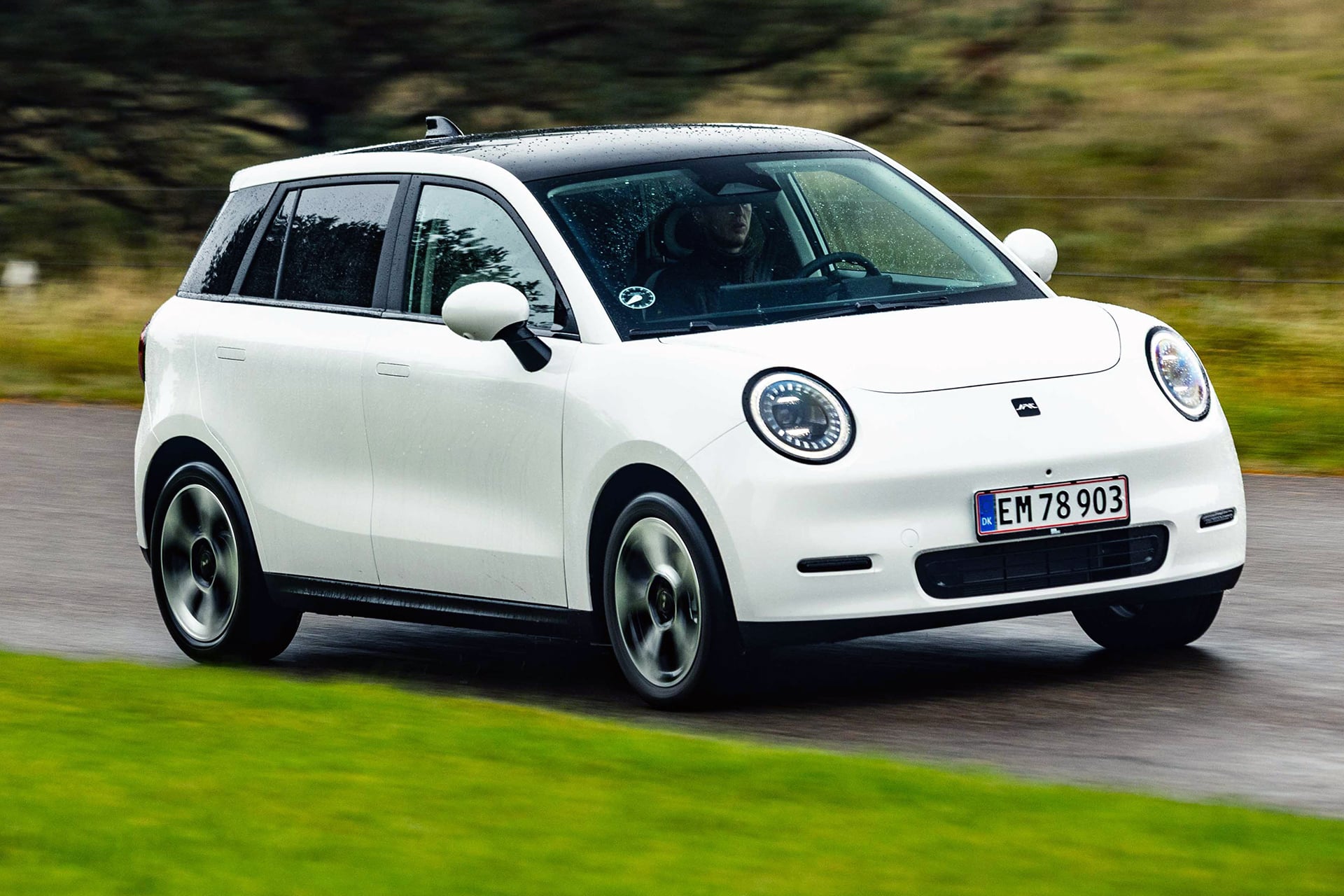
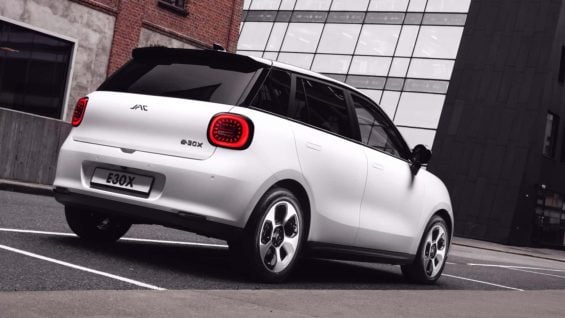
The JAC e-JS3 no longer has a date to arrive in Brazil, and the reason, in the automaker’s own account, has a name and surname. According to Nicolas Habib, vice president of operations at JAC Motors Brazil, the “noise” caused by BYD and other Chinese brands helped accelerate the discussion about the taxation of imported cars just as JAC prepared the electric hatch for the Brazilian market. The statements were made in an exclusive interview with Motor1.com.
The executive does not criticize the rival’s commercial strategy. The problem, in his assessment, was the scale: BYD grew fast and turned its arrival into an event, which threw Chinese cars into the spotlight and accelerated a reaction that was already brewing in the industry, especially within Anfavea. Habib admits that JAC knew that the zero tax rate for electric vehicles would not last forever, but complains about the speed of change.
Photo: JAC | Disclosure
Since July of this year, imported electric cars have collected 35% Import Tax, which ended the gradual tax exemption process started in 2024. For JAC, the E-JS3 account stopped closing at a time when the segment started to receive increasingly competitive rivals.
BYD’s “noise”
BYD landed with Dolphin and company at the turn of 2023 to 2024, when most affordable electrics were still made up of low-range subcompacts derived from combustion cars and options from previous generations, such as Nissan Leaf and Chevrolet Bolt. The Chinese brand invested heavily in communication, with memes on social networks, influencers, presence on Sunday programs on open TV and insertions in prime time.
The trump card, however, was the product: instead of charging a high premium just for being electric, the brand put cars with more equipment in stores for prices close to those of equivalent conventional models.
Habib even compared the move to that of JAC itself in 2011, when the J3 duo, hatch and sedan, debuted in Brazil with more standard items for the price of the entry-level versions of the already known compacts and aggressive advertising to name an unknown brand.
The E-JS3 has advanced in homologation and some units remain at the company’s headquarters, in the Limão neighborhood, in São Paulo. In December, sellers said that the launch was scheduled for March, with two versions and a focus on app drivers, the same audience that JAC seeks with the E-JS1.
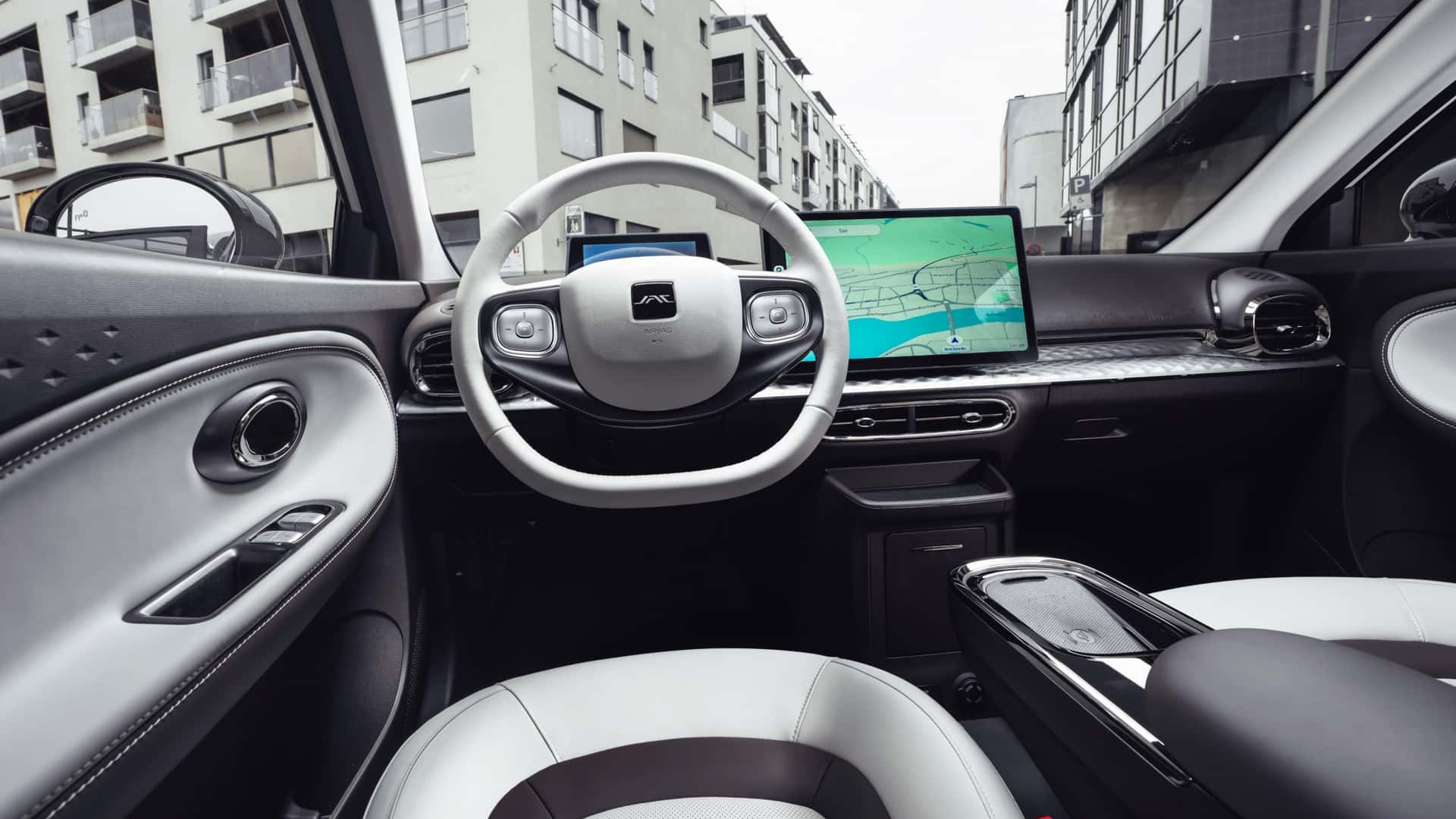
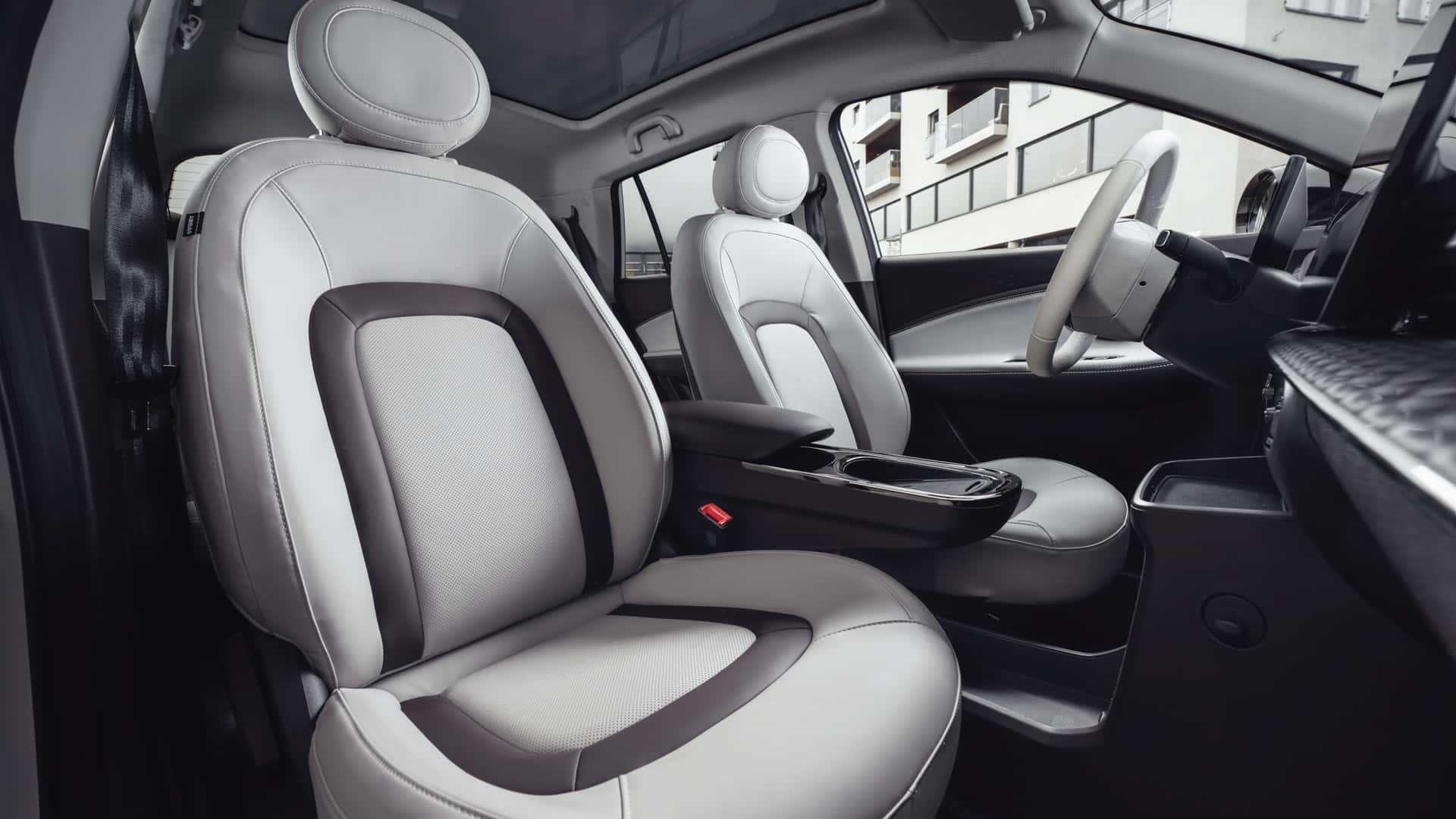
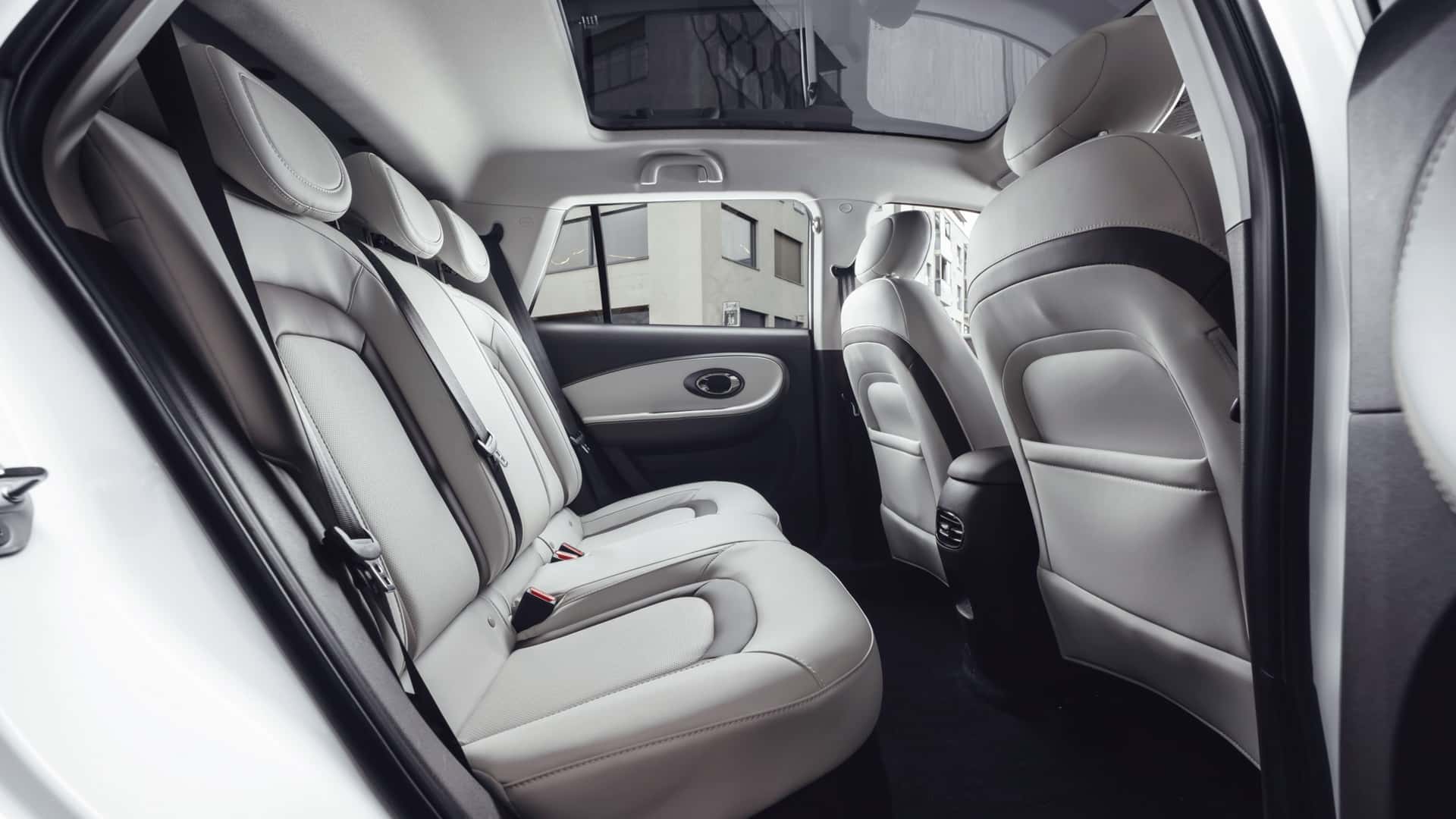
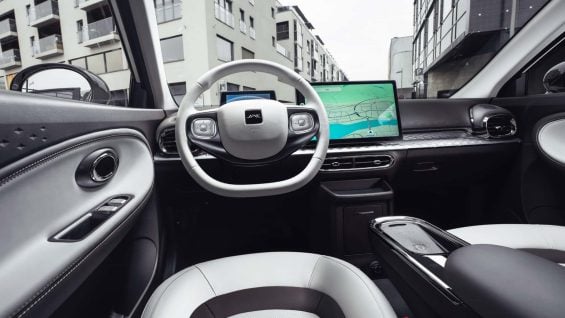
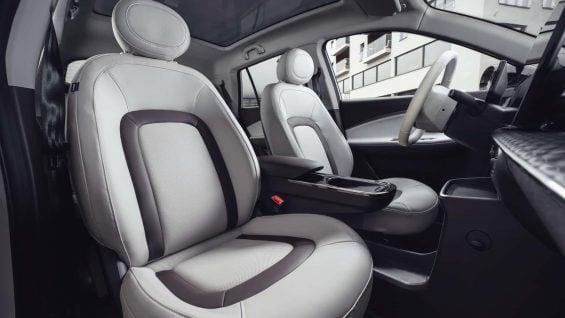
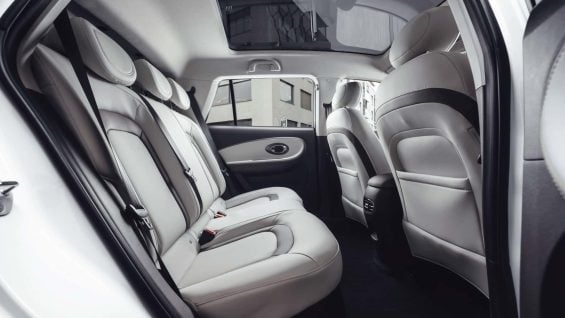
Known as Yiwei 3 in China and E30X in export markets, the model is born from a platform dedicated to electric vehicles and measures 4.03 m long, 1.77 m wide, 1.56 m high and 2.62 m wheelbase, in a size that would put it against BYD Dolphin Mini and Geely EX2. Inside, the highlight is the 15.6″ multimedia center made in partnership with Huawei.
Abroad, there are two configurations: 95 hp and 13,8 kgfm or 136 hp and 21,4 kgfm, with autonomy of 405 km and 505 km by the NEDC cycle. None of them has been approved by Inmetro.
Comments are the sole responsibility of their authors and do not represent the opinion of this site. Comments containing profanity or offensive language will not be published. If you identify anything that violates the terms of use, please report it.