

It sounds like a contradiction, but China’s cheap electric car will rely on coal
Without lithium and with local raw material for sodium batteries, anthracite coal has become the cheapest way to produce them in China
By
João Paulo Profeta
Published on 2026-07-07 at 09:00 PM
Published on 2026-07-07 at 09:00 PM
Be the first to comment.
Summarize with:
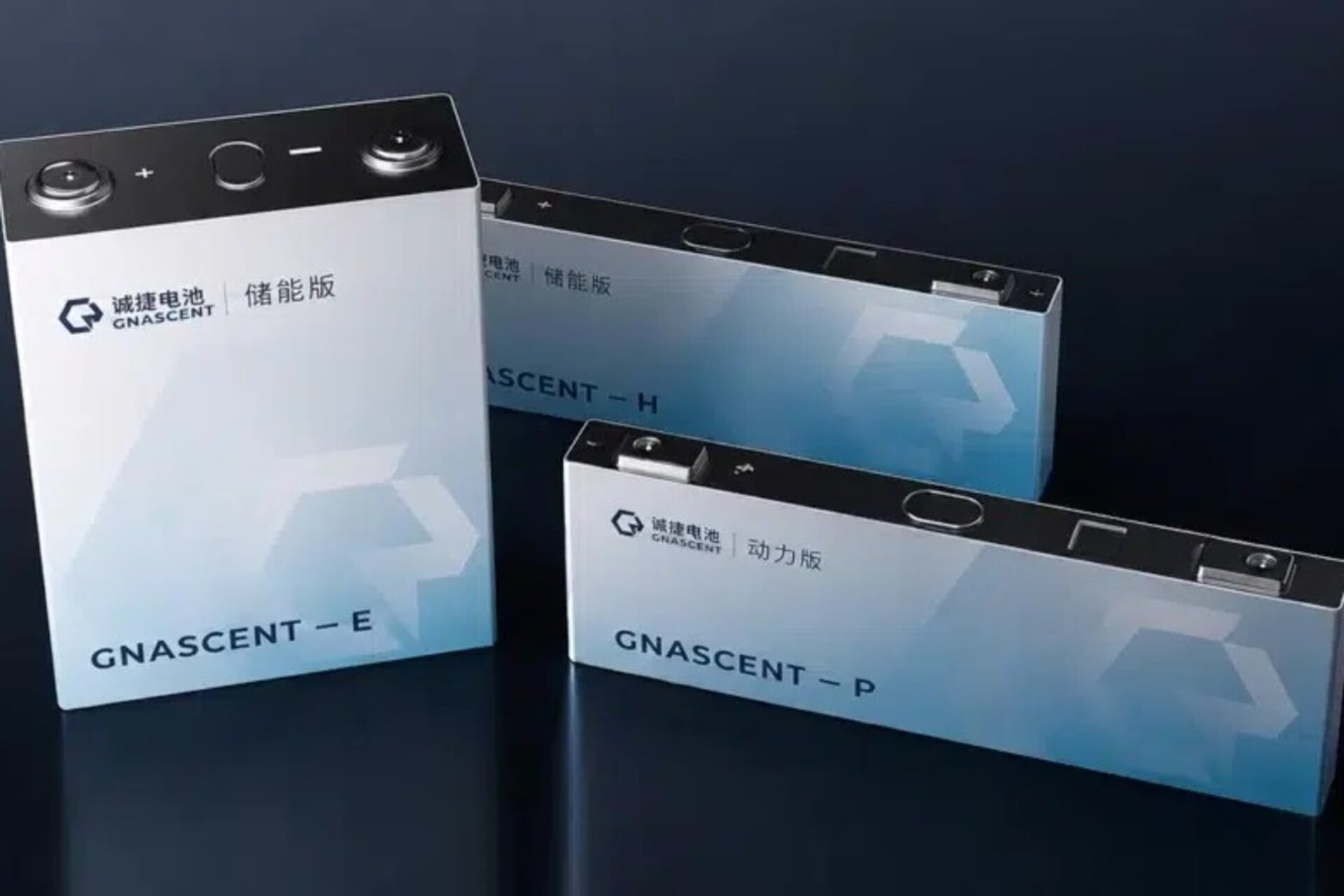
China’s bet on democratizing the electric car ran into a paradox: to make sodium-ion batteries cheaper, considered one of the bets of green mobility, the country’s industry started to turn to coal. Unlike lithium-ion batteries, sodium batteries use more abundant and cheaper raw materials, which promises to reduce the final price of vehicles. The transition, however, required overcoming a technical obstacle: since sodium ions are larger than lithium ions and make the graphite anode unfeasible, manufacturers had to master the production of “hard carbon”, a material that assumes this function in sodium cells.
In the beginning, this hard carbon was obtained from biomass — especially charred coconut shells, imported from Southeast Asia. The solution worked, but it created the external dependence that Beijing wants to avoid and would not be able to meet demand: domestic coconut production would yield material for about 6.3 GWh of batteries per year, far below a market estimated at more than 100 GWh as early as 2027, according to industry projections.
Sodium batteries have already hit the streets: the electric compact from Yiwei, a sub-brand of JAC, was the first mass-production model to adopt them, in January 2024, and technology is also advancing in energy storage. Giants such as CATL are racing to scale these cells, touted as a cheap alternative to lithium cells – although the lower energy density reserves them, for now, for cheaper cars with shorter range.
To escape this dependence, the industry turned to an abundant resource in Chinese territory: anthracite coal. Although it may sound contradictory to use a fossil fuel to power a green technology, the choice is strategic – the hard carbon anode accounts for somewhere between 10% and 20% of the cell’s mass, and companies in the chemical sector are already adapting their lines to convert coal into high-purity hard carbon. The gain is also in terms of efficiency: while the processing of agricultural waste, such as coconut shells, recovers close to 2.5% of usable carbon, that of anthracite can reach about 45%.
The change is already reflected in costs. The price of hard carbon has fallen below 30,000 yuan per tonne, and the industry is pursuing an even more aggressive target of below 20,000 yuan (about $15,000) a tonne. As a result, China is moving towards setting up a practically autonomous supply chain for sodium batteries and, by reducing costs, tends to favor their adoption over lithium-iron-phosphate batteries, especially in entry-level electric vehicles, where price is still the decisive factor for the consumer.
SEE MORE ABOUT

0 Comments
Comments are the sole responsibility of their authors and do not represent the opinion of this site. Comments containing profanity or offensive language will not be published. If you identify anything that violates the terms of use, please report it.