Ford confirms the three versions of the Transit City electric van for Brazil
Electric van will have a van with a normal roof, a van with a high roof and a chassis-cabin, with a national launch scheduled for the second half of the year
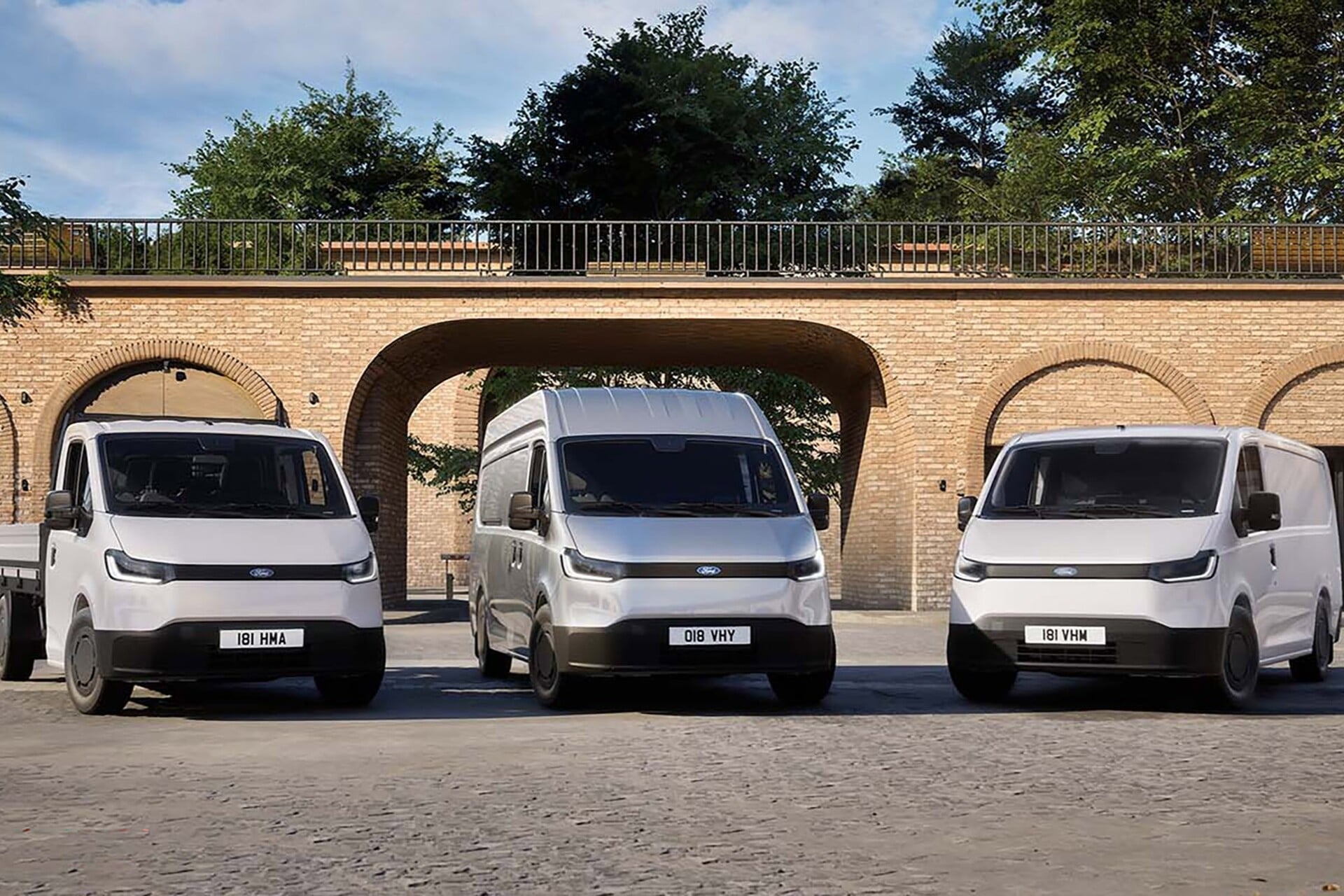
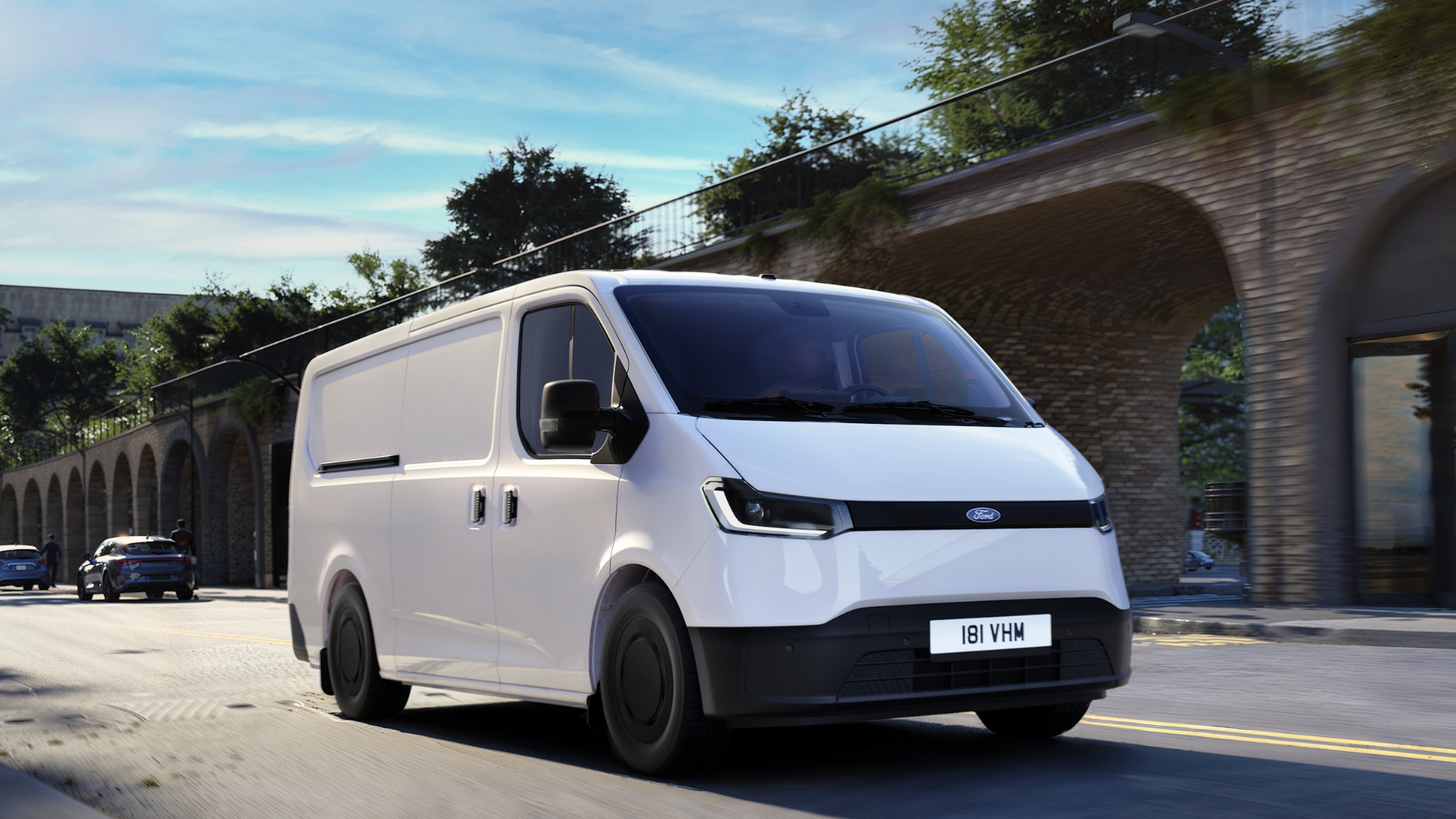
The electrified line focused on urban deliveries arrives in the country later this year, betting on zero emissions and lithium iron phosphate batteries to reduce the total cost of operation in the last mile. (Photo: Ford | Disclosure)
Ford confirmed that the Transit City, an electric van developed for urban deliveries, will arrive in the Brazilian market in three configurations: van with normal roof, van with high roof and chassis-cabin. The model was announced for Brazil in May and is scheduled for launch in the second half of 2026.
The confirmation of the national versions was made this Monday (14), on the same day that the Transit City chassis-cab makes its world debut at IAA Transportation 2026, in Hannover, Germany.
Three bodies for urban fleets
Photo: Ford | Disclosure
The chassis-cab option is the one that expands the commercial range of the line, as it accepts different types of implements, from refrigerated trunks to service platforms. The two vans, in turn, differ by the height of the roof and the volume of cargo. In Europe, where the van will also be sold, the equivalent configurations are the L1H1, with a load capacity of 1,085 kg, and the L2H2, with 1,275 kg.
Ford has not yet released the technical specifications of the Brazilian models, which will be detailed closer to the launch. In the data presented in May for the global project, the Transit City uses a 56 kWh lithium iron phosphate (LFP) battery and a 110 kW front electric motor, equivalent to 150 hp, with an estimated range of 250 km. Direct current recharging reaches 87 kW, which allows it to go from 10% to 80% in about 30 minutes.
The choice for a relatively modest battery pack is operationally justified. According to the manufacturer, most vans of this size run less than 110 km per day, which makes it unnecessary — and more expensive — to have a larger capacity set.
Comments are the sole responsibility of their authors and do not represent the opinion of this site. Comments containing profanity or offensive language will not be published. If you identify anything that violates the terms of use, please report it.