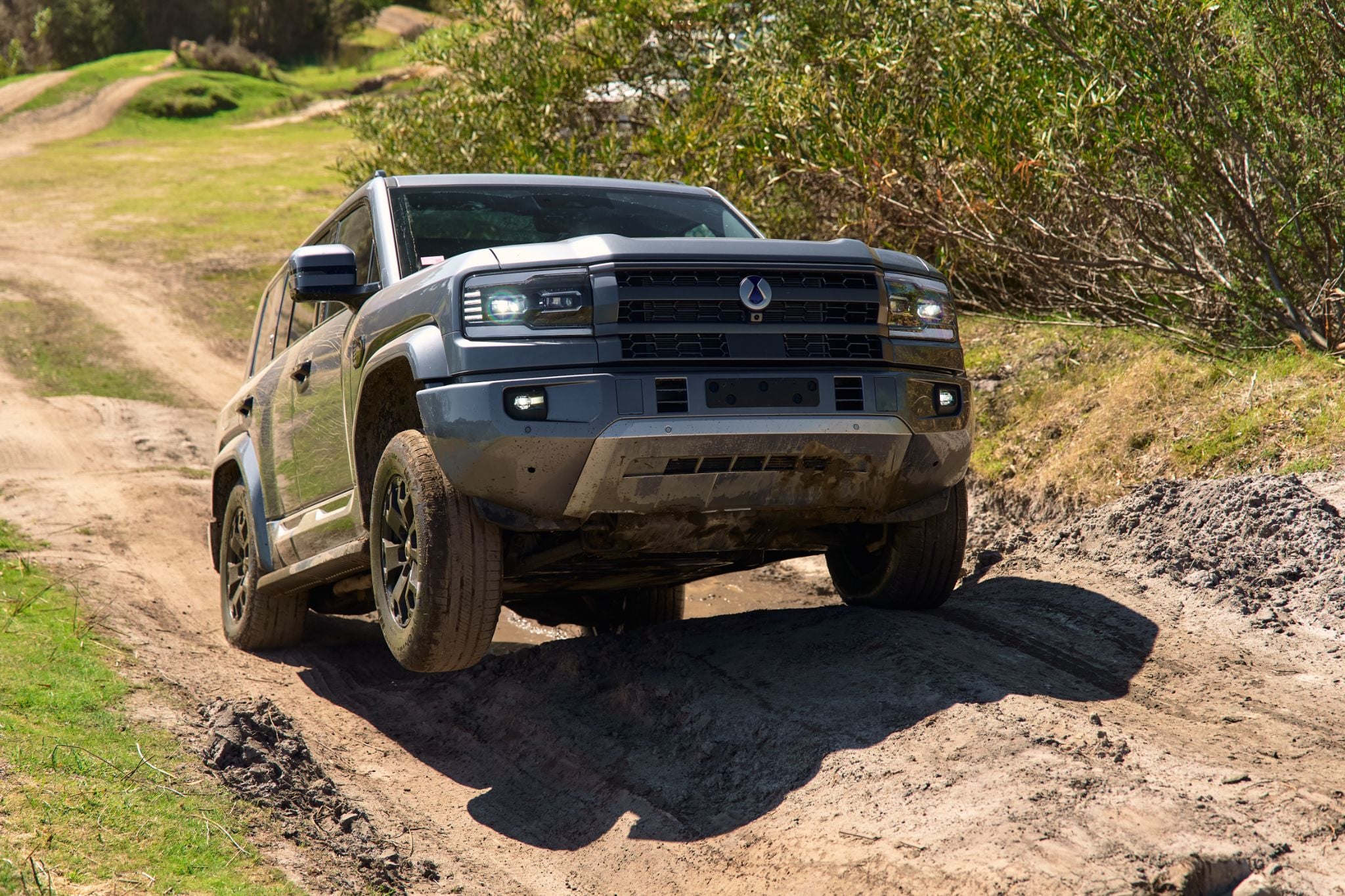
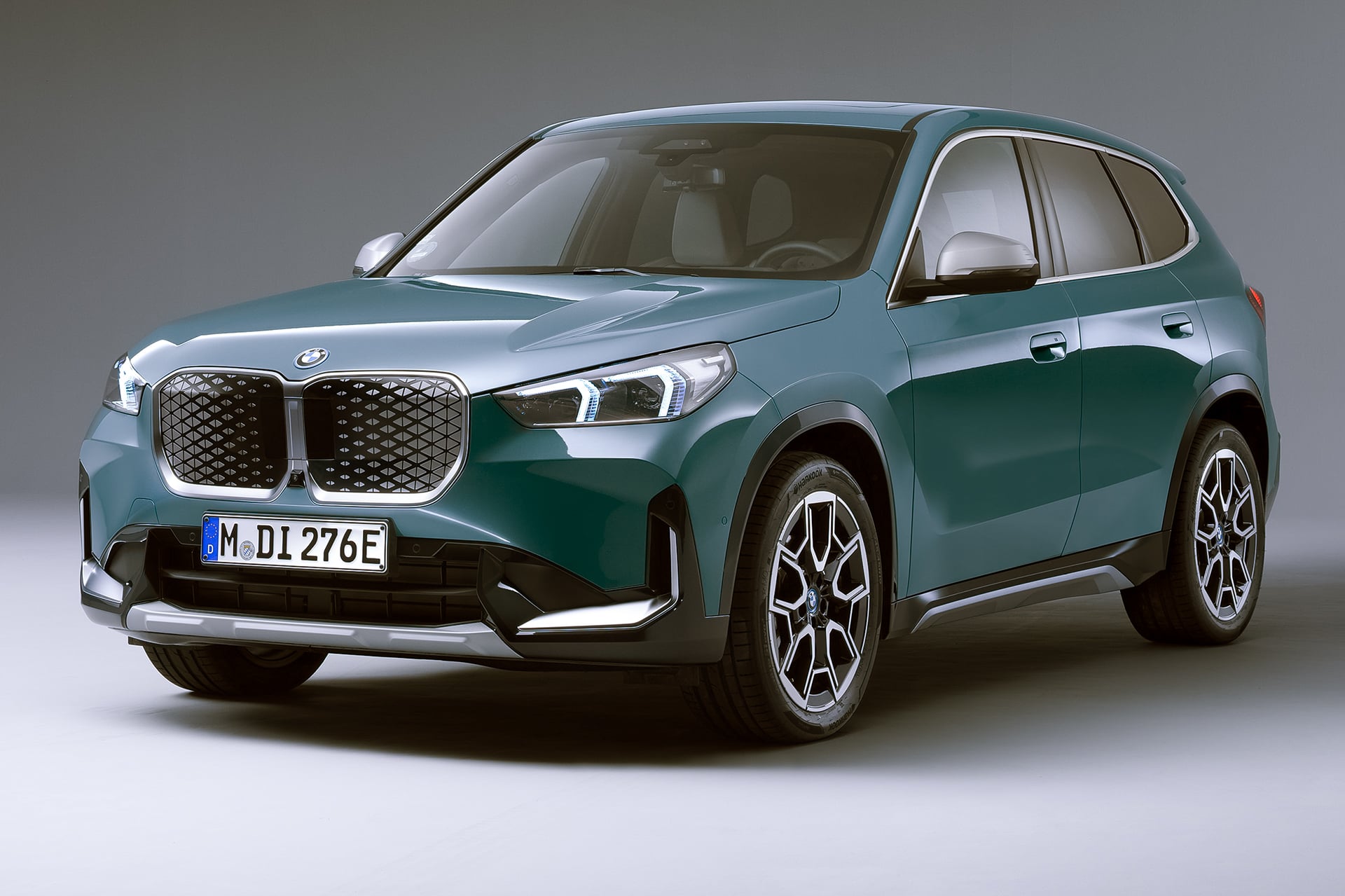
In August, the best-selling premium car in Brazil was an SUV that had not existed in the country for a year. The Denza B5, from BYD’s luxury brand, registered 677 registrations and was ahead of the BMW X1, with 509 — the third consecutive month in the lead, according to Bright Consulting.
The premium segment fell 16% in August year-on-year, to 3,757 units, and accumulates a drop of 6.4% in the year: 31,601 registrations against 33,780 in the first eight months of 2025. In the same period, the Brazilian market as a whole advanced 19.3%.
Even so, the Chinese share in the premium market jumped from 1.3% to 20.1% in twelve months — from 60 registrations in August 2025 to 757.
BMW goes against the grain of its own category, with 1,255 units in the month and 33.4% share. The problem is close behind: Denza closed August in second place, with 18.2%, while Mercedes-Benz and Volvo together lost almost nine points of share in a single month. Porsche ended 2025 in Brazil with 5,520 units, down 11.8%, and comes from a global first quarter with a 15% decline — a crisis prior to the landing of Denza.
Cássio Pagliarini, from Bright Consulting, attributes the situation to the “strong migration of premium customers” to Chinese electrified customers from outside the luxury segment — cars with more technology, more power, more space and lower price.
BMW X1: distinction between luxury and premium product (Photo: BMW | Disclosure)
Game changer
But how long does the emblem brand hold the customer when the car next to it is no longer inferior? For Maiara Kososki, a doctor in marketing strategy and a specialist in branding and the luxury market, the brand weighs – but it is necessary to separate two things treated as one.
“Recognition makes a company remembered, while brand value makes the consumer trust, desire and accept to pay more for it,” he says. In the automobile, this weight is greater, because the purchase involves financial risk, security, maintenance and resale. The traditional brand sells accumulated trust — “a kind of advance credit granted by the consumer.”
It is this credit that sustains sales even when the product is no longer the best in the category — the buyer not only takes power and autonomy, he takes reputation and social recognition. The balance, however, is not infinite.
“Tradition can give the company time, but it doesn’t offer immunity,” says Kososki. When the difference in product becomes evident and repeats itself over several cycles, the perceived quality deteriorates—and perceived quality is one of the foundations of the brand’s own equity.
Electrification has accelerated this clock because it has redefined the criteria of excellence. The consumer has started to evaluate software, autonomy and digital experience, requirements that were not even included in the account before. “In this new territory, Chinese brands do not necessarily need to overcome more than a hundred years of history; they need to demonstrate competence in the attributes that have come to define the future of the automobile”, he summarizes.
Luxury or technology?
There is a limit that technology does not solve alone, and Kososki distinguishes premium from luxury: a car can be expensive, powerful and advanced without being perceived as luxury, because luxury depends on identity, legitimacy and symbolic value. “Technology can be developed quickly, while the aura of a brand needs to be sedimented by time.”
The distinction is not new. In The Luxury Strategy, an industry benchmark, Jean-Noël Kapferer and Vincent Bastien define as premium, and not luxury, the product whose price is entirely justified by superior performance — and cite Audi and BMW in the first group.
From this two sales grammars are born. The Chinese convinces with the product. The European and American brands sell a symbolic universe, using the origin, the design codes and the cultural moments in which they participated. “The Chinese brands are saying ‘look at everything this car is capable of doing’; the traditional brands say ‘look at everything this brand represents'”, compares Kososki.
The badge is still worth money. A British survey by Startline Motor Finance this month shows that 44% of drivers willing to spend £50,000 would trade a prestigious brand for a Chinese car – but 19% say inheritance weighs more as the value rises.
Denza herself seems to have read the message. It arrived with the B5 at R$ 436 thousand, aiming for a Land Rover Defender that costs about twice as much, and will go from five to 22 stores by December. “Denza cannot be in a hurry, but it needs to have a presence,” said the brand’s director in Brazil, Werner Schaal, to Bloomberg Línea.
The border is beginning to disappear on both sides, Kososki reckons: the Chinese realize that it is not enough to deliver technology, and the traditional ones discover that inheritance alone does not meet the new expectations.
“It will be between two types of legitimacy: the one built by history and the one conquered by the ability to interpret the future.” The next test already has a price: Denza is preparing the Z9 GT, at R$ 650 thousand, and an electric supercar for about R$ 1.5 million.
Comments are the sole responsibility of their authors and do not represent the opinion of this site. Comments containing profanity or offensive language will not be published. If you identify anything that violates the terms of use, please report it.