China delivers the first sodium-powered mining truck
Sodium battery loses less charge in the cold than lithium and has already started operating in a Chinese mine; understand why it hasn't reached cars yet
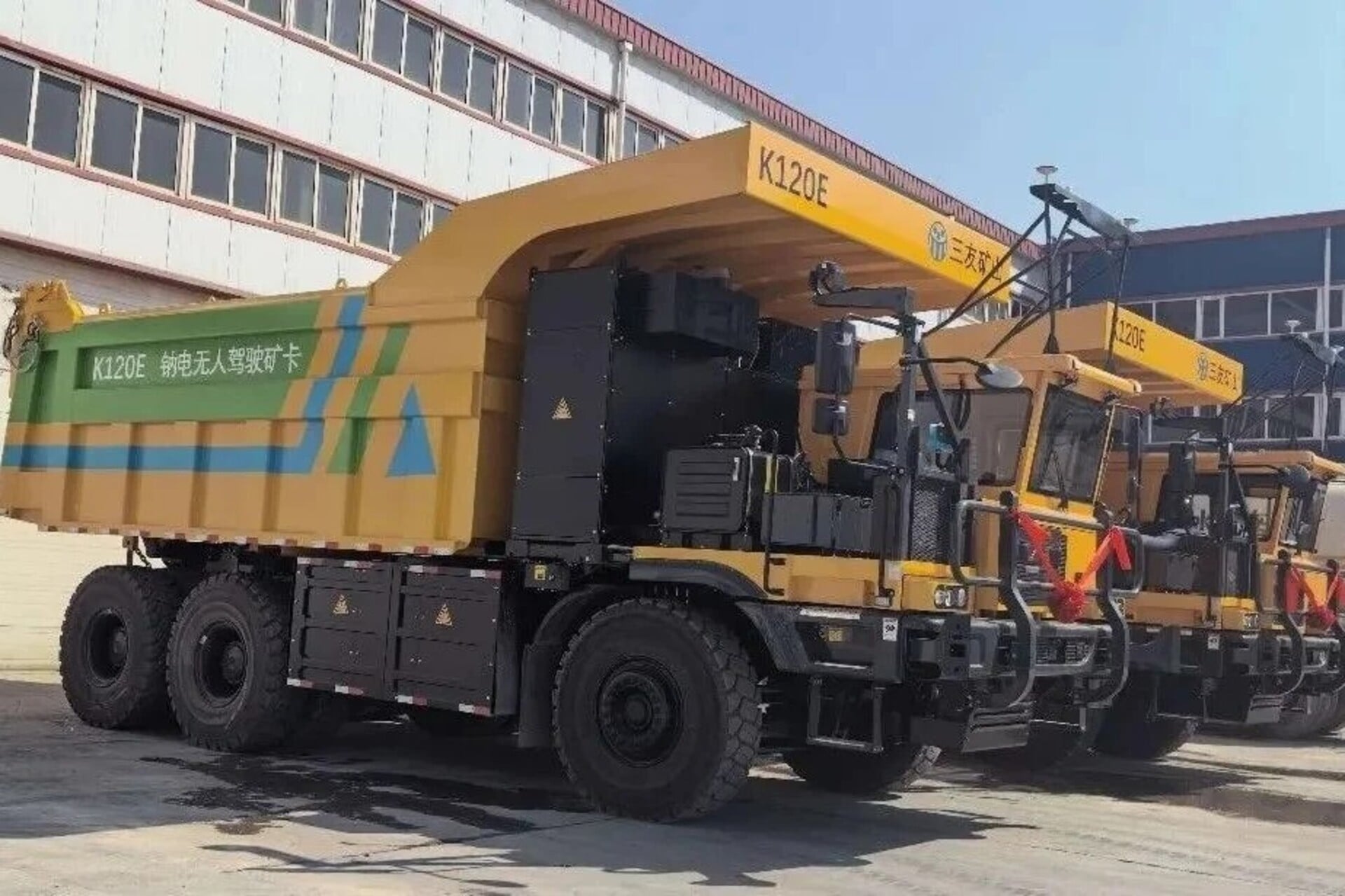
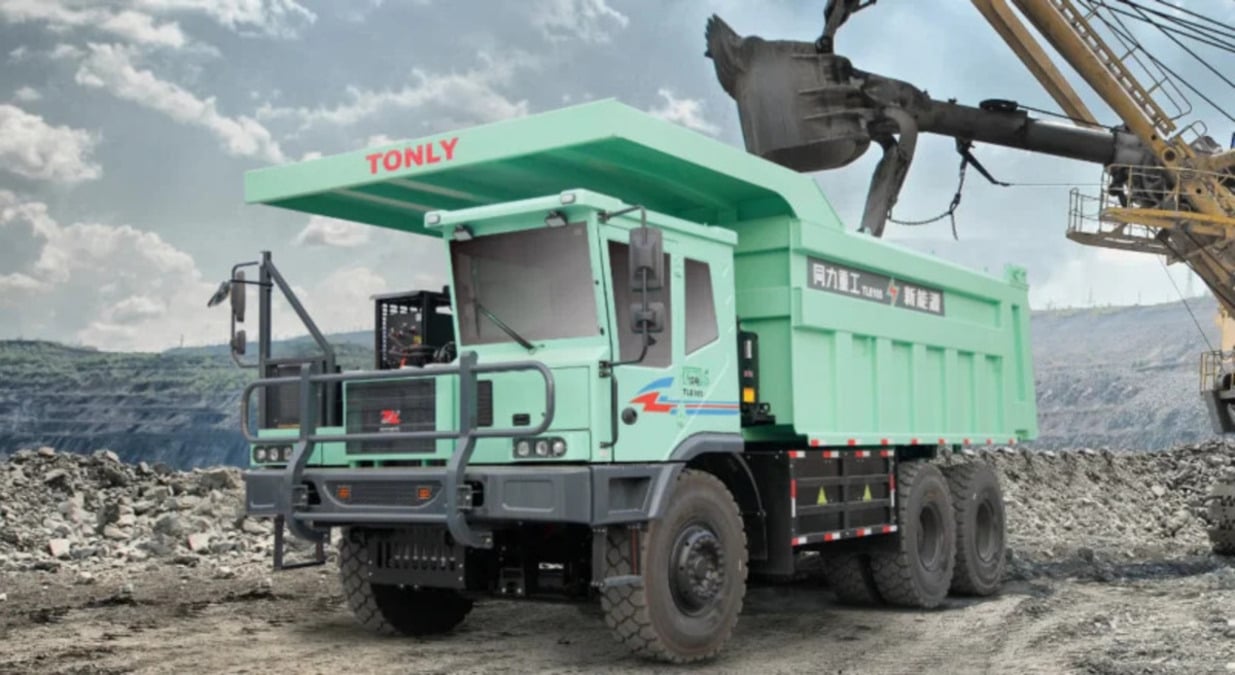
The Tlye TLE120 mining truck is the world's first powered by sodium-ion batteries, developed in partnership by Hina Battery and Tonly Heavy Industry (Photo: Hina Battery | Disclosure)
The world’s first 100% electric mining truck powered by sodium-ion batteries has started operating at the Sanyou mine in Tangshan, northern China. The delivery was announced this week by HiNa Battery, which developed the vehicle in partnership with Tonly Heavy Industry from the TLE120 off-highway truck platform.
The set uses the Haixing series sodium-ion battery system, with a total capacity of 676 kWh and an energy density of more than 165 Wh/kg in the cells — numbers designed for transporting heavy loads over short distances, the typical routine of a mine. According to HiNa, recharging from 0% to 100% takes 20 to 25 minutes, and the battery supports more than 8,000 cycles even under frequent use of fast charging, a useful life close to that of the truck itself.
Photo: Tonly | Disclosure
Why sodium instead of lithium
Sodium cells operate well in a wide thermal range and lose less capacity in the cold than lithium cells, which attacks the drop in autonomy in open-pit mines during the harsh winter in northern China. Compared to diesel trucks, still the absolute majority in the sector, the electric version eliminates exhaust emissions and reduces noise.
The argument is based on recent tests. In June, FAW Jiefang completed the on-road validation of an electric J6P tractor equipped with a 339 kWh sodium battery, also supplied by HiNa. There were more than 15 thousand km in almost seven months, with retention of more than 90% of the useful capacity at minus 40 degrees, according to the automaker.
Density and cost still weigh against it
The technology, however, continues to lag behind lithium in the two indicators that matter most to the passenger car. The same TLE120 launched last year with a lithium iron phosphate (LFP) battery had 801 kWh, 125 kWh more than the sodium variant, according to Tonly’s official website. It’s the main reason why sodium chemistry hasn’t yet made its way into automobiles at scale.
Cost is the other obstacle. HiNa calculates that the sodium cell today comes out between 0.5 and 0.7 yuan per Wh, compared to 0.3 to 0.5 yuan per Wh for the lithium cell. Li Shujun, the company’s CEO, projects that the values will approach between 2027 and 2028, when the sodium cell should fall to about 0.3 yuan per Wh.
At the mine, the truck will generate performance data under heavy load that should guide the next versions of the project. Tonly also already offers a battery swapping system for mining trucks.
Comments are the sole responsibility of their authors and do not represent the opinion of this site. Comments containing profanity or offensive language will not be published. If you identify anything that violates the terms of use, please report it.