

Can artificial intelligence fine? Understand how inspection works with new technology
Technology already catches the use of cell phones and lack of belts behind the wheel. Learn how image analysis works and the legal limit of traffic automation
By
Julia Vargas
Published on 2026-08-07 at 03:00 PM
Published on 2026-08-07 at 03:00 PM
Be the first to comment.
Summarize with:
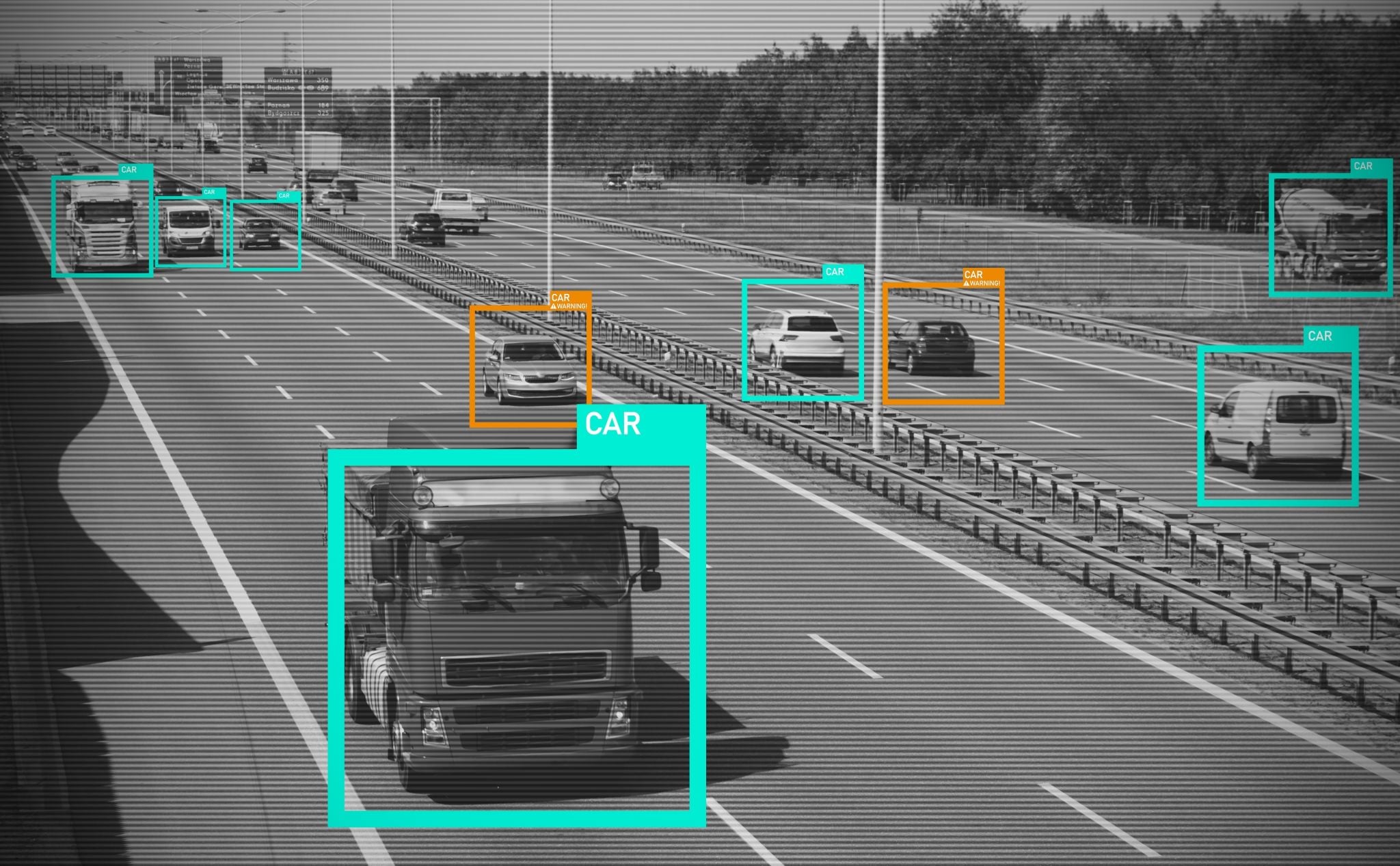
The presence of Artificial Intelligence (AI) in traffic has advanced significantly on highways and urban roads in recent years. With the implementation of systems capable of analyzing images in real time, the ability of traffic agencies to identify risky behaviors and possible infractions has increased.
However, the expansion of this technology has generated a recurring question among drivers: can artificial intelligence automatically apply fines? The answer is no.
SEE ALSO:
- Engine oil additive is a trap
- AI in automotive retail: a path full of opportunities
- Use of AI widens the gap between Chinese cars and the rest of the world
Although the technology has high accuracy and speed to detect irregularities, the fine continues to depend on the analysis and face-to-face or remote validation of a traffic agent. Legally, AI acts as a screening tool and support for enforcement, without replacing the role of human authority.
How does inspection with artificial intelligence work?
The new monitoring systems operate through high-resolution cameras integrated with computer vision algorithms. Trained to recognize patterns of behavior on the roads, these software continuously analyze images to point out possible non-compliance with the Brazilian Traffic Code (CTB).
The process flow works as follows:
- Capture: the cameras record the flow of vehicles in real time.
- AI screening: the algorithm identifies suspicious attitudes or irregularities in the image.
- Alert Generation: the system isolates the video or photo excerpt and sends the record to a database.
- Human Validation: the traffic agent analyzes the evidence captured and decides whether to issue the infraction notice.
This processing capacity allows thousands of vehicles to be monitored simultaneously, increasing the efficiency of inspection and covering stretches where the permanent presence of agents would be unfeasible.
But, it is important to note that systems based on image processing are subject to technical limitations. Factors such as inadequate lighting, reflections on the windshield, objects inside the vehicle and the angle of the occupants can lead the algorithm to misinterpretations.
The verification carried out by the traffic agent is the fundamental step to filter these “false positives”, ensuring that the penalty is applied only when there is clear evidence of the commission of the infraction.
What does the Brazilian Traffic Code (CTB) say?
In Brazil, the issuance of the infraction notice is an administrative act strictly linked to the traffic authority or its accredited agents, as provided for by the CTB. As AI does not have legal personality or legal competence, it does not have the autonomy to apply penalties directly and automatically to drivers.
The requirement of human review serves precisely to ensure the legal certainty of the process and prevent inconsistencies in the system from resulting in undue charges.
As not all traffic violations can be identified by cameras, the technology acts efficiently in visual violations, while conducts that require physical tests remain under the exclusive responsibility of field inspection.
Infractions that AI can identify:
- Use of the cell phone behind the wheel: detection of the driver holding or handling the device while driving.
- Failure to use seat belts: identification of the absence of equipment, either by the driver or passengers.
- Visual risk behaviors: other behaviors standardized by the software used by public agencies.
Infractions that require a face-to-face approach:
- Drunk driving: depends on specific legal procedures, such as the breathalyzer test or the clinical verification of signs of psychomotor alteration.
- Refusal to take the breathalyzer test: requires a direct approach to formally offer the test to the driver.
- Driver’s physical conditions: face-to-face assessment in cases of sudden illness, severe drowsiness or temporary physical disability.
- Detailed documentary and vehicle inspection: physical inspections of the vehicle and face-to-face document verifications.
SEE MORE ABOUT

0 Comments
Comments are the sole responsibility of their authors and do not represent the opinion of this site. Comments containing profanity or offensive language will not be published. If you identify anything that violates the terms of use, please report it.