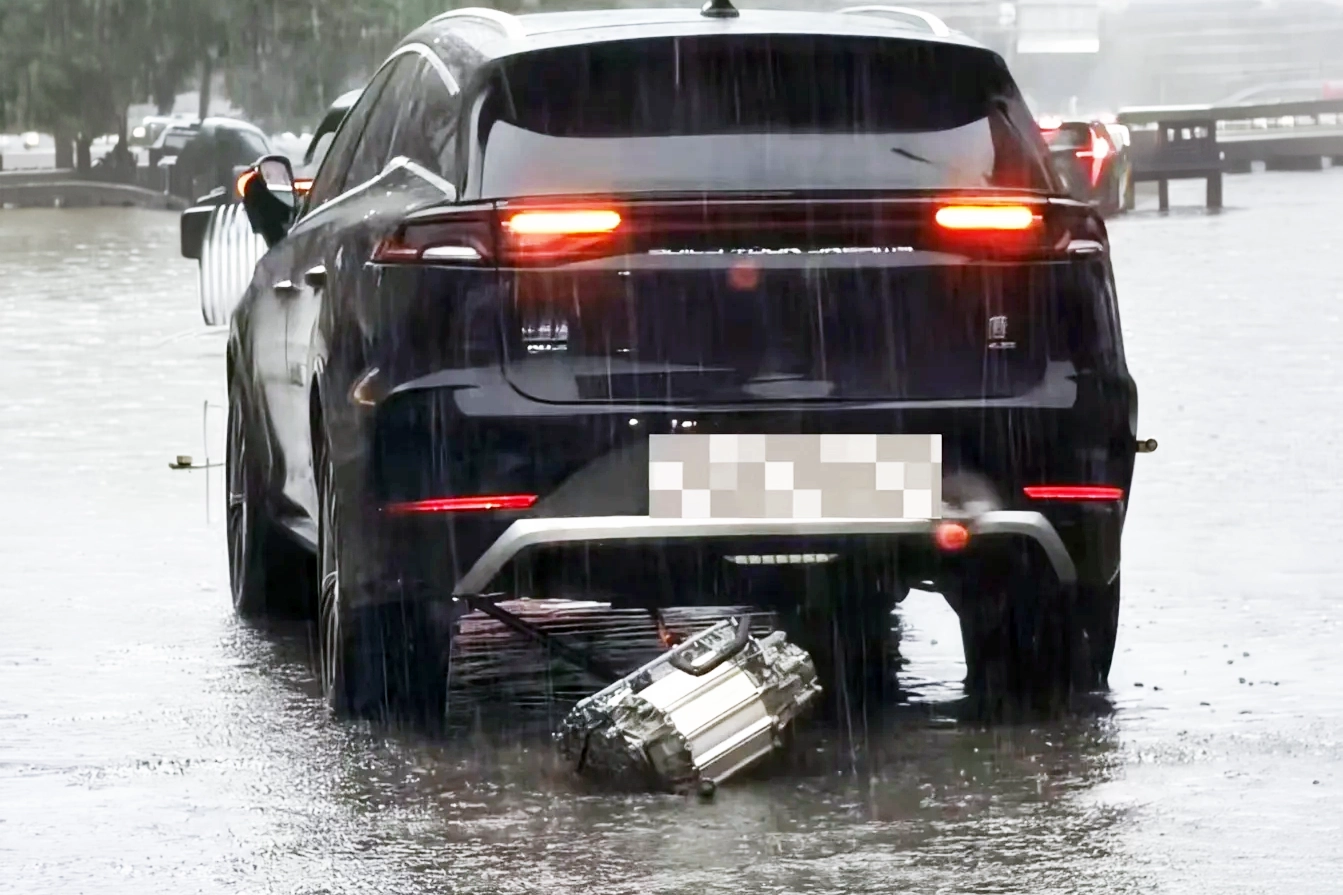
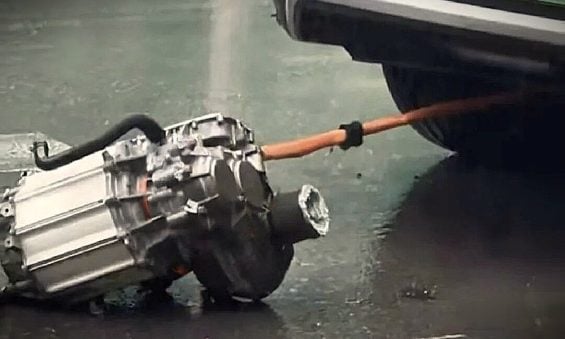
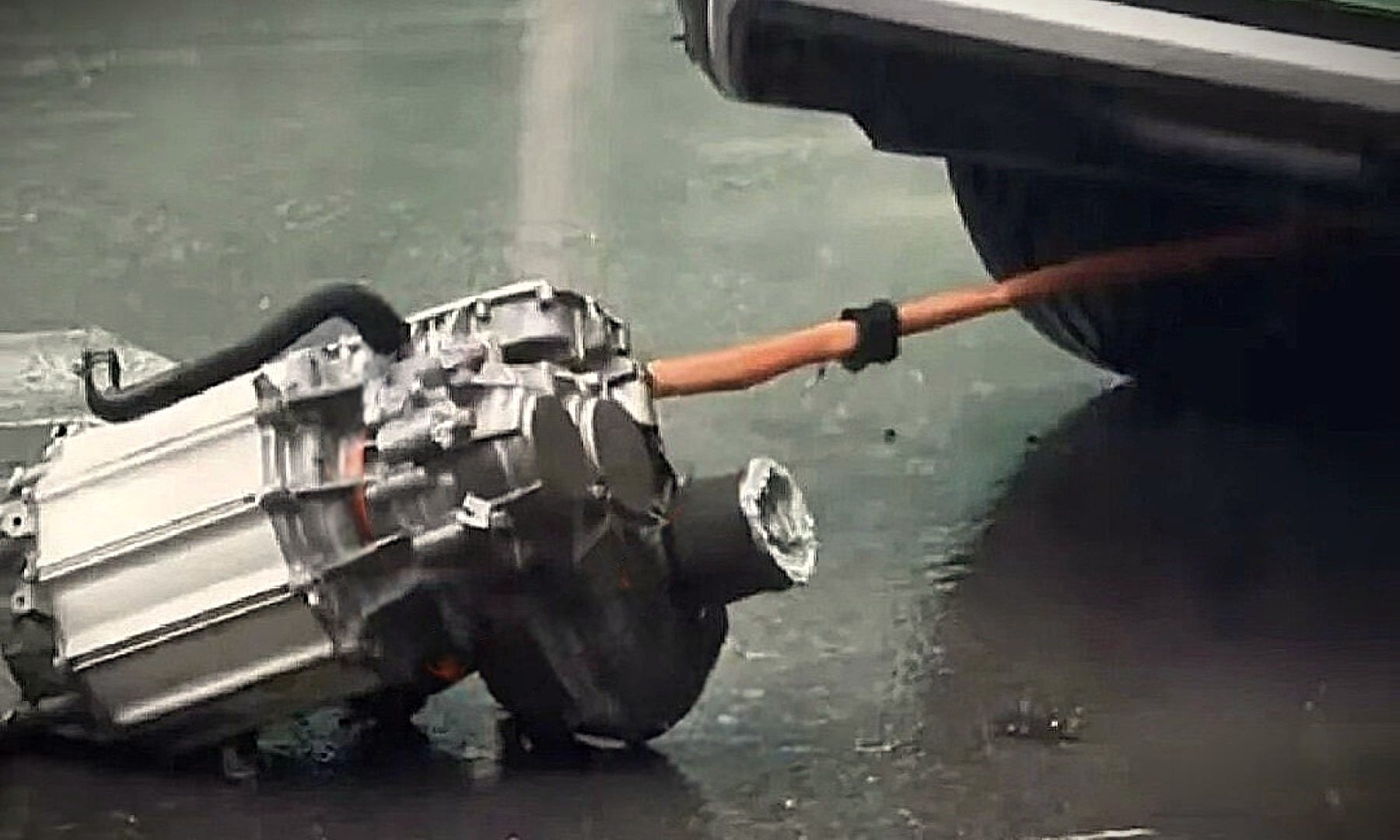
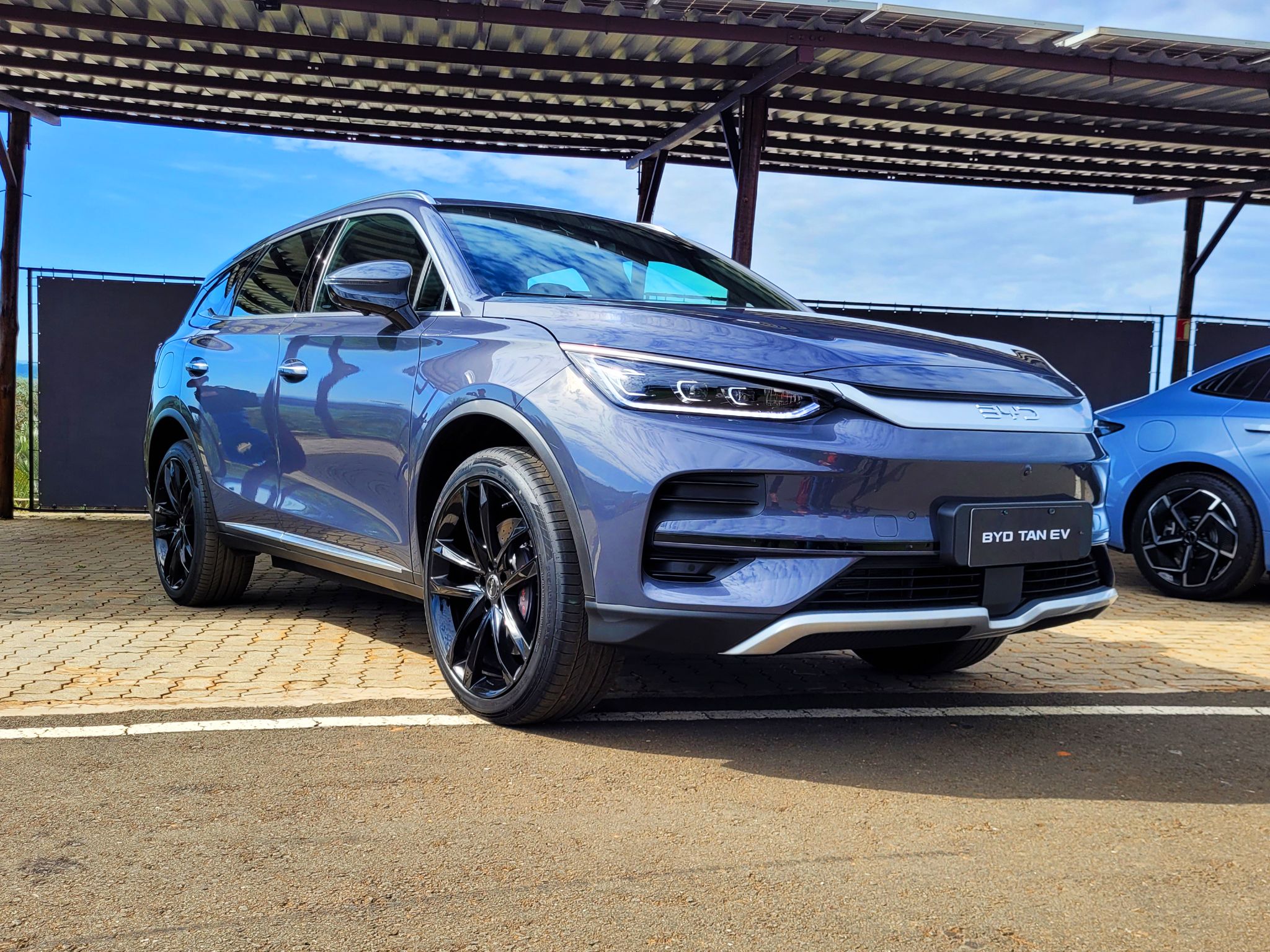
A video of a BYD Tang crossing a flooded street in Shenyang, China, with the rear electric motor hanging under the vehicle’s bumper, went viral on Chinese social media last week. The images show the SUV still in motion, with the assembly attached to the body by a single orange high-voltage cable.
Faced with the repercussions, BYD presented its version of the episode: according to the manufacturer, the engine did not come loose because of contact with water, as users on the networks speculated. The company said by phone to the Langzhang News website that the vehicle suffered “a severe collision at the bottom” while the driver was crossing the flooded stretch — an impact that presumably occurred when the water level was higher than recorded in the videos.
According to BYD, the Tang involved would be one of the 100% electric versions equipped with two motors. After the rear unit crashed, the car would have remained operational, powered only by the front engine. A close-up photo released by the CarNewsChina website indicates that part of the engine housing has detached from the lower structure of the SUV, remaining connected only by the high-voltage cable.
The manufacturer also states that it contacted the owner after the incident and inspected the vehicle. The automaker did not detail whether there will be repair costs or how the case will be resolved with the owner.
Is the BYD Tang sold in Brazil?
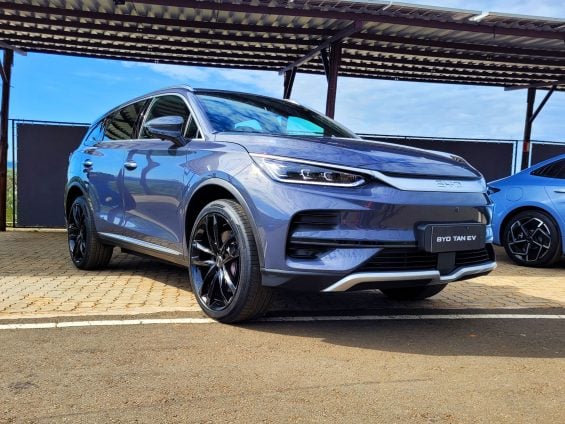
Yes, but with another name. Here, the model is marketed as BYD Tan, a 100% electric seven-seater SUV positioned in the brand’s premium range. According to BYD Brazil, the national version delivers 517 hp of combined power and 71,4 kgfm of torque, with all-wheel drive and acceleration from 0 to 100 km/h in less than five seconds.
According to the manufacturer, the Tan uses the 108.8 kWh Blade battery, with lithium-iron-phosphate (LFP) chemistry, mounted on the e-Platform 3.0 platform. Recharging from 30% to 80% takes about 30 minutes in direct current at 110 kW, informs the brand. The model is listed from R$ 536.800, in an amount that occasionally suffers discounts.
Comments are the sole responsibility of their authors and do not represent the opinion of this site. Comments containing profanity or offensive language will not be published. If you identify anything that violates the terms of use, please report it.