


Average speed cameras are tested in eight states, but will not be able to fine
ANTT's pilot project lasts 180 days, but the CTB does not provide for the average speed as a form of measurement and the change depends on Congress
By
Júlia Haddad
Published on 2026-09-16 at 05:00 PM
Published on 2026-09-16 at 05:00 PM
Be the first to comment.
Summarize with:
The ANTT (National Land Transport Agency) authorized tests with average speed cameras on stretches of highways in eight states, but the equipment goes into operation without being able to do what it was created for: fine. It is a legal barrier, since the Brazilian Traffic Code does not provide for average speed as a way to measure speeding, and changing this depends on Congress.
Authorized by the Superintendence of Road Infrastructure (Surod), the pilot project has an initial duration of 180 days, extendable, and reaches stretches of the BR-101 in Espírito Santo, Santa Catarina and Rio de Janeiro, which includes the Rio-Niterói Bridge, in addition to the BR-414 (GO), the BR-163 (MS), four federal highways in Minas Gerais, six in Paraná and the BR-386 (RS).
The monitored points will have signage warning the drivers of the experiment.
Why radars won’t fine
According to the current wording of article 218 of the CTB, the speeding infraction is characterized by the measurement made at the moment the vehicle passes through the equipment. An average calculated over kilometers does not fit this definition. The Ministry of Transport has already stated that the adoption of the model depends on a specific legal provision in the code.
The change is in Bill 2.789/2023, by Deputy Jilmar Tatto (PT-SP), which since March has been pending in the special committee in charge of reviewing the CTB, with no date to go to the plenary. Meanwhile, PL 4.985/2026, by Deputy Pastor Gil (Avante-PE), which intends to prohibit the use of technology for fines and annul fines imposed based on it, runs in the opposite direction.
How the technology works
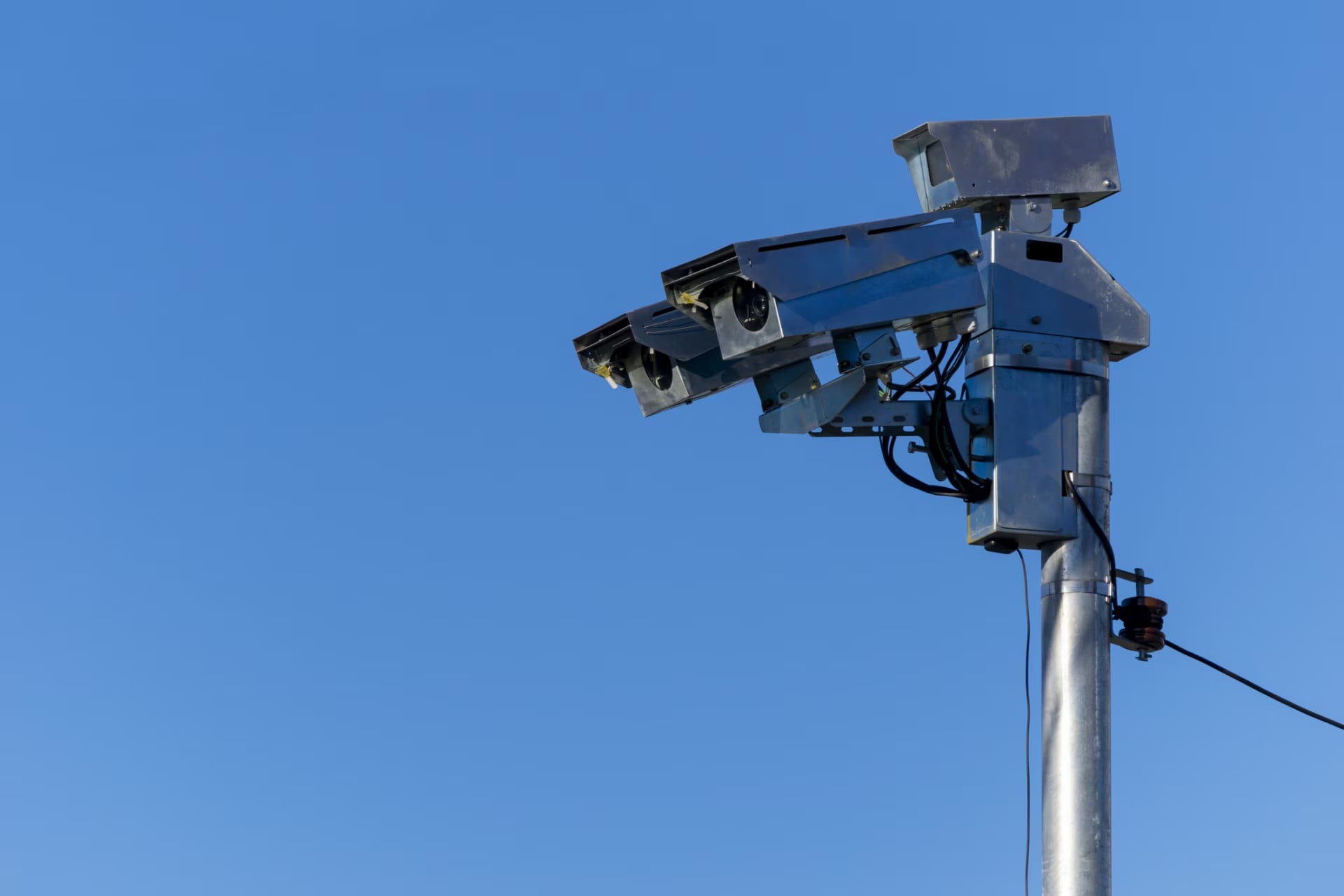
Instead of a single reading point, the system uses two or more. Cameras identify the license plate at the entrance and exit of the stretch and record the time of each passage. As the distance between the portals is known, it is enough to divide it by the time spent to obtain the average speed developed on the route.
The target is a known habit: braking in the meters that precede the fixed radar and accelerating again soon after. With the average, the driver needs to respect the limit from the beginning to the end of the stretch.
The data already collected in the country indicate an effect on behavior. On an 11-km stretch of BR-050, in Uberaba (MG), Eco Rodovias recorded a 22.5% drop in flagrant acts in the comparison between the 15 days before and the 15 after an educational blitz carried out with the PRF.
In São Paulo, six months of tests on four roads generated 852 thousand notifications without a fine, most of them on Avenida Jacu Pêssego, where the limit is 50 km/h and only 3 of the 26 km of the road were monitored. In Europe, where the system has been used for more than two decades, Italy recorded a 56% reduction in the mortality rate and Scotland, a 70% drop in deaths and serious injuries.
SEE MORE ABOUT

0 Comments
Comments are the sole responsibility of their authors and do not represent the opinion of this site. Comments containing profanity or offensive language will not be published. If you identify anything that violates the terms of use, please report it.