


Type B CNH now includes electrified vehicles previously restricted to higher categories
4,250 kg ceiling repeats the European level and unlocks electrified SUVs and pickup trucks that ran into the limit of category B in Brazil
By
João Paulo Profeta
Published on 2026-09-16 at 04:00 PM
Updated on 2026-09-16 at 06:44 PM
Published on 2026-09-16 at 04:00 PM
Updated on 2026-09-16 at 06:44 PM
Be the first to comment.
Summarize with:
Drivers licensed in category B can drive, since Monday (14), electric and hybrid cars with a Total Gross Weight (GVW) of up to 4,250 kg. The permission came with Law No. 15,503/2026, sanctioned without vetoes by President Luiz Inácio Lula da Silva and which made an exception of 750 kg to the traditional ceiling of CNH B.
The text modified the Brazilian Traffic Code (CTB) and does not change the general rule: for vehicles powered only by combustion, the limit remains at 3,500 kg of GVW. Above that, the requirement continues to be a license in category C or higher.
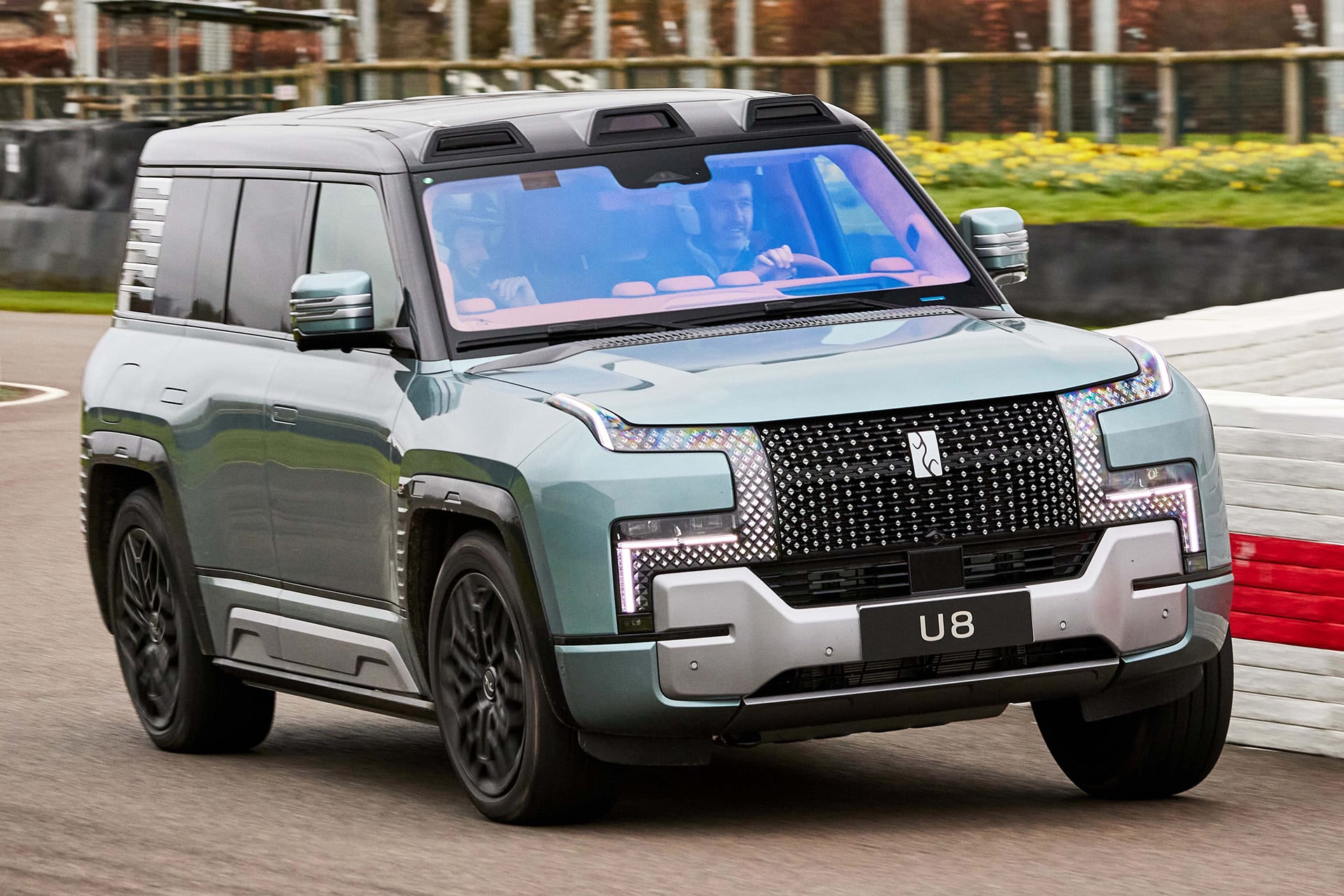
The change responds to a mismatch between the technology and a standard written in 1997, when electric cars were still a distant hypothesis in the Brazilian market. Battery packs weigh hundreds of kilograms, and large electrified SUVs and pickup trucks exceed 2.5 tons even before boarding passengers and luggage.
In practice, models already sold abroad ran into the limit of CNH B and were off the commercial radar of brands in the country.
What still depends on Contran
The flexibility does not reach all electrified vehicles. The law conditions the benefit to electric or hybrid vehicles with predominantly electric traction, an expression that does not yet have a closed technical definition.
The current reading in the sector is that mild hybrids, the MHEV, are left out, while PHEV and hybrids with a combustion engine used as a generator would be contemplated, but the framework will only become clear when the National Traffic Council (Contran) publishes the additional criteria provided for in the law itself.
Another point requires attention from the buyer: the GVW is not the weight of the empty car, but adds the tare weight to the maximum capacity, that is, passengers and cargo. The number that counts is the one registered in the Brazilian homologation of the vehicle, and not the weight disclosed in advertising material. While the regulation does not come out, the conference depends on the car’s document.
Rule follows the path already trodden in Europe
The limit of 4,250 kg was not chosen at random. It is the same level adopted by the European Union for alternative fuel vehicles, incorporated into the bloc’s new licensing directive, which came into force in November 2025 with the same justification: without the adjustment, the weight of the batteries would push ordinary drivers into professional categories with a license.
The change in the CTB hitched a ride on a credit law. Law No. 15,503/2026 was born from Provisional Measure 1,366/2026, reported by Deputy Amanda Gentil (PP-MA), and incorporated MP 1,359/2026, which allocated up to R$ 30 billion to the financing of new vehicles for app drivers, taxi drivers, cooperatives, and school transport professionals.
SEE MORE ABOUT

0 Comments
Comments are the sole responsibility of their authors and do not represent the opinion of this site. Comments containing profanity or offensive language will not be published. If you identify anything that violates the terms of use, please report it.