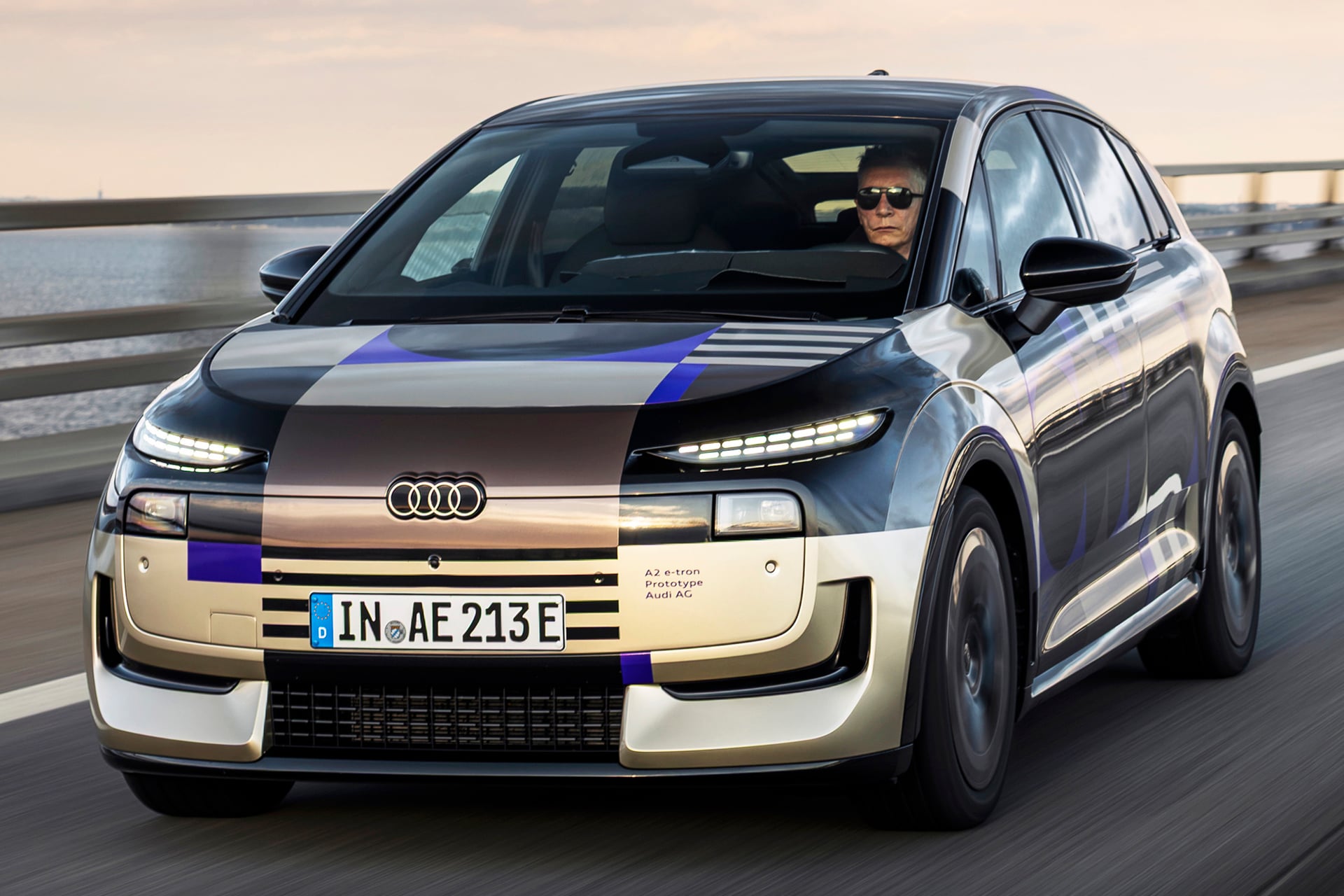
Audi says it has made the most efficient car in its history, and it is neither a sports car nor an SUV: it is a compact hatch for less than 40 thousand euros. The brand released on Tuesday (4) the first technical data of the A2 e-tron, which consumes 12.8 kWh for every 100 km driven in the European WLTP cycle.
There is a fine print: the number is preliminary and valid for the 190 hp version with the optional efficiency package, a set of aerodynamic refinements that, according to the manufacturer, cuts up to 0.9 kWh/100 km from consumption. Without it, the homologated range goes from 12.8 to 15.6 kWh/100 km.
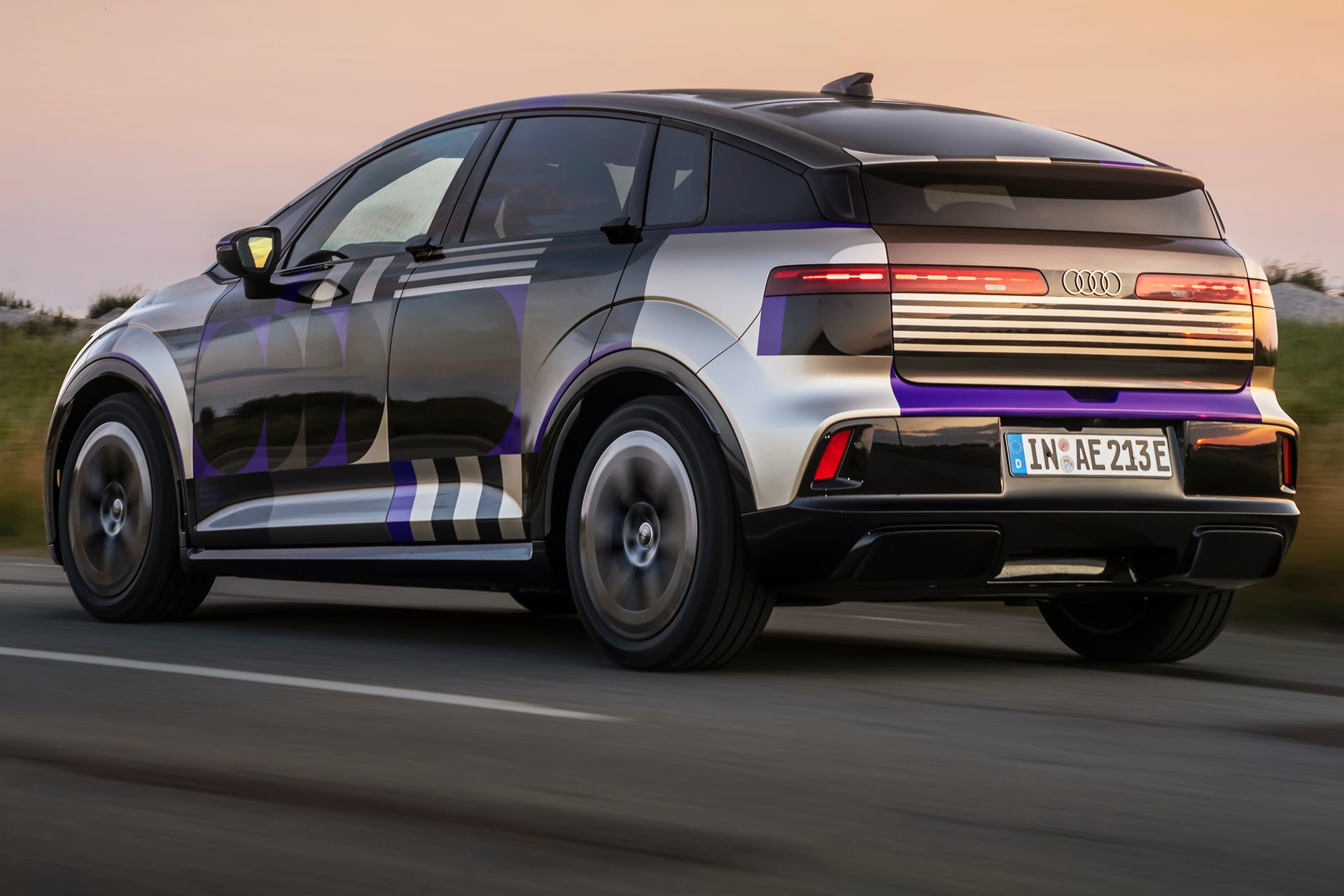
Aerodynamics is the heart of the project. The A2 e-tron has a drag coefficient of 0.24, the best among the brand’s compacts. On the sides, there are air curtains, channels that deflect air to reduce turbulence, and the so-called gap reducers, which narrow the gap between the tire and the fender. The front air intake is active: it is closed in normal use and only opens during recharging, in strong accelerations or on days of intense heat.
LFP battery and car as outlet
Photo: Audi | Disclosure
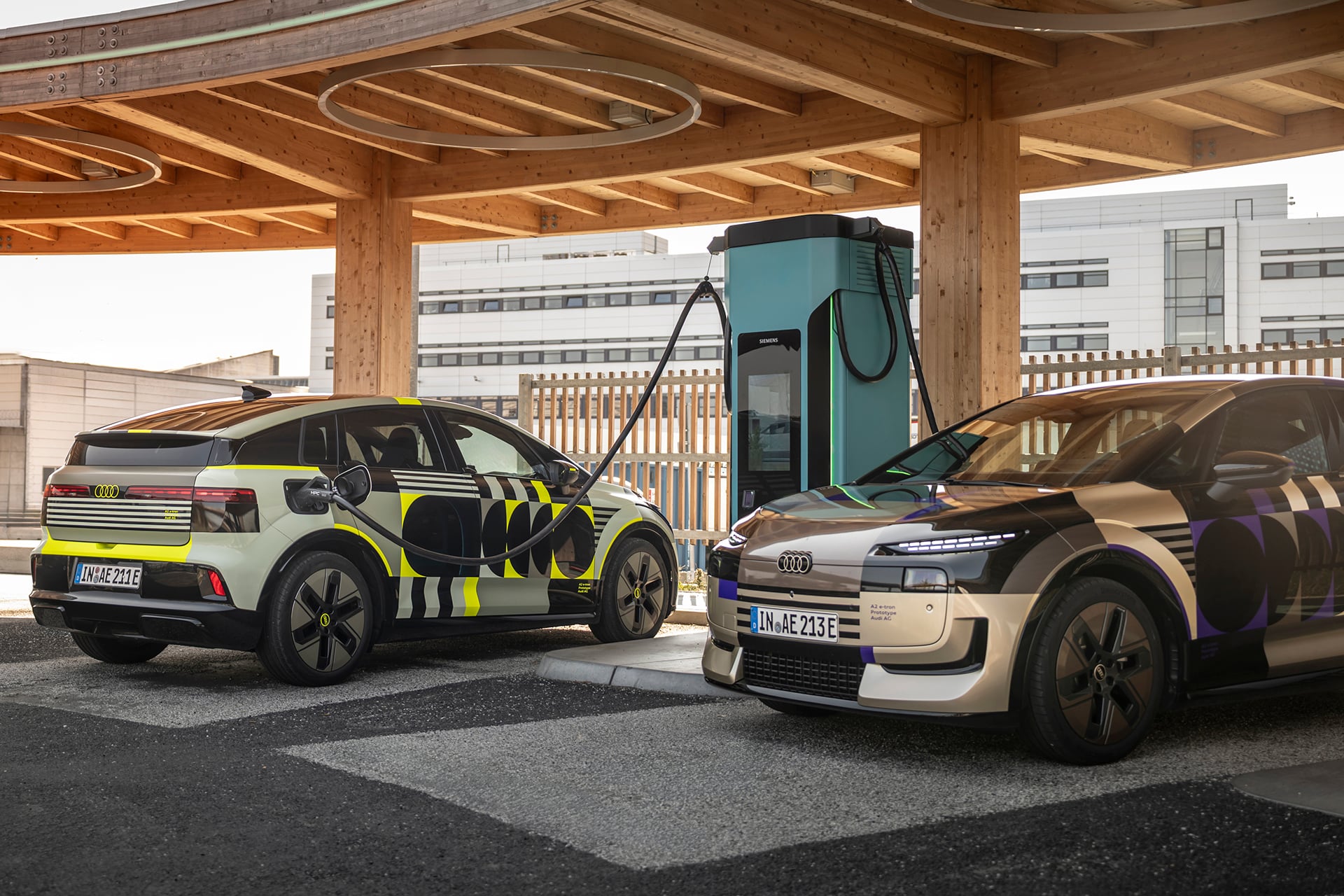
The 190 hp version uses a 61 kWh battery with lithium iron phosphate (LFP) cells in a cell-to-pack architecture, in which the cells are housed directly in the casing. The chemical dispenses with rare earths, ages more slowly and allows routine recharging up to 100%, something avoided in nickel batteries. With a specific cooling strategy, the recharging efficiency in the wallbox reaches 89.6%, says the brand.
The car also accepts bidirectional recharging: the Vehicle-to-Load function powers external appliances and Vehicle-to-Home transforms the electric into a home battery, which is restricted to Germany, Austria and Switzerland at launch. Silicon carbide semiconductors, new stator winding, and low-friction oil make the powertrain up to 10% more efficient.
The name that came back
Photo: Audi | Disclosure
“The A2 has been a constant in my career since I joined the Volkswagen Group in the 1990s. Already at that time, the three-liter version made efficiency its hallmark,” said Gernot Döllner, president of Audi. The reference is to the A2 1.2 TDI, which consumed 3 liters of diesel per 100 km. Launched in 1999, the original A2 had an aluminum body and weighed less than 900 kg, but it was expensive to produce and was discontinued in 2005 as a commercial failure.
Produced in Ingolstadt and technically close to the Volkswagen ID.3 Neo, the new A2 will be Audi’s cheapest electric car, starting at 38,200 euros. There are four power levels, from 170 hp to 326 hp, all rear-wheel drive, with an announced maximum range of 649 km in WLTP. The world premiere is scheduled for September.
Comments are the sole responsibility of their authors and do not represent the opinion of this site. Comments containing profanity or offensive language will not be published. If you identify anything that violates the terms of use, please report it.