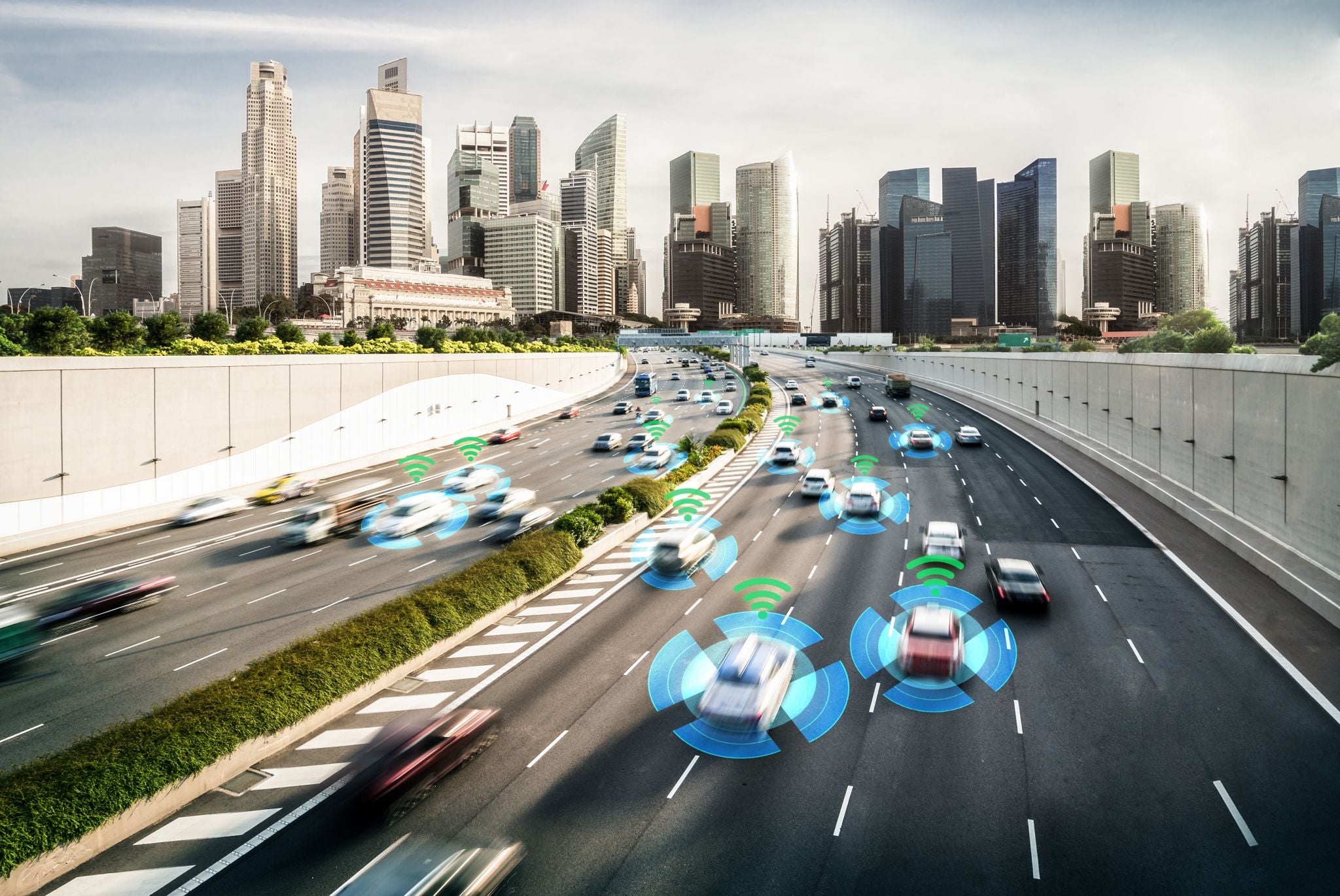
Electronic driver assistance systems have been developed to increase safety and reduce stress behind the wheel. However, a survey released by the British publication Auto Express revealed that these features are becoming a growing source of irritation for many drivers.
Among the most criticized equipment are lane keeping assistants, involuntary lane departure alerts, driver monitoring systems and voice commands. Many users consider warnings excessive, invasive or triggered in unnecessary situations, generating discomfort while driving.
The phenomenon is not exactly new. Previous studies have already pointed out that prolonged coexistence with semi-autonomous technologies can create overconfidence in the systems or, at the opposite extreme, fatigue caused by the number of alerts issued by vehicles. Researchers have identified that some drivers end up reducing their level of attention to traffic by relying excessively on electronic assistants.
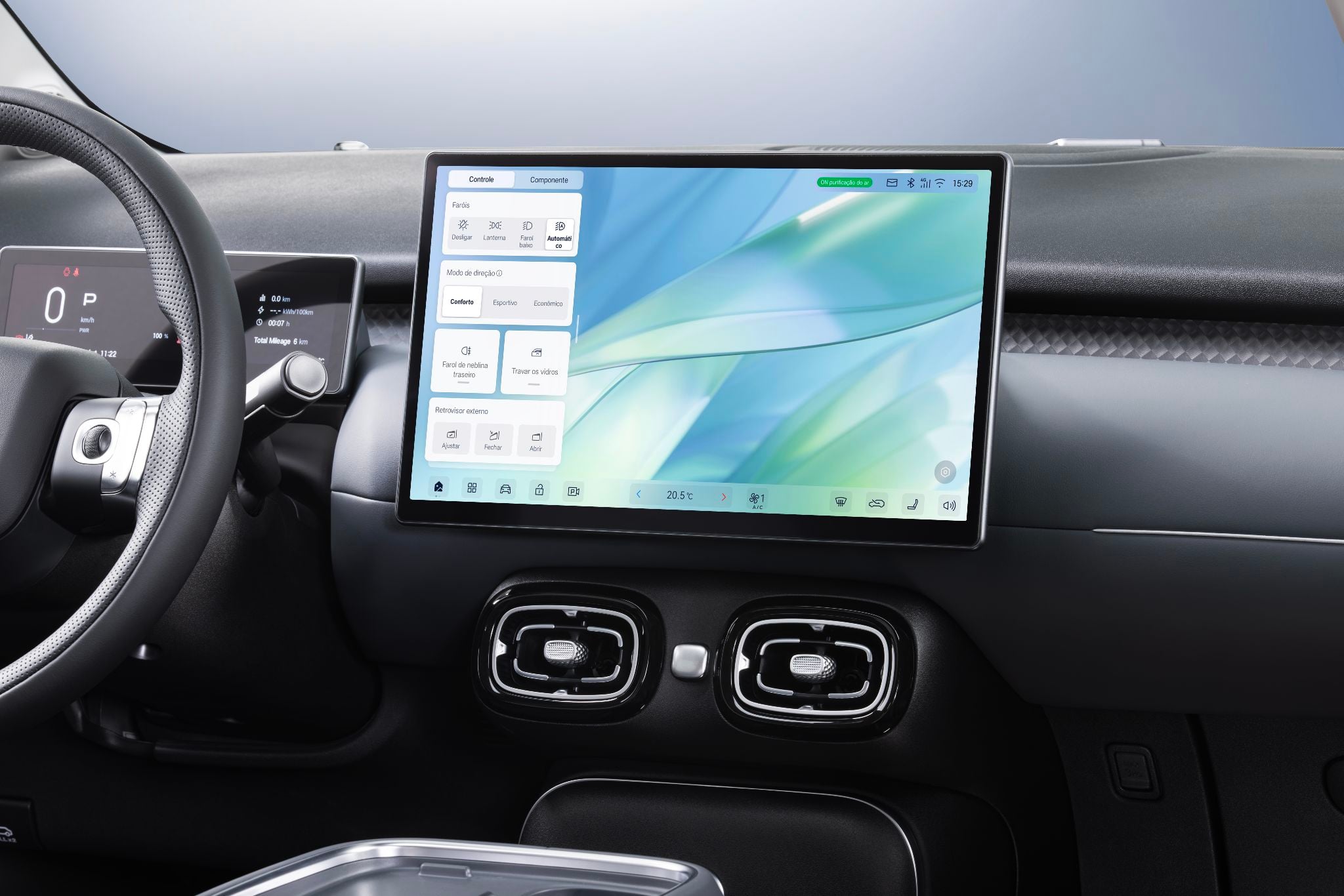
Commands concentrated on the screen reduce production costs, but compromise access to features (Photo: GAC | Disclosure)
Another point of dissatisfaction is related to the digitalization of commands. Functions previously activated by physical buttons now depend on touch screens, forcing the driver to look away from the road to perform simple tasks. The trend has been so questioned that European security entities have started to encourage the return of physical controls to essential functions.
Despite the complaints, experts point out that assistants continue to play an important role in preventing accidents. The challenge for automakers is to find a balance between technology, practicality and user experience, making the systems less intrusive and more intuitive for drivers.
Comments are the sole responsibility of their authors and do not represent the opinion of this site. Comments containing profanity or offensive language will not be published. If you identify anything that violates the terms of use, please report it.