


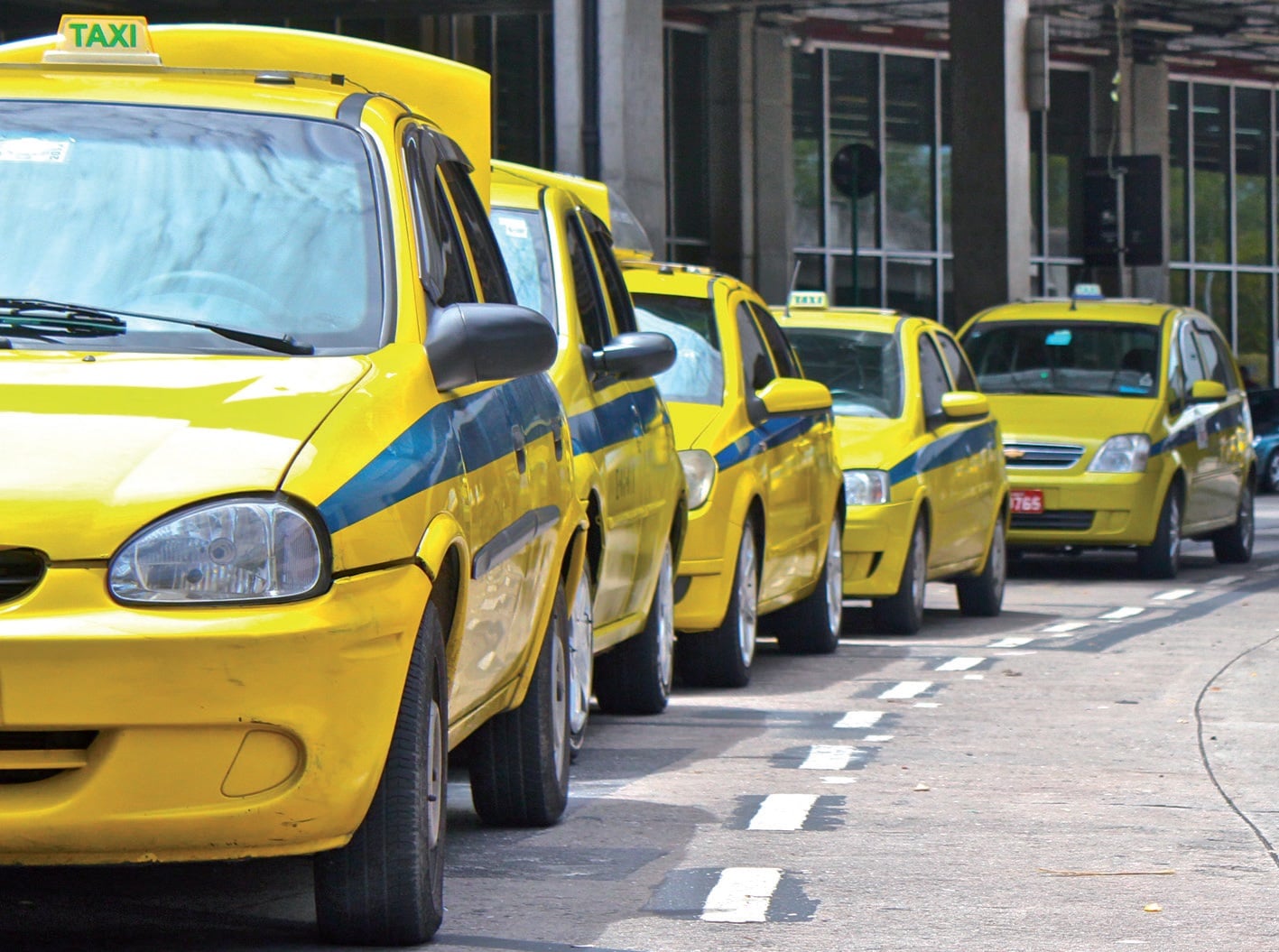
App drivers and taxi drivers can have exclusive lane and right to stop
Bill under analysis in the Chamber amends the Traffic Code to authorize the use of bus lanes and regulate the boarding and disembarking of passengers
By
Julia Vargas
Published on 2026-08-03 at 12:00 PM
Published on 2026-08-03 at 12:00 PM
Be the first to comment.
Summarize with:
A new Bill under analysis in the Chamber of Deputies promises to change the work dynamics of taxi drivers and app drivers, in addition to also impacting those who use these services. PL 1.992/2026, presented by federal deputy Vanderlan Alves (Solidarity-CE), proposes changes to the Brazilian Traffic Code (CTB) to grant new operational guarantees to taxi drivers and private paid transport platforms by app (such as Uber and 99).
The proposal seeks to adapt traffic legislation, establishing clear rules for the boarding and disembarking of passengers and authorizing the traffic of these vehicles in exclusive lanes intended for public transport.
SEE ALSO:
- Move Brasil Taxi and Apps Program: what it is, advantages and how to participate
- Engine oil additive is a trap
- These are the 7 most iconic taxis in the world
In the justification of the project, the author points out that the guarantee of stopping in places close to the destination brings direct benefits to users of the system, especially the elderly, people with disabilities (PCD) and citizens with reduced mobility.
Another argument presented is the reduction of travel time in large urban centers. The release of exclusive lanes aims to increase the efficiency of commuting, boosting daily productivity and quality of life in cities.
What does Bill 1,992/2026 provide?
The legislative proposal brings two structural changes:
- Free Stop Guarantee: Ensures taxis and app vehicles the right to make stops for boarding and disembarking passengers during the effective provision of the service.
- Use of exclusive bus lanes: Authorizes these vehicles to circulate on roads and corridors intended for public transport, under prior technical regulation.
Proposed changes to the Brazilian Traffic Code (CTB)
To ensure legal validity to the measures, the matter amends two provisions of the CTB:
- Inclusion in Article 29: It classifies taxis and app cars in active service as vehicles providing public utility services. The change guarantees free stopping for boarding and disembarking, as long as the maneuver does not compromise the flow of traffic, road safety or the signage of the place.
- Flexibility of Article 184: Exempts drivers covered by the bill from the penalties applicable to circulation in exclusive traffic lanes, as long as they are effectively transporting passengers and respect future regulations.
Regulation will depend on Contran and municipal agencies
The authorization to transit in bus lanes will not be immediate or unrestricted. It will be up to the National Traffic Council (Contran) to regulate the national conditions for the application of the measure. The body will define:
- Schedules, speed limits and operating conditions;
- Technological requirements and necessary inspection systems;
- Safety parameters to preserve the structural priority of urban public transport.
In addition, the text establishes that local traffic authorities (such as municipal secretariats) will maintain autonomy to impose technically justified restrictions on roads under their jurisdiction.
Procedure and deadlines
PL 1.992/2026 is awaiting an order from the Presidency of the Chamber of Deputies to define the thematic committees where it will begin its processing. If approved by both Houses of the National Congress and sanctioned by the Presidency of the Republic, the future law will come into force within 120 days of its official publication.
SEE MORE ABOUT

0 Comments
Comments are the sole responsibility of their authors and do not represent the opinion of this site. Comments containing profanity or offensive language will not be published. If you identify anything that violates the terms of use, please report it.