

Almost half of British drivers would consider buying a Chinese car
Chery's recognition jumped from 16% to 50% in one year, and the Chinese already account for 15% of the country's licenses
By
Júlia Haddad
Published on 2026-08-31 at 09:00 PM
Published on 2026-08-31 at 09:00 PM
Be the first to comment.
Summarize with:
Almost half of the drivers heard by the British platform Carwow say they would consider buying a Chinese brand car. That’s 49%, compared to 35% in January this year and 24% in the first half of 2023. In three years, the number has doubled.
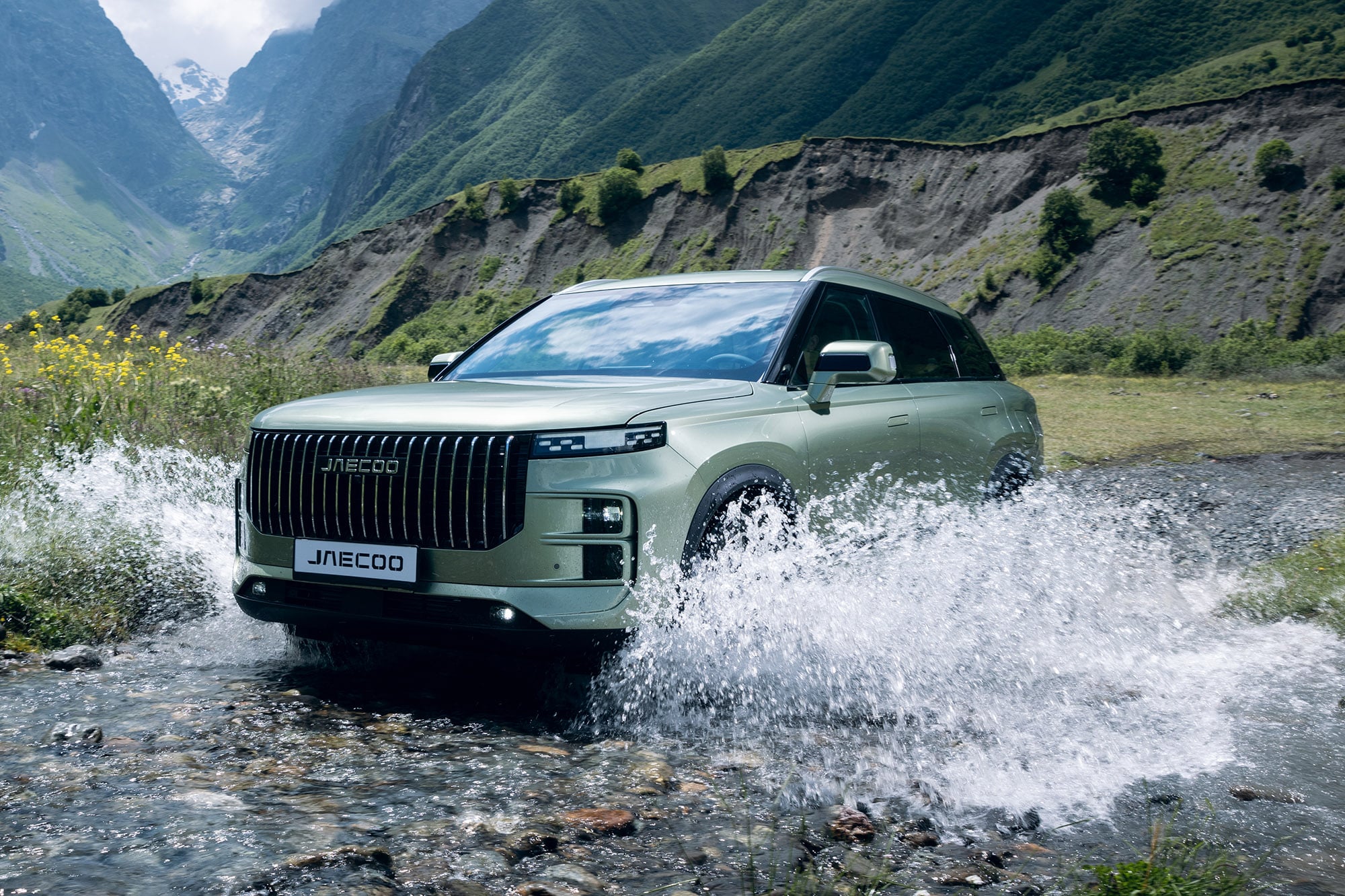
The most revealing data from the survey, however, is not purchase intention: it is brand recognition. Chery jumped from 16% to 50% awareness among respondents in just one year. Jaecoo went from 46% to 69%, and Omoda, from 42% to 57%. BYD leads, with 71%. Xpeng, which appeared to 8% of drivers in 2023, reached 20%. And the share that did not recognize any Chinese brand on the list fell from 23% to 16%.
In July, the five fastest growing brands were Chinese
The interest has already turned into a sale: Chinese brands accounted for about 15% of new car registrations in the United Kingdom in the first half of 2026. In July, for the first time, the five brands that grew the most in volume in the country were all Chinese newcomers — until then, there was always at least one traditional in the group. The Jaecoo 7 entered the list of the best-selling cars of the year.
At Carwow itself, queries for Chinese models grew 119% in the first seven months of 2026 over the same period in 2025. Chinese brands went from 14% to 30% of sales contacts generated by the platform. The offer followed: there are more than 50 configurable Chinese models on the site, compared to 30 in August last year.
Price explains part, not everything
Among those who would consider a Chinese brand, 42% cite value for money as the main reason, up from 36% in the first half of the year. Another 24% expect to find competitive discounts. For Ben Carter, Carwow’s director of customers, marketing and media, the change goes beyond the pocketbook: buyers would be abandoning brand loyalty in exchange for technology and more cars for the same money.
Long-term rental helps. One in five drivers on the platform, or 21%, uses leasing, and those who buy electric are almost twice as likely to opt for this modality.
The regulatory scenario also weighs. The European Union applies extra tariffs on electric vehicles manufactured in China; the United Kingdom does not. On July 2, the British government reported that the Trade Remedies Authority had not yet opened an investigation into Chinese electric vehicles, although it was still evaluating possible measures.
It is worth saying what the number is and what it is not: the survey heard 1,270 users of Carwow itself and measures willingness to consider, not purchase decision. For Steve Walker, from the Auto Express website, the movement repeats what the Japanese and Koreans did in the country in previous decades, with the Chinese competing in cost-benefit and putting pressure on established brands.
SEE MORE ABOUT

0 Comments
Comments are the sole responsibility of their authors and do not represent the opinion of this site. Comments containing profanity or offensive language will not be published. If you identify anything that violates the terms of use, please report it.