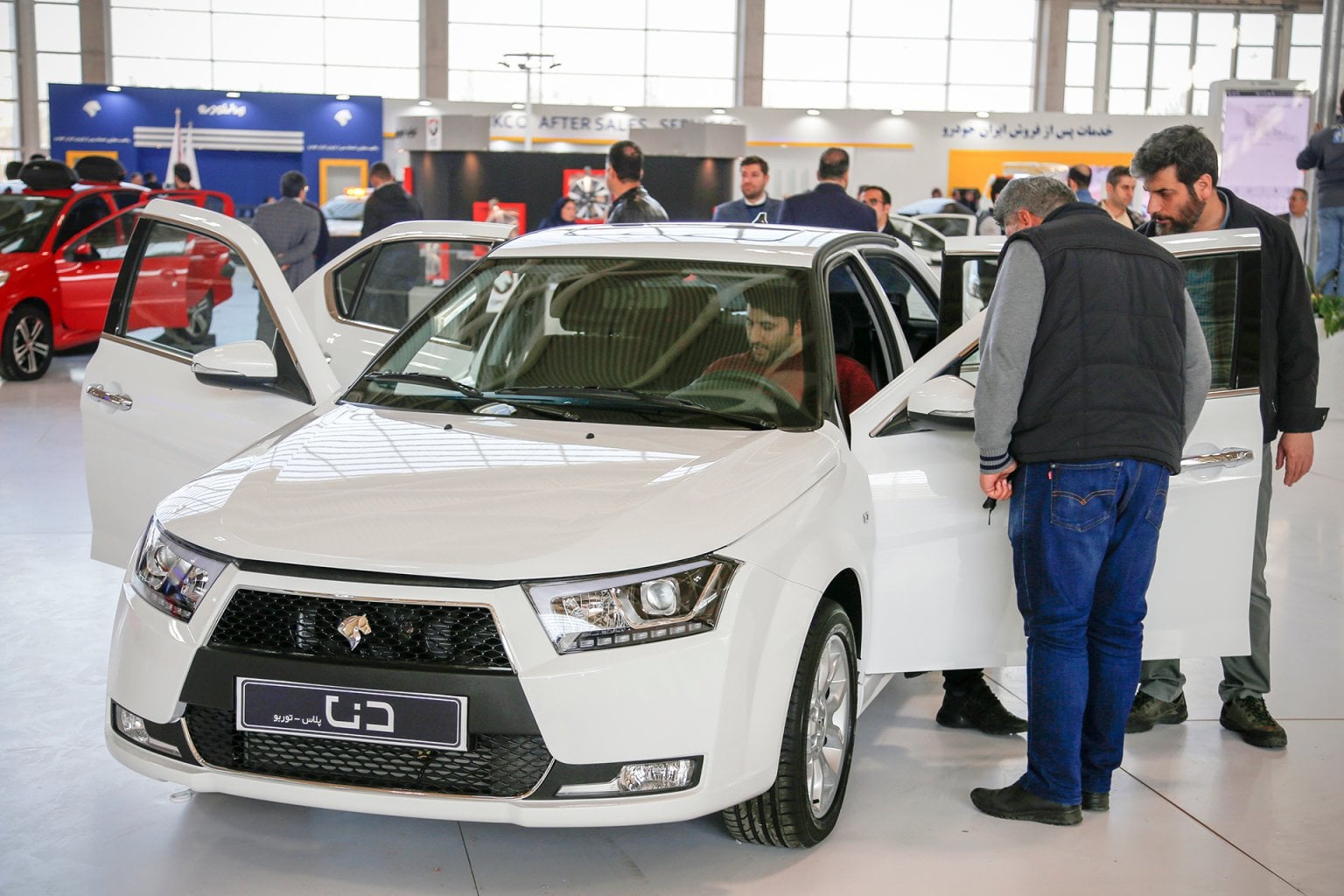
In Iran, a brand new car can cost the equivalent of R$ 22 thousand. The problem is to get to it: this price is only valid for those who are drawn in a state vehicle lottery.
The Iranian market works with two parallel tables. The first is the factory price, set by the government below the market to keep cars affordable at least on paper. As the demand for these values is enormous, the State created a national lottery: the citizen registers online, often in advance The second is the open market, in which the same car is worth much more.
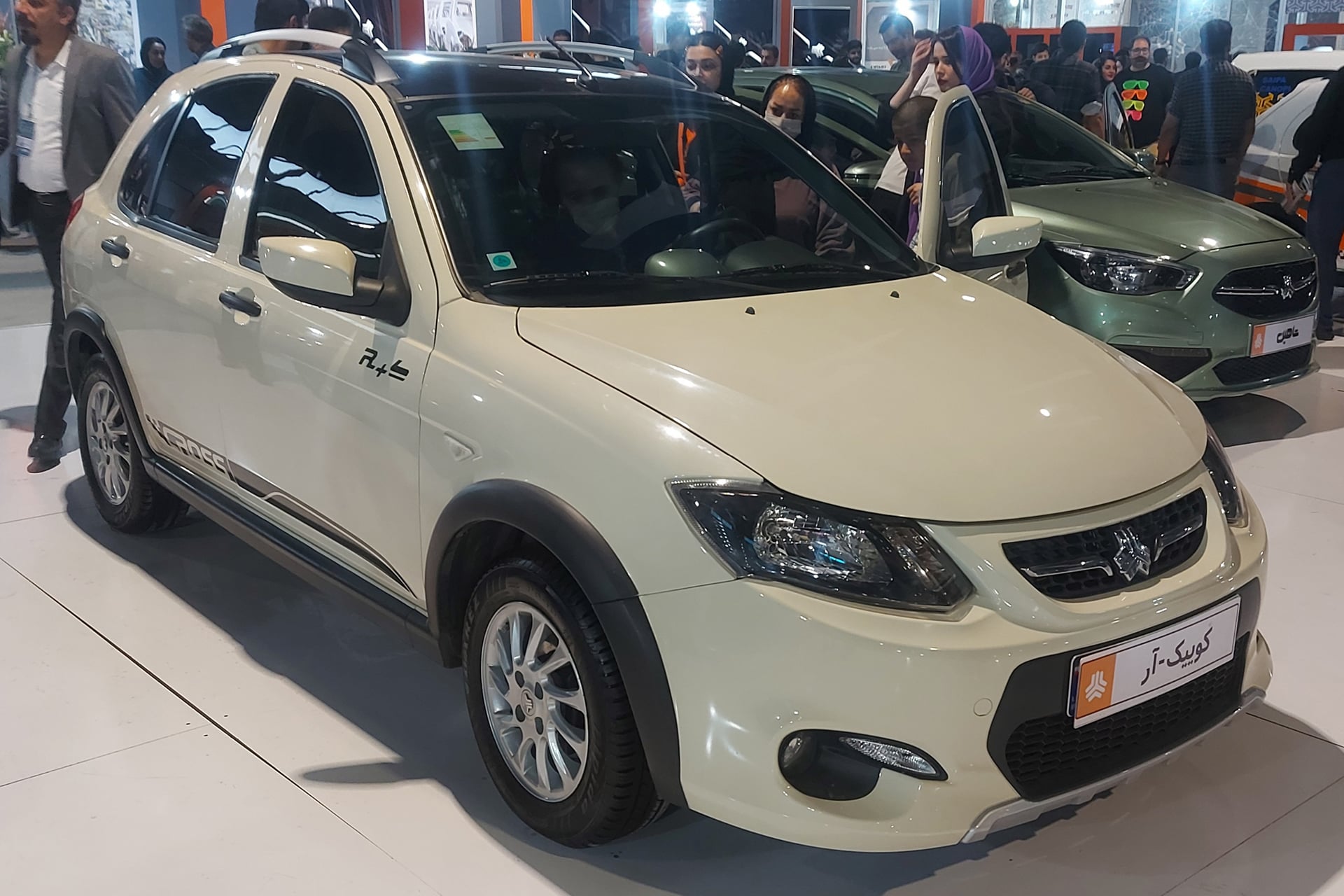
It is through this path that the Saipa Quik S, an 88 hp compact derived from the old Kia Pride platform, reaches the equivalent of about R$ 22 thousand for those drawn.
Imported goods cost three times the price of neighbors
At the other end, imported goods have become a luxury item. Only a handful of state-linked companies and intermediaries can bring vehicles, and the combination of taxes can inflate the final price by up to 200%, according to an Al Jazeera report published in mid-September. A 2026 Toyota Land Cruiser VXR costs around R$ 1.47 million there – the same model costs around R$ 440 thousand in the United Arab Emirates.
Car has become a store of value
With the local currency falling, the Iranian no longer sees the car as a depreciating asset: it has become a hedge against inflation, on the same shelf as gold. Al Jazeera followed the case of an office worker with a modest income, owner of an old manual Peugeot 206 valued at about R$ 22.3 thousand. Changing it for an automatic 207 would cost about R$ 62.3 thousand: more than 20 months of full salary, even if he sold the old car.
The national ones also weigh: the Shahin sedan costs around R$ 69 thousand and the Reera crossover exceeds R$ 95.7 thousand. The ongoing war has aggravated the situation: also according to Al Jazeera, national cars have risen from 40% to 80% since the beginning of the conflict, and some models have exceeded 130% of the value of September 2025.
For comparison, the cheapest zero-kilometer in Brazil, the Fiat Mobi Like, starts at about R$ 80 thousand — more than the Iranian Shahin. The difference is that, here, no one needs to be drawn to have the right to pay.
Leftovers from Kia, Toyota and Peugeot
Saipa Quik (Photo: Wikimedia | Reproduction)
The three models summarize the recent history of Iranian industry. The 2017 Saipa Quick is the oldest in spirit: it uses the X200 platform, a descendant of the 1986 Kia Pride — a cousin of the Mazda 121 and the Ford Festiva. Made under license as Saipa Pride, the car has gone from 7 million units in 27 years and has become synonymous with popular in the country.
The Shahin tries to turn that page. Presented in 2018 as Roham and produced since the end of 2020, it is Saipa’s first sedan on a platform designed inside Iran, albeit derived from the base of the Toyota Yaris. It has 112 hp and 18,1 kgfm.
The Reera, on the other hand, was born an orphan. When Peugeot left the country after the return of American sanctions in 2018, two unfinished projects remained: one became the Tara sedan, based on the 301; the other, the Reera crossover , derived from the 2008. Iran Khodro presented it in 2022 and only started producing it in 2024, with 162 hp and 24,5 kgfm.
Comments are the sole responsibility of their authors and do not represent the opinion of this site. Comments containing profanity or offensive language will not be published. If you identify anything that violates the terms of use, please report it.