First of all, a confession: my daily use car has a V6 under the hood, as I have always been and continue to be personally in love with an aspirated “V” block, full of torque at any rpm and with that delicious sound coming from two rear pipes fed by six (eight or twelve) cups.
But, passion aside, the electric car has already overcome the trend or fashion phase. Electrified vehicles are increasingly seductive. They cost less per km driven. They have more affordable maintenance, reduced emissions, a quiet ride and phenomenal torque. Increasingly lighter battery and offering greater range — and costing less and less (thanks to the Chinese).
There are still those who defend the permanence of the combustion engine in premium sports cars. A more demanding market, which does not bow to disruptive novelties and insists on traditional technology. Should it be kept in future models from iconic brands like Ferrari, Porsche or Aston Martin? Maybe.
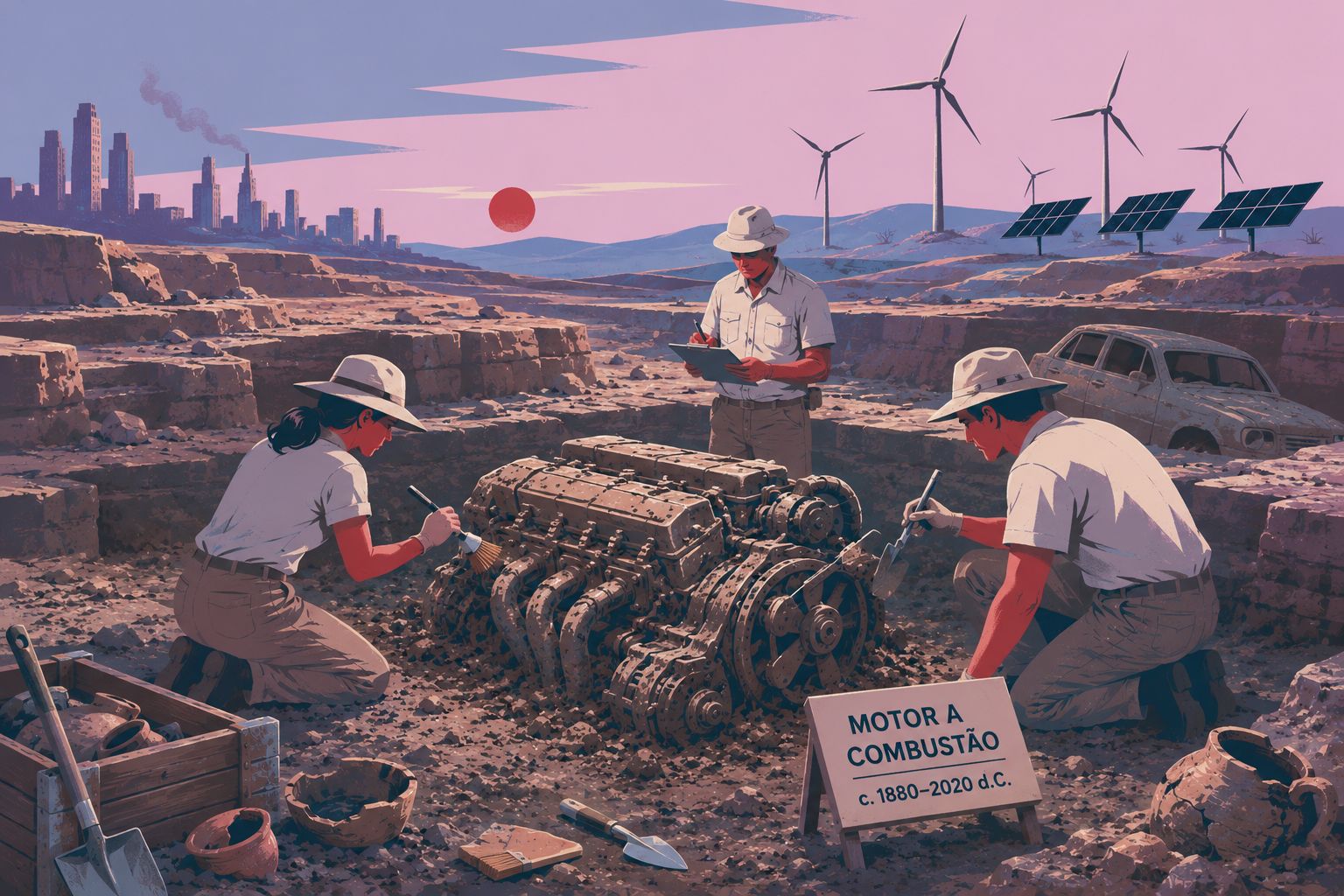
But, if the requirement is performance, the electric does not leave anything to be desired, as it offers the same (or better) torque than the traditional combustion engine. Although performance is not limited to engine power (which has already exceeded 1,000 hp in some electric cars!): suspension, steering and brakes also count. But, in the end, the cult of the past has a defined place: museums and collections.
Efficiency is the watchword!
However, none of these considerations — nor do the proponents of electric — take into account what is perhaps the most important guiding thread to define electric as the car of the future: efficiency.
We will not even stick to the predictions of burying fossil fuel for lack of fossil fuel in the depths, which has already been – falsely – announced countless times. What should lead vehicular mobility to adopt electricity as a future source of energy is its efficiency.
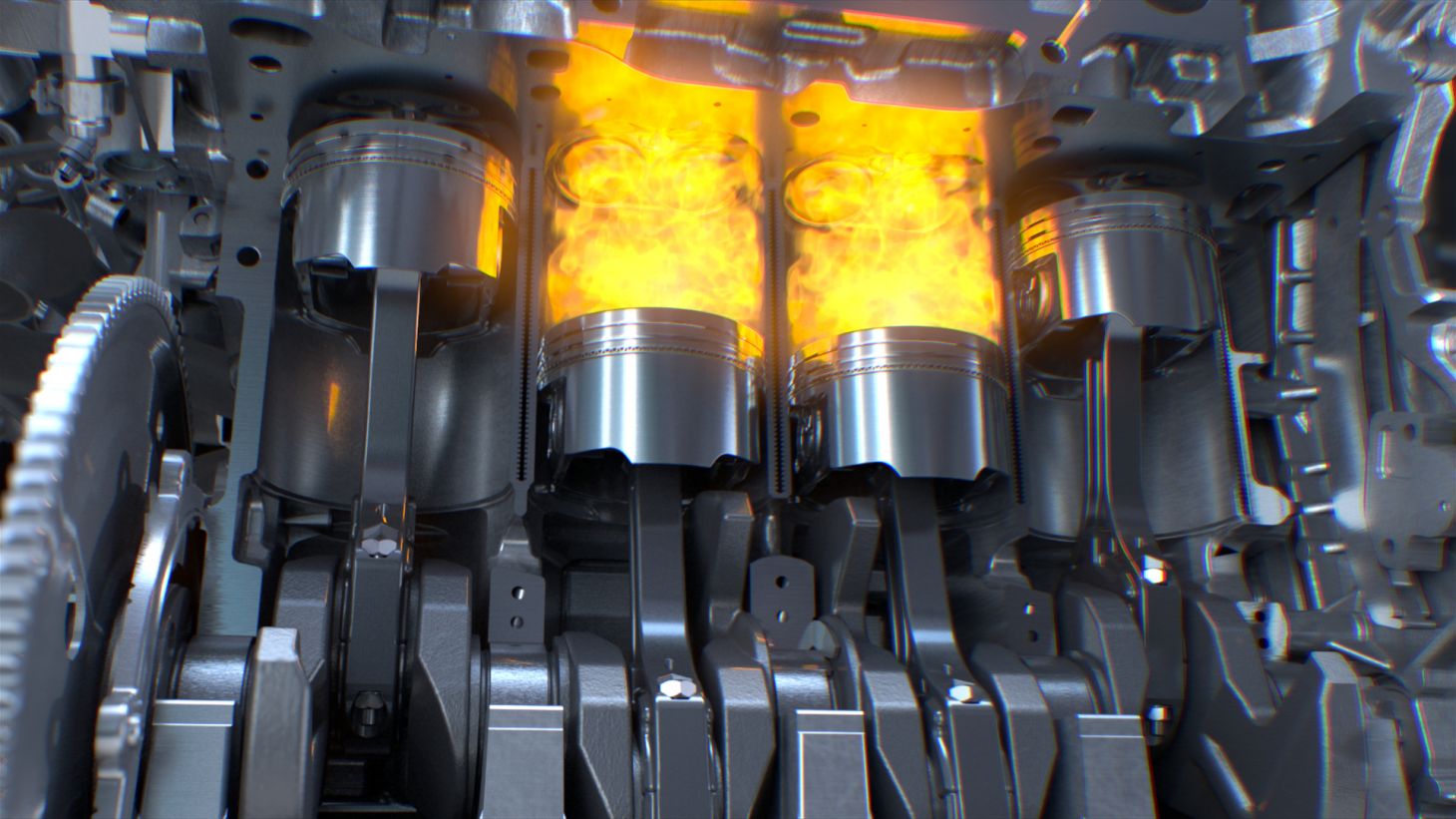
Strictly speaking, the combustion engine should have been in the museum for a few decades, such is its inefficiency. It still appeals – emotionally – to car enthusiasts (like me), but it doesn’t make any sense for a machine that loses 60% to 70% of the energy contained in the fuel in the tank in friction and heat and still pollutes the environment with emissions. In fact, because they are also developing hybrid cars, the Chinese are reaching efficiency percentages in gasoline engines considered unattainable: BYD with 46% and Dongfeng with 48%.
There are those who say – ironically – that the combustion engine is one of the best heat-generating machines (…), with its dozens of parts rubbing against each other.
While current Otto or Diesel cycle engines transform only 30% to 40% of the chemical energy they receive from the tank into mechanical energy, the electric motor delivers about 90% to 95% of what it receives to the wheels.
‘There are those who say – ironically – that the combustion engine is one of the best heat-generating machines’ (Photo: Shutterstock)
Third phase of the electric car
Of course, there are still obstacles for the electric car: cost and weight of the battery, sensitivity to temperature variations, charging points, resale value and others. They are being overcome with unexpected speed. After all, the third (and current) phase of the electric arrived just over ten years ago. But many ignore that the first ones ran at the end of the nineteenth century, even before the gasoline-powered ones, and only lost the war to liquid fuel for exactly the same reason that prevails to this day: the limited range of the battery.
In fact, women – at the time – hated the arrival of the gasoline car: they had no “muque” to start the engine (with a crank…) and had a horror of the stench of exhaust.
The electric took almost 150 years to impose itself, but it arrived irreversibly. If it were not for other reasons, for its unsurpassed thermal efficiency.
Comments are the sole responsibility of their authors and do not represent the opinion of this site. Comments containing profanity or offensive language will not be published. If you identify anything that violates the terms of use, please report it.