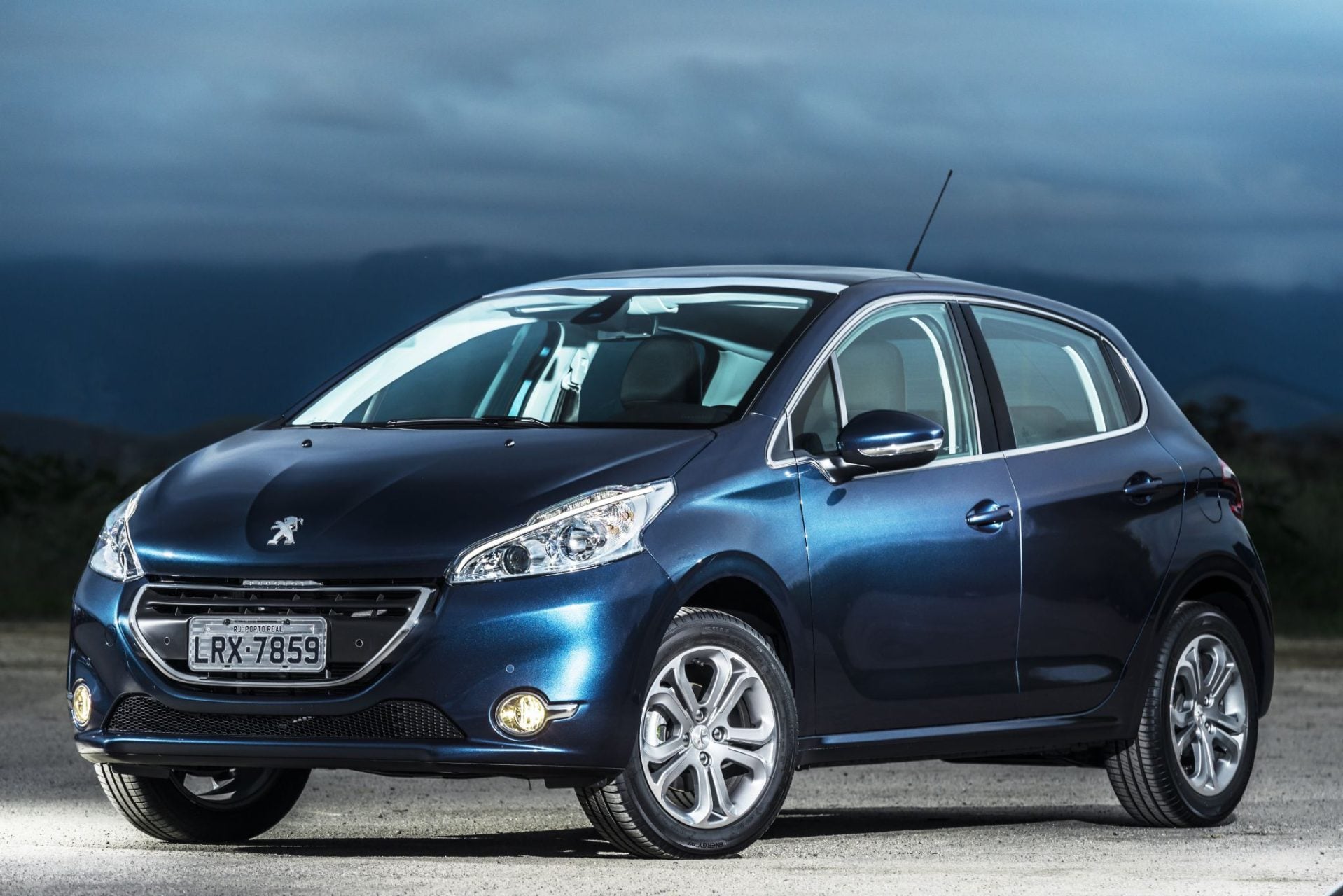
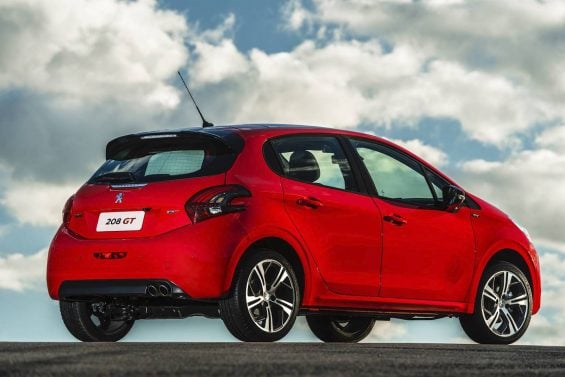
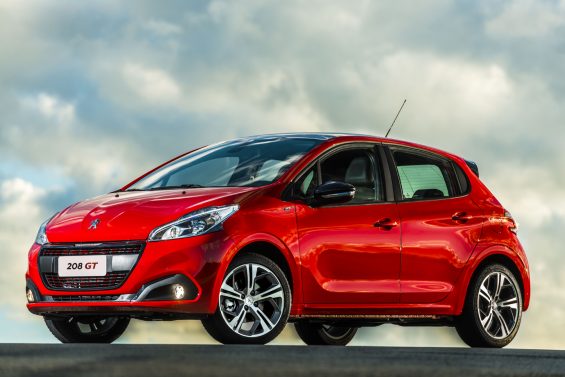
Peugeot has always stood out for the design of its cars, loaded with personality and the first 208, sold between 2013 and 2020, was a practical example. The car brought unconventional style to the segment, something that also marked its predecessors 206 and 207.
But the hatch is far from being just a pretty car. The Peugeot 208 still has qualities in handling and interior finish. Apart from the fact that this initial generation of the compact hatch still had a fun sports variant.
Let’s now go to the 9 facts about the Peugeot 208 years 2013 to 2020.
1. Trajectory of the Peugeot 208
The first generation of the Peugeot 208 was launched in Europe in 2012 and arrived in Brazil in 2013. Produced at the plant of the then PSA Peugeot Citroën in Porto Real (RJ), it drew attention precisely for its striking design, but also for its experience behind the wheel.
The Peugeot 208 replaced the 207, but with a completely new design, a more modern platform and in line with the European standard. The PF1 architecture received structural reinforcements and acoustic insulation improvements, which raised the level of refinement and handling of the hatch.
Throughout its history, the 208 received several versions – Active, Allure, Griffe, Sport and the sporty GT – in addition to 1.2, 1.5 and 1.6 engines. With the 1.2 Puretech three-cylinder imported from France, the hatch became the most economical car in the country by the PBEV cycle.
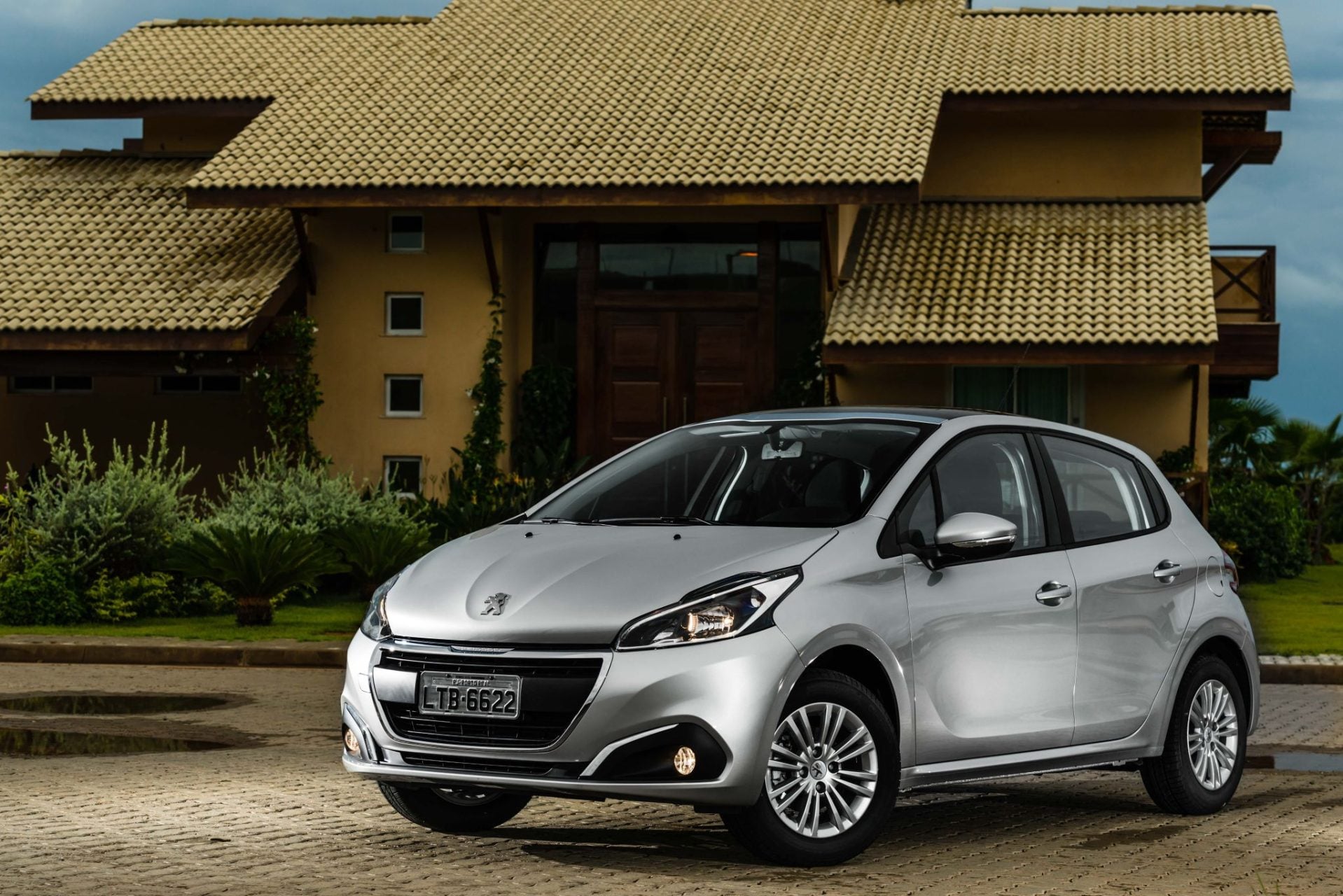
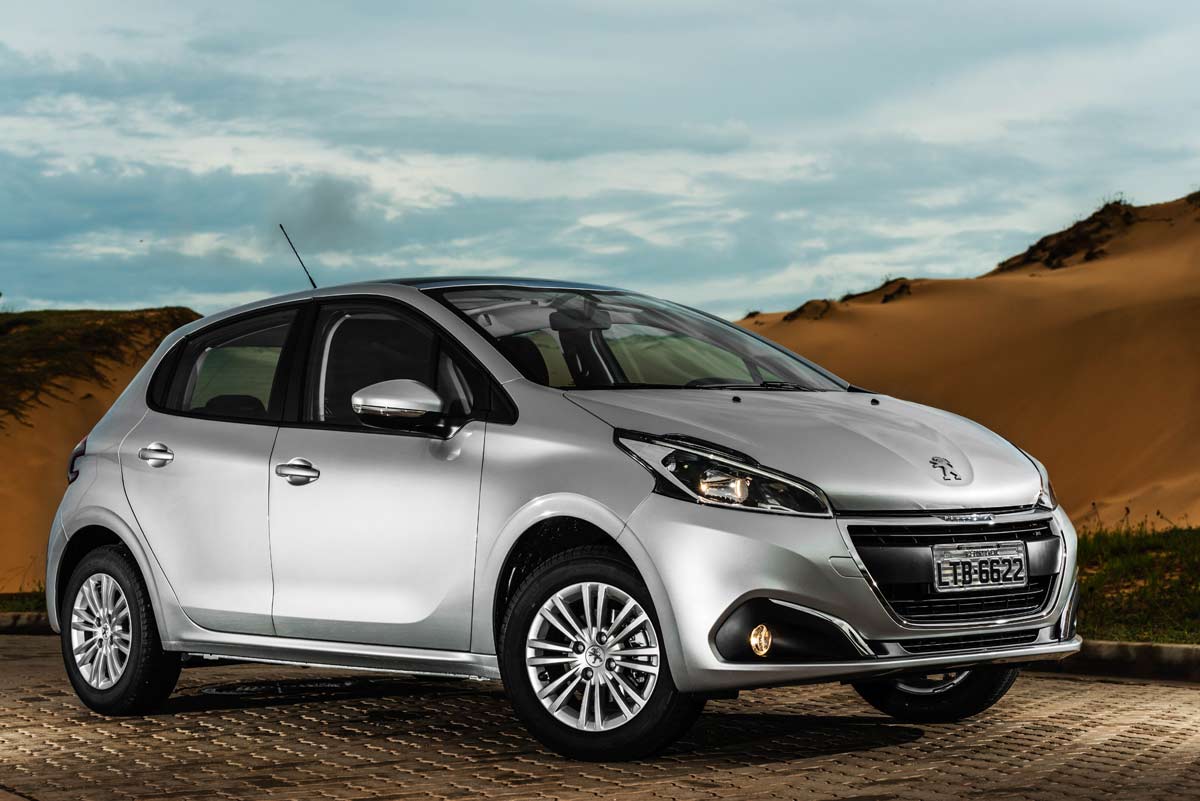
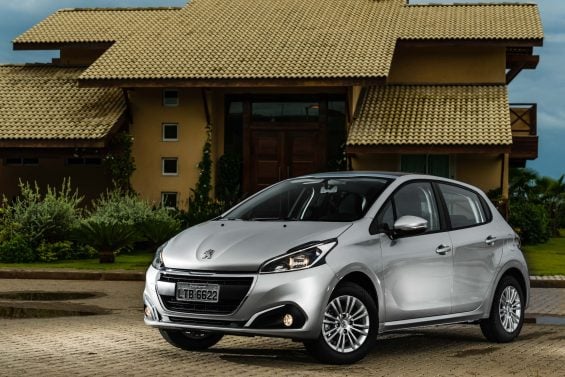
In 2016, it underwent a restyling that updated the grille, bumpers and equipment. In the momentum, the Peugeot 208 debuted new configurations, including the GT with a turbo engine. After that, the compact still had series, such as inConcert and Urbantech.
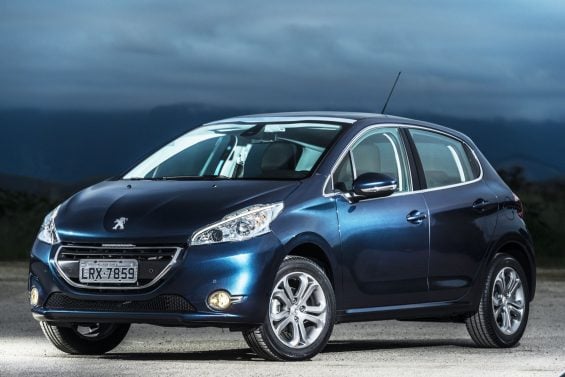
First ‘wave’ was from 2013 to 2016Compact underwent a discreet face-lift in 2016
In 2020, the “old” Peugeot 208 was no longer made in Brazil. The second generation of the car was launched in September of that year, but imported from Argentina.
2. Distinctive design
The design was one of the most praised points since the launch of the 208. The fluid lines, the front with a striking grille and the taillights with a shape inspired by “lion’s claws” gave the 208 a strong and modern visual identity.
The proportions also helped: 3.96 meters long and 1.73 m wide reinforce a bolder proposal. In other words: a set that conveys sportiness and elegance, far from the commonplace of compact hatches of the time.
3. Interior Finish
In the Brazilian market, the model stood out for its “higher” positioning among hatches, but not only for its elaborate design. The good equipment package and the superior finish to rivals also contributed to it being inserted in that so-called “premium” compact category.
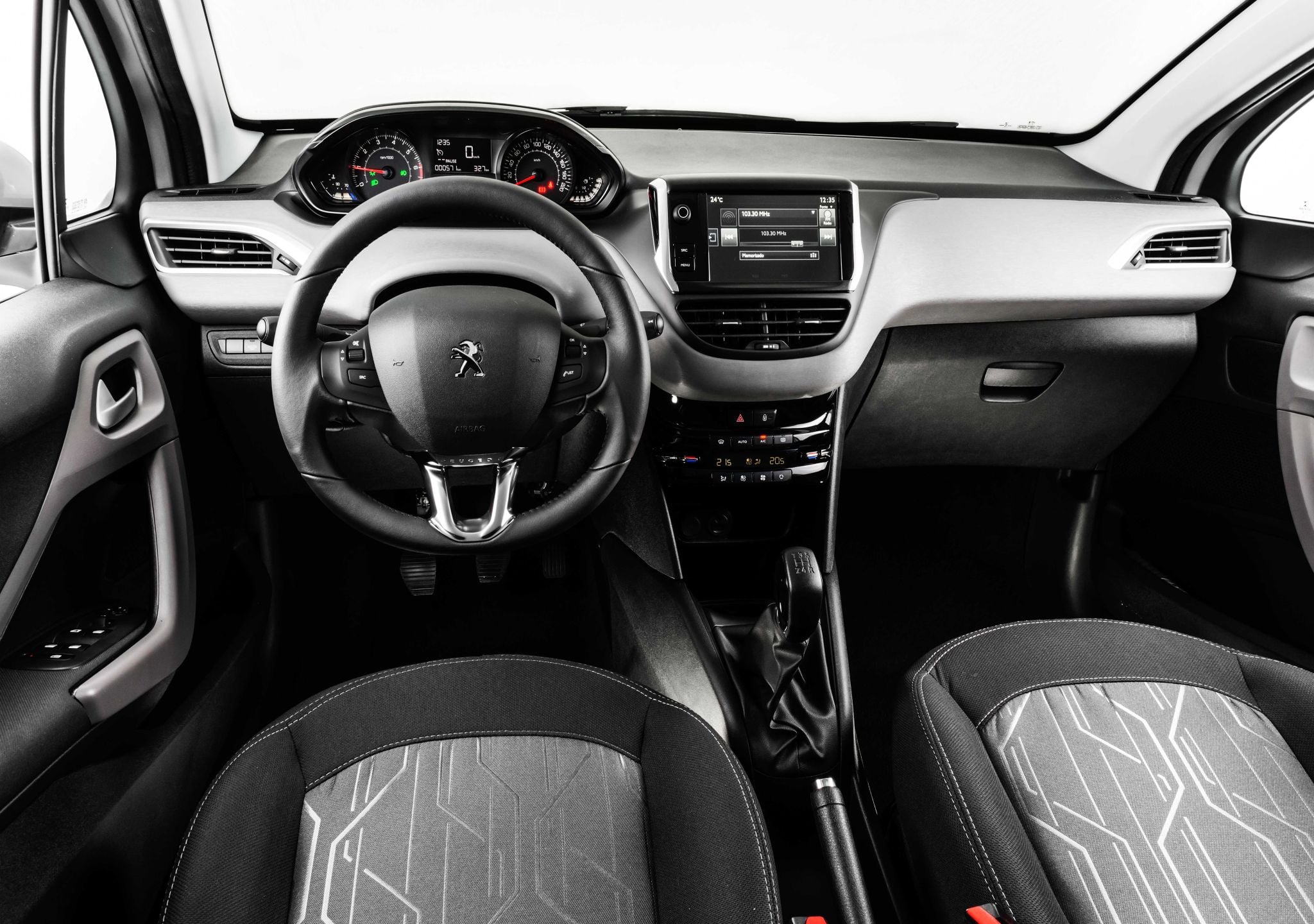
The interior of the 208, in fact, is kind of considered a watershed in the segment. It was with it that Peugeot introduced the i-Cockpit, with a raised instrument panel and small steering wheel detached from the dashboard, creating a different and sportier driving position.
In addition, the finish uses better quality materials than the average of national compacts (even current), with textures pleasant to the touch, neat assembly and modern look.
4. Peugeot 208 1.5 8V
The 1.5 8V engine equipped the entry-level versions of the Peugeot 208 in place of the 1.2 Puretech. Although simple, the 93 hp with ethanol and 89 hp with gasoline, deliver adequate performance for urban use, with linear responses and competitive consumption.
The set also benefits from the car’s low weight and good manual transmission calibration. In this way, it offers pleasant handling in everyday life in the city and allows for stretches on the road without making a bad mistake.
The 0 to 100 km/h, in any case, is no wonder and is around 11 seconds. Urban consumption is 8 km/l with ethanol and 11.6 km/l with gasoline.
5. Peugeot 208 1.6 16V
The 1.6 16V engine was the most balanced of the 208 line. With more power and elasticity (122 hp and 115 hp), it provides more vigorous acceleration and greater safety in overtaking. The 0-100 km/h, for example, is below 10 seconds.
Consumption in the city is 7.1 km/l with ethanol. With gasoline, it is 10,6 km/l.
Versions with automatic transmission are even indicated, but only in models after the 2016 restyling. That’s when the set received improvements and now has six gears, instead of the four of the criticized AL4 gearbox.
6. Peugeot 208 GT
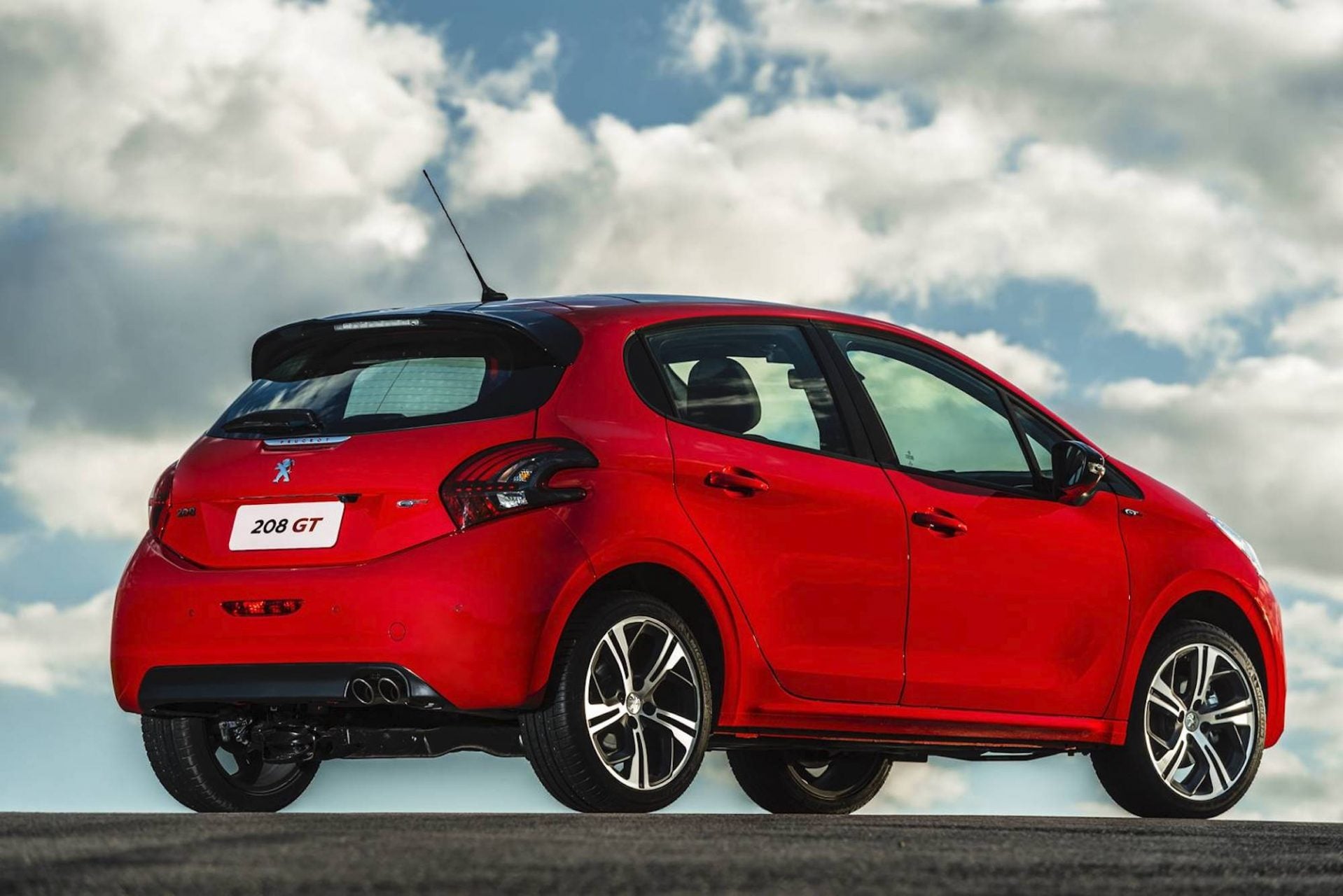
Double tips, 17-inch wheels and a small spoiler completed the look of the 208 GTPeugeot 208
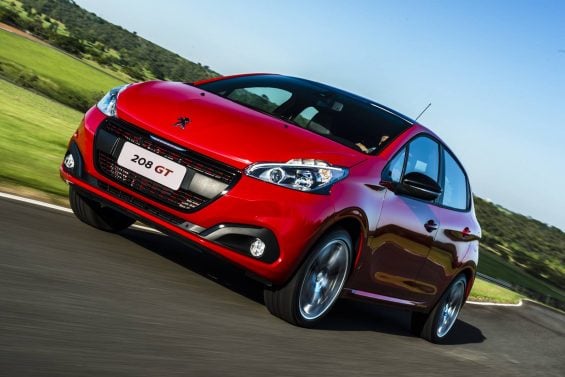
The Peugeot 208 GT was the sporty pinnacle of the first generation of the Peugeot 208. Equipped with the famous 1.6 THP engine, it provides much higher performance than the rest of the line, with a power of 173 hp with ethanol and 166 hp with gasoline.
The six-speed manual transmission with a lever with short travel and harder couplings set the tone. And the 0 to 100 km/h in 7.6 seconds adds a hot hatch aura to this more edgy option of the first 208.
In addition to the turbo engine, the Peugeot 208 GT features a design with exclusive details, firmer suspension, larger wheels (17″ rim) and an interior with sporty details.
7. Escape the 208 1.2
Although it is a very economical car, the Peugeot 208 1.2 Puretech is known in the used car market for its expensive maintenance. In addition, this engine is giving Stellantis a lot of headaches in Europe to this day for a reason that Brazilians are already fearing here: it is equipped with an oil-bathed timing belt.
When the 208 1.2 was released, it was evaluated by AutoPapo:
7. Comfort and interior space
The 208 has never been a very spacious car. The i-Cockpit concept and the wheelbase of 2.54 m end up taking its toll in the cabin. At the front, the seats offer good support, ergonomics are good, but there are not many knee gaps.
In the rear seat, people over 1.80 m tend to shave their heads and knee room is limited. A third passenger there only on fast trips. The trunk is shy, with a capacity of 285 liters.
The suspension has a setup that prioritizes comfort, without compromising stability. Acoustic insulation was (and still is) above average for the segment.
8. Maintenance
Despite the unfair bad reputation of Peugeot, the 208 is not a dramatic car to maintain. See the component prices of the 1.6 16V versions of the first generation of the compact hatch.
Set with four front brake pads: from R$ 100 to R$ 140
Set with four spark plugs: from R$ 80 to R$ 160
Fuel pump: from R$ 200 to R$ 390
Oil change kit (4 liters 0w30 + filter): from R$ 260 to R$ 420
Rear shock absorber (pair): from R$ 480 to R$ 770
Rear bumper: from R$ 460 to R$ 800
Right headlight: from R$ 1.800 to R$ 3.500
9. Main problems of the Peugeot 208
In forums with Peugeot 208 owners, testimonials on the Reclame Aqui website and reports from the time, complaints about premature wear of brake pads and excessive vibration when pressing the clutch pedal are common.
And there’s that Peugeot drama in relation to the suspension. The main complaints talk about leaks in the system and shock absorbers with early loss of pressure.
Comments are the sole responsibility of their authors and do not represent the opinion of this site. Comments containing profanity or offensive language will not be published. If you identify anything that violates the terms of use, please report it.