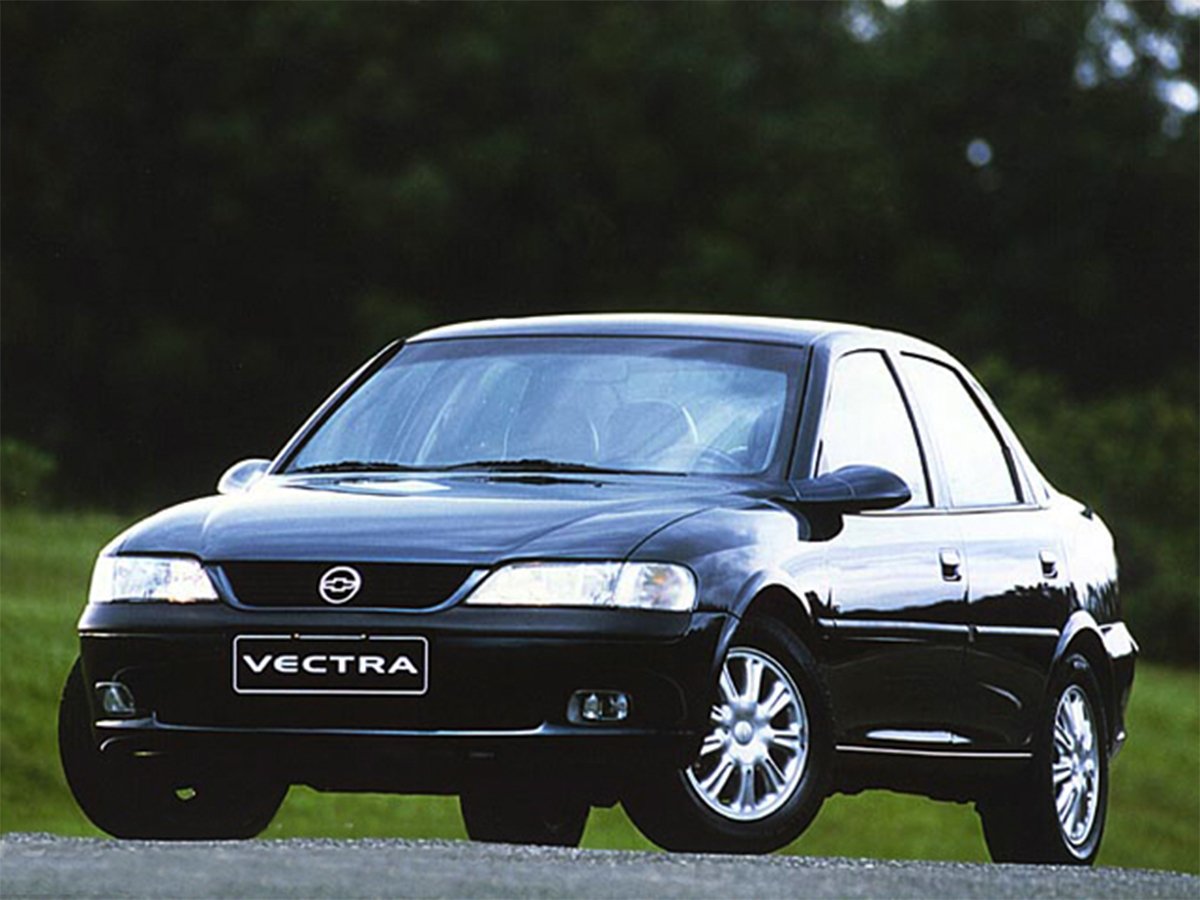
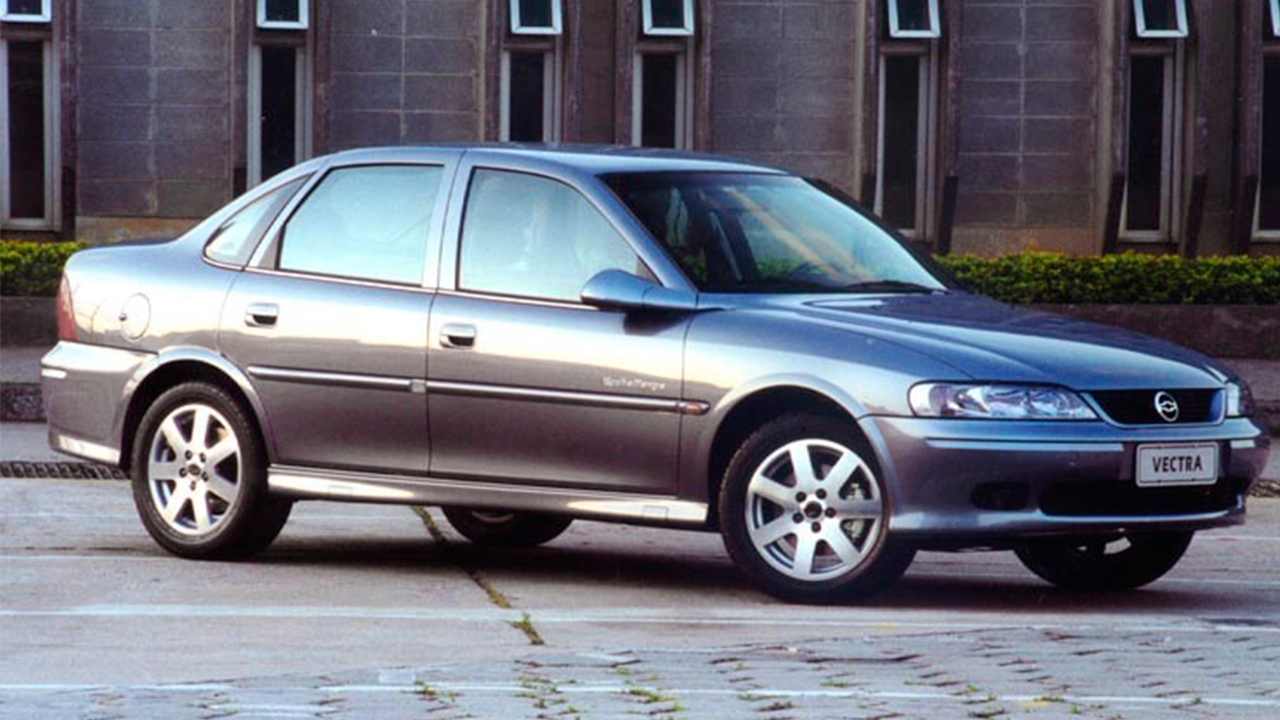
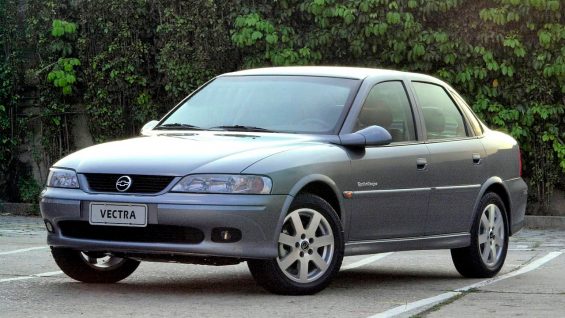
Some cars age well. The second generation of the Chevrolet Vectra is one of the best examples of this. With a refined and bold design even for the present day, the sedan also exudes comfort.
Fruit of the “Golden Age” of General Motors in Brazil – when the automaker made models of various sizes and projects of the European Opel – the Chevrolet Vectra B (as it is called by enthusiasts) is considered one of the pinnacles of European automotive design at the end of the 20th century.
But he is far from being just a pretty face. With good dynamics, well-used space and competent engines, the Chevrolet Vectra is still a good purchase option on the used market.
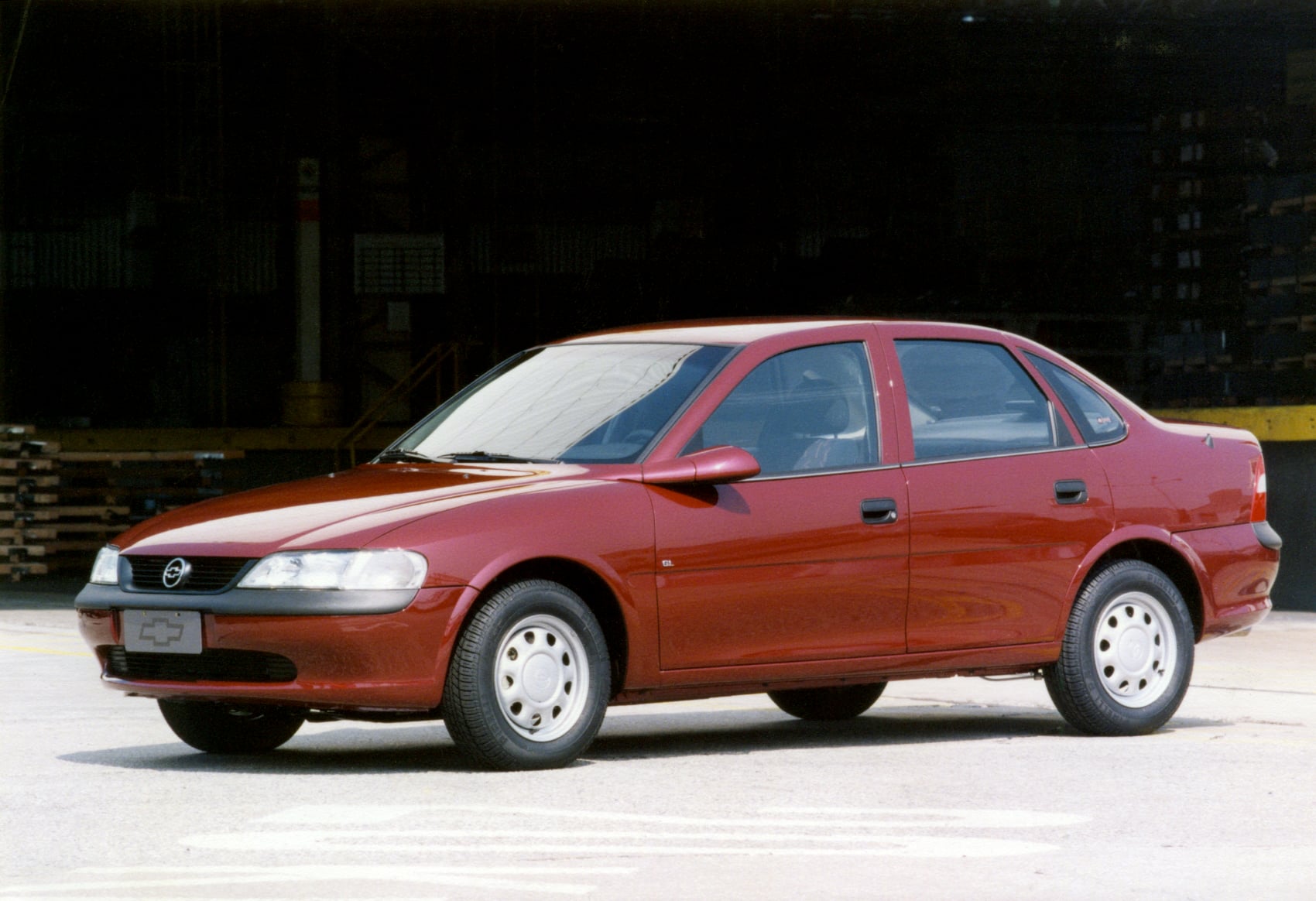
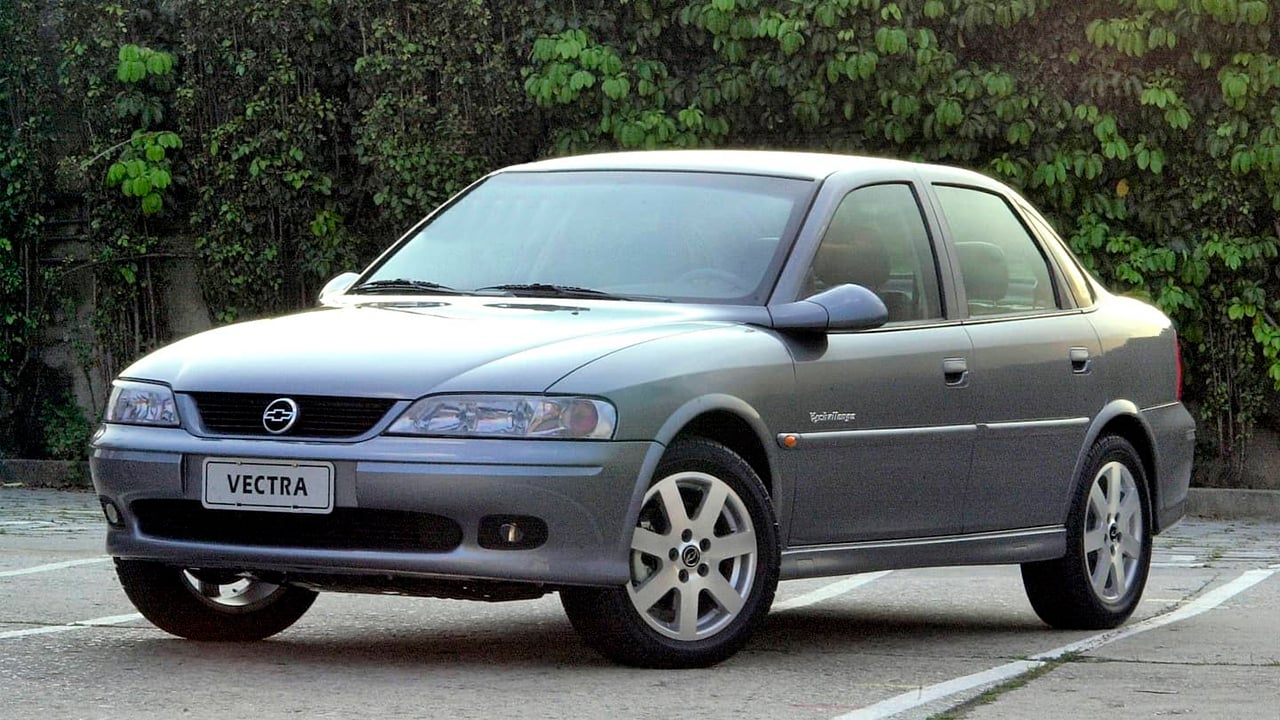
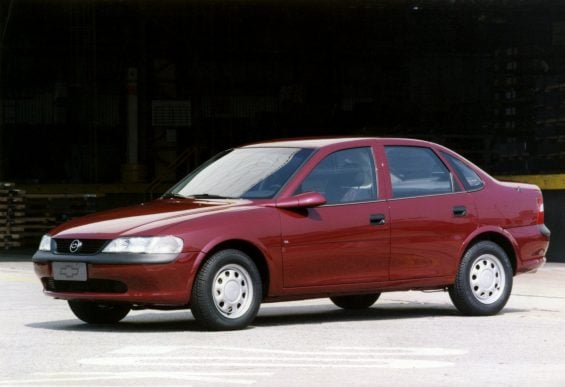
This Vectra B arrived at Chevrolet dealerships in 1996 to replace the original model, from 1993. With fluid lines and the iconic mirrors that seemed to be “born” from the junction of the front column and the hood, it emerged as a Brazilian alternative to imported Japanese sedans.
Based on the GM2900 platform, the Vectra is 4.49 meters long and has a wheelbase of 2.64 meters. By today’s standards, it may look like an ordinary sedan, but back then those measurements put it in the medium-large category.
The model was still the best cost-benefit in the segment. Especially because Honda Accord and Toyota Camry had more expensive prices and maintenance costs, precisely because they were imported.
In 1999, the car underwent a slight face-lift. In 2001, the bumper was changed.
Production of the Chevrolet Vectra B in Brazil ended in June 2005, after new versions and limited editions. In the almost 10 years of the local market, 310 thousand units were made.
Basic version was the GL: it had aluminum wheelsVectra Challenge was one of the special seriesThe Vectra B was moderately successful (Photo: Chevrolet | Disclosure)
2. Started with 2.0 engine
The mechanical trajectory of the Vectra was a real dance of chairs. It started with the reliable Family II 2.0 8V engine, with 110 hp of maximum power and 17,3 kgfm of torque at 2,600 rpm for the entry-level versions.
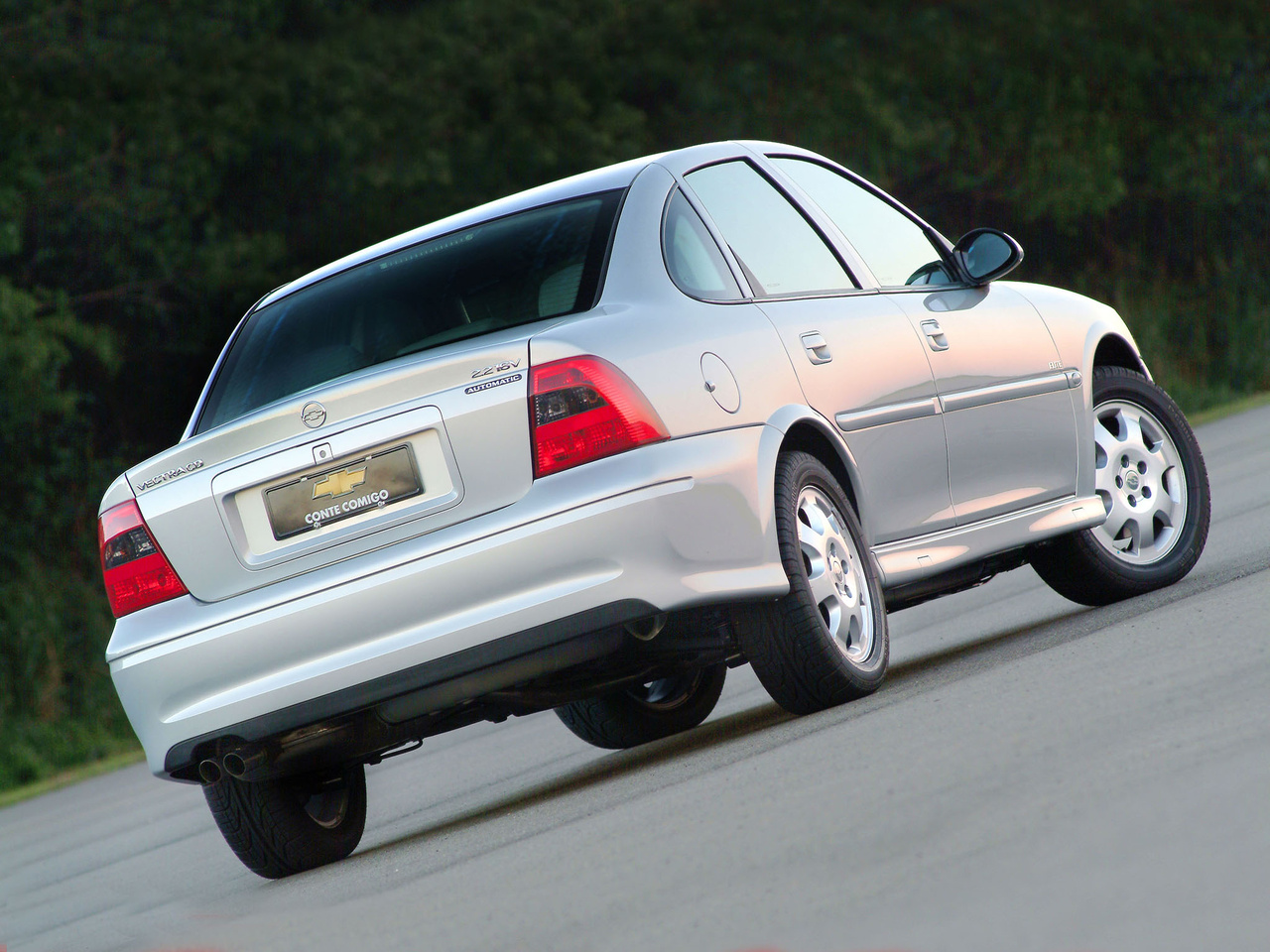
The top-of-the-line CD variant had more power and strength. It generates 141 hp and 19,1 kgfm at 4.000 rpm with a four-speed automatic transmission.
3. Won 2.2 engine
GM raised the engine displacement of the Vectra to 2.2. With this new volumetric capacity, the 8V variant had its power increased to 123 hp, while the 16V generated less than the 2.0 16V, 138 hp.
4. The return of 2.0
In 2003, at the end of the Chevrolet Vectra cycle, the 2.0 8V engine returned to the scene. This time, with 110 hp of power and more competitive prices to ensure a boost in sales.
5. But how is it going?
Model had versions with a 2.2 engine and four-speed automatic camvium
Let’s focus on the 2000s Chevrolet Vectra with a 2.2 engine. Both the 8 V and 16 V have similar performances in the urban environment, with quick throttle responses and a well-staggered five-speed manual transmission with precise engagements.
0 0 to 100 km/h of both is around 10 seconds. The differences are more felt in certain situations in the urban environment, and also on the road.
With good torque at low revs, the 8 valves perform well in traffic stops, hills and retakes. Multivalves (16V) develop well at higher revs and cruising speeds.
6. Dynamics
The Chevrolet Vectra of this generation has always stood out for its refined behavior. With an excellent drag coefficient of 0.28 cx and multilink-type independent rear suspension, the sedan offers stability that left many modern cars in the dust.
The steering with hydraulic assistance is precise, even at high speeds, and the car points well in curves. In these situations, the good rigidity of the body and efficient stability are also highlighted.
With disc brakes on all four wheels, the Vectra also stops well. It does not stall under the most abrupt braking, emphasizing that the car is equipped with ABS.
7. Comfort
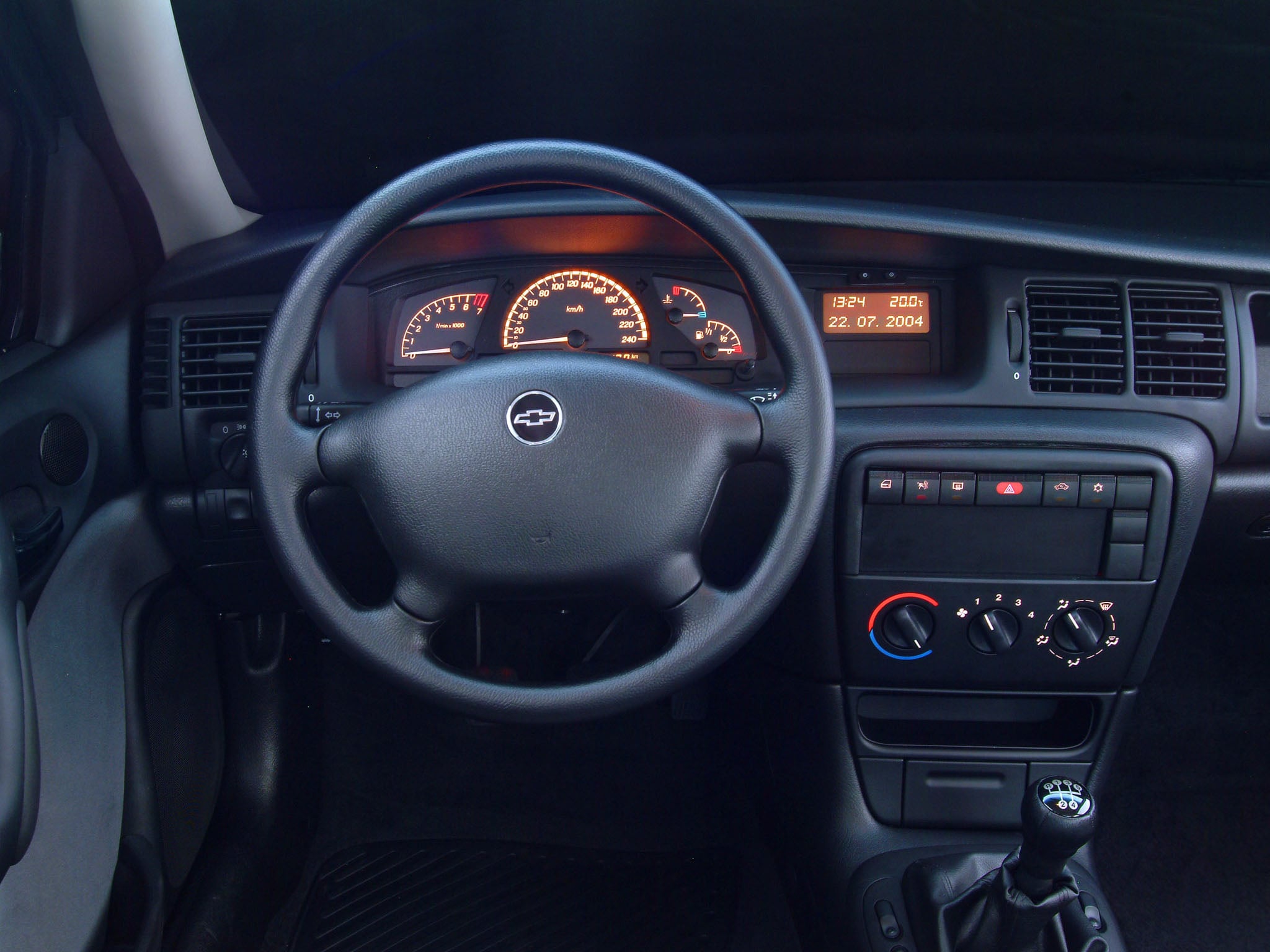
The Vectra B panel is characterized by horizontal lines
Inside, comfort is evident. The well-done finish on the doors and roof, combined with a generous trunk of 500 liters, makes the sedan a comfortable car for the city or family trips.
The only “but” is for those in the middle of the rear seat, due to the elevated central tunnel. In other words, the space seems more suitable for two adults and a child.
The acoustic treatment of the cabin works well, especially in the city. There were almost no noises from tires, wind or the engine itself.
8. Special series
Throughout its 10 years of production, the Vectra had remarkable series:
Challenge (2000/2002): inspired by Stock Car, it had 16″ wheels, darkened lenses, double chrome tips, seats, door panels and steering wheel covered in black and gray leather and metallic details in the cabin.
Expression (2002): started as a series and ended up becoming a fixed version of the catalog.
Collection (2005): with 1 thousand units, it was the farewell print run of this generation of the Chevrolet Vectra, always in Mayon gray, with a 2.0 engine and numbered key fob and manual.
9. Our Chevrolet Vectra tip
We suggest the Chevrolet Vectra 2000 in the CD version with a 2.2 engine and a five-speed manual gearbox. According to KBB Brasil, the Reseller Price ranges from R$ 16,543 to R$ 18,063 (calculated in the second half of May 2026).
The model was already equipped with an airbag and brakes with ABS. In comfort, air conditioning, power steering, electric trio (windows with one-touch system), height adjustments for the driver’s seat and steering wheel and sound with CD player.
10. Maintenance and Problems
If you are thinking of putting one of these in the garage, first check the state of conservation and if the previous owners have done the revisions and oil changes within the recommended deadlines. Remember that we are talking about a car that is more than 20 years old.
At the same time, the Chevrolet Vectra has GM Family II engines known to mechanics and the parts are easy to find. In addition to being offered in the aftermarket at reasonable costs.
Even so, be aware of common reports from owners collected from forums and groups on social networks:
Cooling: pay extra attention to the cooling system to avoid overheating.
Steering: noises and crackling noises in the steering box
Bodywork: any misalignment of doors and windows are common chronic defects
Automatic versions: check the history of fluid changes and if the previous owners used oil within factory specifications.
Comments are the sole responsibility of their authors and do not represent the opinion of this site. Comments containing profanity or offensive language will not be published. If you identify anything that violates the terms of use, please report it.