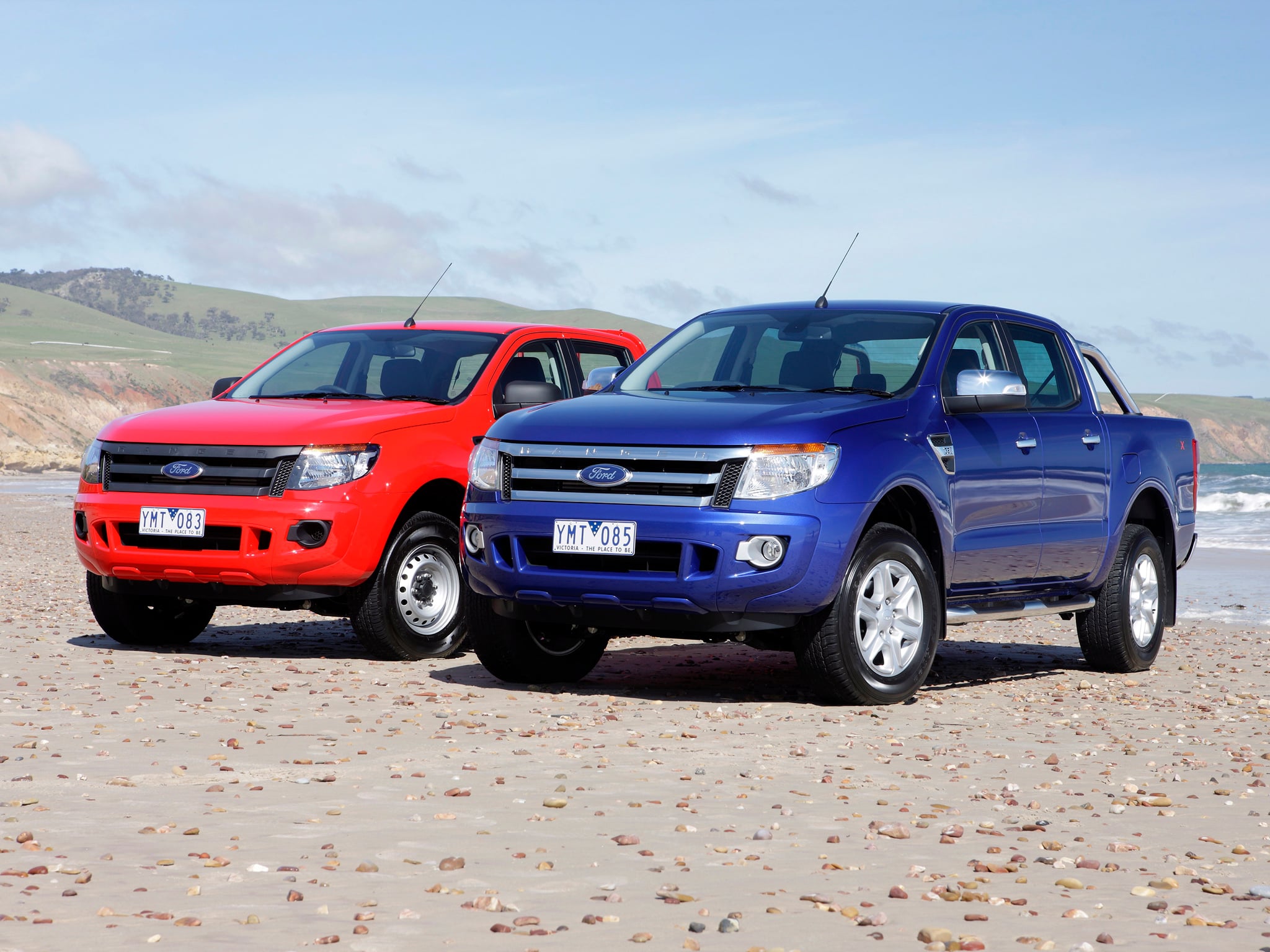
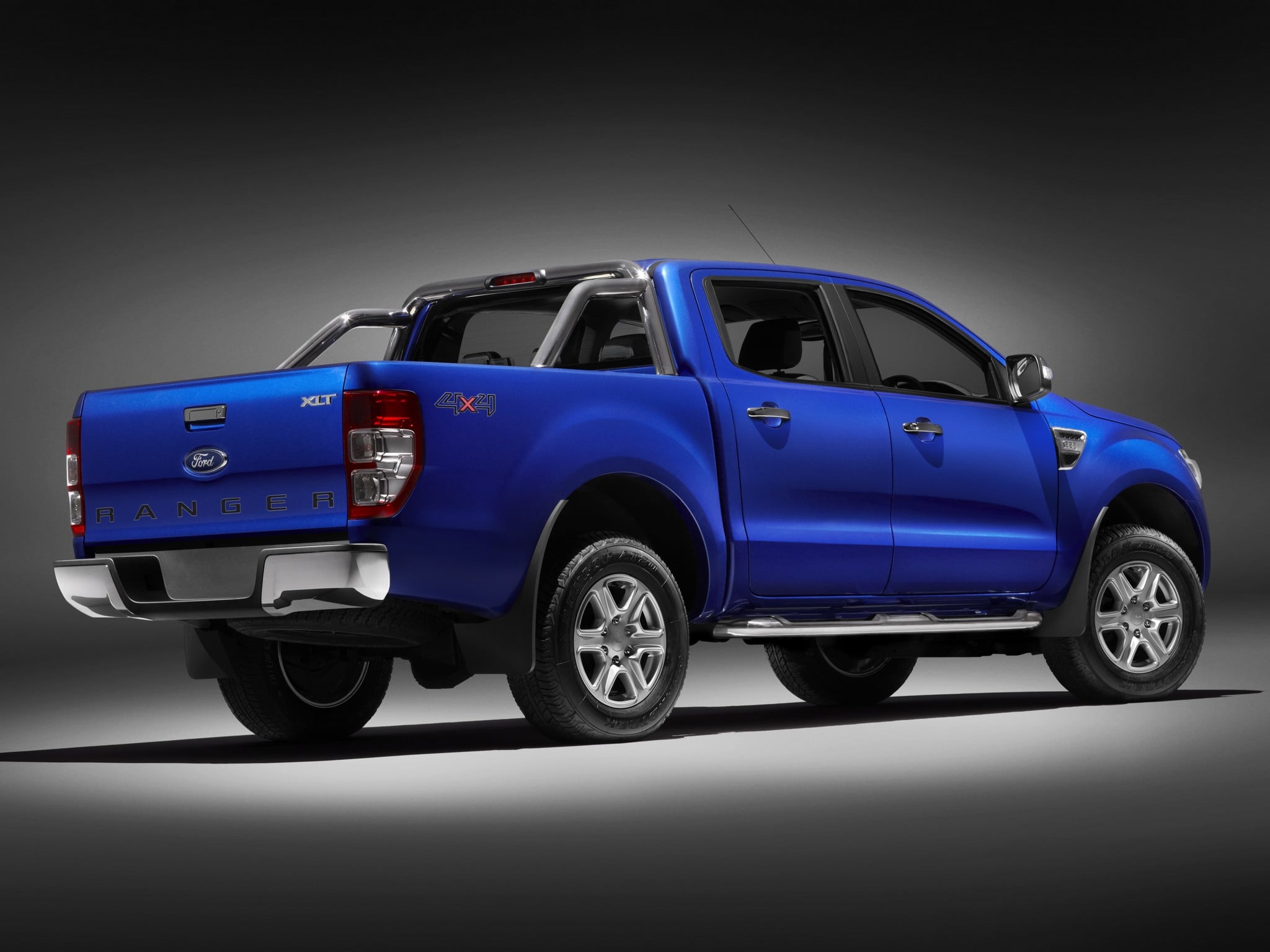
The current Ford Ranger is almost unanimous in terms of robustness and handling. But the second generation of the medium pickup made in Argentina remains firm as an option in the used market for those who want to reconcile work and leisure.
In this proposal, the Ford Ranger 2015 appears as a balanced choice, especially for the combination of strength, space and reliability. In addition to being versatile, with different engine options and trim versions.
See now 10 facts about the 2015 Ford Ranger.
1. The trajectory of the Ford Ranger
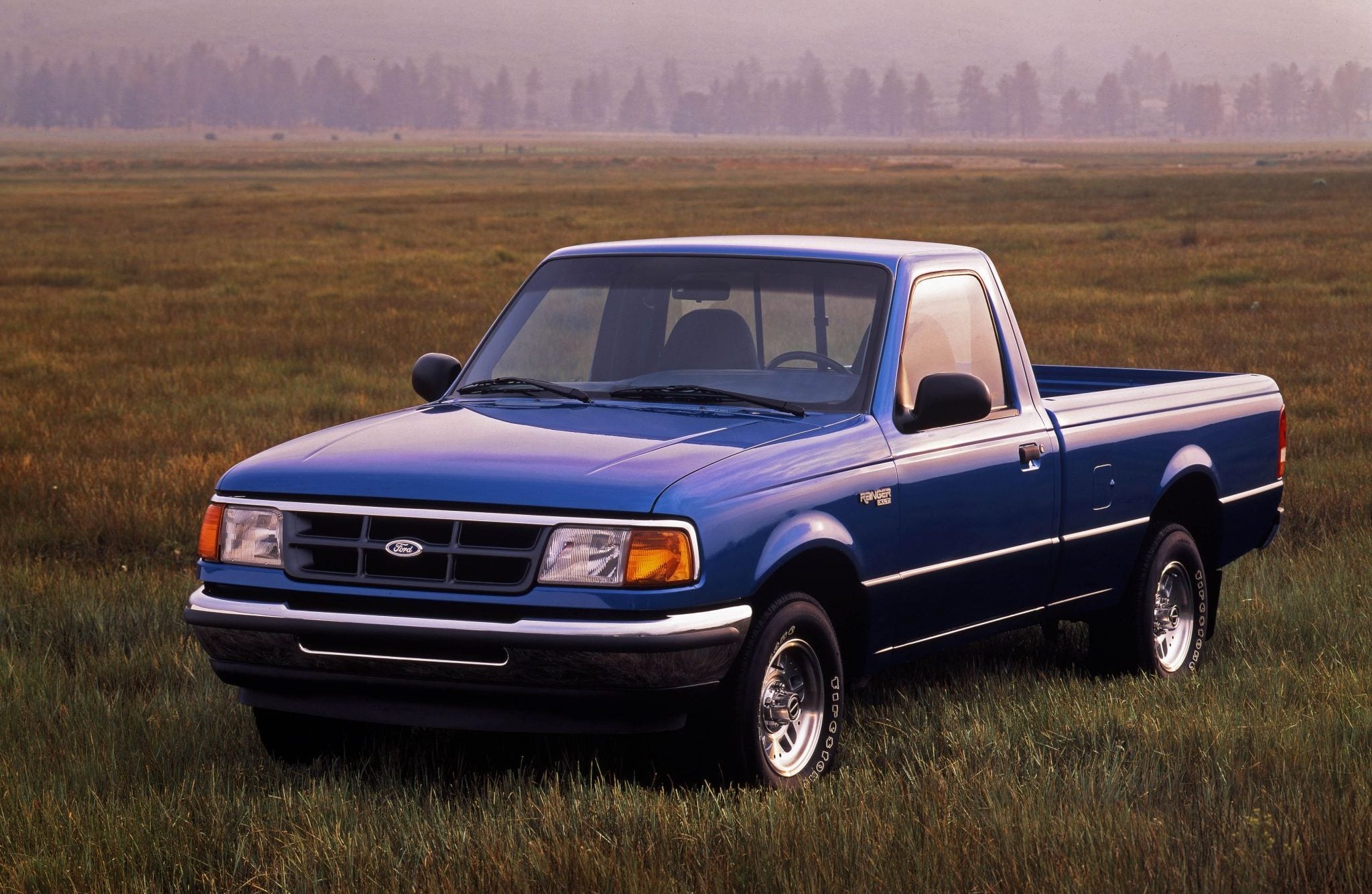
The history of the Ranger began in the United States in 1984. In Brazil, it landed in 1994 already in its second generation and, shortly after, began to be manufactured in Argentina.
Ford Ranger arrived in Brazil in the mid-1990s
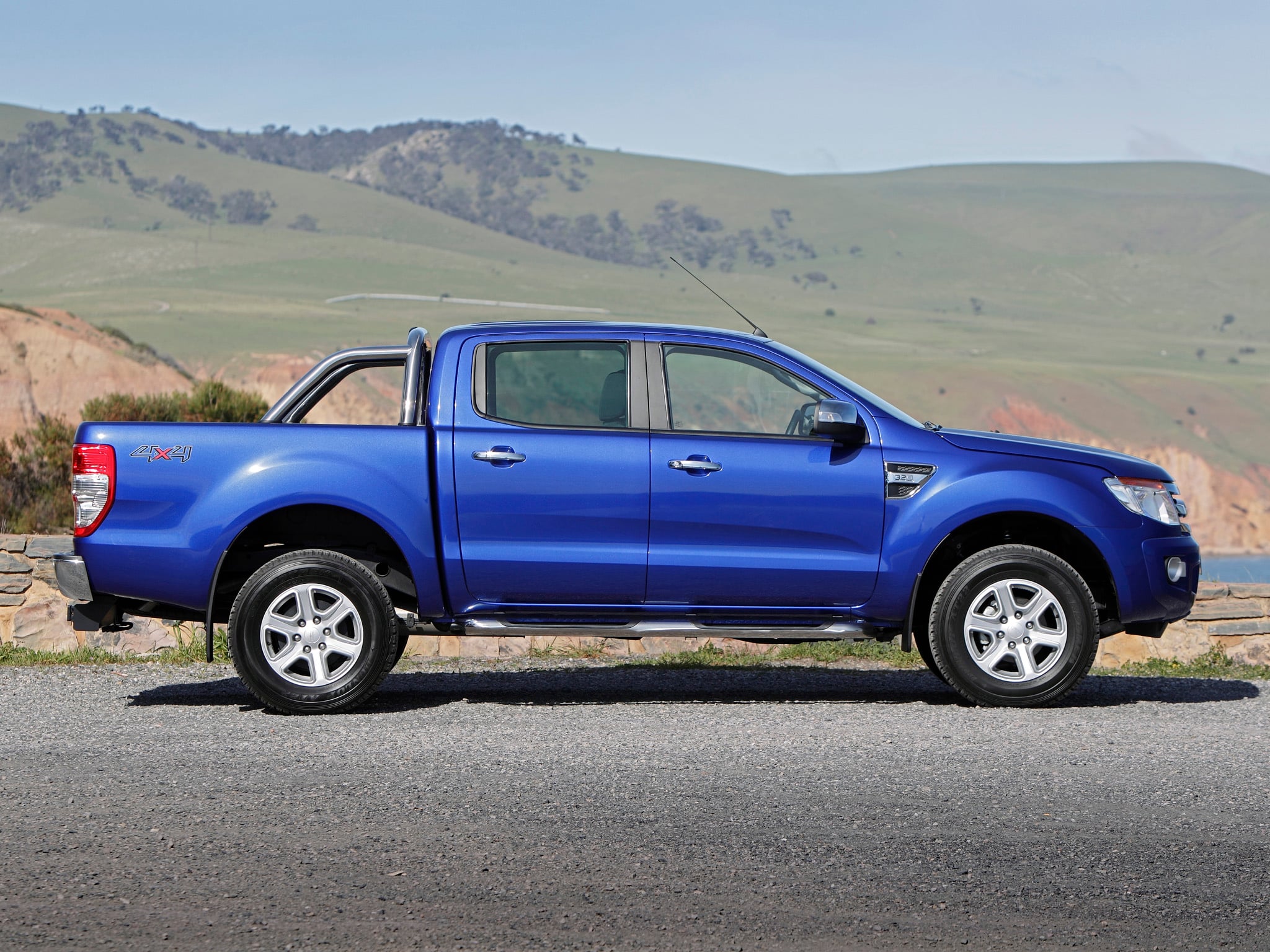
The second generation for Mercosur only arrived in 2012, bringing 2.5 flex, 3.2 turbodiesel and a 2.2 turbodiesel option aimed at fleet owners. There were single and double cab versions, and the pickup grew in size and presence.
In 2014, already as a 2015 line, the Sport version of the single cab of the Ford Ranger with a flex engine appeared. The 2017 range brought important changes: end of the single cab, restyling, electric steering and warranty extended to five years.
Then, in 2019, came another visual update and the definitive goodbye to flex engines. In the following years, versions with adventurous appeal arrived, such as Storm, Black and FX4. In 2023, Ford presented the third generation of the Ranger in Mercosur.
2. Performance with flex
The 2015 Ranger still offered flex-fuel engines — something that practically disappeared among medium pickup trucks at the end of the 2010s.
The 2.5 Duratec delivers 173 hp with ethanol and 168 hp with gasoline, enough to move its approximately 1,800 kg.
With a manual transmission, performance is honest: 0 to 100 km/h in 12.5 seconds. But you have to downshift with will, as the maximum torque only appears at 4.250 rpm.
3. Performance of the 2015 Ranger turbodiesel
The turbodiesel versions are naturally stronger. The 3.2 engine of the Puma family of 200 hp placed the Ranger among the most powerful in the category at the time.
However, with automatic transmission, 4×4 traction and more equipment, the weight rises to 2,200 kg – and 0 to 100 km/h is 11.6 seconds.
Good power and torque offer ensure enviable performance for the Ranger
Even so, the diesel Ranger impresses with its disposition. The six-speed automatic transmission works smoothly, and the torque of 47,9 kgfm at just 1,750 rpm ensures safe overtaking.
4. Pickup Truck Capabilities
The Ford Ranger has always been recognized for its ability to work. Even in the double cab, the bucket takes 1,180 liters.
The flex versions with rear-wheel drive and manual transmission are the load champions: up to 1,341 kg. Automatic turbodiesels, on the other hand, are close to 1 ton of payload.
5. Space and comfort
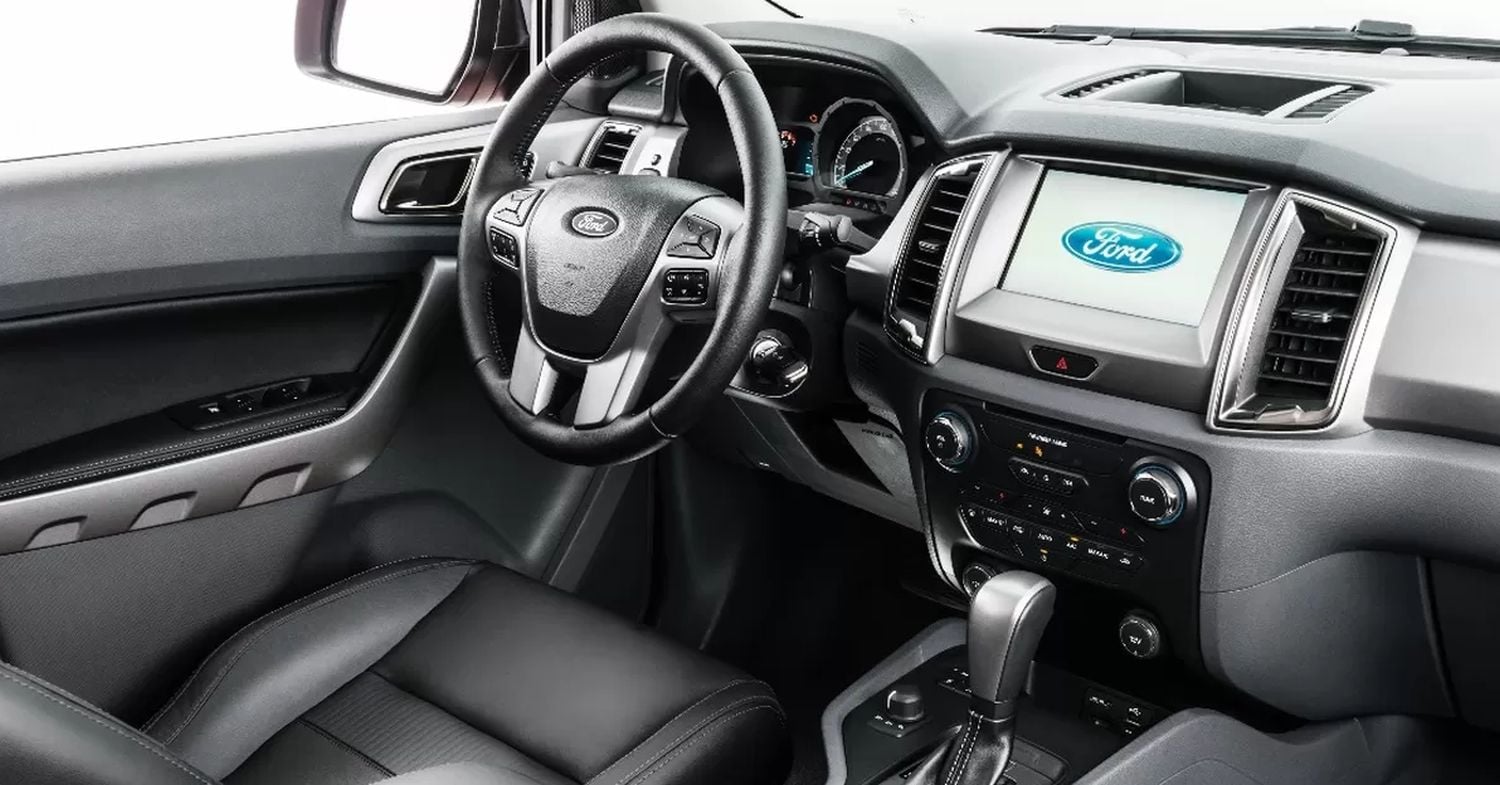
The second generation brought important advances in the interior. The front seats have good lateral supports, the driving position is elevated and the ergonomics please.
At the rear, legroom has improved compared to the previous generation, but the backrest is still very vertical and tires on long trips. The central tunnel also hinders those in the middle seat.
Content package is plentiful, but you can’t demand modern connectivity functions
The finish is a weak point: the plastics scratch easily and give the feeling of simplicity. The leather versions, however, raise the level of the environment.
6. Suspension and dynamic behavior of the 2015 Ford Ranger
On asphalt, the Ranger behaves well. Direct steering helps on the road and conveys safety. However, it is worth remembering: it is a medium pickup on chassis.
This means that the body wobbles more in curves and potholes. Even more so with an empty bed. Off-road, it is competent, but just as “badass” as its rivals at the time.
7. Our 2015 Ranger Tip for Work
For those looking for a double cab at a more affordable price, the Ranger XLS 2.5 flex manual is the choice. It costs R$ 90.300 at KBB Brasil’s Reseller Price (March/2026) and brings the basics:
Front airbags
ABS and EBD
Air conditioning
electric trio
sound with USB, Bluetooth and CD
Autopilot with limiter
height-adjustable steering wheel
Fog Lights
alloy wheels
8. Our tip for a complete Ford Ranger 2015
If the idea is to have a well-equipped Ranger, the Limited 3.2 turbodiesel automatic 4×4 version is the choice. KBB Brasil’s Reseller Price is R$ 111,266 (March/2026).
It adds in relation to XLS:
Side airbags
Curtain airbags
Electronic stability and traction controls
ramp assistant
Descent control
electrochromic rearview mirror
Reverse sensor
headlight height adjustment
Driver’s seat with electric adjustments
Dual Zone automatic air conditioning
multimedia center with GPS
leather flooring
Rain and light sensors
9. Maintenance of the 2015 Ford Ranger with diesel engine
Diesel engines usually last longer, but require more expensive maintenance. See the prices of some components of the 2015 Ranger with 3.2 engine.
Set of front brake pads: from R$ 280 to R$ 360
Oil change kit (10 liters 5w30 + filter): from R$ 560 to R$ 710
Fuel pump: from R$ 450 to R$ 800
Rear shock absorbers: from R$ 580 to R$ 750 (pair)
Front headlight: from R$ 470 to R$ 800
Taillight: from R$ 290 to R$ 550
10. Most common problems
Some owners report failures in the automatic transmission, such as jerks, shakes and even cases of “disengage”. The manual transmission of the flex versions also receives criticism and can go into safety mode due to failures in the rotation sensor of the output shaft.
There are also reports of engines stalling around 100 km, hoses that dry out quickly, electrical failures (especially in the windows) and brake problems. Also, look at the state of the DPF filter, which is often overlooked by some owners.
Comments are the sole responsibility of their authors and do not represent the opinion of this site. Comments containing profanity or offensive language will not be published. If you identify anything that violates the terms of use, please report it.