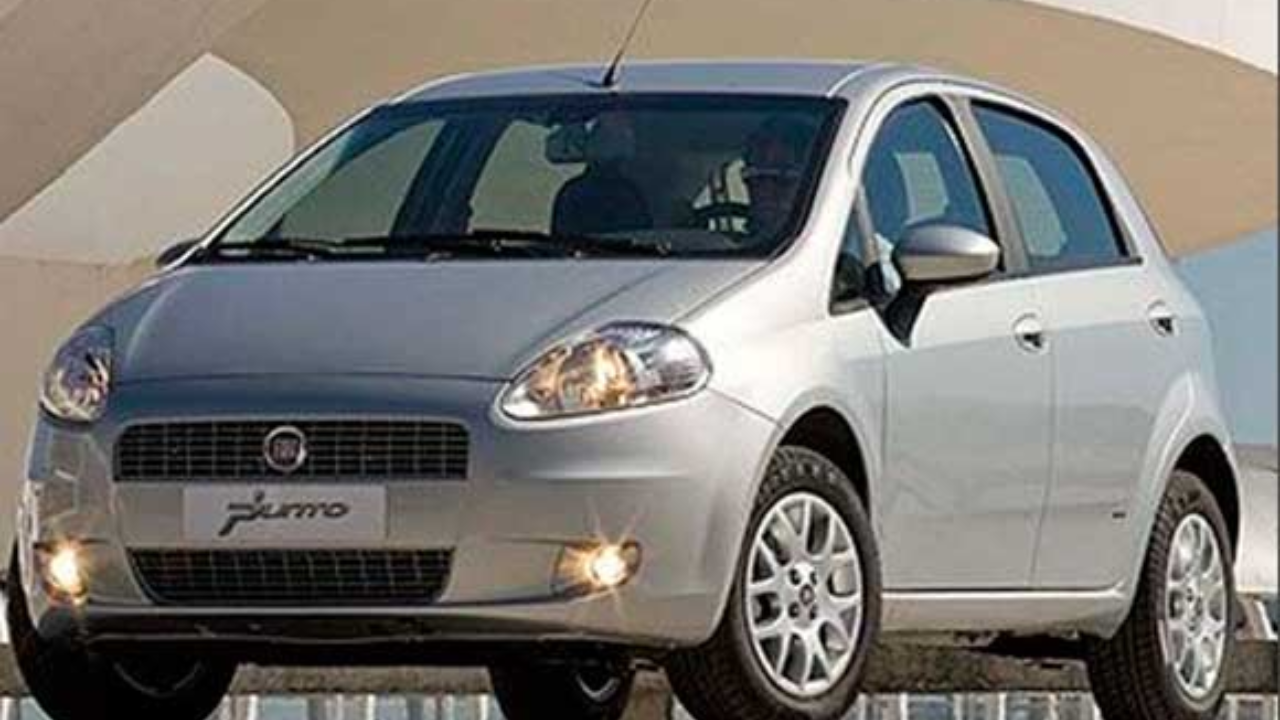
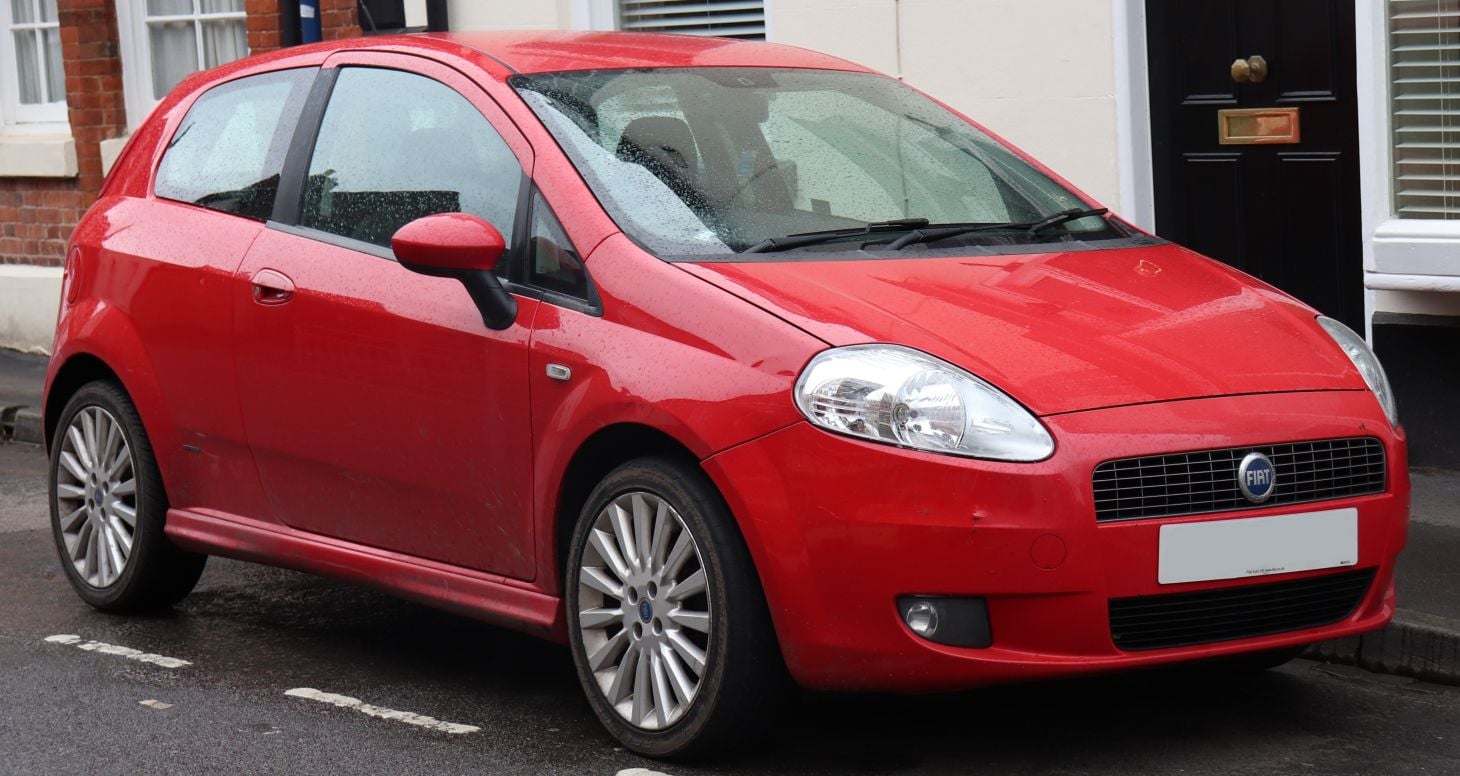
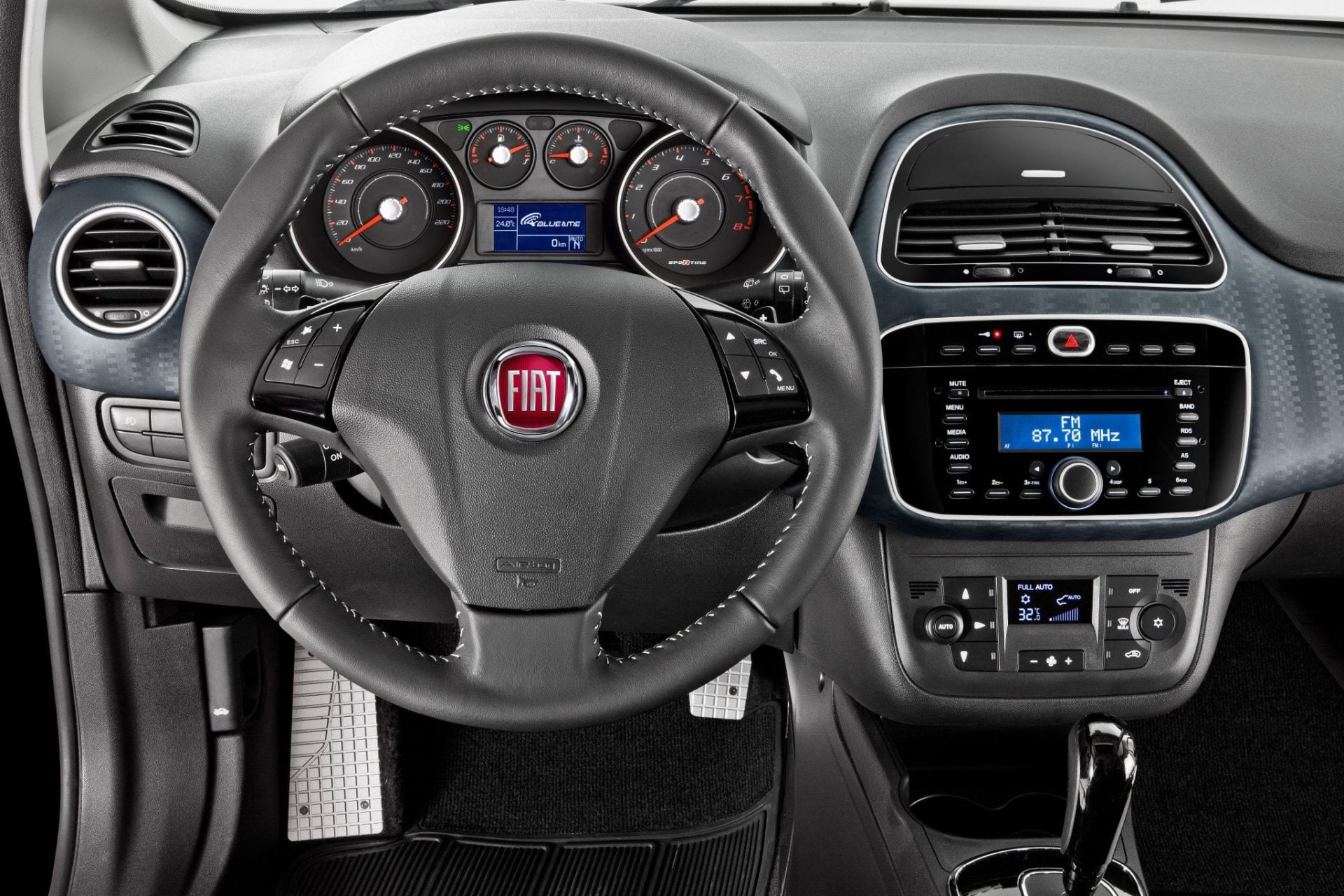
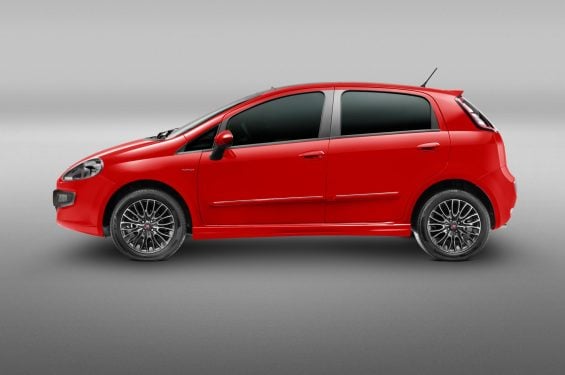
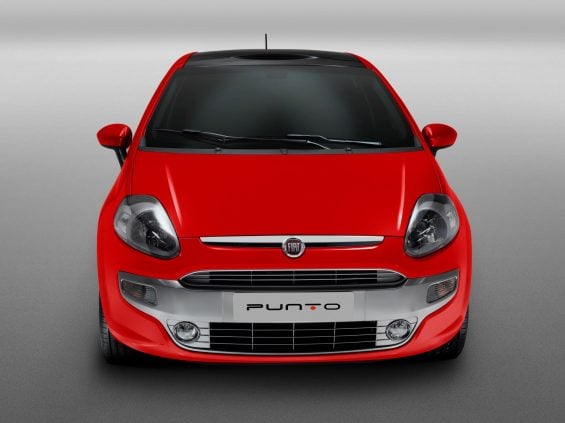
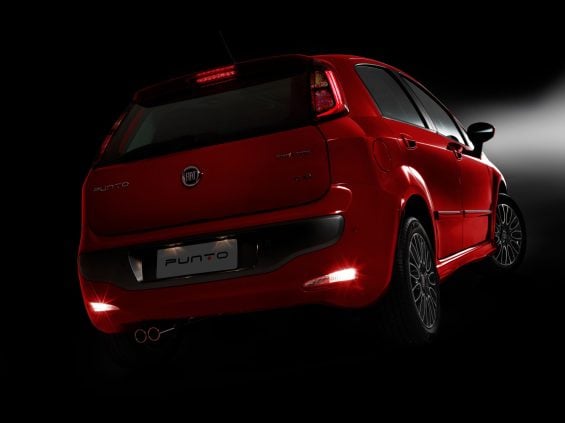
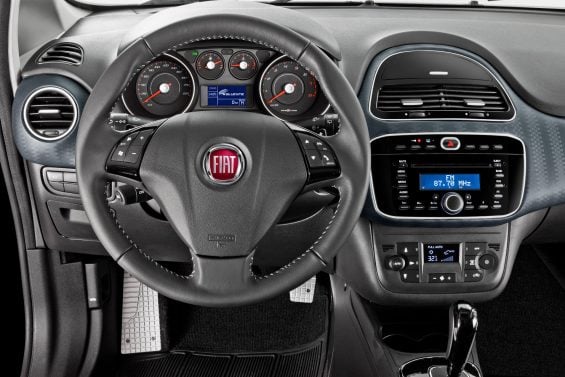
The Fiat Punto is one of those timeless cars. Obviously, not much in the technology and engines, since the car is from 20 years ago. However, in design, it is a hatch that still draws attention on the streets.
For this very reason, it is a compact still desired in the used market and with good offers. That’s because the Fiat Punto had a good variety of versions, with different engine options and right up to the sports variant.
Launched in Europe in 2005 and in Brazil two years later, the Fiat Punto quickly became a stamped figure on the streets. Produced in Betim (MG), the model used the SCCS platform adapted to our reality, mixing elements of the first Palio and even suspensions inherited from the Idea minivan.
Here, it started shy, with 1.4 and 1.8 eight-valve engines. In 2009, it gained spice with the T-Jet, and in 2010 the E.torQ family debuted, which also brought new names to the versions.
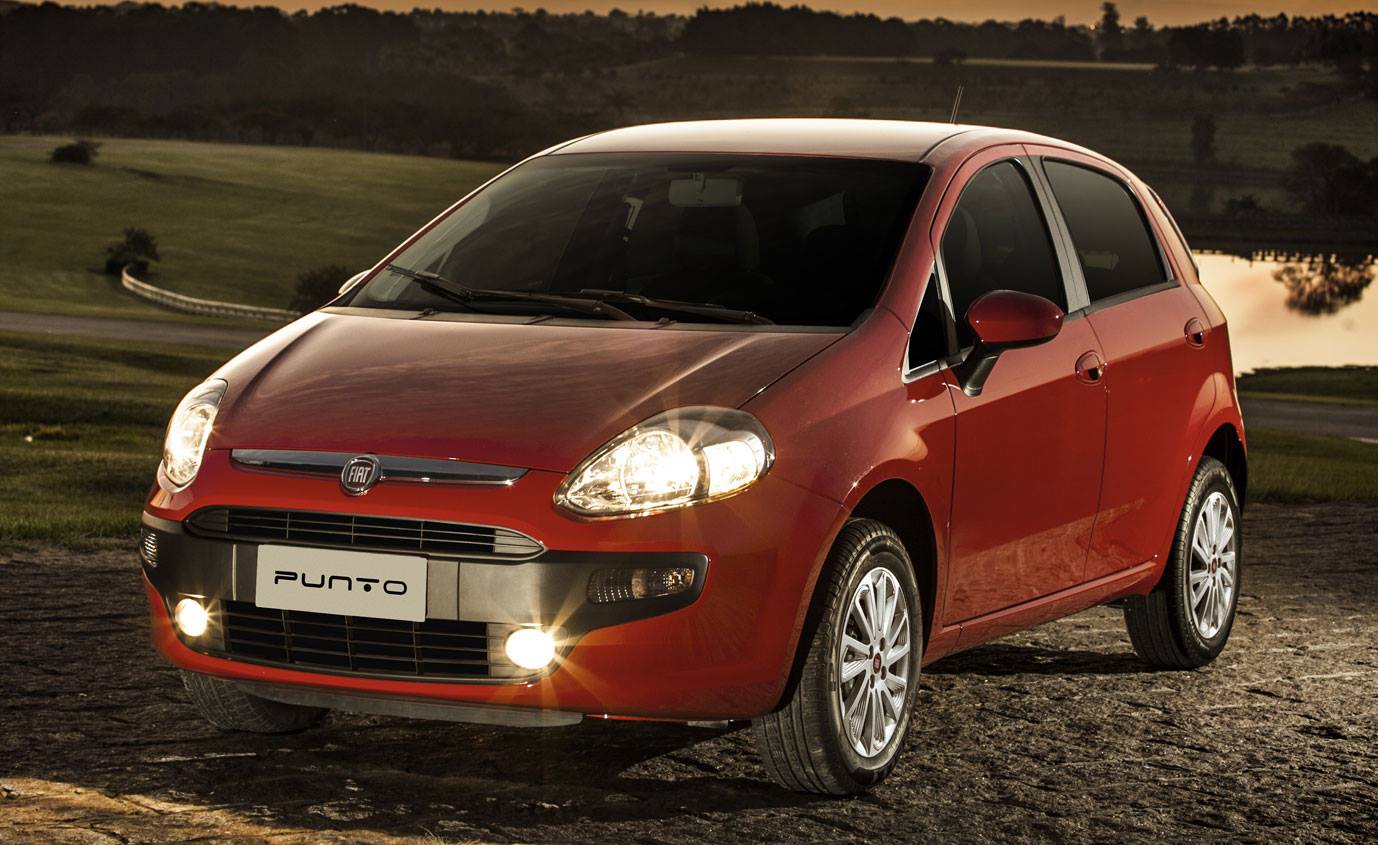
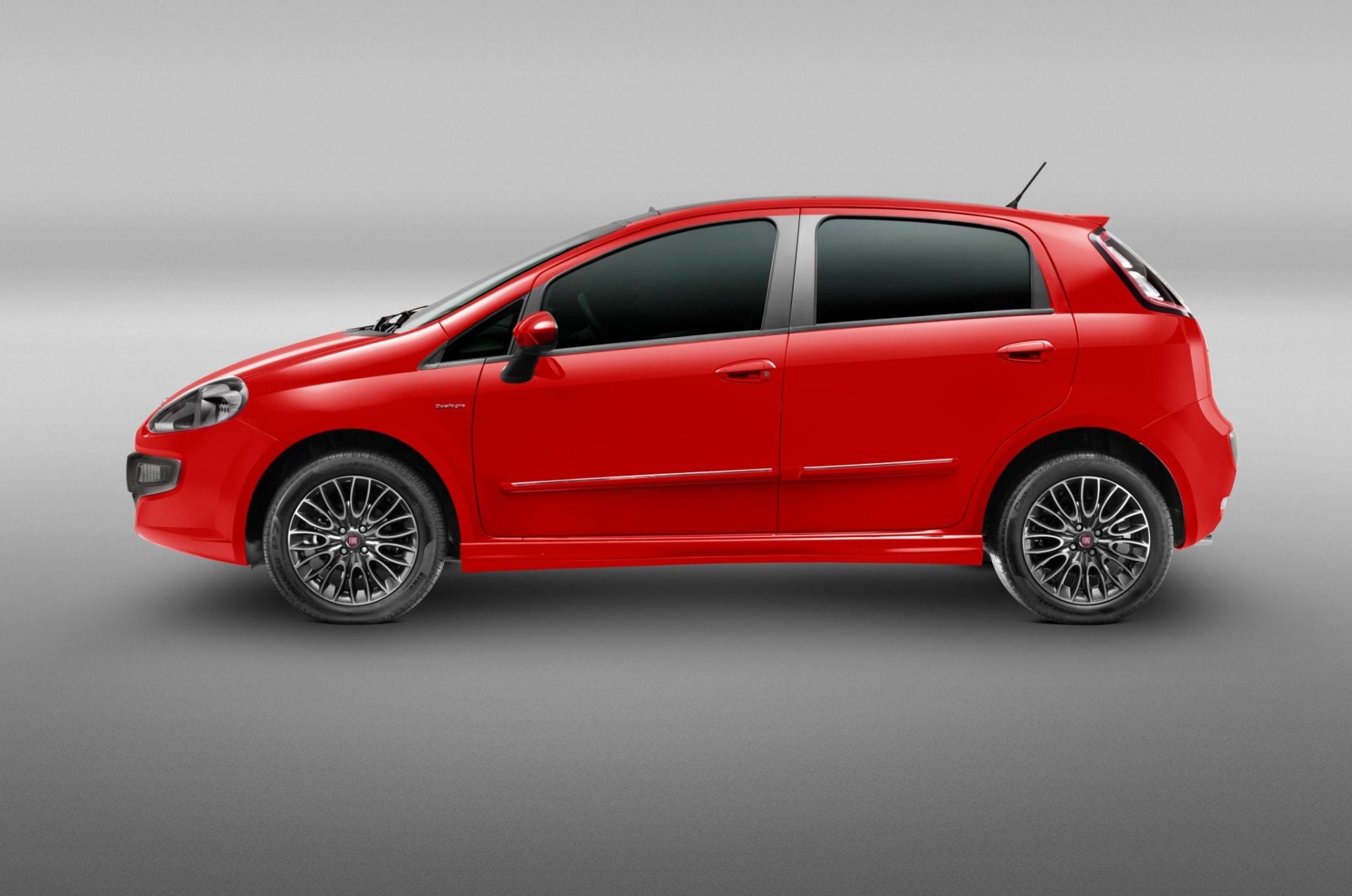
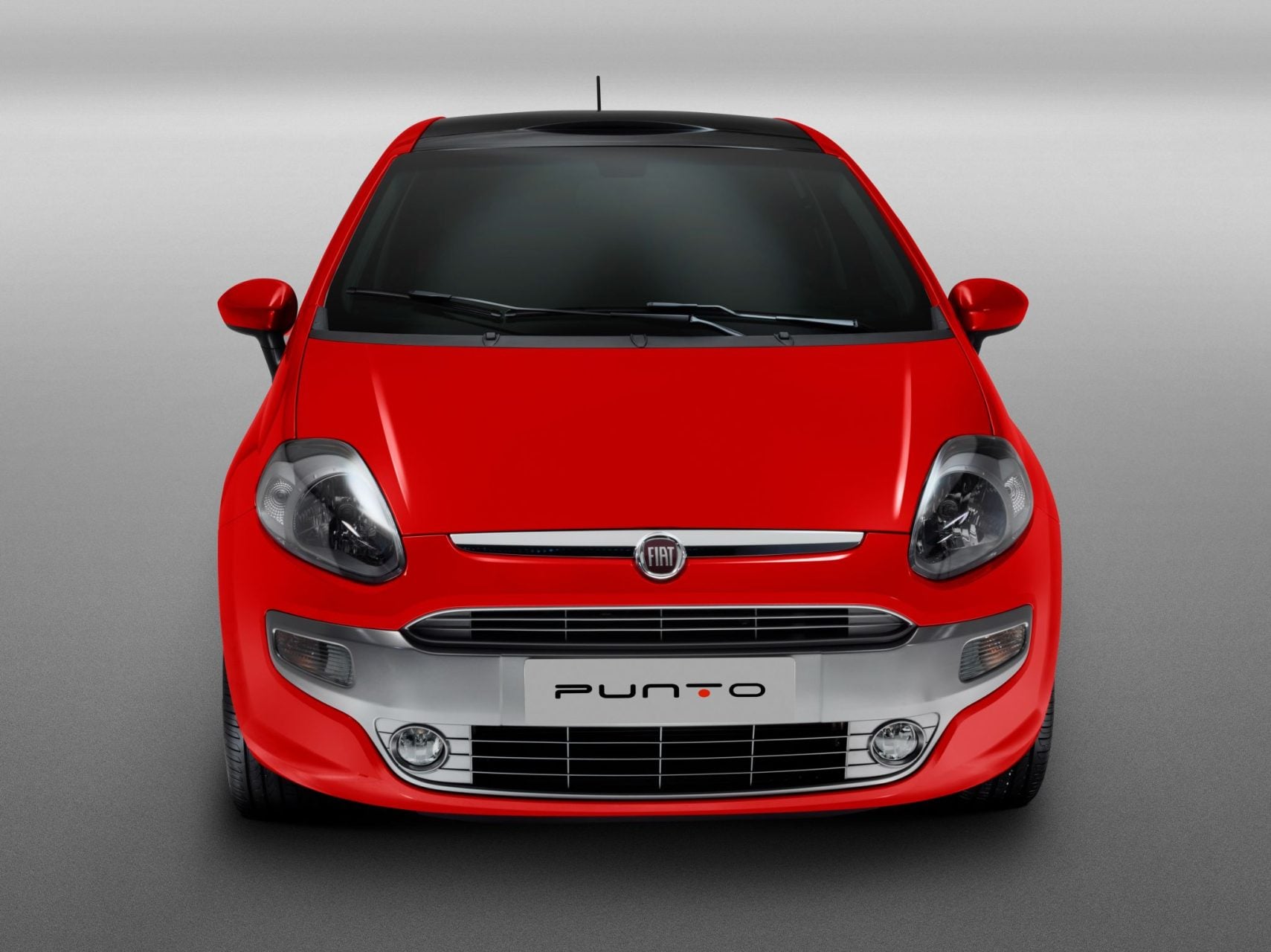
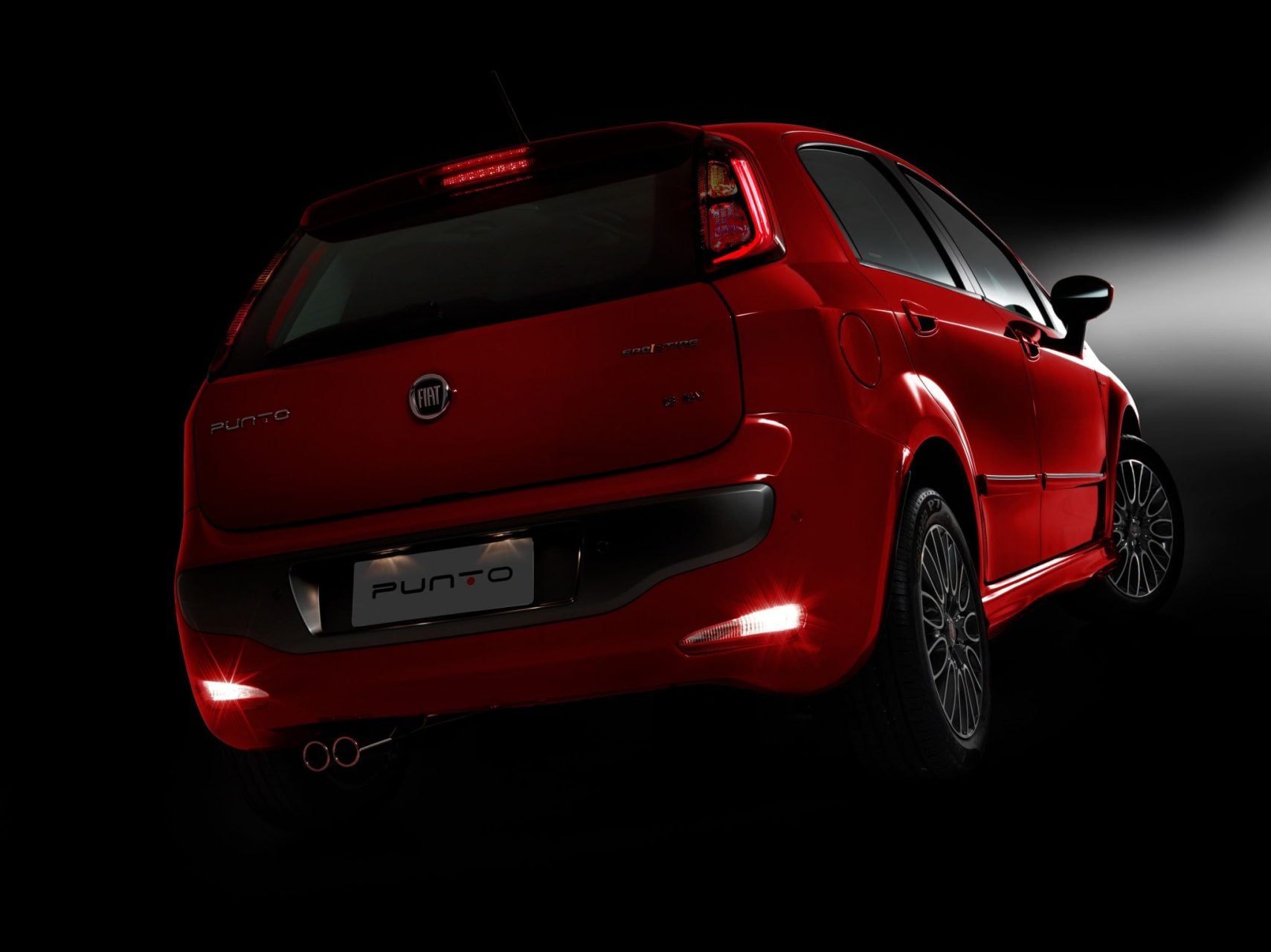
The 2012 restyling brought the look closer to the European Punto Evo and raised the power of the 1.4 to 88 hp. Between special series and small updates, the hatch remained firm until January 2017, when it was discontinued after 270 thousand units produced – to make way for the Argo.
Italian model: small differences compared to those sold in Brazil
2. The car that saved Fiat?
The Punto was not only important: it was crucial for Fiat. In the early 2000s, the Italian automaker was experiencing a heavy crisis in Europe. The bet to turn the game around was precisely a new generation of compacts headed by the Grande Punto, as it was called abroad.
The commercial success of the model gave back financial breath to the Italian brand, which years later would have enough cash and confidence to buy Chrysler, forming FCA. This move paved the way for Stellantis, now one of the largest automotive groups on the planet.
Restyling took place in 2012
3. Grazzie, GM
The story has a curious detail: part of the money that financed the development of the Punto came from… General Motors. In 2000, GM bought 20% of Fiat, with an option to acquire the rest in the future.
But the crisis knocked on the door of the American manufacturer, and the contract provided for compensation if the purchase was not completed. Result: GM had to open its wallet and pay about US$ 2 billion to Fiat… and a good part of it ended up in the Punto project.
4. Punto and those premium compacts
In Brazil, the hatch was positioned above the Palio and below the Stilo. It occupied that sub-segment invented in the national premium compact market. At the time, it faced rivals such as Volkswagen Polo, Honda Fit, Citroën C3 and Chevrolet Corsa 2.
In 2008, its first full year, it sold 38,571 units. The peak came in 2012, with more than 42 thousand sales.
5. Fiat Punto performance
For starters, the aspirated Punto 1.4 does not excite. With up to 86 hp, it suffers in starts and retakes, being more suitable for urban use, without exaggeration. The 0 to 100 km/h exceeds 13 seconds.
The GM-origin 1.8 8V from the early years of Fiat Punto is another story: 115 hp, good torque at low and more lively behavior. The problem is consumption, around 6.5 km/l (ethanol) in the city.
The arrival of the E.torQ engines improved efficiency a little, but nothing revolutionary: 7.8 km/l with vegetable fuel in the 1.8 16V of up to 132 hp in the urban cycle. And 8,1 km/l with the 1.6 16V of up to 117 hp.
At least, the 1.8 16V delivers convincing performance. The 0 to 100 km/h takes just over 9.5 seconds with ethanol, thanks to the good performance at high revs. But remember that the motor is rough and vibrates a lot.
1.4 engine is only suitable for those who will use it urban – and even then, limited
6. The smartest Fiat Punto
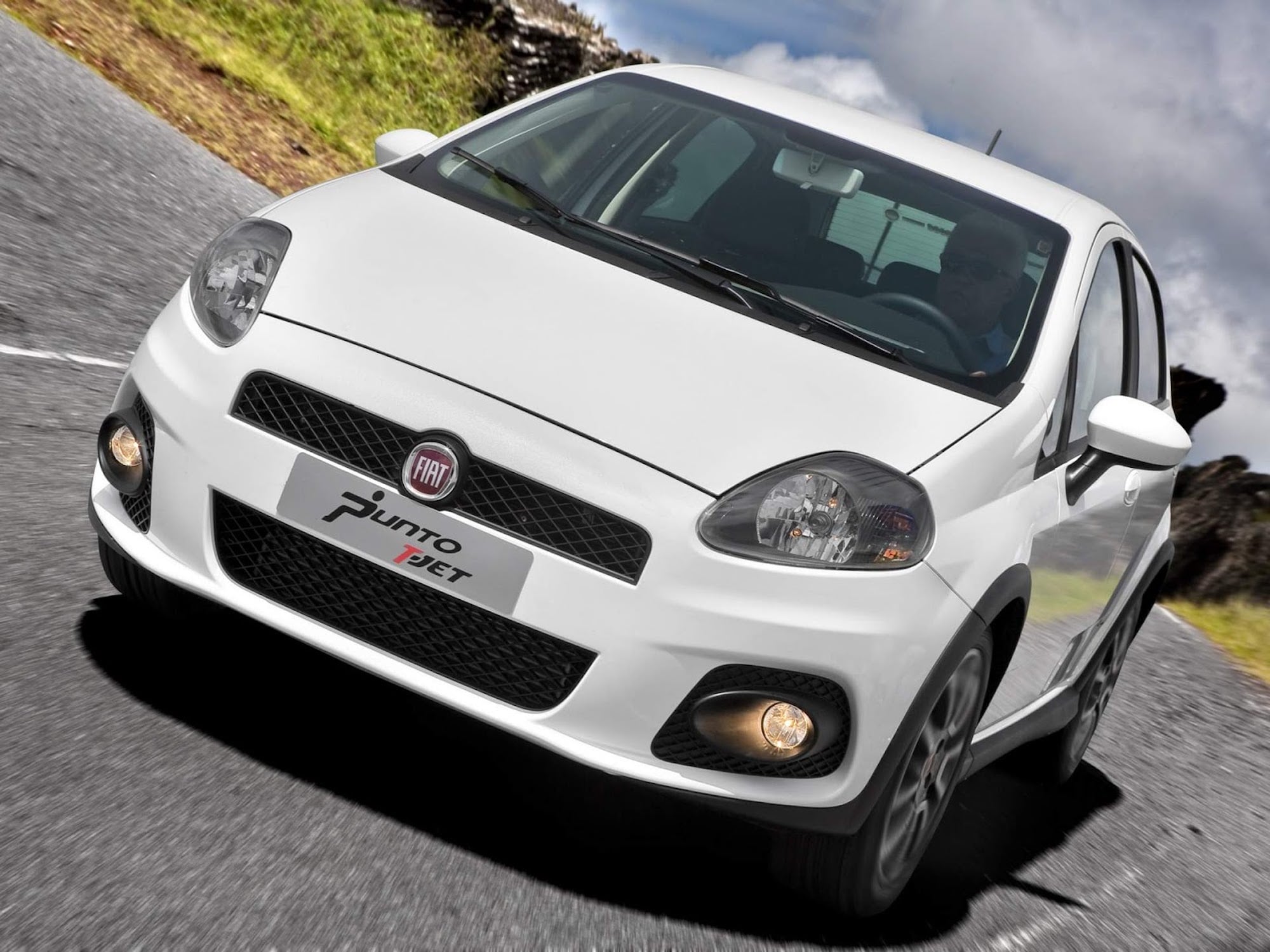
For those who want a pinch of pepper in performance, the T-Jet is a full plate. With a 1.4 turbo engine with 152 hp imported from Italy, firmer suspension and sporty look, the hatch goes from 0 to 100 km/h in about 9 seconds and reaches 203 km/h.
The first phase of the Fiat Punto T-Jet brought bumpers with generous air intakes, 17″ wheels and double exhaust outlets. After the 2012 restyling, the hatch gained glossy black details, darkened headlights and wheels inspired by those of the European Punto Abarth. Inside, the dashboard could follow the color of the bodywork.
7. Beautiful on the outside, tight on the inside
Despite the praised design, the Punto was never a reference in space. With a wheelbase of 2.51 meters, inherited from the Palio, the hatch offers a good driving position, but little legroom in the seats.
In the back, two adults travel without extreme tightness, but without any slack. The 280-liter trunk is also unimpressive.
8. Our Fiat Punto tip
The T-Jet is irresistible when it comes to Punto. But for those looking for style and good value for money, the Sporting 2014/2015 version with manual transmission is the request. Reliable mechanical delivery, honest performance and interesting package (remember that we are talking about a car that is more than 10 years old).
Among the standard items, air conditioning, steering with hydraulic assistance, electric trio, brakes with ABS, double airbag and sound with CD Player. It is worth looking for units with options such as side and head airbags, reverse sensor, electrochromic rearview mirror, digital air, Bluetooth and even a sunroof.
At KBB Brasil, the Fiat Punto Sporting 1.8 manual year 2015 has an average Dealer price of R$ 48.684 – calculated in the first week of March 2026.
Bold look is a highlightPunto Sporting received 1.8 16V engineInterior space is the Punto’s weak pointVersion was sold with Dualogic gearbox: run away from it!
9. Maintenance
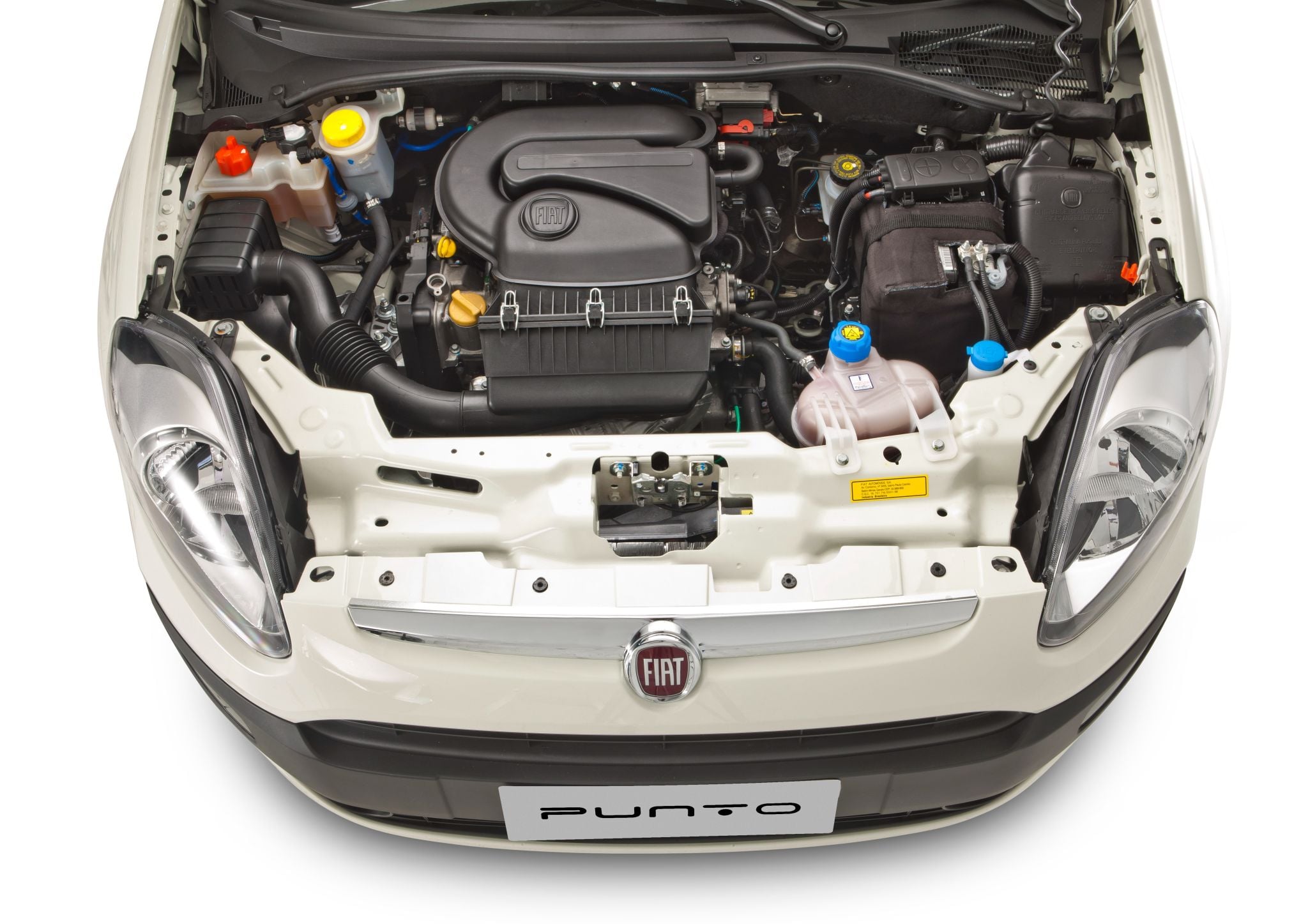
The Fire engines of the Fiat Punto usually have simple maintenance and easy-to-find parts. The 1.8 E.torQ have slightly higher costs, but nothing scary.
See prices of components of the Fiat Punto with 1.8 16V engine:
Set of front brake pads: from R$ 110 to R$ 160
Set with four spark plugs: from R$ 80 to R$ 120
Oil change kit (5 liters 5w30 + filter): from R$ 280 to R$ 390
Fuel pump: from R$ 300 to R$ 480
Rear shock absorbers: from R$ 500 to R$ 750 (pair)
Front headlight: from R$ 400 to R$ 630
Taillight: from R$ 600 to R$ 820
10. Main problems of the Fiat Punto
The Fiat Punto accumulates a list of common complaints among its owners, some with some frequency in forums and on the Reclame Aqui website. Problems in the electronic injection system and noise in the suspension are among the “champions”.
There are also reports of warped brake discs, occasional paint failures and even breakages in the front seat adjustments.
The versions equipped with the Dualogic automated transmission also do not escape criticism. Many owners report irregular operation and expensive maintenance, which makes manual options a much smoother choice.
Recalls do Fiat Punto
Rear axle replacement on units manufactured between 2009 and 2011
gearbox lubricant change and possible first gear component change in cars produced between 2012 and 2014
Clutch Actuator Replacement on 2014 Models
Ignition coil replacement on 1.6 and 1.8 E.torQ engines from the years 2016/17
Alternator replacement on vehicles assembled between 2016 and 2017
Comments are the sole responsibility of their authors and do not represent the opinion of this site. Comments containing profanity or offensive language will not be published. If you identify anything that violates the terms of use, please report it.