Ram Rampage equipped with a Hurricane 4 2.0 turbo engine was adjusted to also be fueled with ethanol and drinks like grown-ups
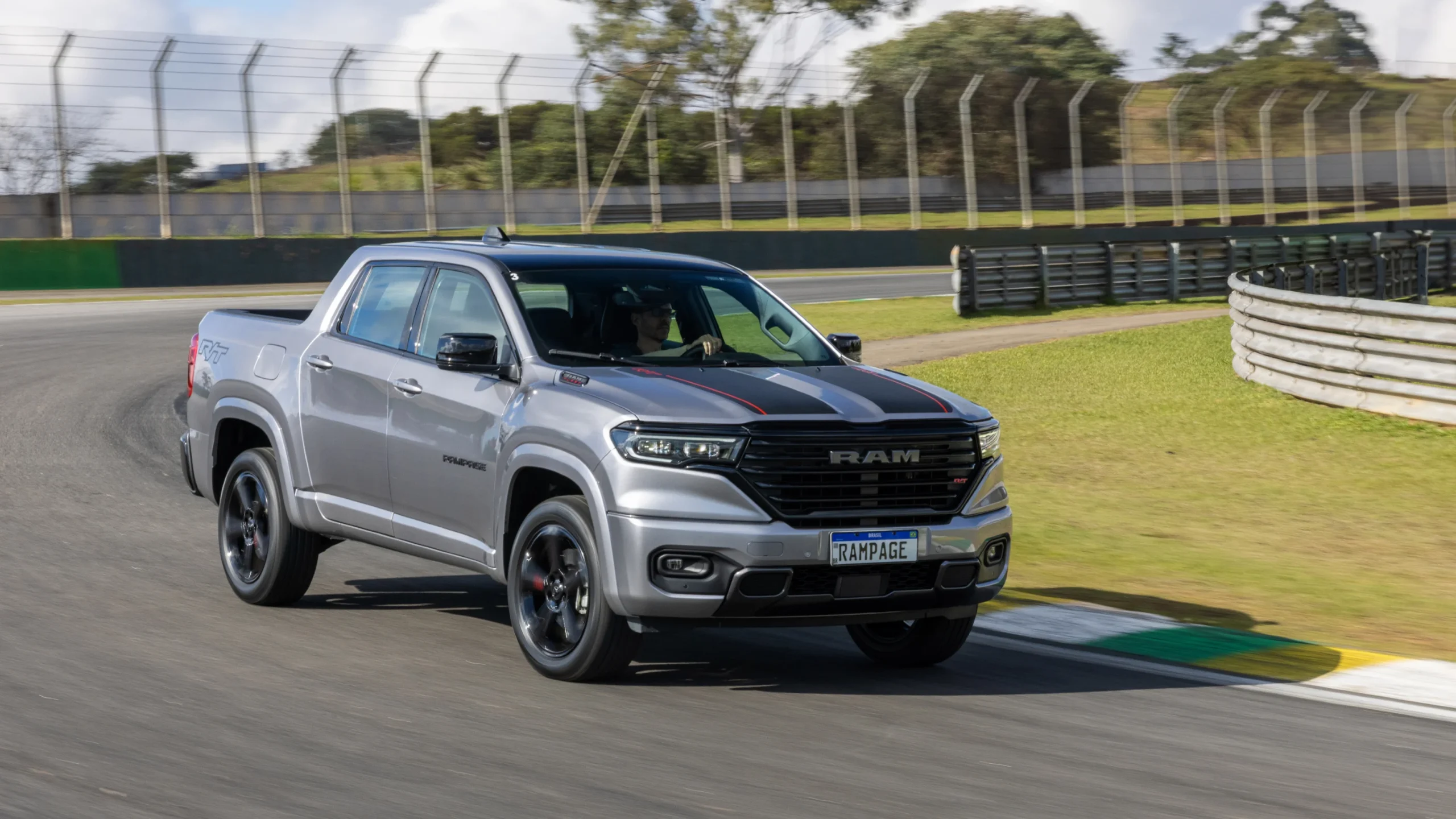
Ram revealed, on Tuesday (31), the flex version of the Rampage. It is the same Hurricane 4 2.0 turbo engine with 272 hp and 40,0 kgfm of torque. This is an old demand, since the engine that arrived in Brazil a few years ago in the Jeep Wrangler could only be fueled with gasoline. But consumption was still lacking.
SEE ALSO:
The consumption data, according to the Brazilian Vehicle Labeling Program (PBEV), from Inmetro, have just been released. And the consumption of the Rampage, in the city, fueled with ethanol does not exceed 5.7 km/l. This in the Laramie version, because in the R/T (which uses wider tires and heavier wheels), consumption is 5.3 km/l, in urban use, when fueled with the sugarcane derivative.
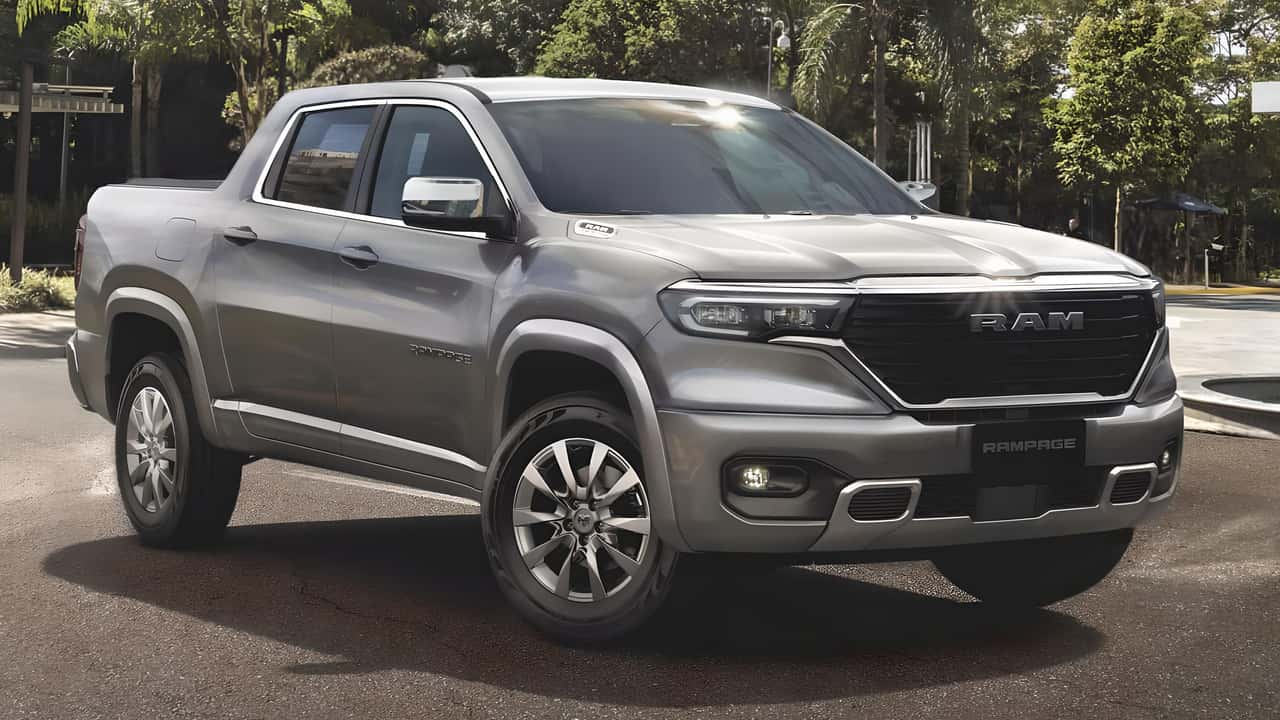
Check the consumption by version, according to Inmetro.
| Version | Fuel | Urban | Road |
|---|---|---|---|
| Laramie | Ethanol | 5.7 km/l | 7.0 km/l |
| Laramie | Gasoline | 8.2 km/l | 10.0 km/l |
| R/T | Ethanol | 5.3 km/l | 6.7 km/l |
| R/T | Gasoline | 7.6 km/l | 9.7 km/l |
And how was the gasoline consumption, with the adjustments of the Hurricane 4 engine? According to PBEV data, gasoline consumption in the Laramie version improved in road use, jumping from 9.8 km/l to 10.0 km/l.
In the R/T version, the scenario is reversed. In the previous measurement (only with gasoline), the Rampage R/T recorded 7.7 km/l in the city and 9.9 km/l on the road route.
We questioned Ram in relation to the change in the results of Inmetro tests, considering that one version improved consumption and another worsened. If the compound or tire sizes have been modified in the 2026 line. The brand claims that the tires are the same.
However, she explains that there is an adjustment in mapping due to the change of mechanical components in relation to the purely gasoline engine. “The engine map, even with gasoline, is changed due to the change of components (it wasn’t just electronic change, the Rampage flex has other components compared to gasoline). This can also generate very punctual changes, even if power and torque have not changed”, explains the brand through its advisory.
In fact, when converting a gasoline engine to flex, it is necessary to change several parts, especially in the supply circuit so that the metals withstand the corrosive effect of the water present in hydrous ethanol. This involves galleries, pistons, cylinders, valves and everything else that has contact with alcohol.
Also according to the brand, items such as a new fuel pump, ethanol sensor, blow-by pipe, camshaft, valve seat, spark plugs, injector nozzles were replaced. Turbo compressor and whip have also been modified.
But what hasn’t changed is the Rampage’s torque offering. The pickup delivers the same strength and cavalry, whether with alcohol, gasoline or any mixture ratio.
| Version | Price |
|---|---|
| Big Horn 2.2 TD | R$ 230.990 |
| Rebel 2.2 TD | R$ 259.990 |
| Laramie 2.0 Turbo Flex | R$ 259.990 |
| Laramie 2.2 TD | R$ 269.990 |
| R/T 2.0 Turbo Flex | R$ 275.990 |



