After a car comes out of warranty, its longevity depends a lot on how it was cared for. Using quality parts is a good start, but is it worth paying the amount charged for the genuine ones supplied by the manufacturer or does an original one from a renowned supplier already meet?
These genuine parts are usually only found in the dealership network and stock for older models can be scarce. Therefore, many consumers and mechanics end up resorting to components available at retail.
on Despite coming in a package and being supplied by the car manufacturer, genuine parts are not always produced in-house. They can come from other suppliers, who work both to serve factories and retail.
Therefore, using a component made by these suppliers may seem like an alternative to save on maintenance. Traditional brands such as Bosch, Denso, Varga, Continental, Schaeffler and others are examples of this.
What are the differences of a genuine
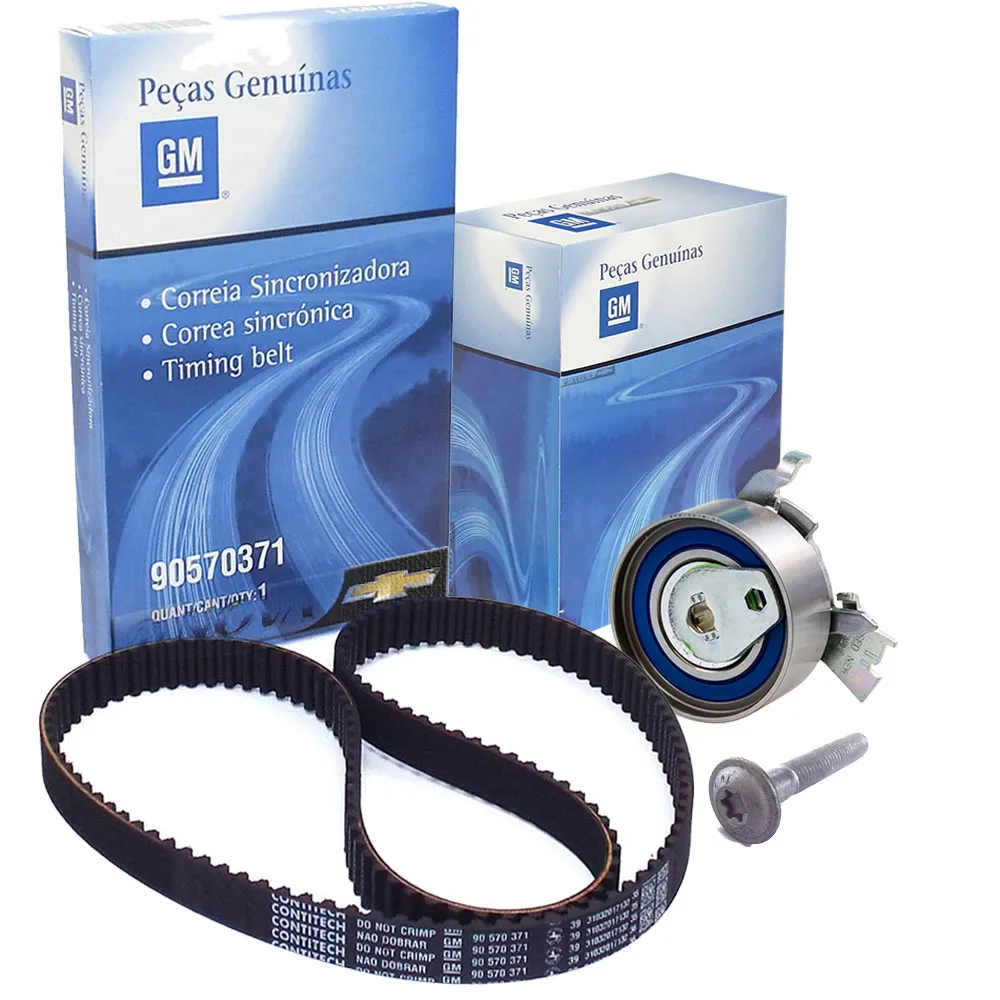
partOften these components are the same ones used in the car manufacturing process (Photo: Chevrolet | Disclosure)
According to General Motors, its genuine parts made by external suppliers need to be validated by the manufacturer and have an identification number for its internal system. It makes requirements for materials, durability, engineering, quality, application and traceability.
It points out that similar parts made by suppliers may have differences in material, quality and be simplified to reduce the final price. The part number is also different in these cases.
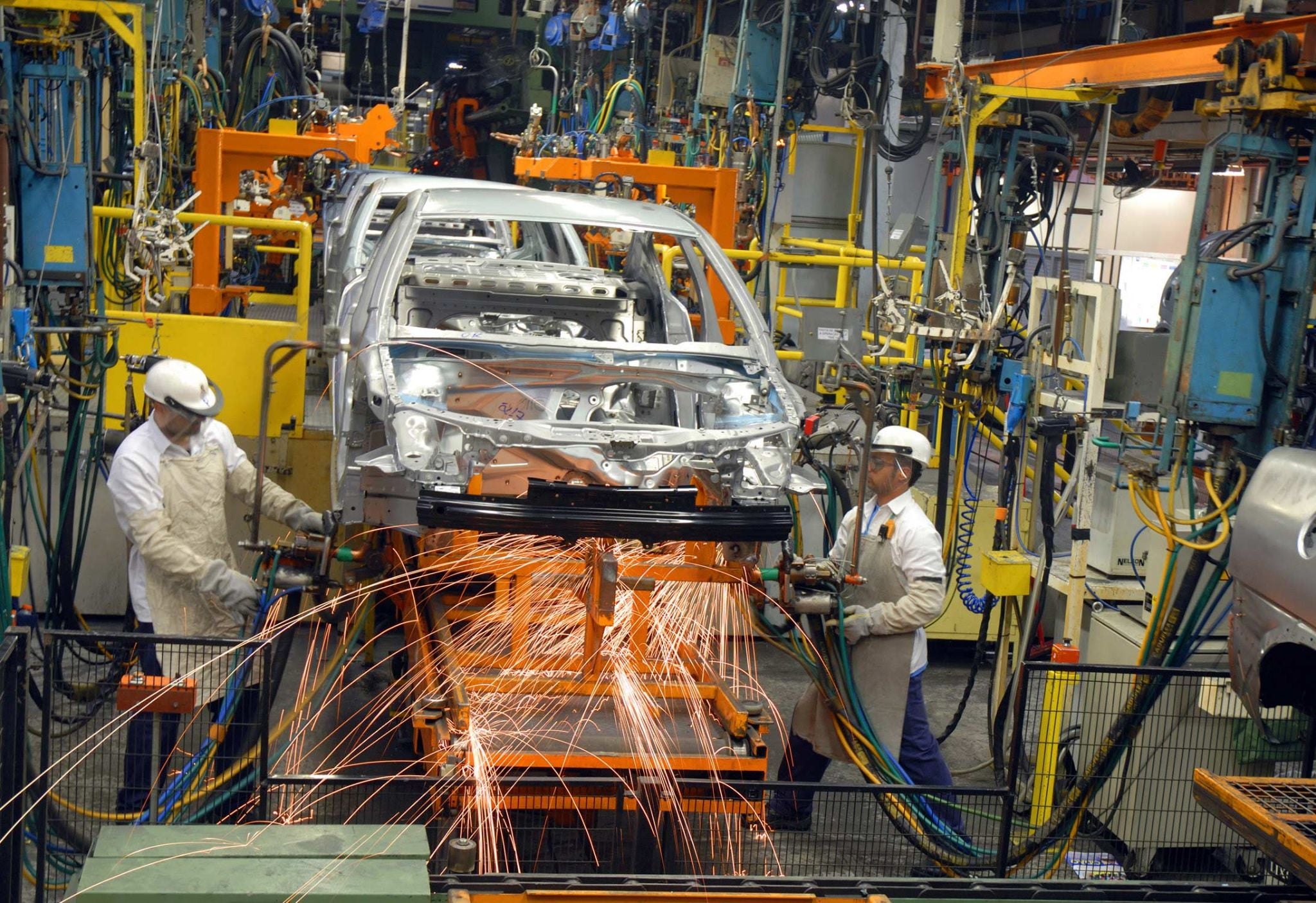
General Motors also points out that its genuine OE (production line) parts are the same as those used in the vehicle manufacturing process. They meet the requirements made by engineering during the development of the car.
It also provides replacement components that are not OE, but are also validated to meet the vehicle’s application:
This means that the genuine part must preserve the fit, functionality and technical requirements defined for the vehicle.”
Genuine parts help preserve the vehicle’s warranty
Not using these components may void the factory warranty (Photo: General Motors | Disclosure)
Today, with new cars offering warranties that exceed five years, maintaining coverage is no longer just a concern for the first owner. This has even become a sales argument in the used market.
According to the General Motors Manual of Warranty Standards and Procedures, parts that are not genuine are not covered by the manufacturer. This and modifications to the vehicle invalidate the warranty of the altered components.
This manual guides the exclusive use of genuine parts during warranty services. Lower quality components tend to last less and can affect other vehicle systems. Therefore, be aware of the services done during this period.
Mechanics have difficulty getting genuine
parts The main sales channel for genuine parts is dealerships. Those who are already without warranty coverage and prefer to take the car to their trusted mechanic will still be dependent on the authorized network if they want to maintain this quality standard.
According to mechanic Ludovico Ballesteros, owner of Pitucha Centro Automotivo, there are parts that the repairer does not have easy access to but the customer does. The solution ends up being to go to a dealership to buy the component.
Despite this inconvenience, Ludovico Ballesteros agrees that it is advantageous to use these genuine parts because of the superior quality. However, not all customers insist on this when performing services.
Comments are the sole responsibility of their authors and do not represent the opinion of this site. Comments containing profanity or offensive language will not be published. If you identify anything that violates the terms of use, please report it.


 part
part