New rules seek to make cars smaller and more agile, to yield more overtaking during races
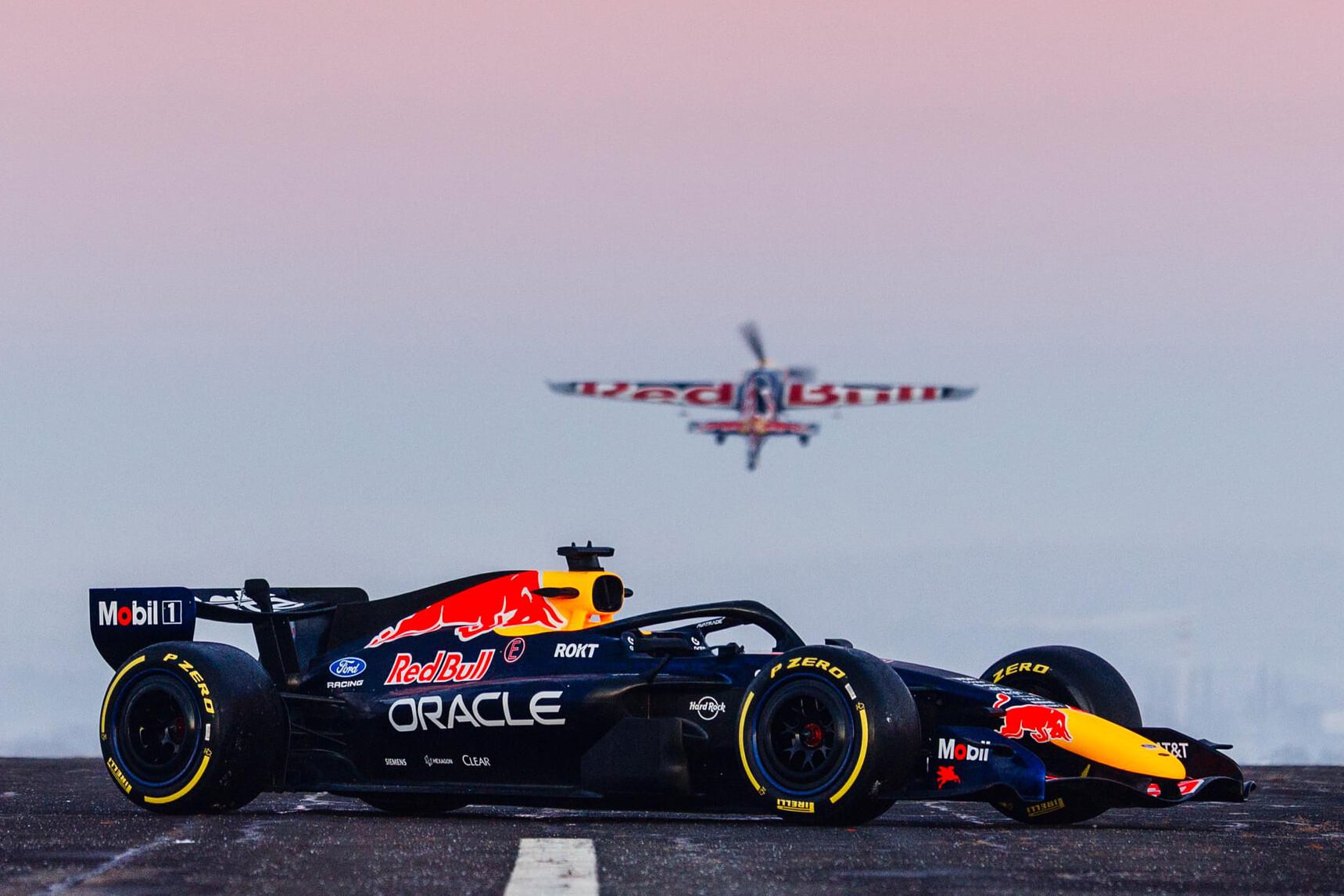
The 2026 Formula 1 season started full of anticipation, as new teams arrived and the regulations changed. The new rules made the cars smaller and lighter than those used in recent years, in addition to giving more prominence to the hybrid system.
The growth of Formula 1 cars in recent years has made overtaking difficult, especially on older tracks and street circuits. The category wants to make the races more competitive.
SEE ALSO:
Let’s start with the smaller measures we mentioned. The wheelbase of the cars should now be 3.4 m, 20 cm smaller than in the previous regulation. They have also become narrower: the floor has been reduced by 10 cm, the front tires by 25 mm and the rear tires by 30 mm.
The weight was reduced as well, with the minimum dropping from 800 kg to 768 kg. The drivers praised the change, saying they were more agile. However, the smaller contact area of the tires can influence grip.
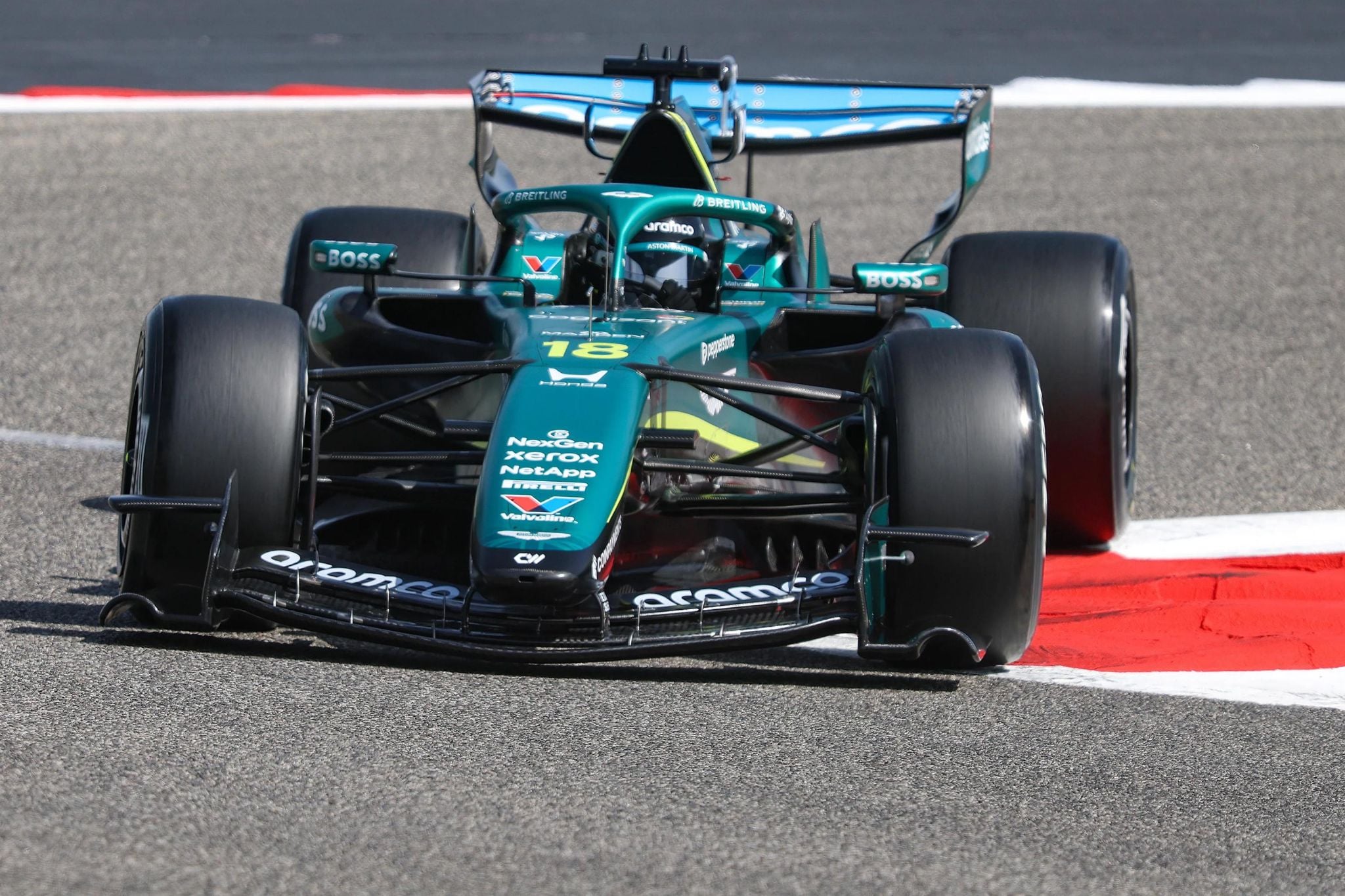
The engine of Formula 1 cars, called the power unit in the next round of the hybrid system, remains a V6 turbo. Basic settings such as the 1.6-liter offset and the 90° angle between the benches have not changed.
The main change was in the hybrid system, which abandoned the MGU-H complex. This system converted the heat generated by the exhaust gases into electrical energy, now the car generates electricity only with the regeneration made during braking.
The power of the electric motor that assists the V6 grew from 163 hp to 476 hp. The engine of the combustion Formula 1 cars had its power reduced to about 545 hp. The idea is to have a split of almost 50% for each form of propulsion.
The fuel that powers the V6 turbo is now synthetic and made in the laboratory. Formula 1 says the 2026 season will be carbon neutral, as it is even offsetting emissions from the planes and trucks that carry everything.
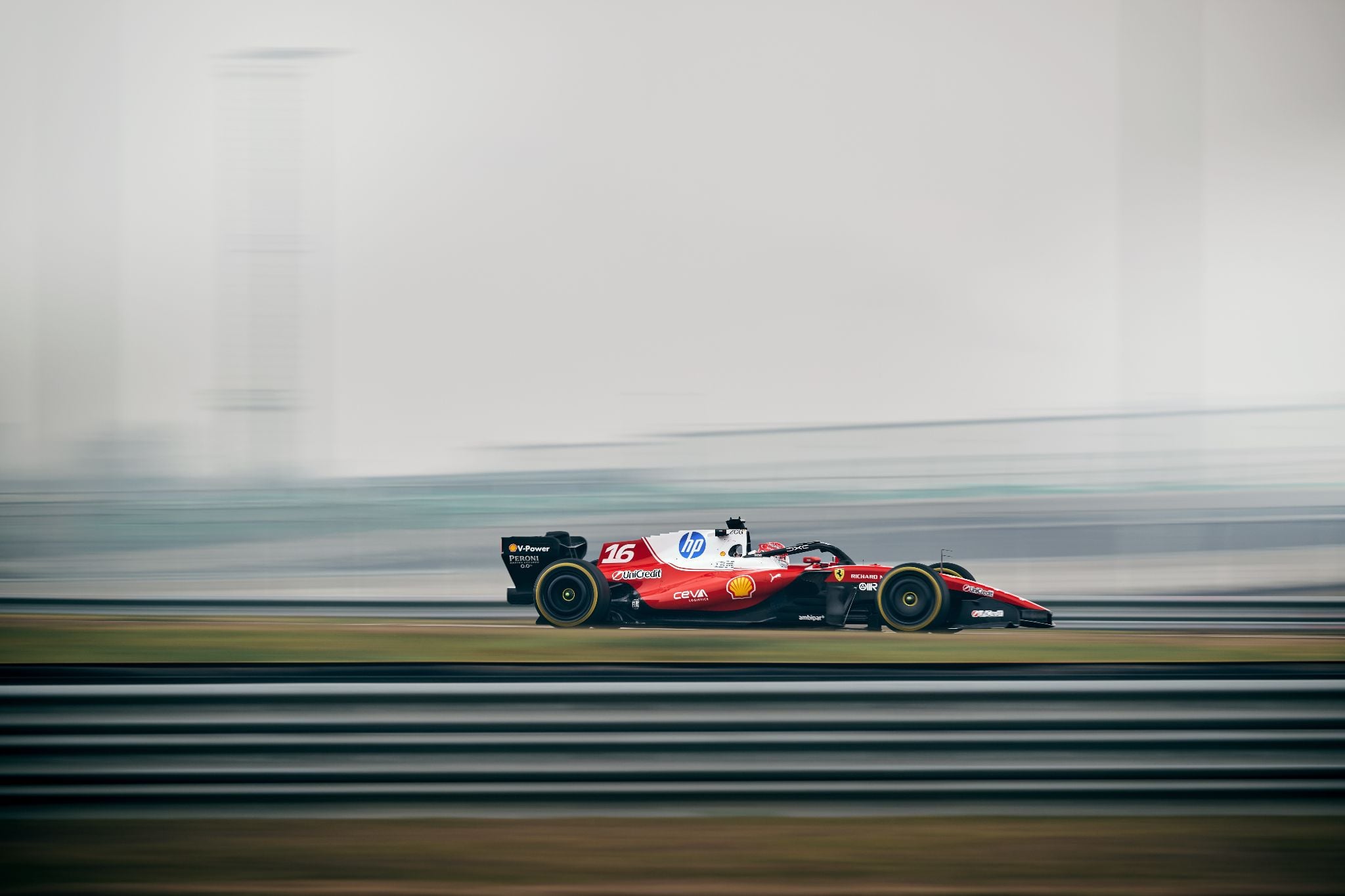
Street super sports cars have had active aerodynamics for years, changing the profile of spoilers to prioritize grip or top speed. This technology has finally been adopted in Formula 1 cars automatically.
When the track is dry, the car opens the rear mobile wing, as was the DRS, and the novelty is to also move the highest flap of the front spoiler. This is done automatically on every lap and at certain points on the track. In the corners they return to normal to help with grip.
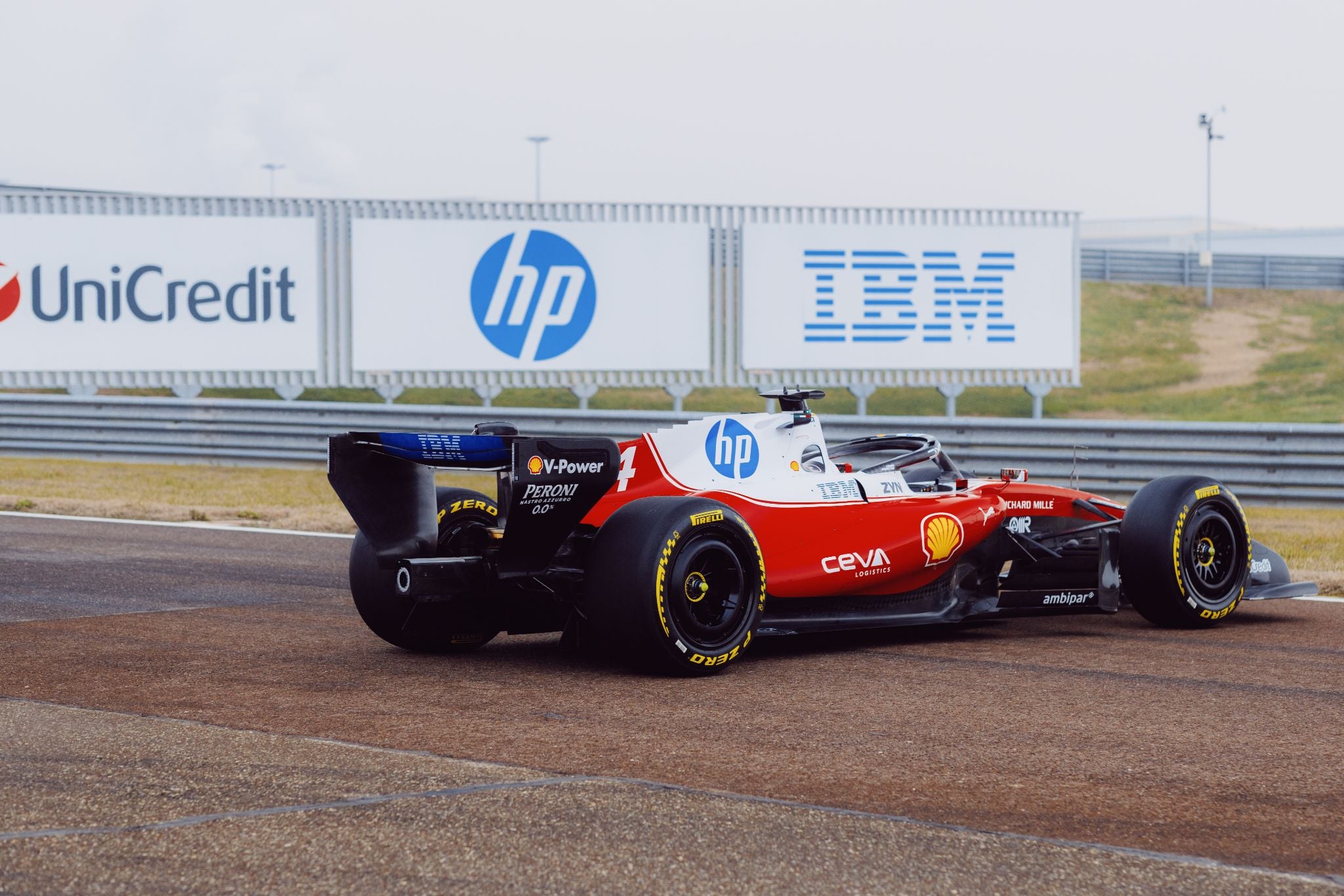
As DRS has become something automatic in cars, Formula 1 has brought two different ways for drivers to change positions. The first is the Overtake Mode, overtaking mode in Portuguese, which is activated by a button on the steering wheel.
It can only be triggered at a specific point on the track, usually at the end of the last corner before the main straight, and only once per lap. This button allows you to store additional energy in the battery, which is released on the straight, giving more speed to the car.
The other button added to the steering wheel is the “Boost”, which also allows you to release the energy stored in the battery to deliver more power. The difference is that it can be used by the driver when he sees fit, serving both to overtake and to avoid one.
It can be used all at once, or it can be triggered multiple times per lap. The “Boost” button should yield a few different strategies for the races.



