


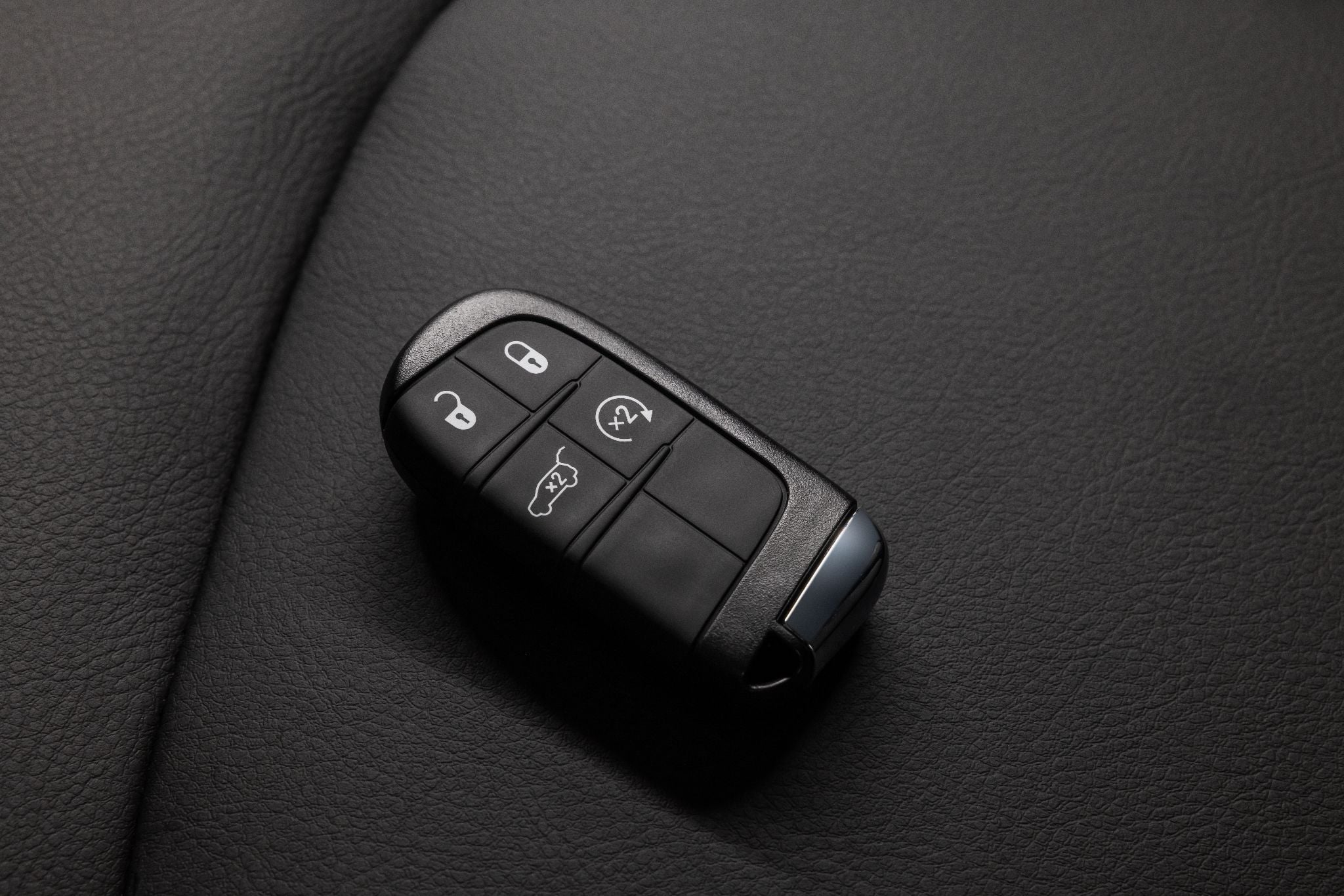
Face-to-face key can drain your car’s battery; understand!
Technology used in models that have a face-to-face key remains constantly active with proximity and can use a lot of battery energy
By
Julia Vargas
Published on 2026-04-19 at 11:00 AM
Updated on 2026-04-19 at 11:29 AM
Published on 2026-04-19 at 11:00 AM
Updated on 2026-04-19 at 11:29 AM
Be the first to comment.
Summarize with:
Have you ever heard drivers complaining that the batteries of the most current cars are not lasting at all, or have a much shorter lifespan than in the past? Well, the fault may well not be the automakers or new technologies, but the face-to-face key and the forgetfulness of the drivers.
Many owners believe that, because they are in a safe environment such as a closed garage and for convenience, there is no need to lock the vehicle, so they end up leaving the face-to-face key next to their car. However, this seemingly harmless habit is a sure blow to battery life, and can cause unexpected crashes when starting.
SEE ALSO:
- Start/Stop and Start&Stop: what’s the difference?
- The battery of the face-to-face key is over, now what? Solution is simple!
- The myth of the addicted battery: study shows the real durability of electric cars
With the face-to-face key nearby, your car is always ‘alert’
When the vehicle is not properly locked, because the face-to-face key is nearby, there is excessive energy consumption. This is because the system operates through a constant “conversation” via radio frequency between the key and the car’s antennas.
That way, if the key is stored too close to the vehicle (such as on a bench next to the garage, on the car’s tire or on the windshield), this communication does not stop.
This non-stop dialogue generates a double wear:
- In the vehicle: The immobilizer and receiving antennas spend energy searching for the signal from the key.
- On the switch: The controller’s internal battery drains faster to keep the radio link active.
The car never ‘rests’, it is always ready to work with the systems activating and deactivating all the time. And who suffers from this is the battery, so it will have a much shorter lifespan.
How to preserve the battery and the face-to-face key
To make sure your battery lasts longer, follow these guidelines:
- Always lock the vehicle: Even in safe places, activate the lock. This sends a command for the electronics to start gradual shutdown, reducing current consumption to a minimum.
- Keep your distance: Store the face-to-face key away from the range of the car’s antennas.
- Extra Protection: If you need to keep the key nearby, use packaging that blocks the signal (such as specific covers or even aluminum foil), preventing unnecessary data exchange.
SEE MORE ABOUT

0 Comments
Comments are the sole responsibility of their authors and do not represent the opinion of this site. Comments containing profanity or offensive language will not be published. If you identify anything that violates the terms of use, please report it.