


CNH 2026: 7 situations in which the candidate cannot even start the driving test
If some mistakes are made, the candidate cannot even start the practical test; check out what the Brazilian Manual of Vehicle Driving Tests says
By
Julia Vargas
Published on 2026-08-12 at 03:00 PM
Published on 2026-08-12 at 03:00 PM
Be the first to comment.
Summarize with:
The new Brazilian Manual of Vehicle Driving Exams (MBEDV), prepared by the National Traffic Secretariat (Senatran), standardized the criteria for obtaining the National Driver’s License (CNH) throughout the national territory. Linked to Contran Resolution No. 1,020/2025, the document establishes strict requirements that may prohibit the performance of the driving test even before the candidate starts the vehicle.
The new regulation profoundly changed the driver training process, with changes such as the reduction of the minimum practical workload from 20 to two hours/class, the release of cars with automatic transmission, the simplification of the scoring system and the non-mandatory nature of the goal.
SEE ALSO:
- New CNH: driver who takes an automatic car test may be prohibited from driving manually
- Official: beacon is removed from the driving test to obtain the CNH, announces government
- New rules for CNH: what has changed in the practical motorcycle exam
The 7 situations that prevent the start of the practical exam
Before demonstrating mastery over maneuvers, driving and traffic rules, the candidate needs to comply with requirements involving clothing, health, vehicle conditions and even the weather. The evaluation will not even be initiated in the following cases:
- Use of inappropriate footwear: the candidate must wear shoes firmly attached to the heels that ensure the safe activation of the pedals. The use of flip-flops, open sandals or unstable shoes prevents the test.
- Absence of mandatory devices: those who have a restriction marked in the physical and mental fitness exam must use the indicated resources, such as corrective lenses, glasses, prostheses or hearing aids.
- Signs of drunkenness or use of psychoactive substances: any indication of alcohol consumption or substances that alter psychomotor capacity cancels the evaluation immediately.
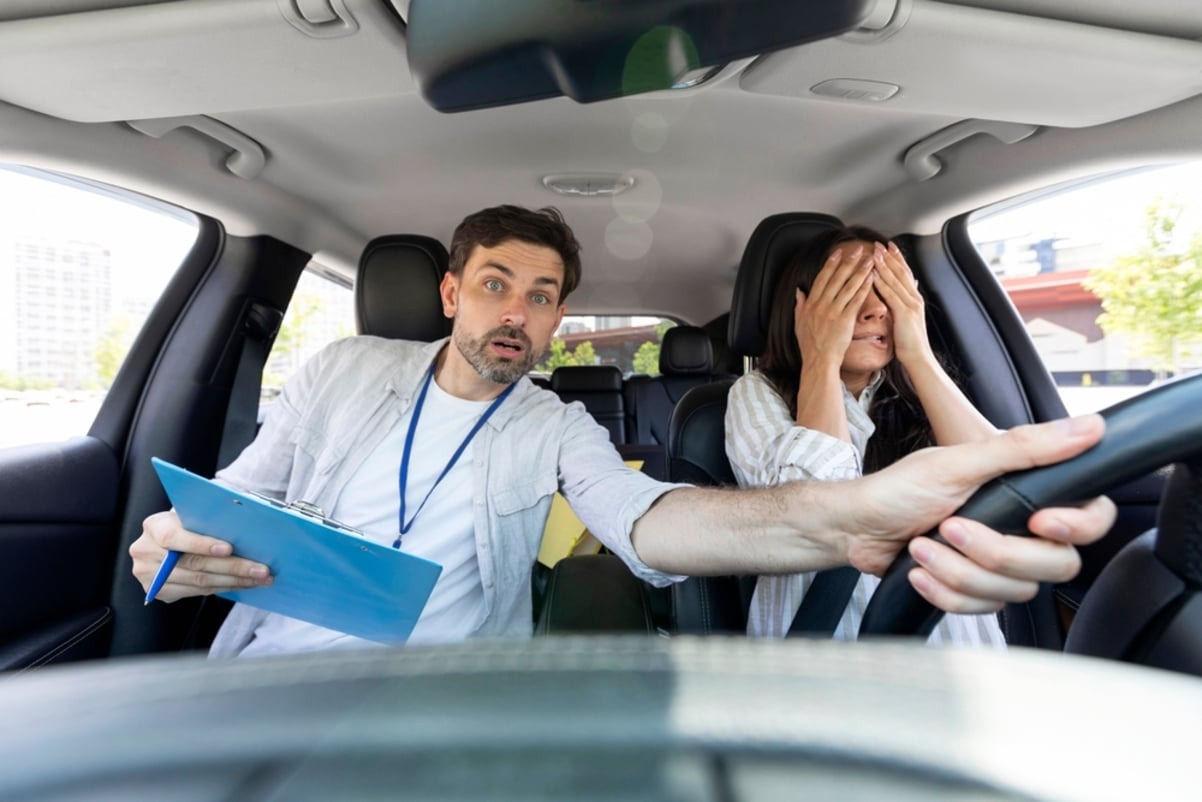
- Lack of emotional conditions: although nervousness is expected, extreme states of anxiety or overt emotional instability that compromise safe driving lead to the suspension of the test.
- Safety irregularities in the vehicle: cars with problems in the brake system, worn tires, faulty lighting (burnt headlights, turn signals and taillights) or irregular documentation are not allowed to run in the race.
- Insufficient fuel or autonomy: the vehicle used must have enough fuel (or battery charge, in the case of electric vehicles, which with the new legislation are allowed to carry out the exam) to complete the entire scheduled route.
- Adverse weather conditions: storms, heavy rain, hail, flooding or strong winds that put safety at risk authorize the examiner to postpone the test.
Rules for the interruption of the test in progress
Even if the race is allowed to start, the MBEDV foresees the early end of the course. The evaluation may be interrupted if the candidate demonstrates severe technical incapacity, lack of emotional control during the journey or commits a direct eliminatory infraction. In these situations, the result is formally recorded by the examining committee as immediate failure.
SEE MORE ABOUT

0 Comments
Comments are the sole responsibility of their authors and do not represent the opinion of this site. Comments containing profanity or offensive language will not be published. If you identify anything that violates the terms of use, please report it.