Japanese brands do not usually create specific cars for any market, their range is very globalized and aligned with the matrix. However, there are always exceptions to meet some market that is on the rise and requires something different.
We are not talking about changes in finish colors, equipment offer or flex engine. These five Japanese cars had a project or significant changes made for our market.
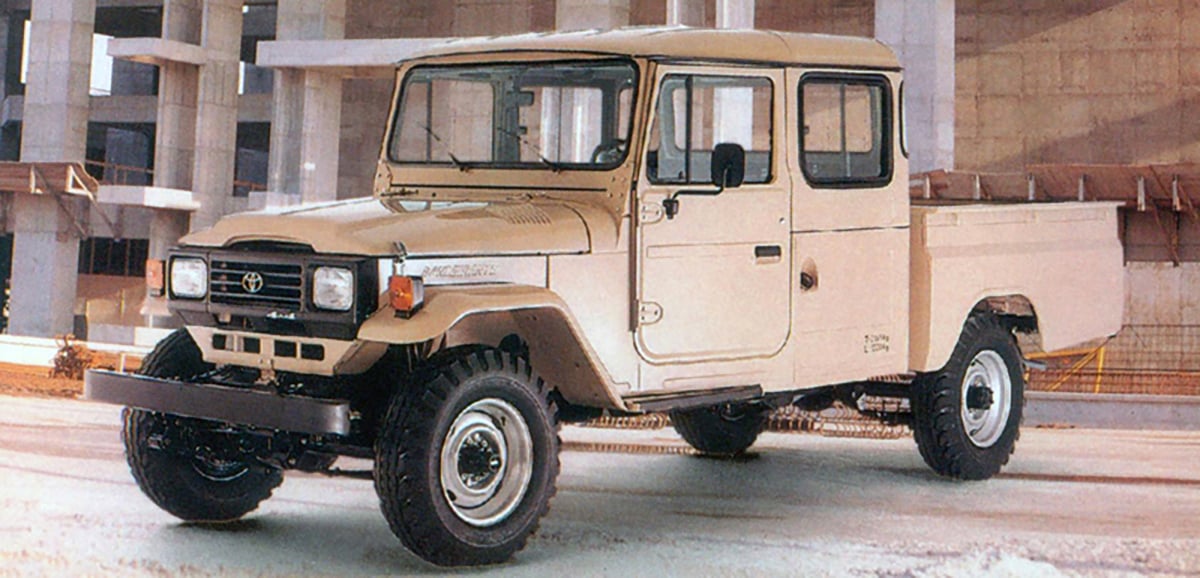
This double cab pickup body only existed here (Photo: Toyota | Disclosure)
Our Toyota Bandeirante was the second generation of the renamed Land Cruiser, when it began to be made in 1959 it came with a Japanese 6-cylinder gasoline engine. In 1962 they replaced this engine with a 3.4 diesel from Mercedes-Benz, to increase the nationalization rate.
The German diesel engine was just one of the changes made to the Land Cruiser for Brazil. During national production, three different Mercedes-Benz diesel engines were used, in addition to a more modern unit from Toyota itself from 1994.
It was only in Brazil that the double-cab pickup body existed, with the longest chassis ever used in the model. The Land Cruiser J40 was discontinued globally in 1984, but the Bandeirante remained in production until 2001, receiving in 1989 a face-lift that brought a plastic grille and square headlights.
These exclusive models from Brazil are highly sought after abroad. There are already companies in the USA that specialize in importing and modifying Brazilian Bandeirantes.
2. Mitsubishi L200
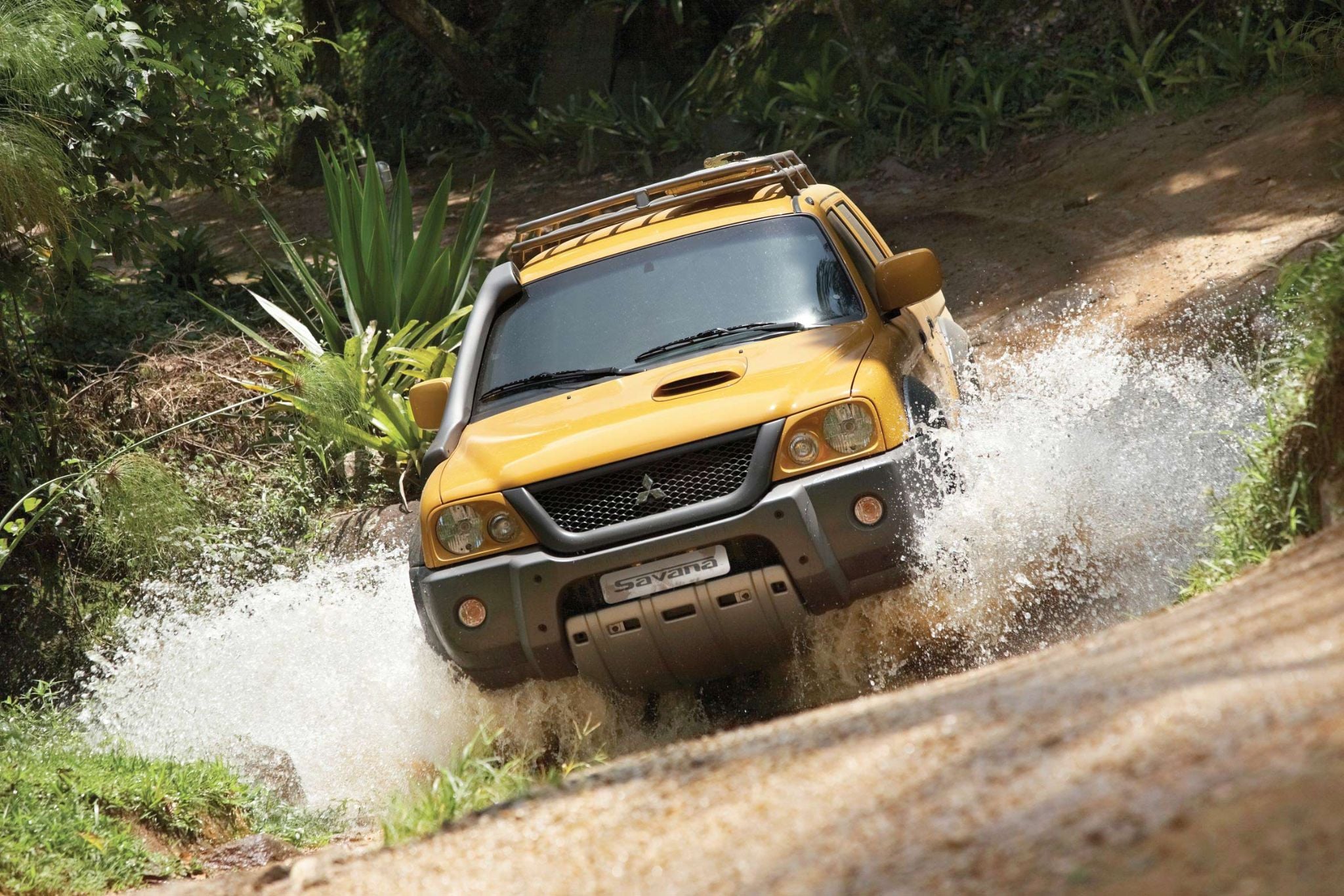
The pickup received a series of improvements for Brazil, which includes the engine with variable geometry turbo (Photo: Mitsubishi | Disclosure)
Mitsubishi in Brazil is operated through HPE Automotores, founded by Eduardo Souza Ramos. The agreement between the Brazilian company and the Japanese manufacturer allows a certain freedom to change cars, an important factor for the brand’s success here.
The national production of the L200 pickup, in Catalão (GO), began in 1998, the following year came the first Brazilian changes in the model. It gained circular headlights, a redesigned dashboard, improvements in sound insulation, more robust suspension and an improved cooling system.
Mitsubishi’s 2.5 diesel engine was old and weaker than the average in the category, HPE made improvements to it to be more competitive. In 2003, along with another aesthetic update, this engine received a new intercooler, electronic fuel pump and variable geometry turbine, which can reach 141 hp.
The Brazilian L200 also gained exclusive versions, such as the Savana prepared for off-road. This tradition continued with the Triton, which is more in line with the global model but continues to receive versions designed for the Basil and small improvements.
3. Toyota Fielder
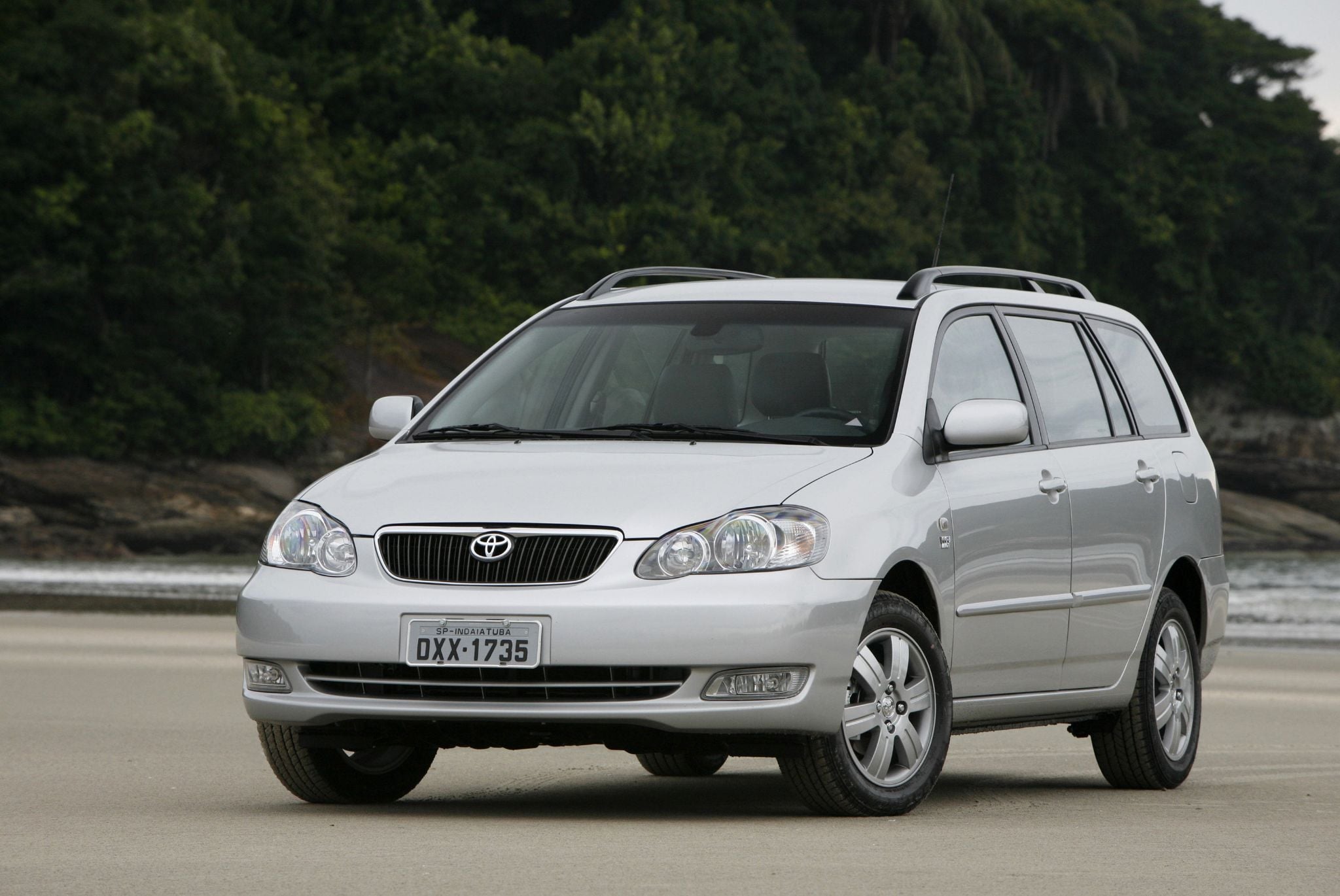
The combination of the Japanese body with the front used in Brazil was exclusive to us (Photo: Toyota | Disclosure)
The Toyota Corolla is a car that has some variations for different markets. The ninth generation, dubbed here as “Brad Pitt”, had a shorter version for Japan, Australia and Europe, to be classified as compact in its homeland. Here we received the Southeast Asian model, with a more sophisticated appearance to be sold as an executive car.
The station wagon body only existed in the Japanese specification, but Toyota do Brasil saw that there was room for it in our market. At the time, the only national medium option left was the Fiat Marea Weekend and there were imported models such as the Peugeot 307 SW.
Toyota do Brasil was the only division to produce the Fielder station wagon with the front and interior of the model sold in Southeast Asia and the American continent. Our station wagon was exported to neighboring countries and managed to be successful.
When the next generation came, Toyota was at an impasse: the Corolla sedan sold in Brazil was 10 cm wider than the Japanese model. For Fielder to continue to exist, it was necessary to develop a wider body or sell the narrower Japanese station wagon.
She ended up giving up on the model. Today there is the station wagon with the same body as the sedan produced in Brazil, but we already have the Corolla Cross SUV as a family option.
4. Honda WR-V
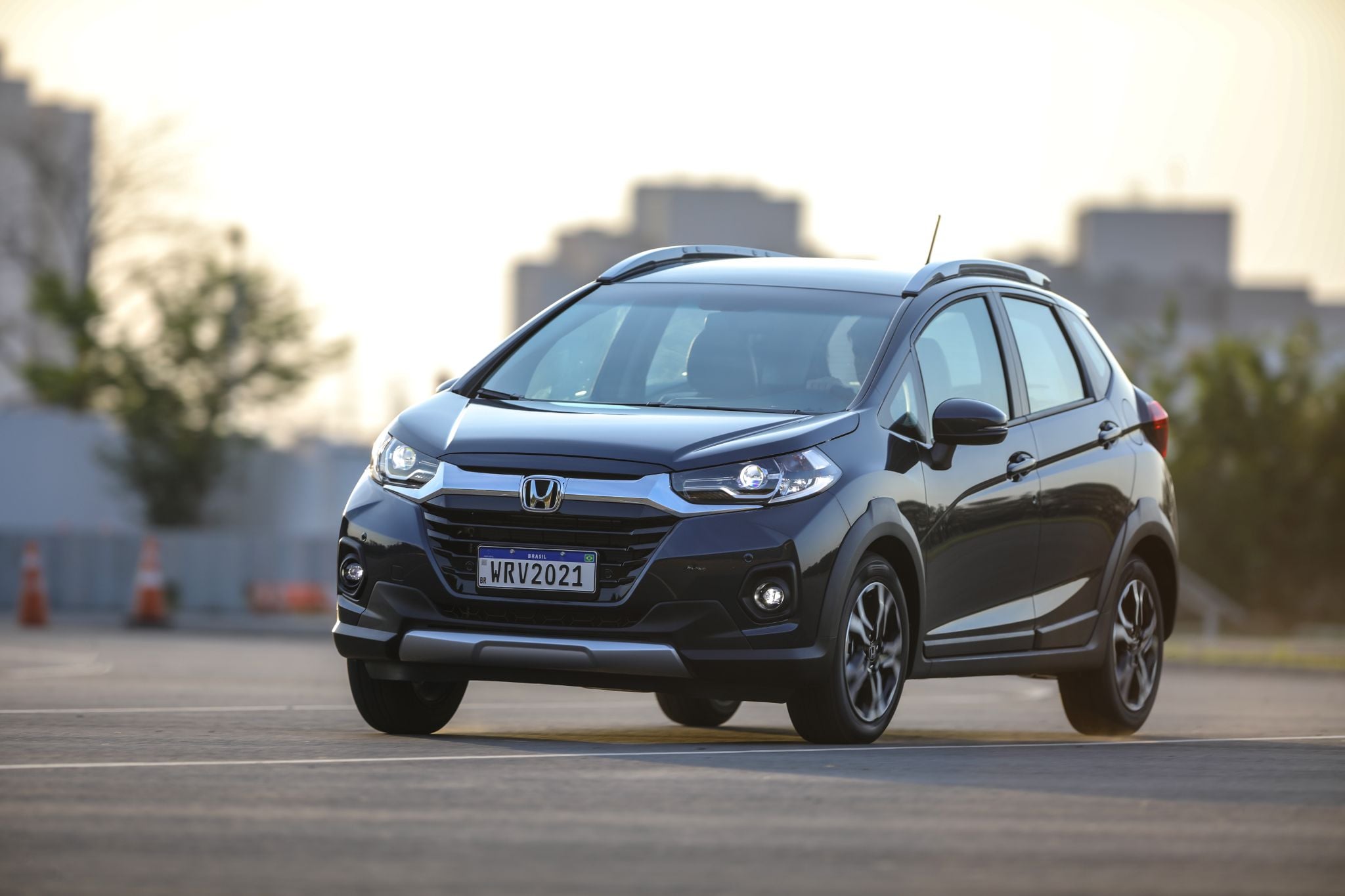
Even derived from the Fit, the first WR-V is to date the only car of the brand developed for Brazil (Photo: Honda | Disclosure)
During the 2000s, all compact cars needed to have some adventurous version, to keep up with the success of the VW CrossFox, Fiat Palio Adventure and the Ford EcoSport. Honda was slow to react and only did so in 2012 with the Fit Twist, which only had a few appliqués and continued with the low suspension characteristic of the hatch.
The Japanese company made up for this in 2016, when it launched its first (and only) car developed for Brazil: the WR-V. Despite the new name and being called an SUV, the model was an adventurous version of the Fit with the formula that is used today by entry-level SUVs.
The first WR-V featured the Fit monocoque, but the entire front section of the body and the rear were redesigned. It also received raised suspension, with wider gauges and was the first national Honda to have shock absorbers with hydraulic stops.
This WR-V was also produced in India and sold in South Africa, but the project was a collaboration between the Brazilian and Japanese engineering centres. The second, and current, generation of the WR-V was designed by the Thailand development center, without taking advantage of the Fit’s body panels and with a beefier SUV appearance.
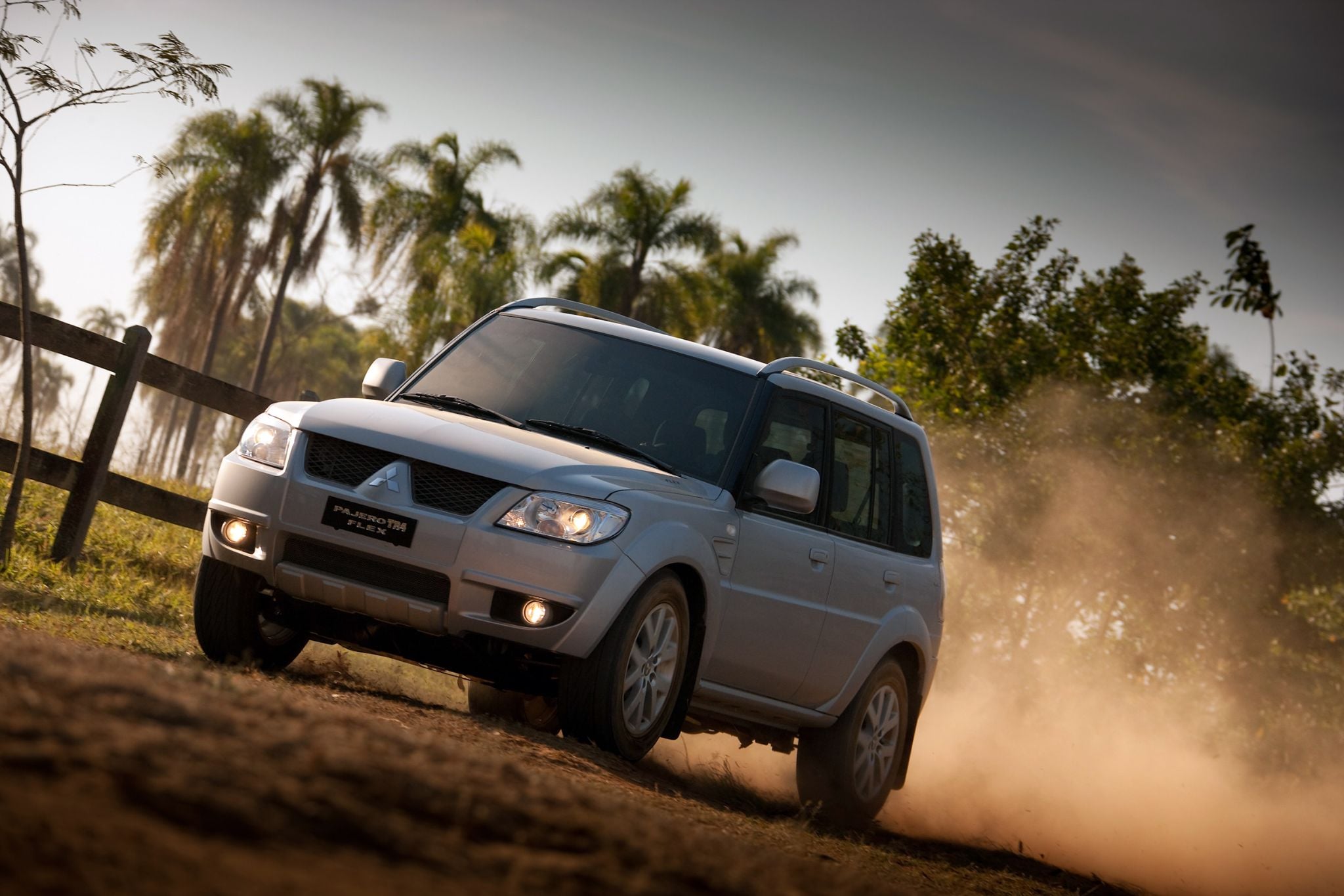
5. Mitsubishi Pajero TR4
The TR4 is based on the Pajero iO, which was a global failure (Photo: Mitsubishi | Disclosure)
Mitsubishi’s Brazilian division managed to save a car that was a global failure, the Pajero iO. The model was nationalized in 2002 with some visual changes and with a 2.0 engine in place of the 1.8.
The jeep was a competitor of the Suzuki Vitara, bringing a traditional layout of longitudinal engine, 4×4 traction with reduced and rigid axle at the rear. Mitsubishi’s exclusive feature was to have a central differential in traction, allowing it to be used on asphalt and at highway speeds.
The Brazilian Pajero TR4 later received a face-lift with round headlights, to be in line with the L200. Its engine became flex in 2007, to compensate for the high consumption with ethanol a 72-liter tank.
In 2009 came another face-lift for the Pajero TR4, which brought the headlights of the Airtrek and the on-board computer of the Chevrolet Astra. The jeep was produced until 2015, giving way to the ASX with a more urban proposal.
Comments are the sole responsibility of their authors and do not represent the opinion of this site. Comments containing profanity or offensive language will not be published. If you identify anything that violates the terms of use, please report it.