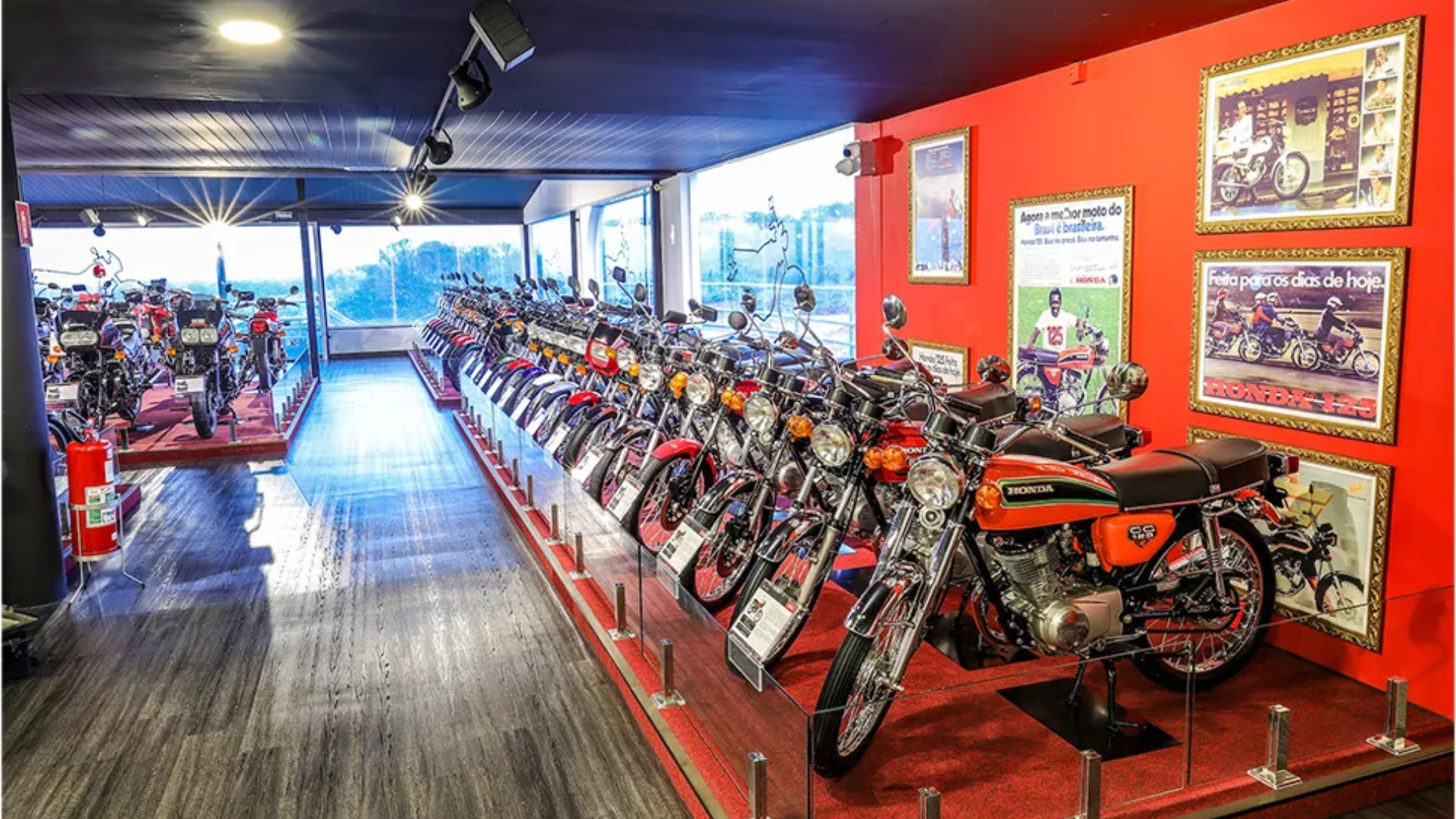
Responsible for the popularization of the motorcycle in Brazil, the Honda CG, produced in Manaus (AM), completes 50 years and counting. Much more than a means of transport, the small utility vehicle is a kind of jack of all trades, with more than 15 million units sold.
It wasn’t the Beetle, the Volkswagen Gol, or the Fiat 147 and the Uno combined. The best-selling vehicle in the history of Brazil is the Honda CG motorcycle, which is completing 50 years, including a special commemorative edition. There are already more than 15 million units, since the first one, nicknamed CG 125 Bolinha, which came off the assembly line of the factory built in Manaus, Amazonas, at the end of 1976. In an approximate calculation, about eight Brazilians in each group of 100, have already taken a CG to their garage. About 8% of the Brazilian population. A true phenomenon.
The phenomenon is even more remarkable due to the geographical characteristics of the factory installed in Manaus, in the Amazon region, which requires insane logistics. Access by land even exists, but it is unfeasible by unpaved highway, the challenging BR-319, with 885 km, which connects Manaus to Porto Velho, which is only passable in dry periods, which practically does not exist.
In this way, the supply of inputs to the factory and the dispatch of motorcycles takes place by ferries to Belém and from there by trucks or cabotage to the rest of Brazil in a process that can take more than a month.
All this trouble is compensated by tax incentives, exemption from various taxes, provided by the Manaus Free Trade Zone, which reduce the final price of the CG and justified the installation of the factory in Amazonas, ignoring the metallurgical pole of the southeast region.
However, the distance also caused side effects. With no component suppliers around, Honda’s motorcycle factory in Manaus started to produce parts that would normally be purchased in the market. Wheels, seats, tubes, etc., transformed the CG factory into the most verticalized in the world. It produces and manufactures the model and does not just assemble the bike.
Over time, Honda also started to produce other types of motorcycles, ranging from 110 to 1,100 cm3. However, the CG and its versions still account for about a third of the brand’s entire volume in Brazil.
Trajectory
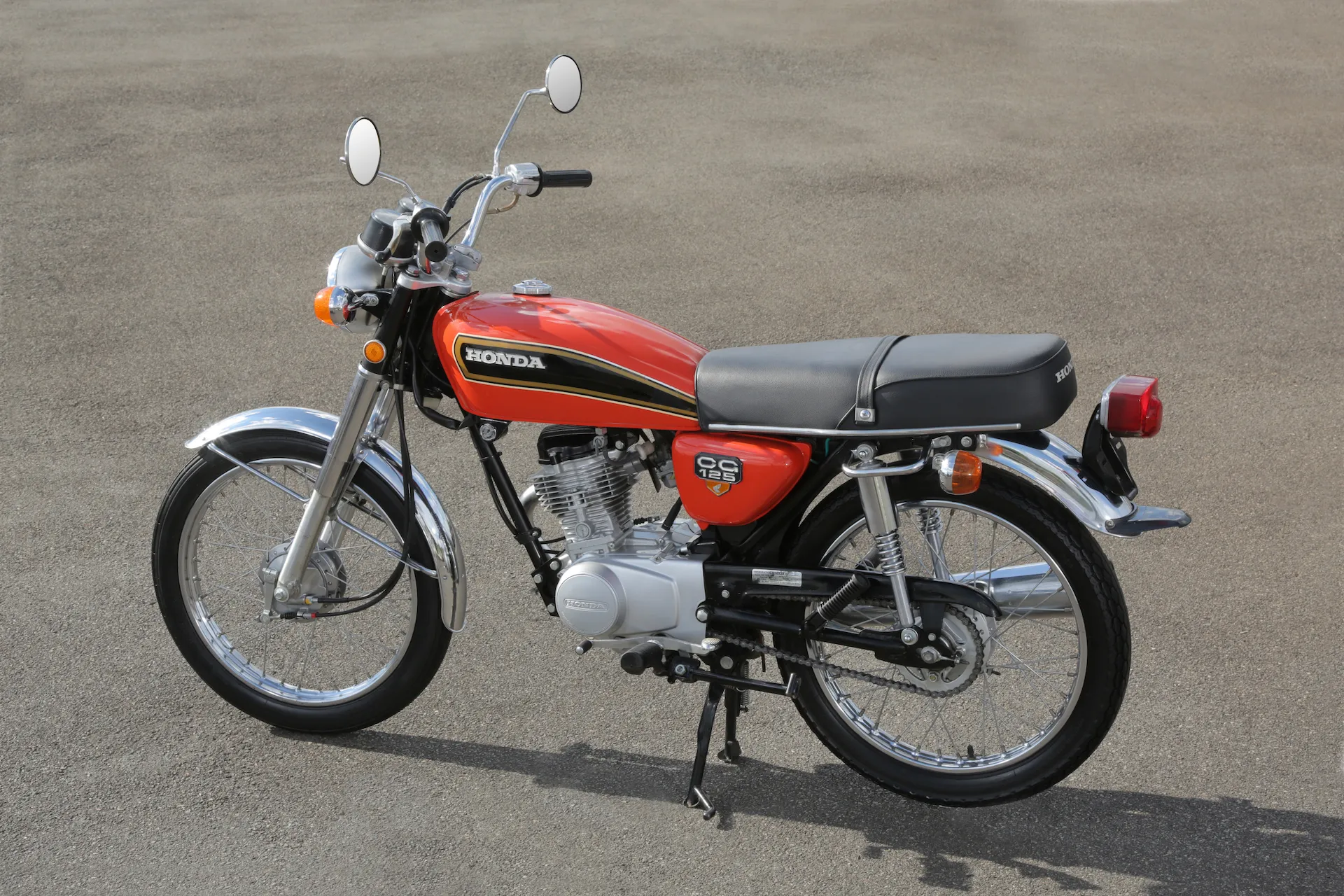
The CG, City General , was based on the imported CB 125, adapted to Brazilian conditions. The 1976 CG 125 ball, which remained practically unchanged until 1982, had an air-cooled single-cylinder engine, with rod camshafts, without any sophistication, but robust and durable.
Another curious feature was the gearbox. Only four gears, operated “down” and not “up”, as currently standardized. The carbureted OHV engine yielded 11 hp. To popularize the national CG 125, the launch advertising campaign had a strong poster boy. Edson Arantes do Nascimento. O Pelé.
From 1976, when the first CG 125 left the assembly line, until the presentation of the commemorative CG Special Edition in 2026, half a century later, there were 10 generations and several versions and models in constant development
Alcohol and racetrack CG
Honda CG 125 1976 (Photo: Honda | Disclosure)
However, another curiosity. In 1981, with the consequences of the oil crisis, the CG 125 was launched with alcohol. The first in the world with this fuel. However, he did not dispense with a six-pack of gas under the seat, to help with matches on cold days.
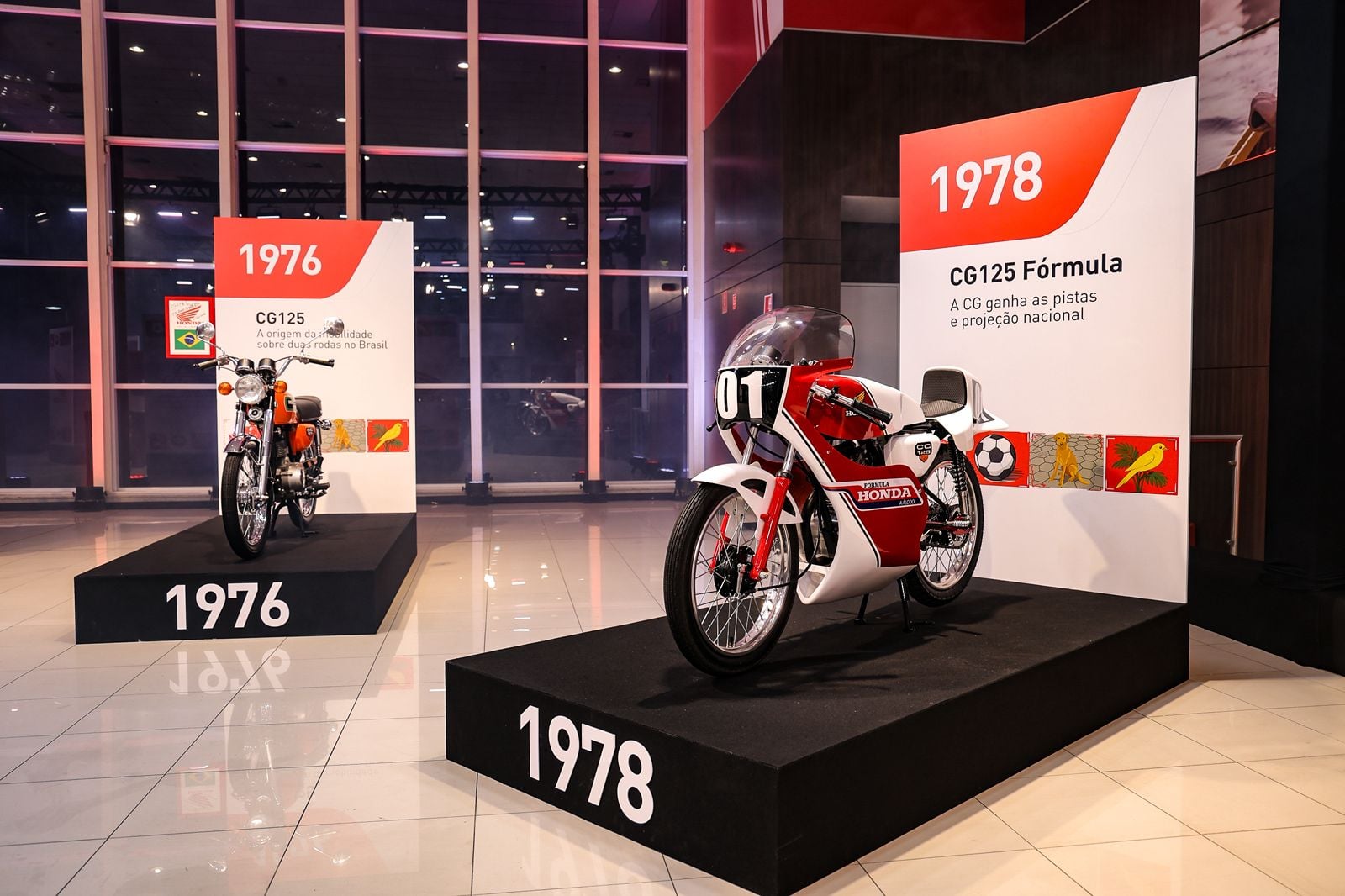
Before that, in 1978, CG hit the track with the CG 125 Formula. A one-make competition with equal bikes, following the advice of Soichiro Honda, founder of Honda, that Honda does not exist without competitions. In the same vein, between 1976 and 1990, during the ban on imports, CG models were adapted to compete in the national off-road.
Second generation
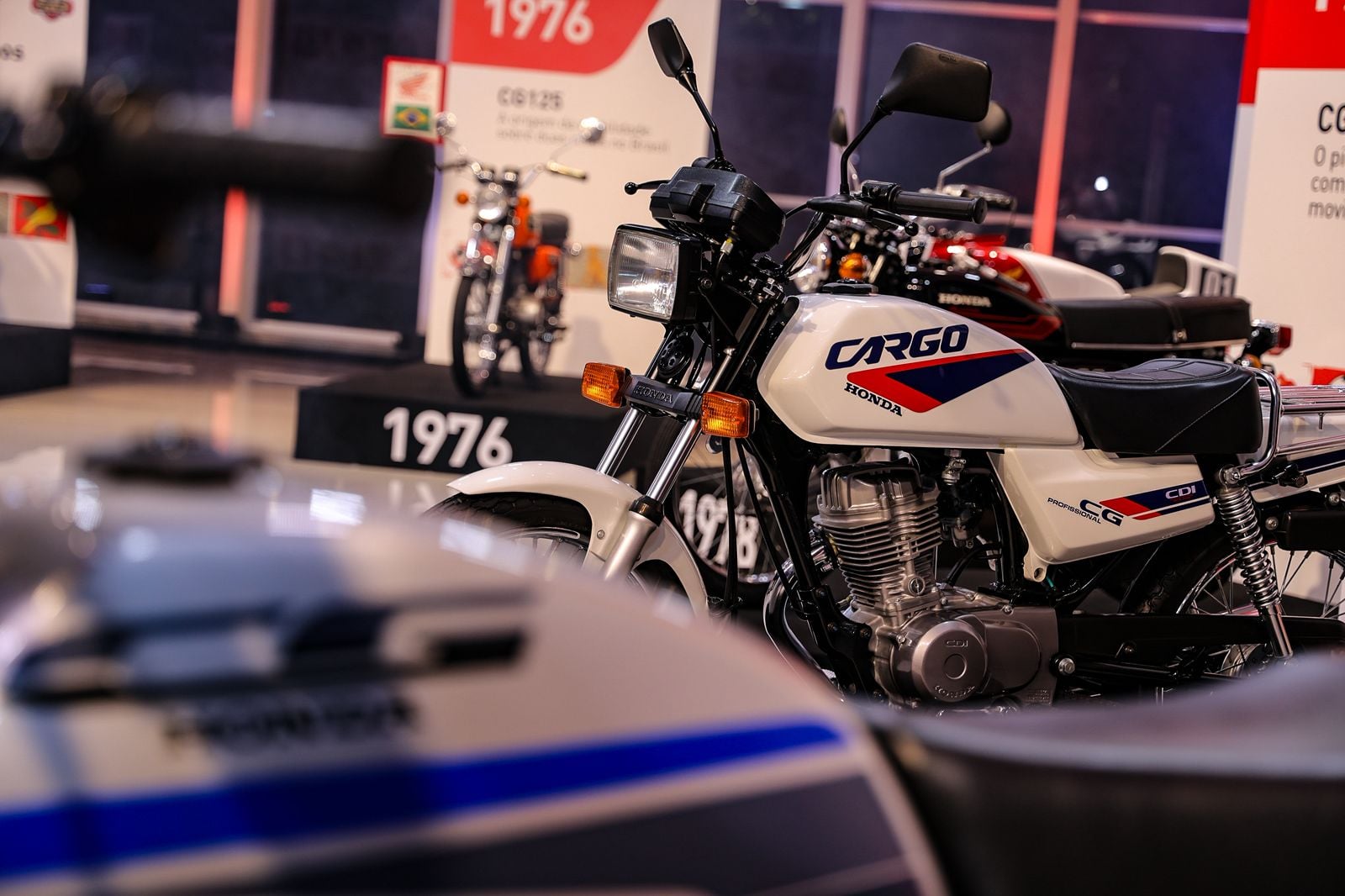
The second generation, which ran from 1983 to 1988, brought visual and mainly mechanical changes. Finally the electrical system went from 6 to 12 Volts, the brakes and suspensions became more efficient. The gearbox also finally gained five gears, with universal drive, and in 1988 the CG 125 Cargo is launched, for commercial use. A kind of premonition for the explosion of delivery during the pandemic years later. At this time, another use for a utility motorcycle. He began to replace animals, such as the horse and the donkey in the backcountry work.
Third generation CG: 1989 to 1994
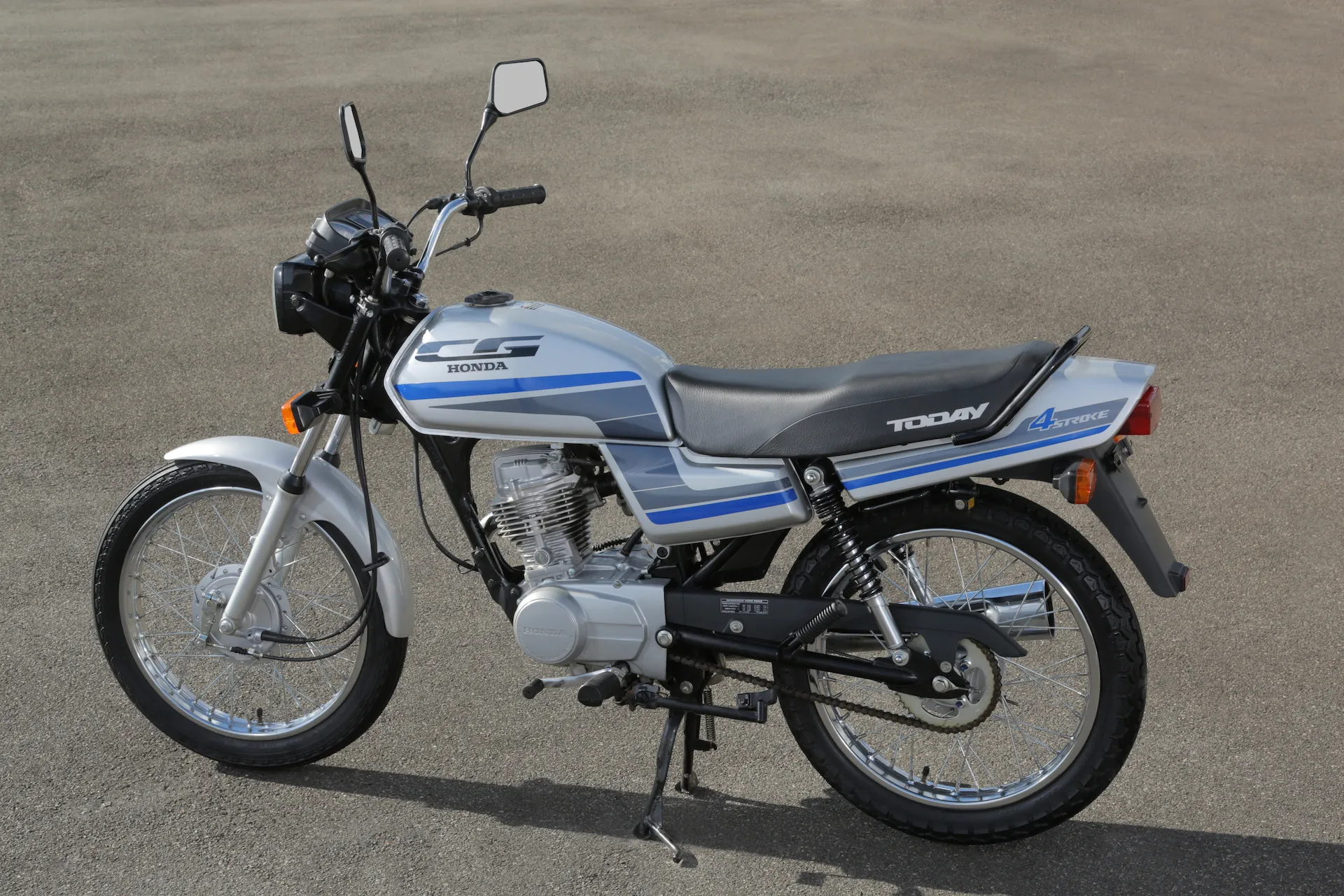
The third generation runs from 1989 to 1994. It’s the turn of the CG 125 Today, which in addition to radical changes in the look, retires the infamous platinum, adopting the CDI. In addition, the rear shock absorbers gain five adjustments and the headlight, halogen lamps. Several mechanical adjustments have also been implemented.
Honda CG Titan
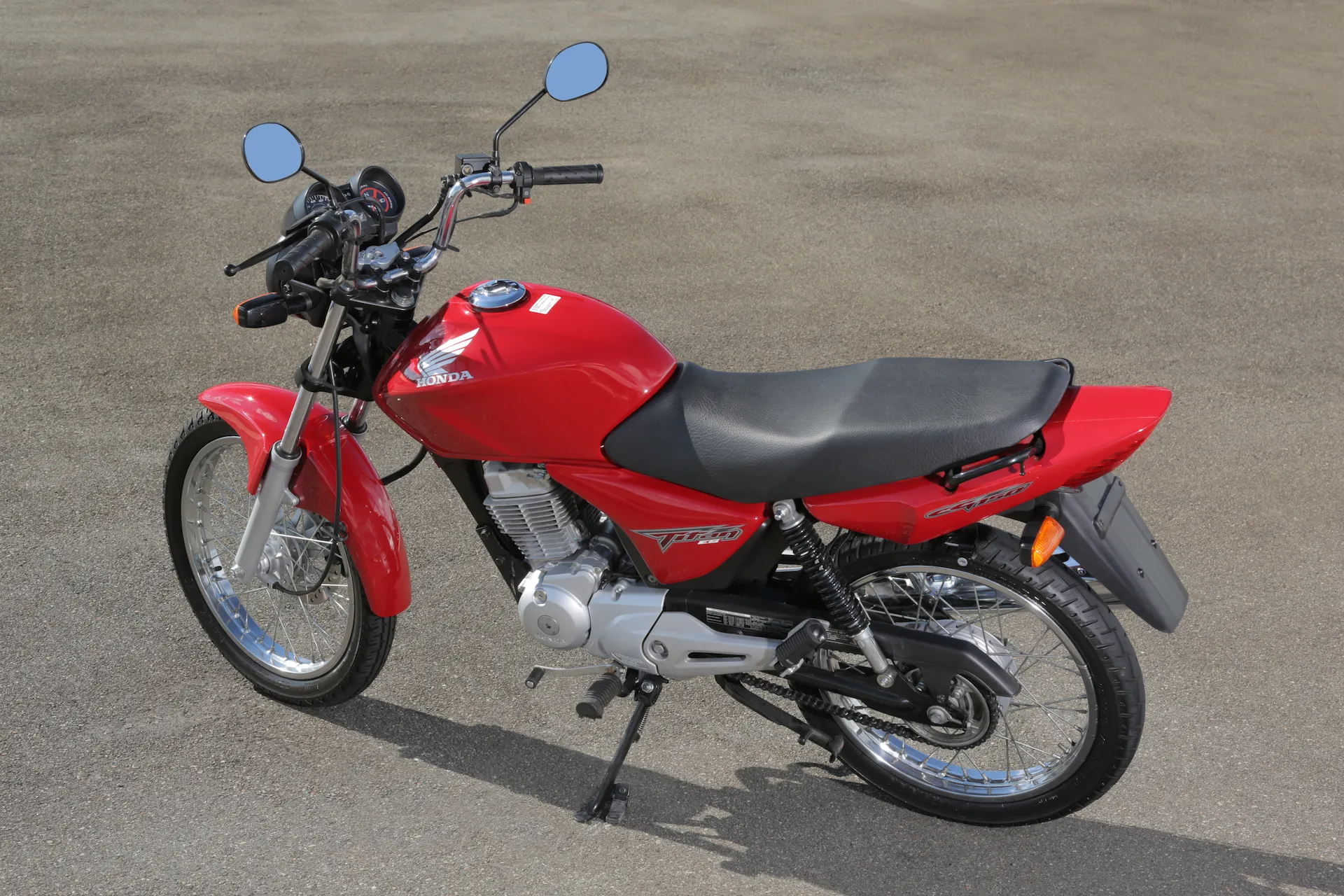
The fourth generation, between 1995 and 1999, marked the launch of the CG 125 Titan, with a new, more rounded look and 90 mechanical changes. Side handles for the pillion, clutch with lighter activation, new rocker arms and panel. However, the carburetor still persisted.
The fifth generation, between 2000 and 2003, still as Titan, brought the ES version with the long-awaited electric start and finally the front disc brake. In addition, the dashboard gains a fuel gauge and the rear tire anti-puncture system.
Sixth generation
The sixth generation, which runs from 2004 to 2009, arrives with an increase in engine capacity, which jumped from 125 to 150 cm3. For the pillion, relief in shakes with the support pedals fixed on the frame. In addition to the renewed look, the contact key gained a shutter-key security system to make life difficult for other people’s friends. During this period, the CG 150 Job, evolution of the Cargo, CG 125 Fan (back to 125) and CG 150 with 15.3 hp, braver command and alloy wheels were also launched.
Honda CG 2009 to 2013: with electronic injection
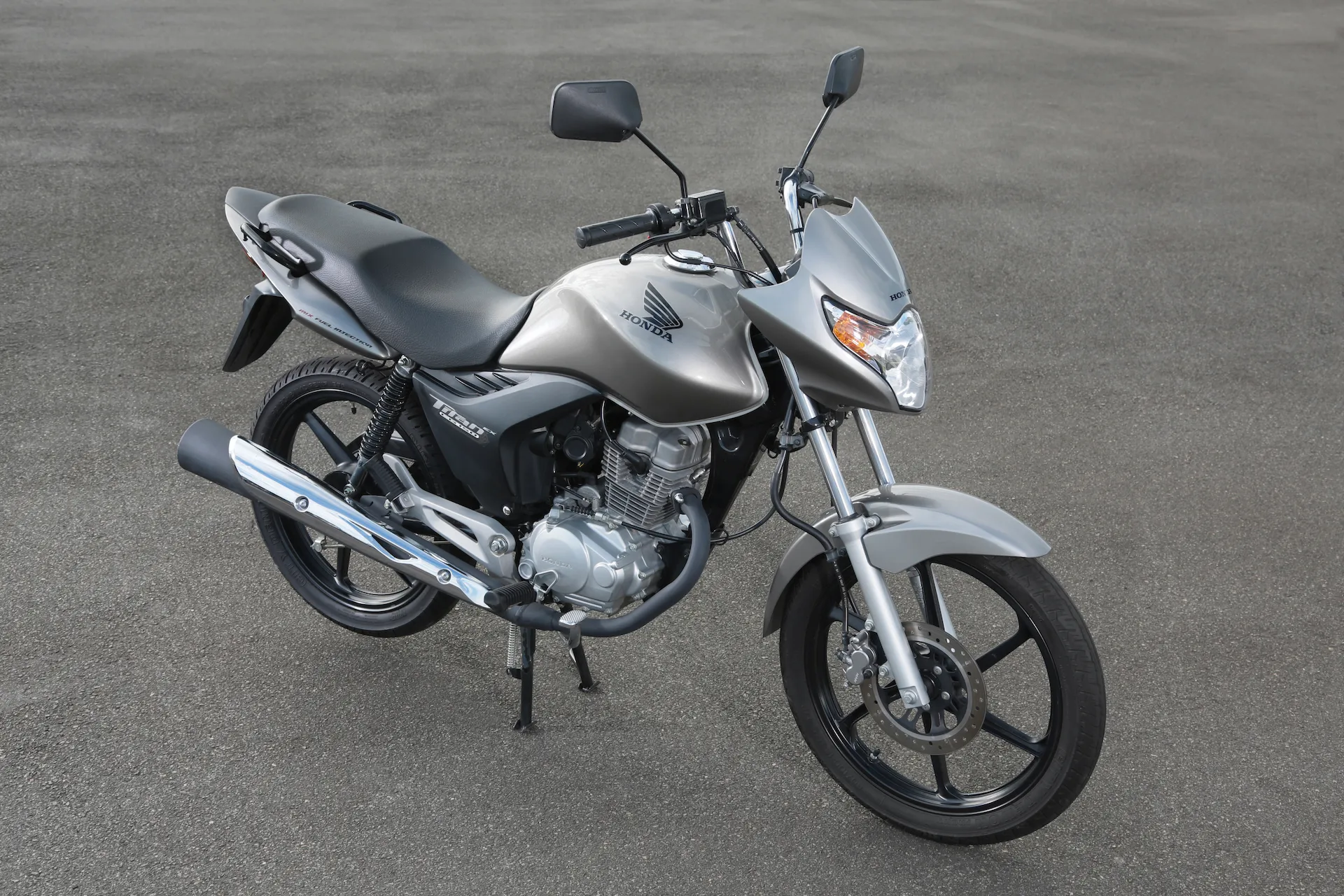
The seventh generation between 2009 and 2013, finally enters the electronic era, retiring the carburetor with the adoption of electronic injection. The CG 150 Titan, with the new fuel injection, can also adopt the flex system between alcohol and gasoline. It was the first production motorcycle to adopt the flex engine. The tank also got bigger, with 16.1 liters. The Fan 125 model also receives electronic injection and an engine with OHC timing chain, discontinuing the old OHV engine with rods.
Rollover?
The eighth generation was short-lived between 2014 and 2015. The look was once again reformulated and is launched in an edition of only 1800 units of the CG 150 Titan BR, with the colors of Brazil. The 2015 CG 150 CBS became the first motorcycle in the world in the Street category to use the CBS system. Combined Brake System for Braking.
When applying the rear brake, part of the load also went to the front brake automatically. This is to demystify the legend that by activating the front brake, the bike could roll over. In 2015, the CG 150 Start version was also launched.
Ninth generation
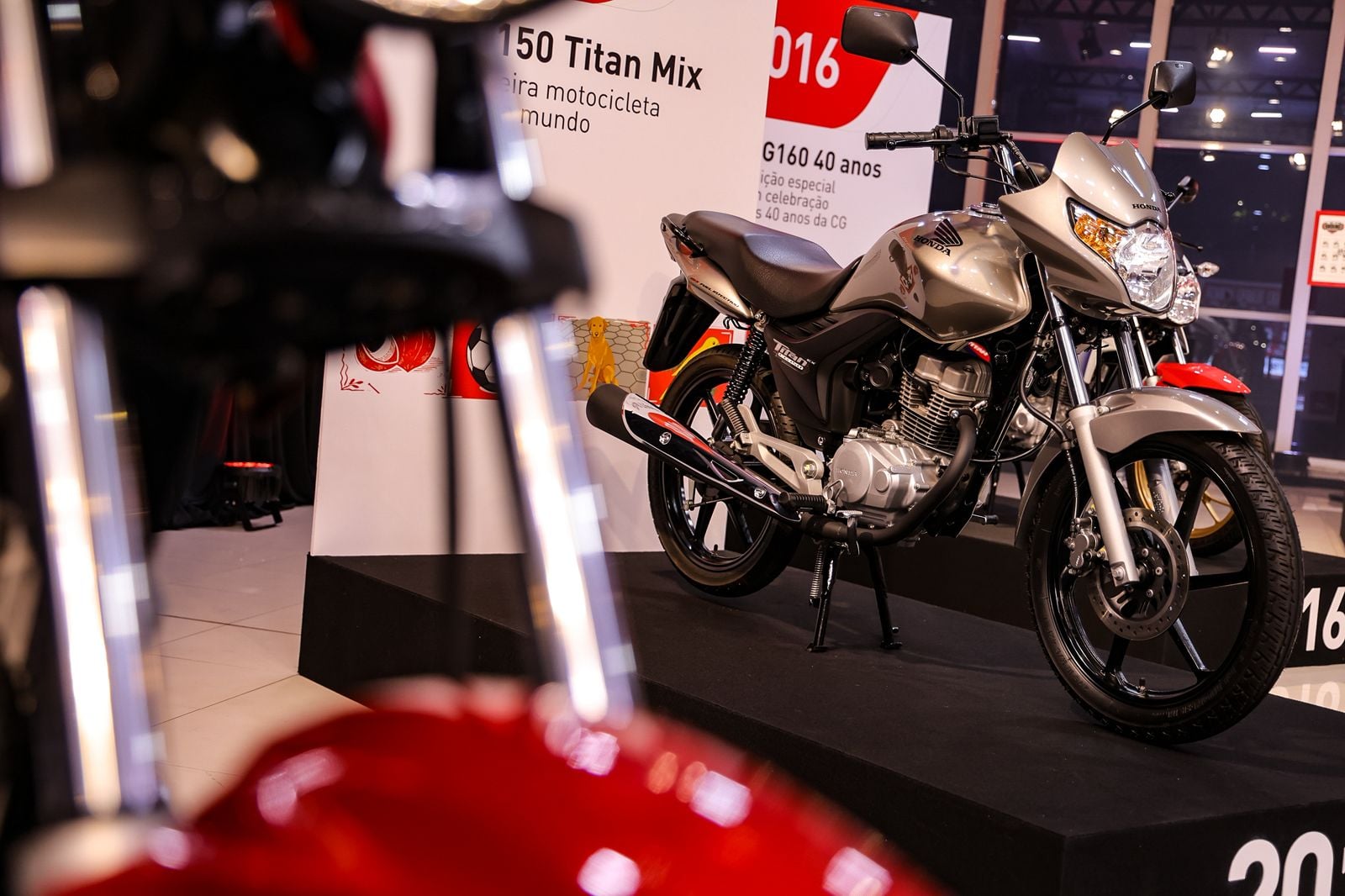
In its ninth generation, from 2016 to 2021, the CG 160 Titan and CG 160 Fan received another yeast in the engine that went from 150 to 162.7 cm3. The aesthetics have also been changed. The Cargo professional line has the 125 injected and 150 injected versions and the special edition of 25 years of Titan is launched with exclusive paint and gold details. The pandemic period highlighted the delivery segment, providing income for a huge contingent, in addition to accelerating sales of utility models, such as the CG.
It’s worth it
The tenth generation starts in 2022 and is valid until the present day. In 2022, the CG 160 Titan gets a new front and the tank fairings are bulkier in a much more full-bodied look. In 2024, production reaches 15 million units. In 2025, the most complete CG Titan 160 gains LED lighting, disc brakes on both wheels, with an ABS system at the front and a USB-C socket.
The commemorative model of the five decades, CG 160 50 Years, “Special Edition” has exclusive graphics and color. The tone refers to the pioneer of 1976. The rear shock absorbers are painted red. The contact key has the decorative logo of the 50 Years, as well as on the sides of the fuel tank and on the front fender. The wheels are in alloy and the brakes are ABS. The dashboard is digital with a blackout background. The USB-C socket is also present to meet the era of the smartphone – the famous cell phone.
Comments are the sole responsibility of their authors and do not represent the opinion of this site. Comments containing profanity or offensive language will not be published. If you identify anything that violates the terms of use, please report it.