S&P Global Ratings downgraded Harley-Davidson’s credit rating to junk level on Wednesday, cutting the U.S . motorcycle maker’s rating from BBB- to BB+. According to the agency, the decision reflects the company’s bet on selling cheaper models to recover volume, which should pressure profitability for a long time.
What is a credit note?
In practice, a credit note works like a bulletin that measures the ability of a company, or a country, to pay its debts. The higher the score, the lower the risk perceived by those who lend money. The “investment grade” range brings together the safest companies; Below it are the “speculative” securities, nicknamed junk. Harley’s BB+ is the first rung of this riskier territory, and falling to speculative grade usually makes loans more expensive: to attract investors, the company tends to pay higher interest rates.
The downgrade has roots in the drop in sales. According to S&P, Harley sold 12% fewer motorcycles in 2025 than the previous year, without reducing manufacturing costs by the same amount. To react, the company launched the “Back to Bricks” plan in May, which provides for more affordable entry-level models to attract new motorcyclists and a greater focus on the profitability of dealerships. The problem, the agency points out, is that cheaper motorcycles yield less per unit and, in the short term, restructuring expenses and import tariffs still weigh heavily.
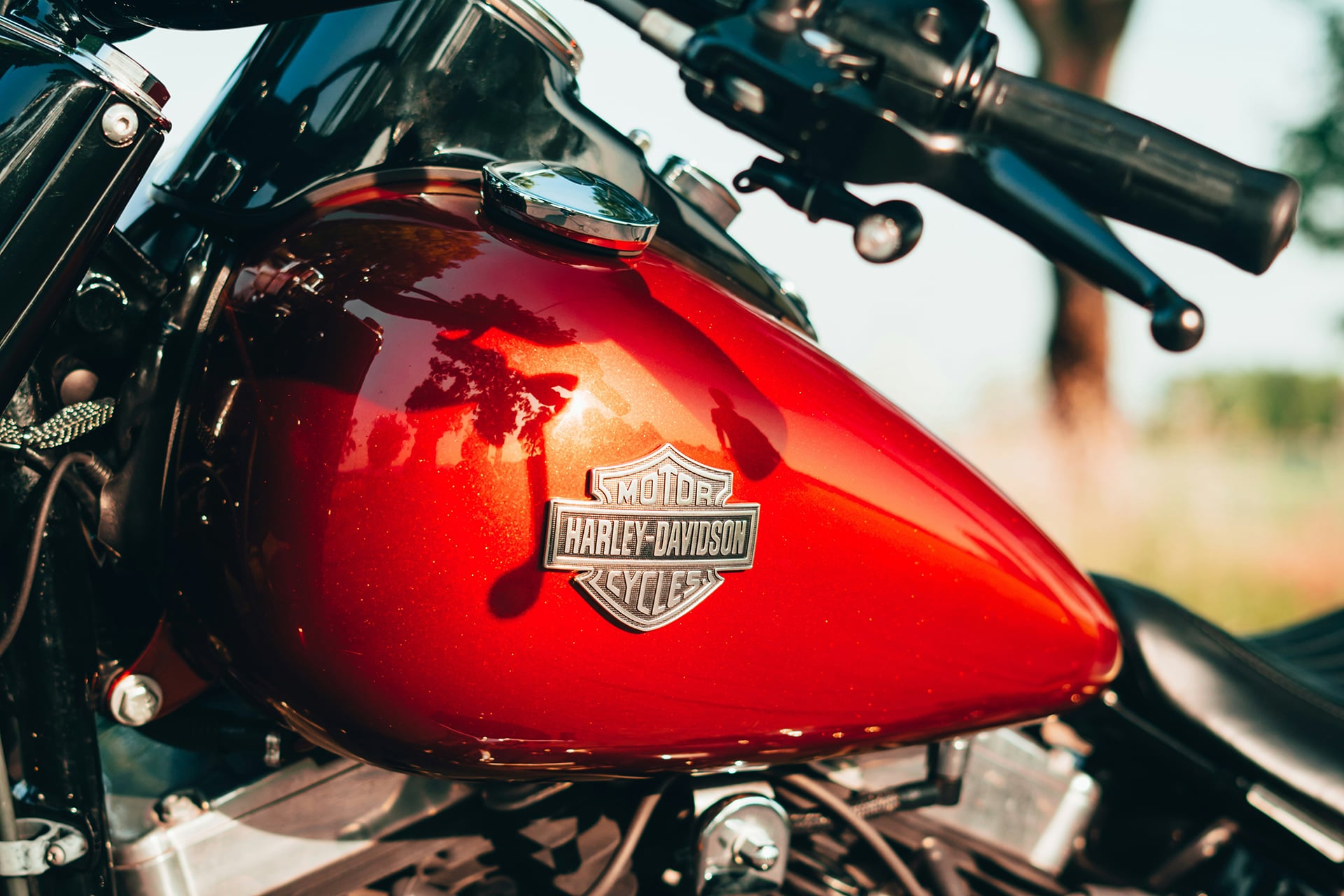
In Brazil, Harley-Davidson sales also fell, despite the motorcycle market being heated (Photo: Harley-Davidson | Disclosure)
For now, only S&P has put Harley in the speculative grade. Competing agencies Moody’s and Fitch still maintain their investment-grade mark, and S&P itself left the outlook “stable.” As of March 31, the manufacturer had about $1.63 billion in long-term net debt.
In Brazil, the scenario follows the global retraction. Data from Fenabrave show that the brand’s sales in the country fell by more than 50% between the first nine months of 2020 and the same interval in 2025, although 2024 and 2025 point to some recovery. The Brazilian operation currently brings together 24 dealerships, according to Abraciclo, and sells the 2026 line starting at R$ 119,950. All this in the midst of the best semester in the history of the Brazilian motorcycle market, with 1.17 million registrations in the period (up 14.1%) according to Fenabrave, but driven by low-displacement models, far from the brand’s audience.
Comments are the sole responsibility of their authors and do not represent the opinion of this site. Comments containing profanity or offensive language will not be published. If you identify anything that violates the terms of use, please report it.