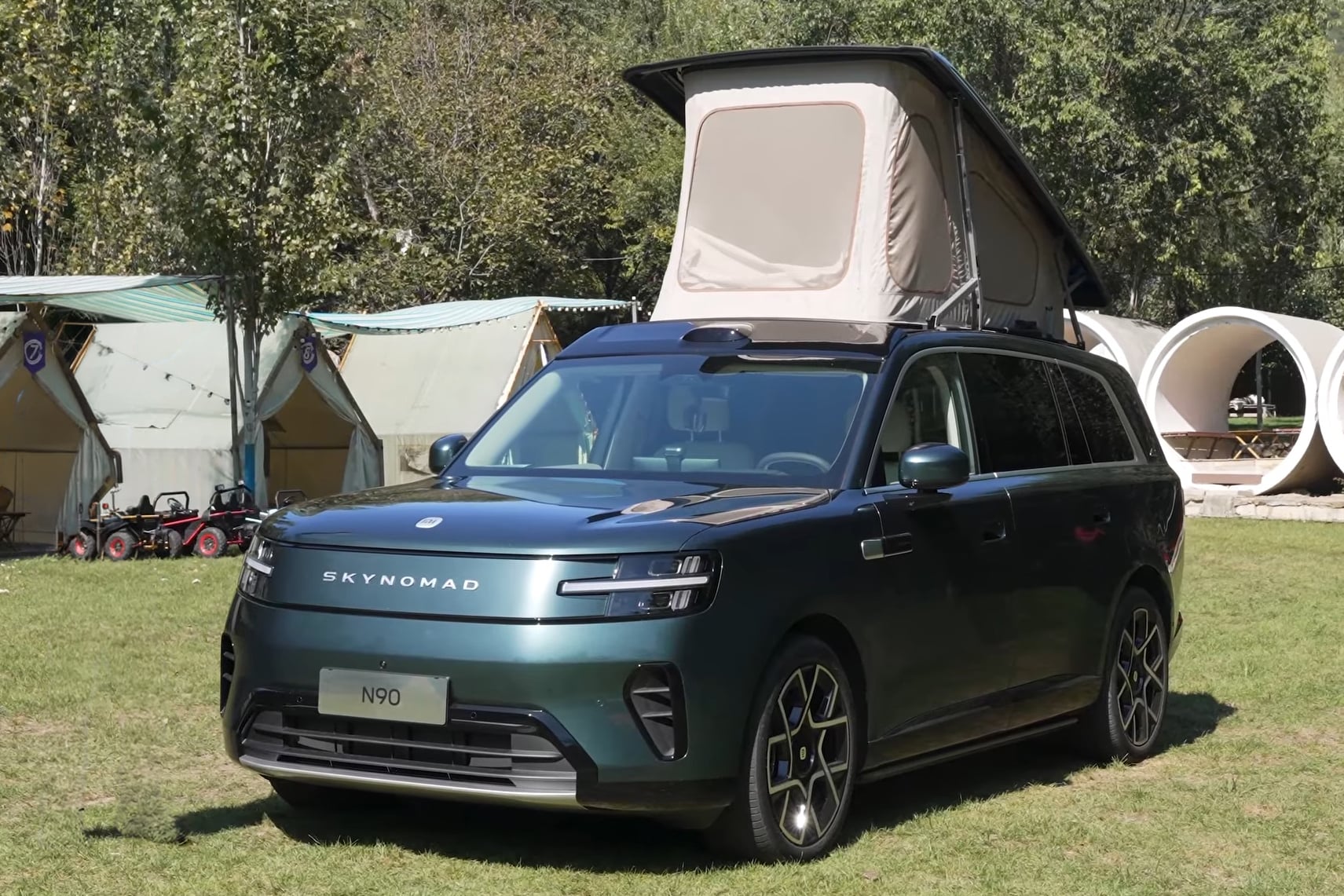
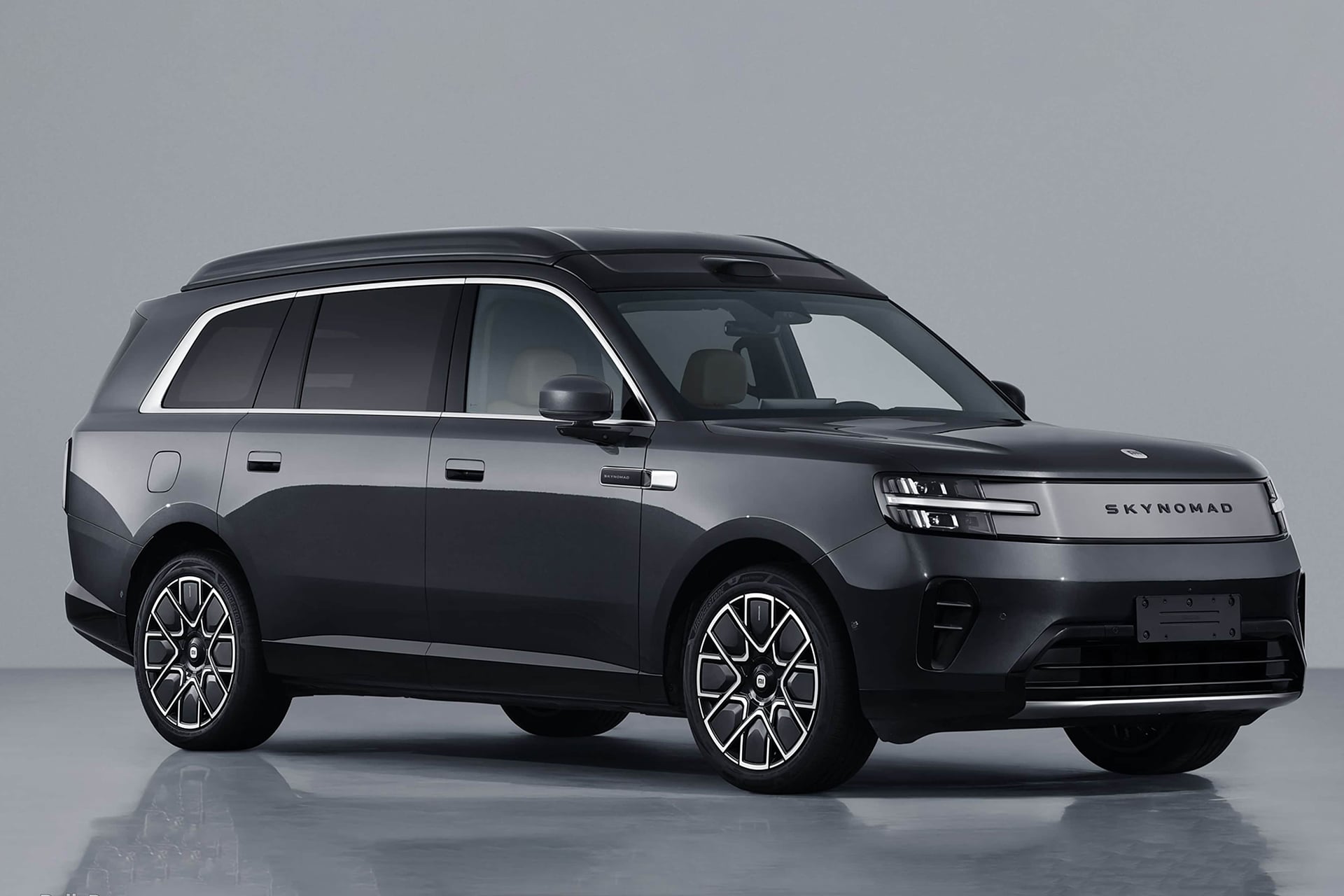
Xiaomi launched in China the SkyNomad N90 Max, a seven-seater SUV with a range extender and a price equivalent to R$ 205.100. The number that the brand puts in the window is the combined range of 1.705 km, but the car’s sheet hides much more unlikely things: it floats, the roof becomes a bedroom and, if the battery catches fire, Xiaomi promises to deliver another car like it.
Photo: Xiaomi | Disclosure
New car if the battery burns out
The 76 kWh battery debuts under the name Dragonscale, or “dragon scale”, developed with manufacturers CALB and Sunwoda. Along with it comes a lifetime warranty against spontaneous combustion: in the event of a fire due to a manufacturing defect, Xiaomi says it replaces the vehicle with a new one, of the same model and version, without discounting depreciation or mileage.
If the fire comes from a collision, the company claims that it covers the difference between the insurance indemnity and the market value of the car before the accident. The fine print exists: the coverage is valid only for the first owner, in private use, with maintenance on the official network and active connected services subscription.
Photo: Xiaomi | Disclosure
It floats, becomes a tent and has a refrigerator on rails
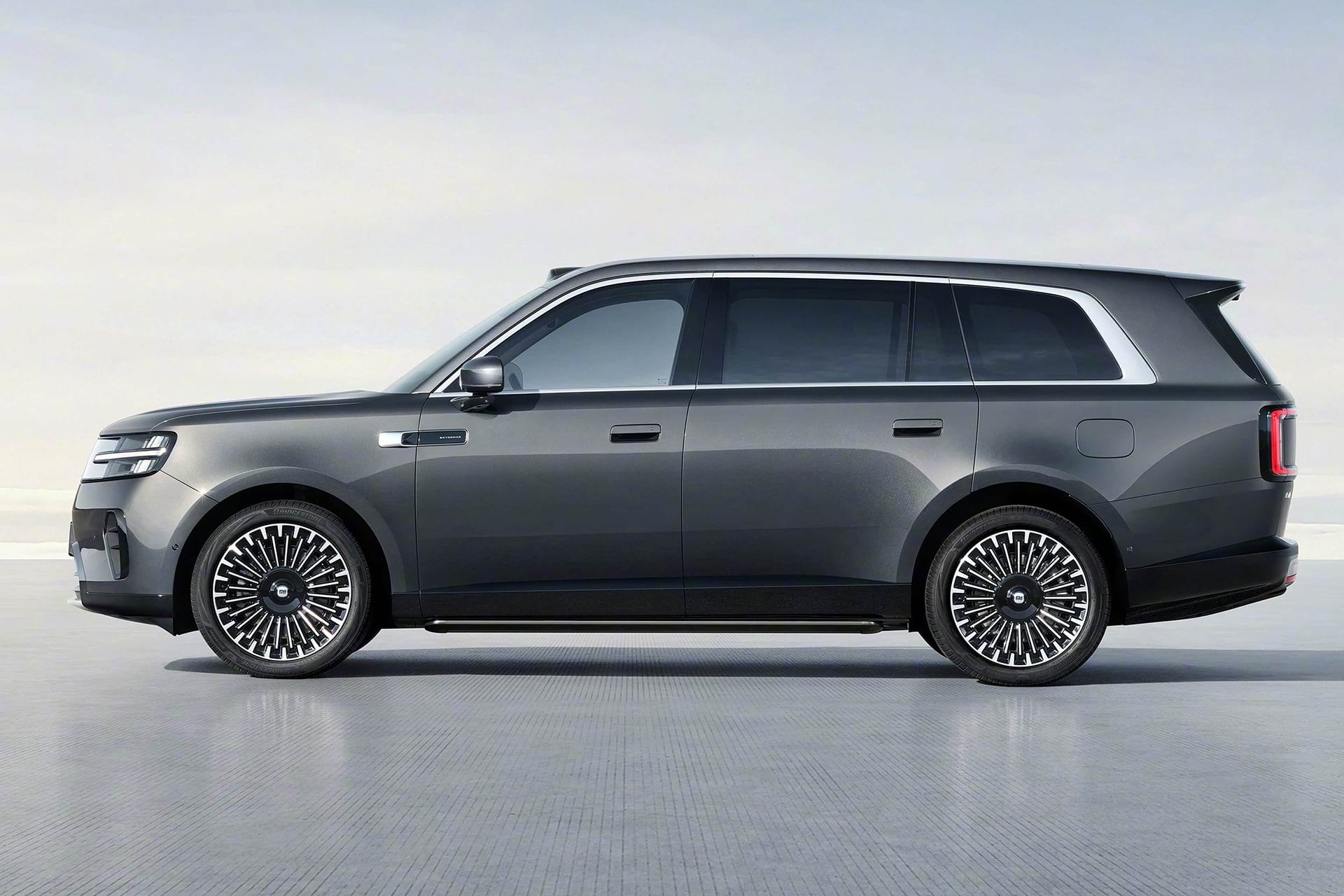
With a length of 5.28 m and a wheelbase of 3.08 m, the N90 Max has an air intake integrated into the hood that allows it to pass through 75 cm of water — and, according to Xiaomi, float in an emergency situation. The Explorer Edition version (about R$ 227.900) adds a factory-installed electric lifting roof, which opens a room over the car.
Inside, the 2+2+3 seats accept 11 different arrangements and free up to 1,831 liters of space. The center console runs on rails and carries a 9-liter compressor refrigerator. The headlights, named Dragonfly, illuminate 624 meters at the high beam and open 180° at the low. The wheels are 21″ with staggered tires, wider at the rear, and the body features a built-in 2,200 MPa steel cage, 12 airbags and an aerodynamic coefficient of 0.255 — low for a utility of this size.
Photo: Xiaomi | Disclosure
The mechanics are a 1.5 turbo engine of 152 hp that only generates electricity, without driving the wheels, added to two electric motors that yield 422 hp combined and all-wheel drive. There are 5.9 seconds from 0 to 100 km/h, air suspension as standard with five levels and 464 km of autonomy with the battery alone, by the Chinese CLTC cycle. Fast recharging returns 285 km in 15 minutes, and the declared consumption with an empty battery is 16 km/l.
The 1,705 km, however, require context: the CLTC is more optimistic than the European and American cycles. In a test released by Xiaomi itself, with four occupants, air conditioning at 24 °C and an average speed of 104 km/h, the SUV went from Shanghai to Beijing and stopped at 1,230 km. The model competes for space with Li Auto L9 and Aito M9 and, for now, has no forecast for arrival in Brazil.
Comments are the sole responsibility of their authors and do not represent the opinion of this site. Comments containing profanity or offensive language will not be published. If you identify anything that violates the terms of use, please report it.