Anyone who wants a small diesel car in Brazil can’t find it: there is none for sale. It is not a lack of technology or lack of interest on the part of automakers – it is a 1976 ordinance that has never been revoked.
The rule was born as MIC Ordinance No. 346, of November 1976, and today it is valid in the form of Ordinance No. 23, of June 1994, of the extinct National Department of Fuels (DNC). The text prohibits the use of diesel fuel in passenger, cargo and mixed-use vehicles with a transport capacity of less than 1,000 kg, including the weight of the driver, passengers and cargo.
Why the country locked up diesel
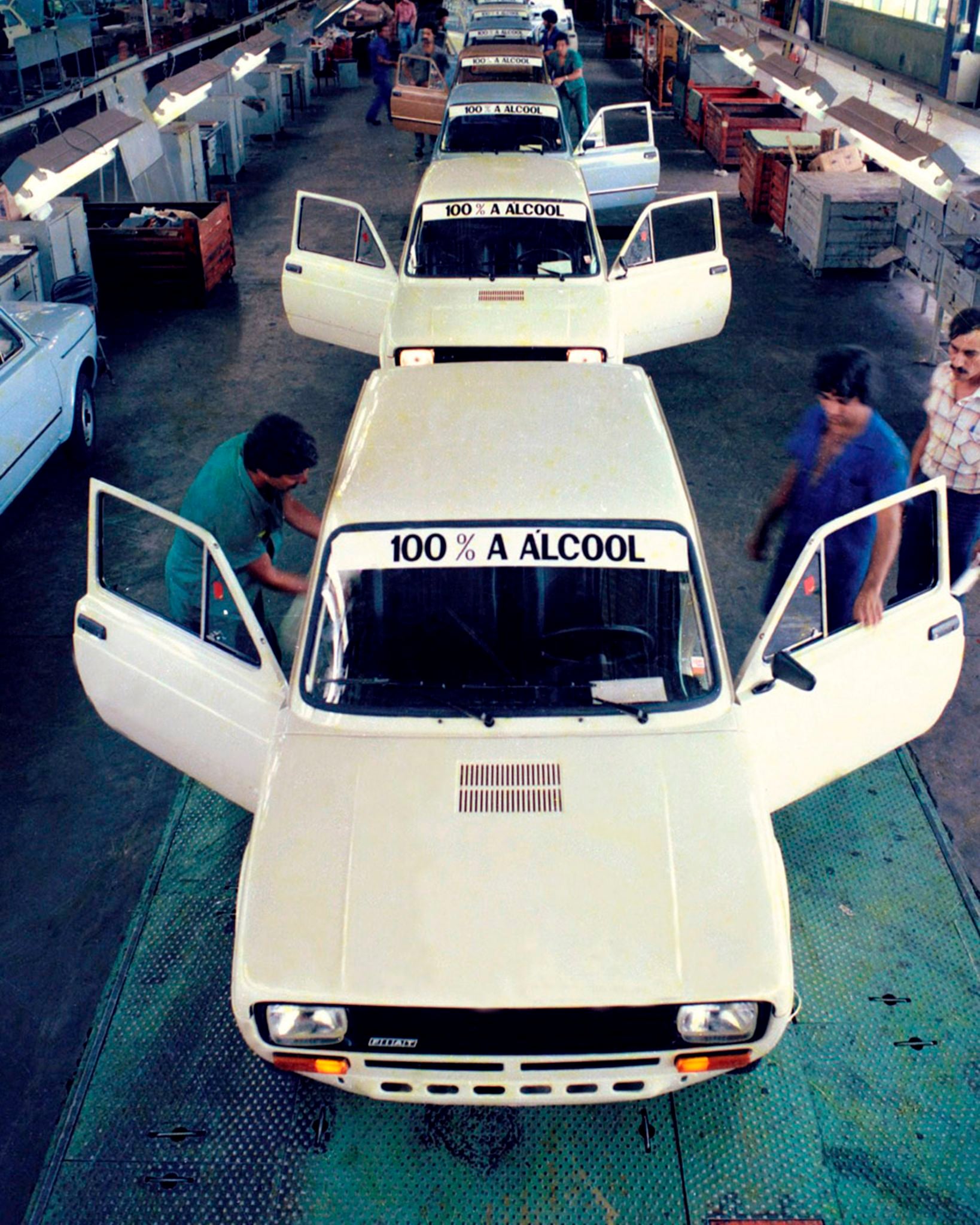
Brazil’s idea has always been to depend less on oil – the opposite of what diesel offers (Photo: Fiat | Disclosure)
The backdrop was the first oil crisis, in 1973, when Brazil imported almost 80% of the oil it consumed. The 1994 ordinance explains the logic: diesel has a “favored price” and the country needs to import significant volumes, with a high expenditure of foreign currency. Cheap by political decision and partly bought abroad, the fuel was reserved for trucks, buses and agricultural machinery.
The restriction has loopholes: pickup trucks with a payload above 1,000 kg can use diesel, as is the case with Toyota Hilux, Ford Ranger and Chevrolet S10. 4×4 SUVs with reduced gear and minimum angles of attack and departure were also included in the list, supported by Resolution 292/2008 of Contran. Hence the distortion: there are diesel SUVs in Brazil, but not diesel hatchbacks .
Attempts to overturn the rule
Proposals to repeal the ban have been accumulating for more than a decade. PL 1013/2011 even had a special commission and a favorable opinion from the rapporteur, Deputy Evandro Roman (PSD-PR); PDL 84/2015 tried to stop the ordinance; and PL 567/2022, by then-deputy Heitor Freire (União-CE), was attached to PL 1013 and is awaiting a temporary committee. None reached the plenary.
The toughest resistance comes from the industry: Anfavea maintains that the country already has a low-carbon fuel at hand, ethanol. In 2015, in a hearing in the Chamber, the entity calculated that the consumer would take 12 to 18 years to compensate for the extra cost of the diesel engine.
There is also the fiscal argument: since March 12, PIS and Cofins have been zeroed on diesel, a waiver estimated by the Ministry of Finance at around R$ 20 billion. The government also pays a subsidy of R$ 1.12 per liter, which costs from R$ 5 billion to R$ 5.5 billion per month, according to the Ministry of Planning – gasoline, from R$ 0.44 per liter, comes out to R$ 1.3 billion. Until June, measures to contain fuel prices totaled R$ 14.55 billion, with another R$ 7 billion expected for July. And 20% to 25% of the diesel consumed in the country comes from imports.
Where it’s free, diesel is disappearing
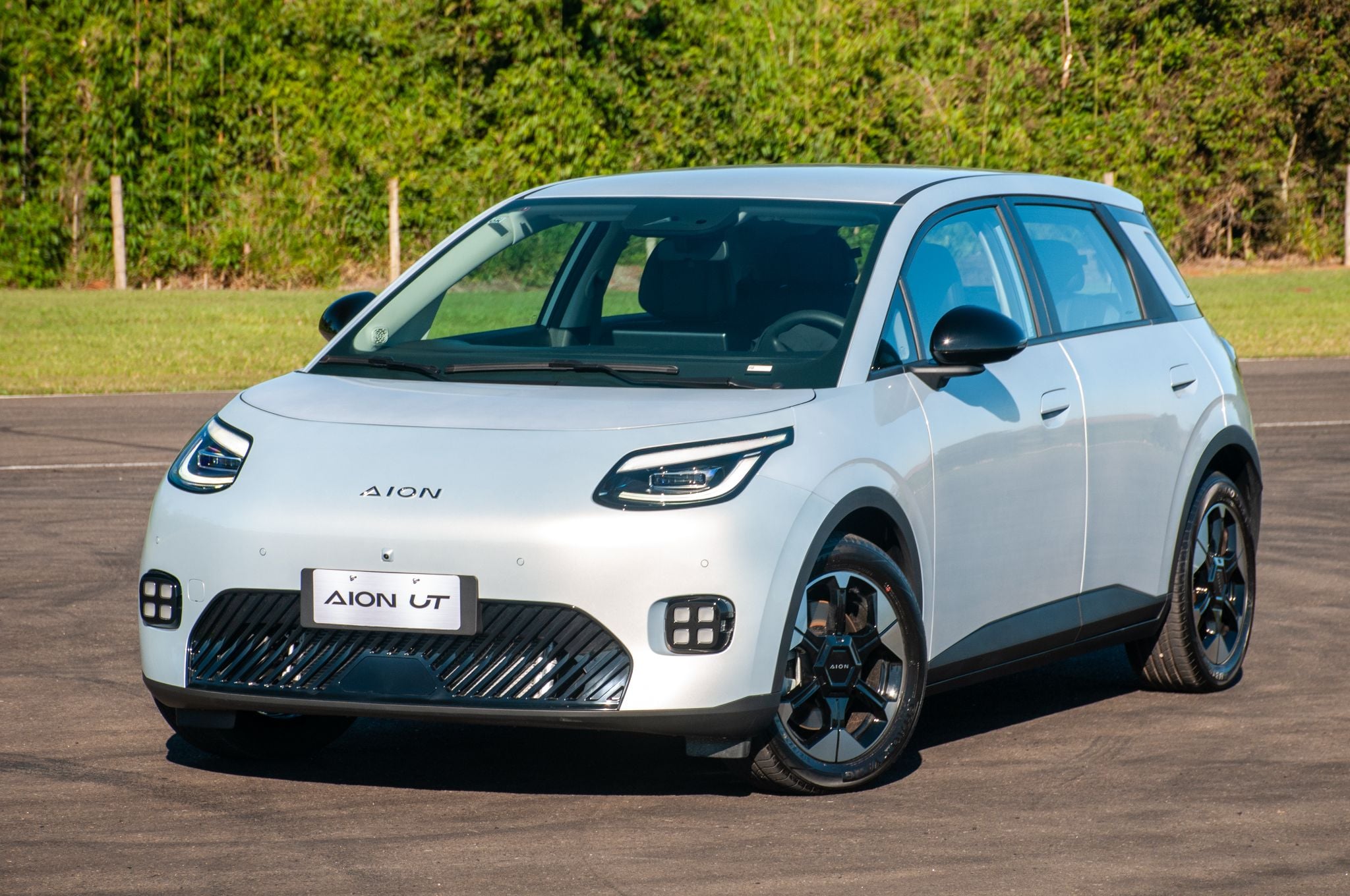
Electric cars have been making diesel less attractive in smaller vehicles (Photo: GAC | Disclosure)
In Europe, the diesel car has become a niche. The technology accounted for about 55% of licensing in the European Union in 2011 and 2012, its peak, according to the ICCT. In the first half of 2026, it stood at 7.5%, with a 16.5% drop in volume, ACEA points out. In the same period, battery electric vehicles reached 20.7% of the market.
The explanation is straightforward: the electric delivers what the diesel sold. Those who chose diesel wanted to run a lot for little, and the battery car does this at an even lower cost per kilometer, without the particulate filter and urea catalyst that made the engine more expensive after the tightening of emissions standards and the Dieselgate scandal in 2015. Add in the low-emission zones in European cities, and there is an engine that has lost what it had best: being the economic option.
Comments are the sole responsibility of their authors and do not represent the opinion of this site. Comments containing profanity or offensive language will not be published. If you identify anything that violates the terms of use, please report it.