

What is the “basura gasoline” scandal, which has already damaged 30,000 cars in Bolivia since the beginning of the year and involves the current president
Government removed the subsidy to end the queues and received gasoline out of specification; 27,800 cars have already been compensated
By
Eduardo Passos
Published on 2026-07-29 at 11:00 AM
Published on 2026-07-29 at 11:00 AM
Be the first to comment.
Summarize with:
The arrest of Bolivia’s former Minister of Hydrocarbons, Mauricio Medinaceli, on Tuesday (28) in La Paz, was another episode in the “basura gasoline” scandal: out-of-specification gasoline supplied by the government itself, which stopped engines throughout the country. Medinaceli is being investigated for non-compliance with duties and uneconomic conduct, with no conviction so far.
The case, however, is much bigger than prison. Understand how Bolivia got here.
A subsidy that fell — and gasoline that arrived
On December 17, 2025, President Rodrigo Paz signed the decree that ended the fuel subsidy maintained for more than 20 years. A liter cost about US$ 0.53; overnight, special gasoline went to Bs 6.96 (about US$ 1) and diesel, to Bs 9.80.
The intention was twofold: to end the kilometric queues at the stations and to reduce the gap in the state’s reserves. According to Medinaceli, still a minister, maintaining the subsidy would cost US$ 3.5 billion in 2026 – 6.4% of Bolivia’s GDP.
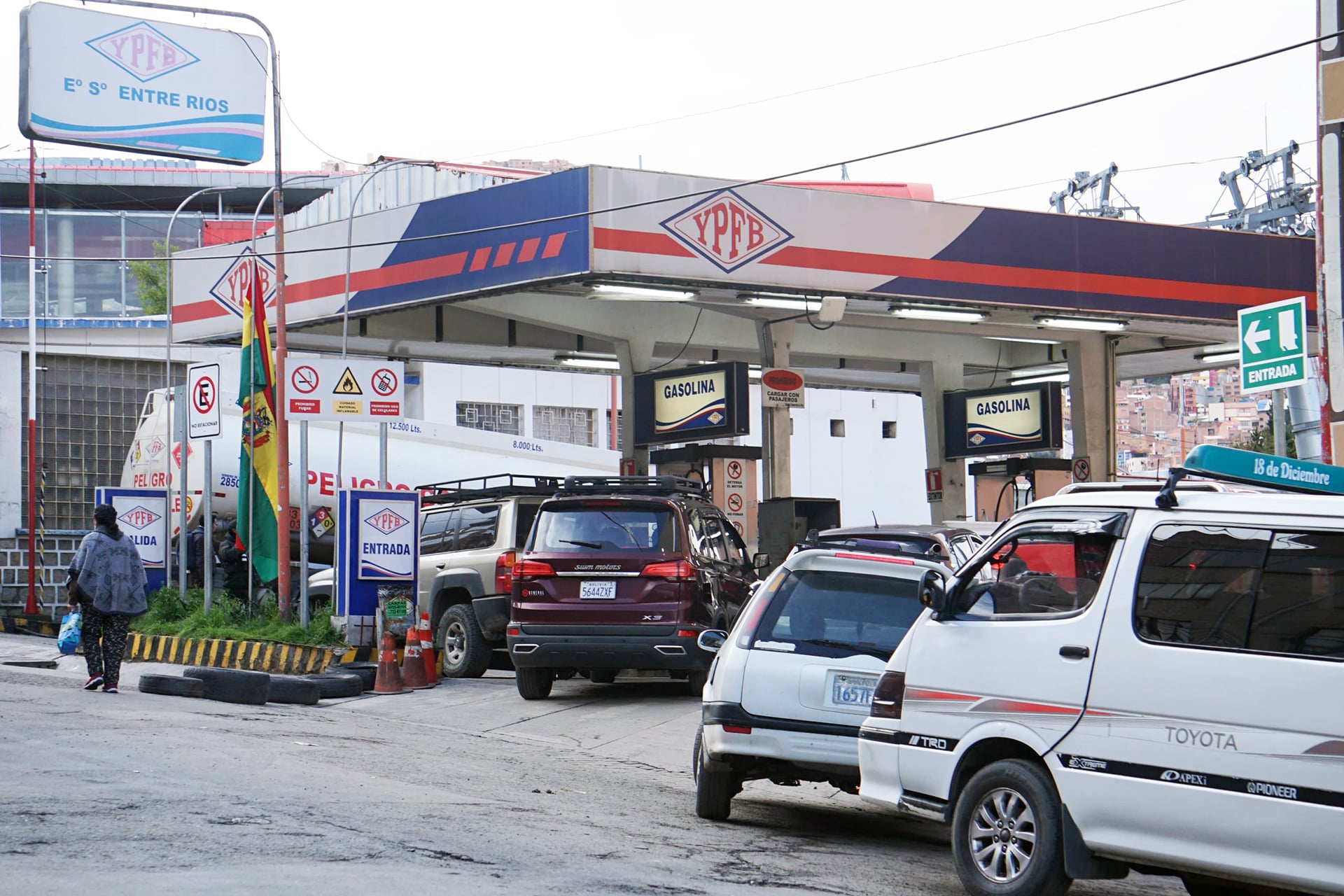
The central point is that the state imports fuel into Bolivia. Without a coastline and without sufficient refining, the country buys ready-made gasoline abroad by the state-owned YPFB, which also distributes it to gas stations. The product that damaged the cars arrived through the official supply channel.
Two explanations for the same dregs
About what exactly was in gasoline, the government itself presented two versions – and they are not identical.
In February, YPFB admitted to specification failure. According to Yussef Akly, then president of the state-owned company, there was gum and manganese outside the parameters, generated in two storage tanks that the company isolated. Hence the official term “destabilized gasoline”: unstable compounds that, in contact with oxygen, form a sticky sludge.
In March, the discourse changed to deliberate tampering. Paz accused a “criminal network” between Chile and Bolivia: tanker trucks destined for the country would be partially emptied at the port of Iquique, the product sold illegally there and the volume replaced with water and oil to disguise the difference. The government spoke of 5,000 trucks and $150 million in adulterated fuel between October 2025 and March 2026.
The accusation against Medinaceli is a third thing: a report by the special commission of the Chamber of Deputies maintains that, under his management, the sale of immobilized gasoline was authorized due to suspicion of quality, despite prior warnings from the National Hydrocarbons Agency (ANH).
What it does to the engine
The dregs do not burn: they adhere. The College of Mechanical Engineers of Bolivia reported clogged injectors, saturated filters, damaged fuel pumps, compromised catalytic converters, and loss of power. Modern cars suffer the most, because their injection systems work at much higher pressures — any impurity becomes abrasive.
Public transport drivers interviewed by Los Tiempos described a residue they nicknamed “caramel”, bent valves and engines that no longer started. Repairing injectors and valves went for Bs 700 to Bs 1,000; change the engine, from Bs 7,000 to Bs 8,000.
How many cars, after all
There is no audited number of damaged vehicles — what there are are complaint records. On March 3, YPFB created the SREC, a system that received compensation requests via WhatsApp. By the beginning of June, there were 66,928 complaints in the country, of which 45,422 were validated as net claims, and more than 27,800 vehicles had already been indemnified, with payments above Bs 85 million. The deadline closed on May 15.
The crisis has moved out of the workshops and into the streets: strikes by transport workers in La Paz and El Alto, blockades in six departments in May. On April 22, Medinaceli left office, hours after the resignation of the then president of YPFB, Claudia Cronenbold. About 300 employees in the sector were laid off — the authorities spoke of a “black hand” in the mix. The ANH has started a schedule to clean the tanks of all stations in the country.
SEE MORE ABOUT

0 Comments
Comments are the sole responsibility of their authors and do not represent the opinion of this site. Comments containing profanity or offensive language will not be published. If you identify anything that violates the terms of use, please report it.