


Traffic light without countdown cannot fine, new law in Congress predicts
Text under analysis in the Chamber conditions the assessment to the operation of the stopwatch and gives 60 days to adapt the equipment
By
Júlia Haddad
Published on 2026-09-22 at 07:00 PM
Published on 2026-09-22 at 07:00 PM
Be the first to comment.
Summarize with:
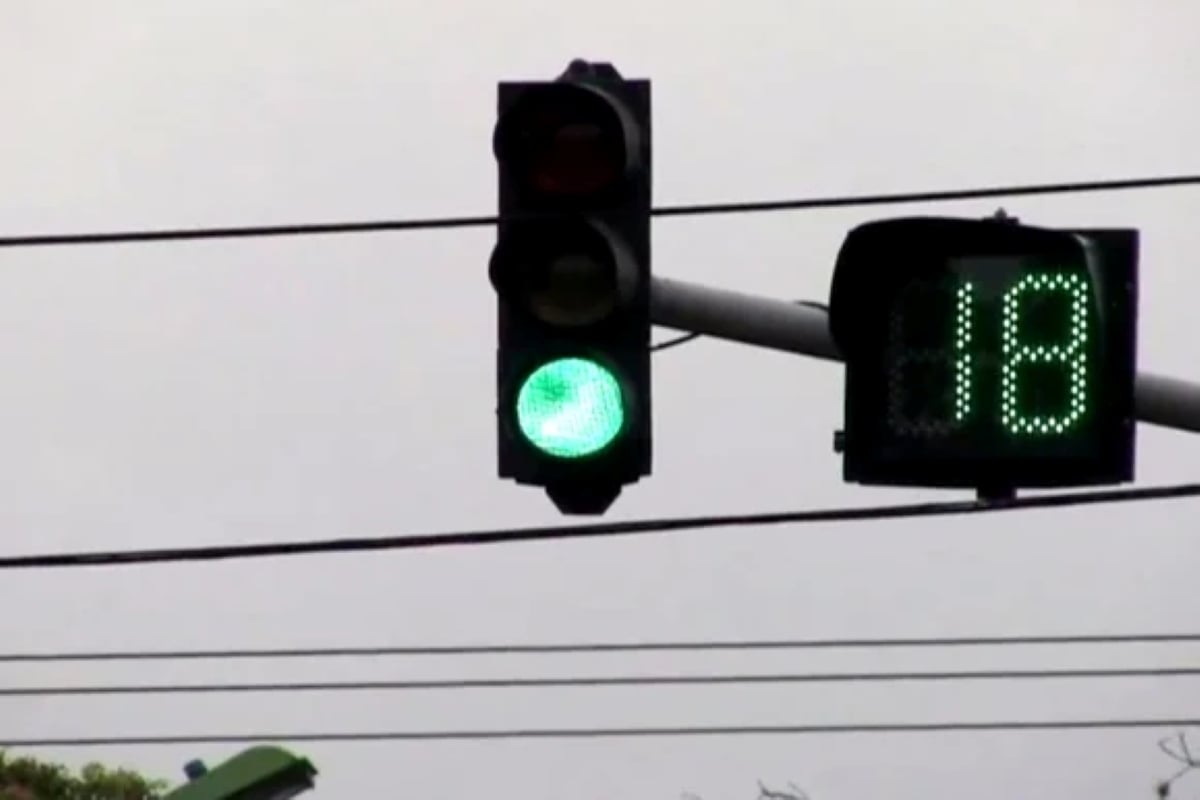
Intersections with electronic inspection may be required to display a timer with a countdown – and, without the equipment working, they would be prevented from fining. This is what Bill 2975/26, in progress in the Chamber of Deputies, provides.
Presented in June by Congresswoman Gleisi Hoffmann (PT-PR), the proposal amends the Brazilian Traffic Code and reaches traffic lights equipped with speed cameras, red light advance detectors or stop sensors on the crosswalk. The counter would have to indicate the remaining time of both the green and red light.
Without an accountant, there is no fine
The most sensitive point of the text is not the obligation itself, but the expected consequence for non-compliance.
According to the proposal, the timer needs to be visible to the driver and synchronized with the traffic light cycle. The absence of the display, a malfunction, desynchronization with the lights or the low visibility of the stopwatch would block the application of infractions at that point.
Running a red light is a very serious infraction, with a fine of R$ 293.47 and seven points on the license. Stopping on the crosswalk at the change of signal is an average infraction, of R$ 130.16 and four points.
In the justification, the parliamentarian maintains that the countdown would give more predictability to the driver, “avoiding situations in which the sudden change of the signal causes risky decisions”.
Equipment is not regulated and divides technicians
Although common in medium-sized Brazilian cities, the vehicle countdown timer is not provided for in Annex II of the CTB.
It is up to the National Traffic Council (Contran) to authorize the use of unregulated signaling, on an experimental basis, and it is to the agency that the project assigns the definition of the technical requirements of the equipment. The effectiveness of the device, however, is far from a consensus among traffic engineers.
In a technical note on the subject, the CET of São Paulo argues that the information on the remaining time tends to accentuate opposite reactions at the end of the green: the cautious driver slows down earlier, while the hurried one accelerates to cross, which increases the risk of rear-end collisions.
An internal study of the company recorded an increase of almost 27% in red light violations during the day after the installation of a timer in the south zone of the capital of São Paulo. São Paulo, Curitiba and Vitória even removed equipment of this type after seeing an increase in accidents.
PL 2975/26 is being processed in a conclusive manner, which dispenses with the vote in plenary if there is no appeal. The text is still awaiting the designation of a rapporteur in the Traffic and Transport Commission and then goes through the Constitution and Justice Commission.
If approved and sanctioned, it will give traffic agencies 60 days to adapt the traffic lights already installed.
SEE MORE ABOUT

0 Comments
Comments are the sole responsibility of their authors and do not represent the opinion of this site. Comments containing profanity or offensive language will not be published. If you identify anything that violates the terms of use, please report it.