

To escape the heat, Barcelona wants to pave the streets with olive pits
Material made from olive pits and pine remains can cut CO2 emissions from paving city streets by up to 76%
By
Júlia Haddad
Published on 2026-07-02 at 10:00 AM
Published on 2026-07-02 at 10:00 AM
Be the first to comment.
Summarize with:
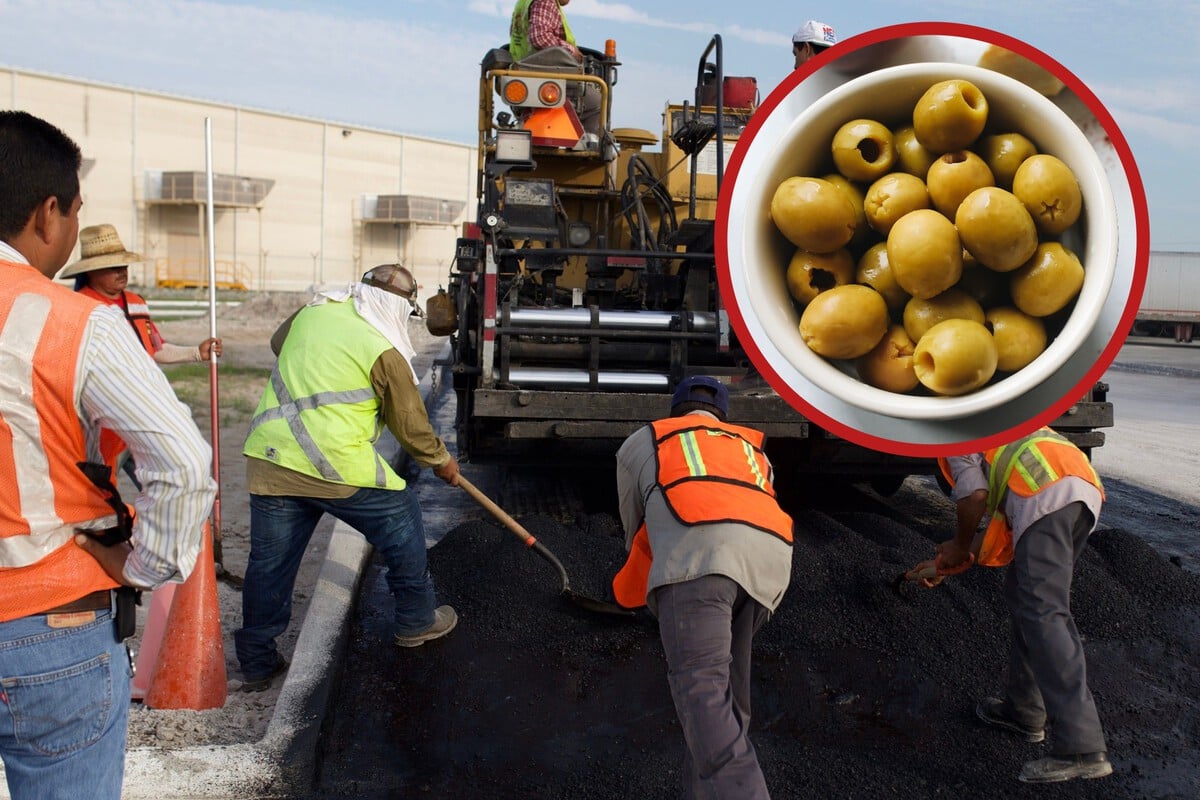
Barcelona wants to turn olive pits into the surprise ingredient of its streets. The Catalan capital has selected a project that proposes to use biochar — a type of charcoal — produced from agricultural waste from olive growing in the composition of asphalt, with the promise of reducing carbon emissions and alleviating the sweltering summer heat.
The initiative is part of a challenge launched by the city hall to develop sidewalks and pavements adapted to climate change. There were six proposals presented, of which two won — among them, the Biochar Project, aimed at creating urban pavements with less environmental impact and greater circularity.
The proposal seeks to replace conventional materials, such as petroleum products, gravel and chemical additives, with residual biomass from olive pits and pine remains. The material is produced by the Andalusian company Carboliva, in Puente del Obispo, in the province of Jaén, through a thermochemical conversion process that generates a charcoal rich in carbon and with a high capacity to store carbon dioxide (CO2). The choice is not by chance: Spain is the world’s largest producer of olive oil, which guarantees an abundant and cheap flow of this agricultural waste.
According to studies conducted by the Polytechnic University of Catalonia, biochar has shown similar or even superior technical performance in laboratory tests to conventional asphalt. Among the advantages are greater resistance to high temperatures, better behavior in the face of humidity and water, and the potential to reduce CO2 emissions associated with paving by up to 76%.
Another differential is the ability of biochar to retain carbon for decades in its molecular structure, which prevents the release of gases into the atmosphere and helps mitigate the effect of urban heat islands — a phenomenon that makes summer nights increasingly unbearable in large cities. The technology also tends to be cheaper for the government: in Spain, recovering a single kilometer of track can cost up to 100 thousand euros when it requires complete structural rehabilitation.
For now, the project is in the research and prototyping phase, with completion scheduled for September 2026. Subsequently, the material will be applied in public works pilots throughout 2027, while the analysis of the results and the transfer of knowledge are scheduled for the first quarter of 2028.
The applied research received a public grant of 90 thousand euros, intended to finance the development of the components and the manufacture of the first prototypes.
SEE MORE ABOUT

0 Comments
Comments are the sole responsibility of their authors and do not represent the opinion of this site. Comments containing profanity or offensive language will not be published. If you identify anything that violates the terms of use, please report it.