The sheep that was once worth the death penalty now lines the seat of the new electric Bentley
British brand abandons vegan leather in Torcal, its first electric SUV, and adopts fiber up to four times thinner than a hair
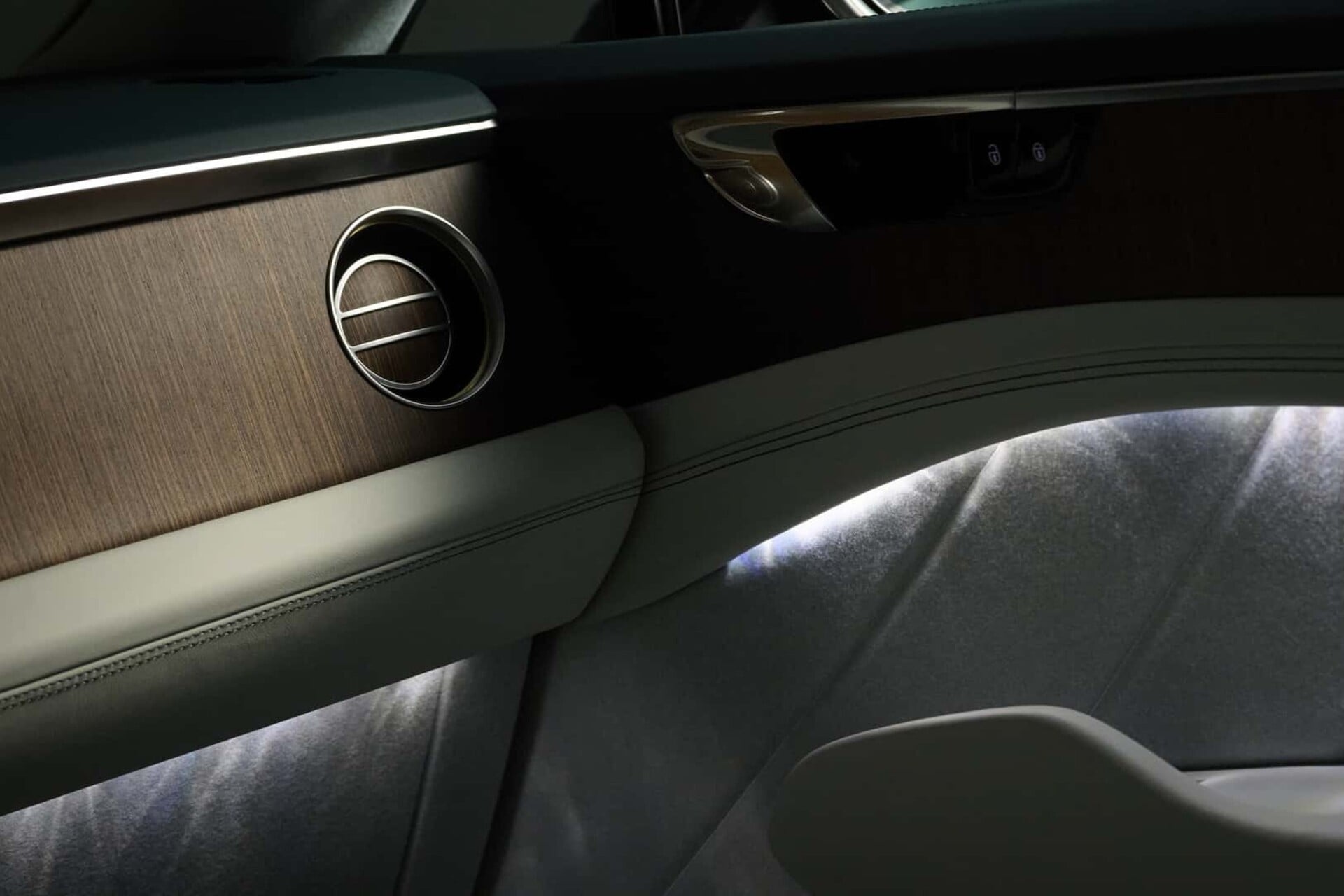
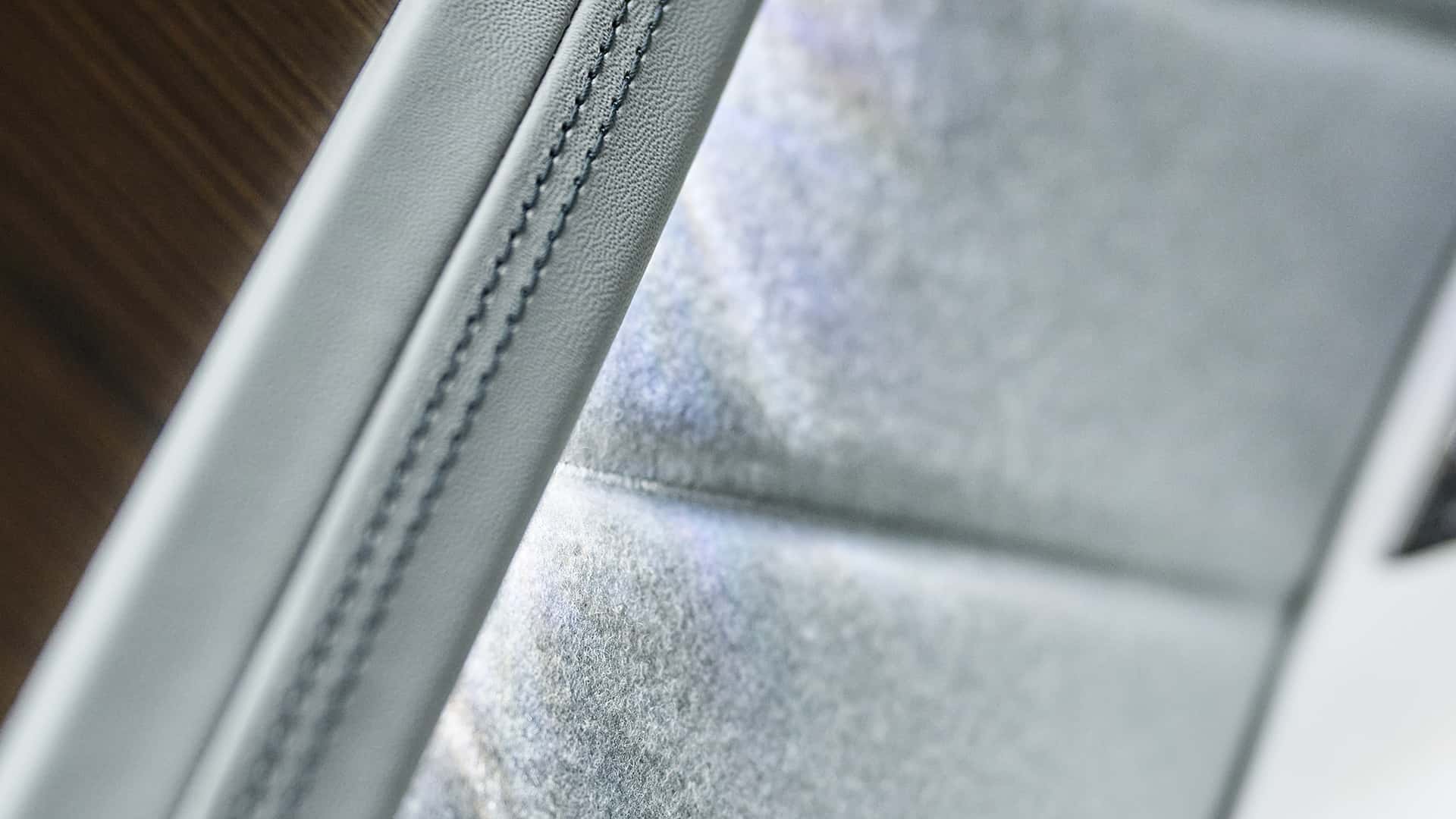
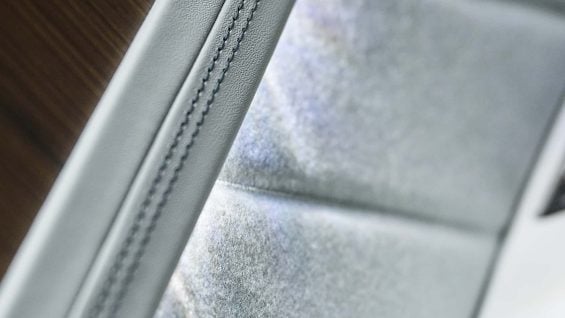
Detail of the interior of the Bentley Torcal EV, showing the combination of the wooden panel with Ombre Veneer finish and the Merino wool trim on the doors. (Photo: Bentley | Disclosure)
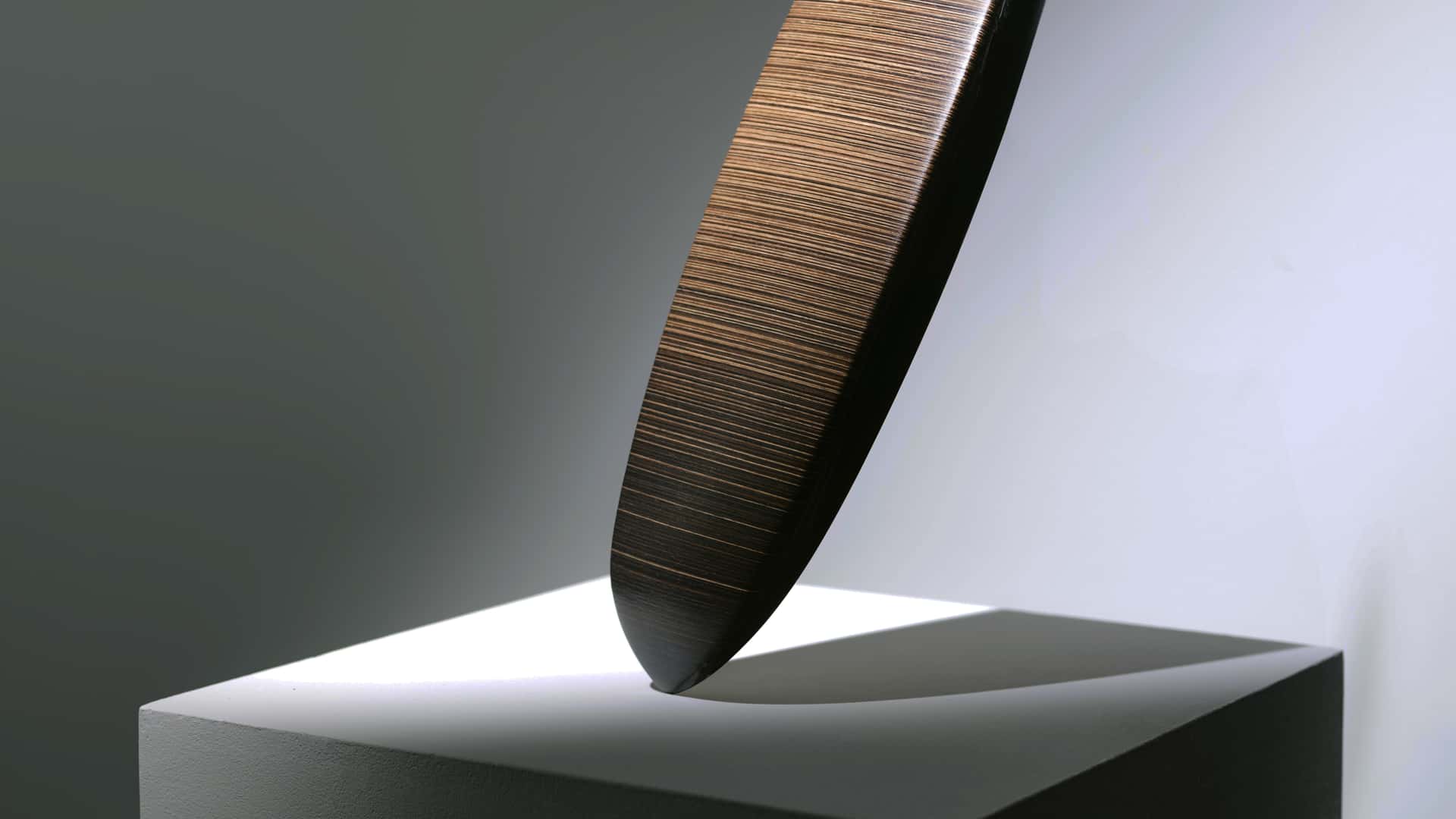
Bentley has begun unveiling the interior of the Torcal, its first all-electric SUV, ahead of its official debut scheduled for September 23 in London. Instead of the “vegan leather” and plastic surfaces that have become standard in electric cars sold in Brazil, the British brand will offer an option to finish with 100% Merino wool on the seats and panels, alongside a wood veneer made with walnut leftovers pressed with recycled paper.
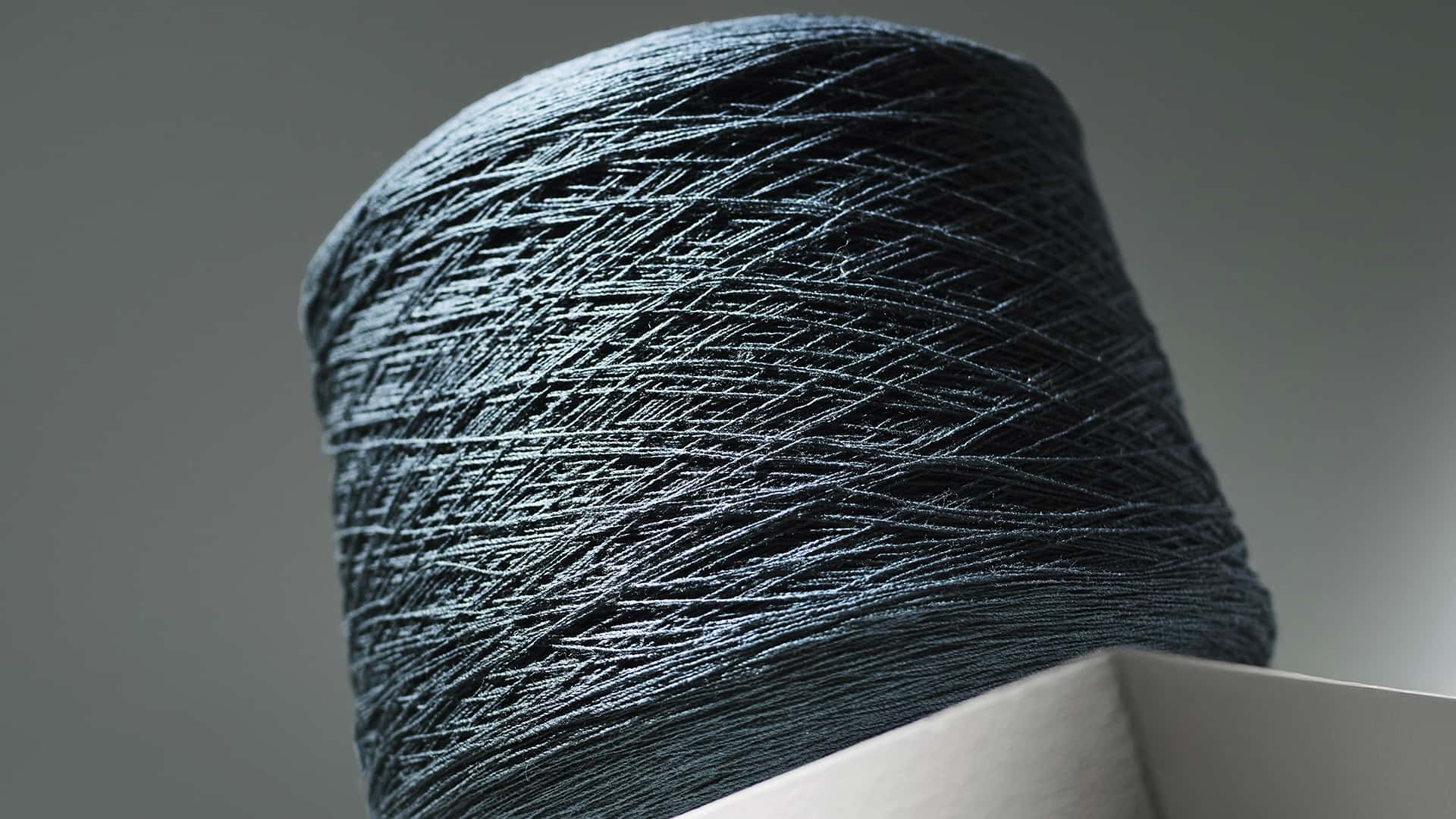
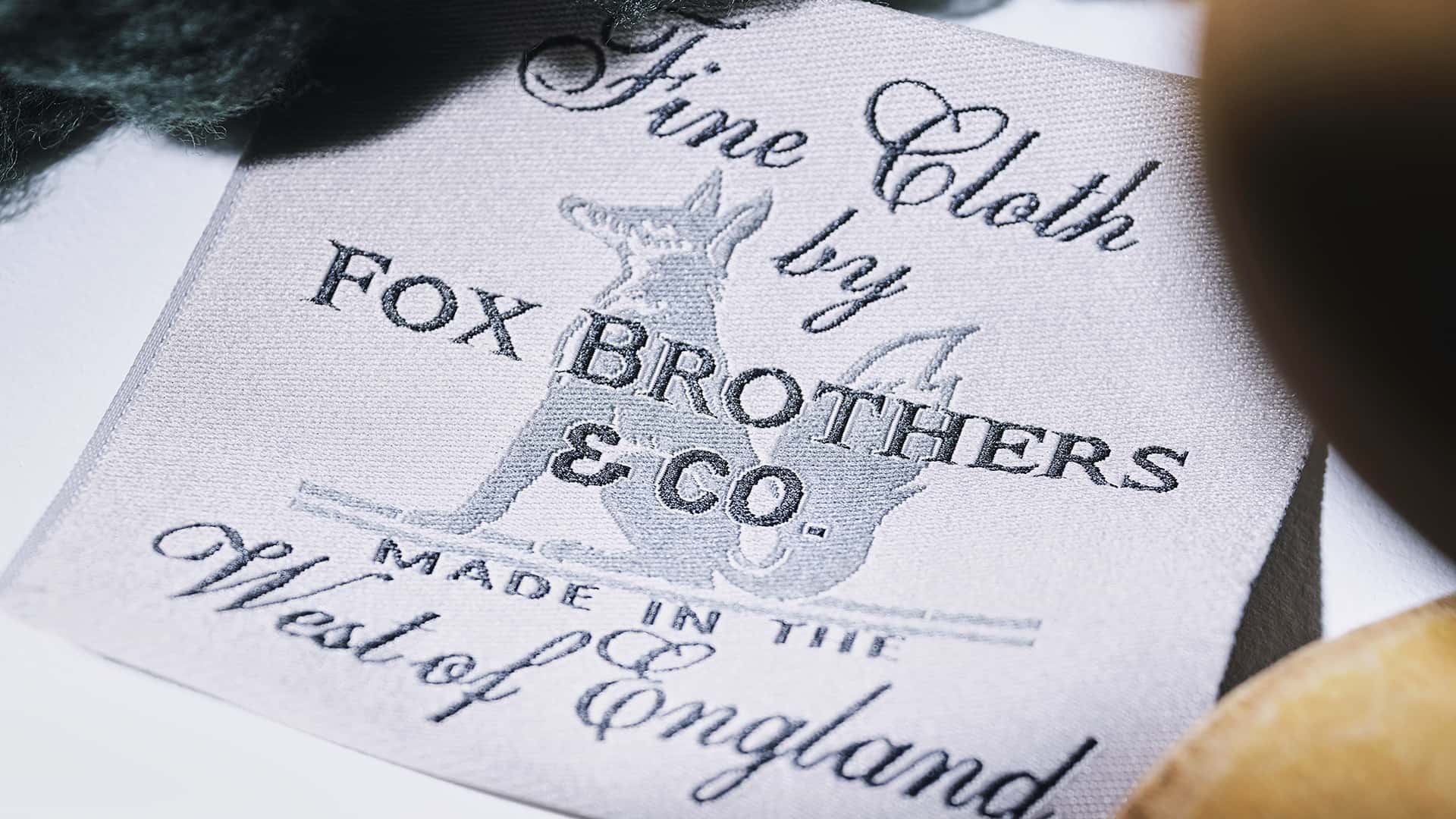
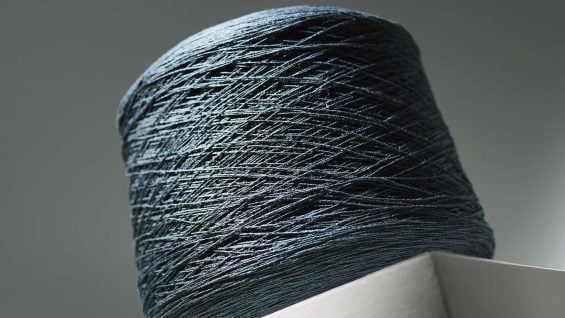
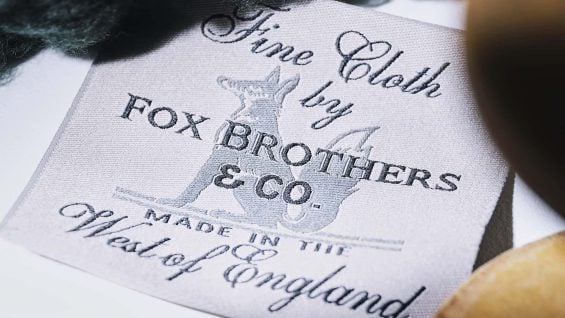
The fabric was developed in partnership with Fox Brothers, a traditional British weaving company, to withstand the friction and daily use of a car, a historical limitation that kept natural fibers away from the seats. According to Bentley, it is the first pure wool automotive fabric to receive the Responsible Wool Standard certification, which audits animal welfare and traceability in the production chain.
The choice is not just a sustainable discourse. Merino wool has fibers 15 to 24 microns in diameter, compared to 50 to 100 microns for a human hair. It is this fineness that eliminates the itching typical of common wool. The fibers are also naturally wavy, which traps air and explains the thermoregulation: the seat does not boil in the sun or freeze in the early hours of the morning. Wool still absorbs up to 30% of its own weight in moisture before it looks wet and resists odors.
The breed was born in Spain in the 13th century and was treated as a strategic asset: for centuries, taking a live animal from the country was a crime punishable by death. It was only from the 18th century onwards that the herds reached Australia, New Zealand and South America, today the major producing centers. In Brazil, breeding is concentrated in Rio Grande do Sul, where the Australian Merino is one of the traditional breeds of the Campaign.
The annual shearing is not a whim: the wool does not stop growing. The most famous case is that of Shrek, a New Zealand Merino who spent six years hiding in caves to escape shearers. Captured in 2004, it carried 27 kg of fleece, about six times the breed average and enough material for 20 men’s suits. The shearing was broadcast live on TV.
Plenty of wood and spun aluminum
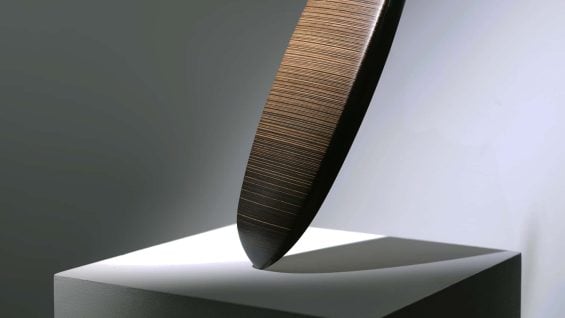
The Ombre Veneer finish is born from leftover walnut and recycled paper compressed into up to 1,000 layers, then sliced into sheets of less than 1 millimeter. The pieces are arranged so that the color migrates from almost black to the natural tone of the wood along the dashboard and doors. Completing the set is the Mulliner Sunburst aluminum, brushed in three directions, which rescues the aesthetics of the engine-turned panels of classic models.
Bentley’s fourth product line, alongside Continental GT, Flying Spur and Bentayga, the Torcal will be hand-assembled in Crewe, England, with production scheduled for 2027. The brand confirms two electric motors, all-wheel drive and a range of over 480 km, but has not yet disclosed power, battery capacity or price.
Comments are the sole responsibility of their authors and do not represent the opinion of this site. Comments containing profanity or offensive language will not be published. If you identify anything that violates the terms of use, please report it.