

The culprits for the deterioration of British roads are not cars, but the weather and trucks
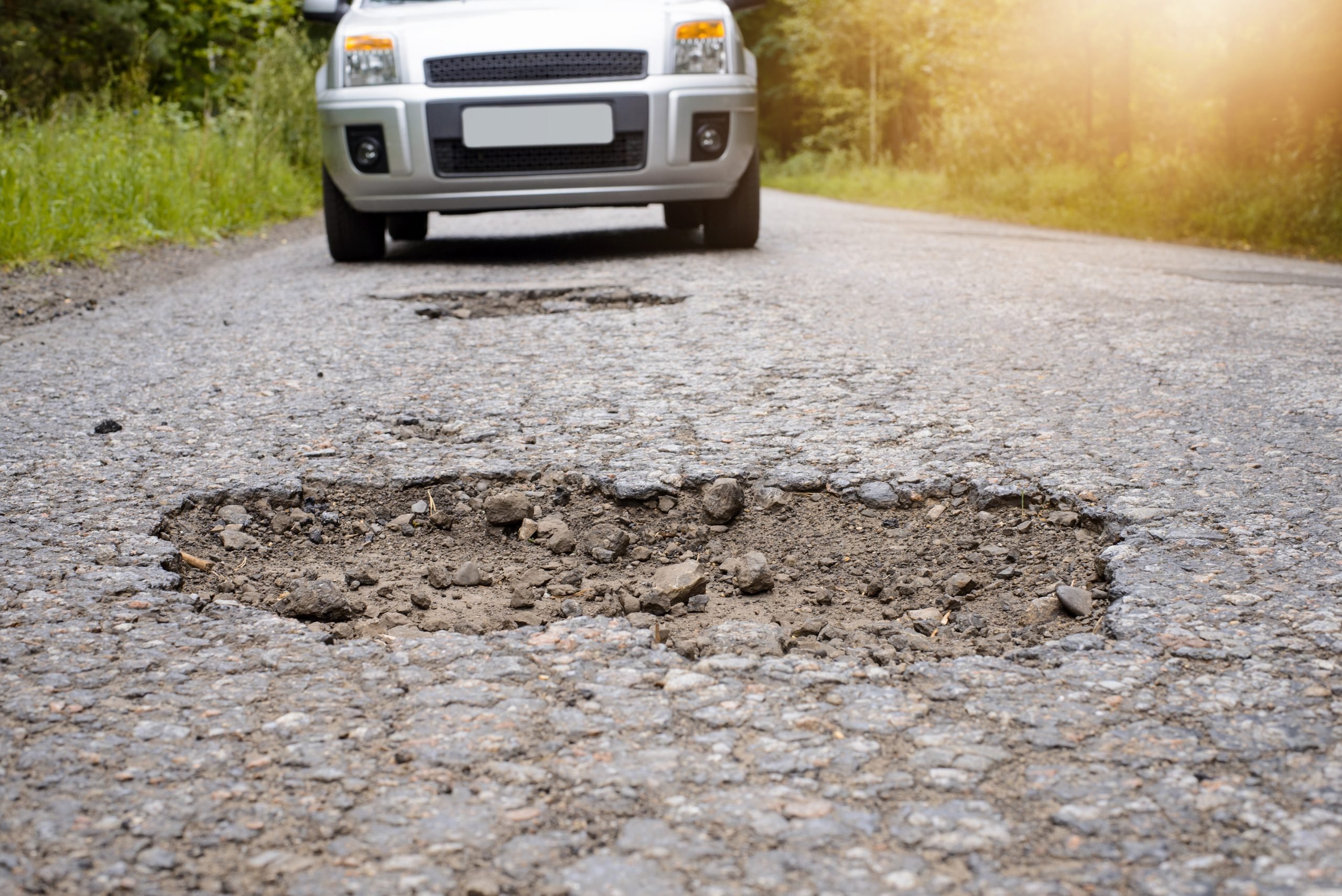
Infrastructure experts point out that heavy trucks and bad weather detonate the asphalt, denying the guilt of electric cars and other light vehicles
By
João Paulo Profeta
Published on 2026-08-28 at 02:00 PM
Published on 2026-08-28 at 02:00 PM
Be the first to comment.
Summarize with:
Experts in the field of civil engineering and infrastructure came out in defense of electric cars and SUVs, refuting the narrative that these models would be the main responsible for the advance of potholes and the degradation of British highways. The debate gained intensity after surveys pointed out that the average mass of new cars has increased by about 400 kilos in the last nine years, reaching close to two tons, which motivated city halls in large centers to discuss higher parking rates for heavy vehicles.
Despite this general increase in the passenger fleet, professionals in the sector clarify that the impact exerted on the asphalt does not depend only on the total weight, but also on the load distributed per axle. Engineers explain that wear and tear grows exponentially, when doubling the pressure on an axle, the damage caused to the structure of the road multiplies by sixteen. For this reason, the greatest damage to the roads is caused by the transport of heavy loads, and a single route of a large truck generates an impact equivalent to thousands of passages of ordinary cars.
São Pedro does not help
Another determining factor pointed out by experts is the severe impact of weather conditions combined with the scarcity of resources for maintenance. The frequent cycles of freezing and melting of water that penetrates the microcracks of the runway weaken the structure, while extreme heat waves soften the runway material.
Sectoral data reveal that local authorities are dealing with a billionaire delay in road restoration works, leaving a large part of the network with a reduced useful life. Thus, technical entities conclude that the central problem of the roads stems from the intensive traffic of trucks, the harsh climate and the chronic lack of investments, exempting light automobiles from the main blame, which was often attributed to them.
SEE MORE ABOUT

0 Comments
Comments are the sole responsibility of their authors and do not represent the opinion of this site. Comments containing profanity or offensive language will not be published. If you identify anything that violates the terms of use, please report it.