


Tax on imported electric cars jumps to 35% — but there is a loophole for Chinese cars
New tax rate for fully assembled vehicles ends the schedule started in 2023, but the government reopens zero quota for assembly kits
By
Júlia Haddad
Published on 2026-07-02 at 09:00 PM
Published on 2026-07-02 at 09:00 PM
Be the first to comment.
Summarize with:
The new 35% Import Tax rate for electric cars fully assembled and produced abroad came into force this Wednesday (1st). Previously set at 25%, the tariff reaches the ceiling and marks the last stage of the tariff recomposition schedule announced by the federal government in November 2023 for imported electrified vehicles.
The new taxation affects models that arrive in the country in the CBU (Completely Built Unit) format, ready for sale, without any assembly stage in the national territory. According to the government, the objective is to stimulate local production and reduce dependence on ready-made imported vehicles.
Contrary to the increase, the Executive Management Committee of the Chamber of Foreign Trade (Gecex-Camex) reopened an import quota with a zero rate for cars that arrive disassembled or partially disassembled and are finished in Brazilian factories. The benefit applies to the CKD (fully disassembled) and SKD (part of the assembly done abroad) regimes and covers imports of up to US$ 463 million (about R$ 2.4 billion) between July 1 and December 31, 2026 — the same window that was already in force between August 2025 and January this year.
Once the limit is exceeded, SKD kits will pay 35% tax, while CKD will continue to pay a rate of 14% until the end of 2026. From January 1, 2027, both will be taxed at 35%.
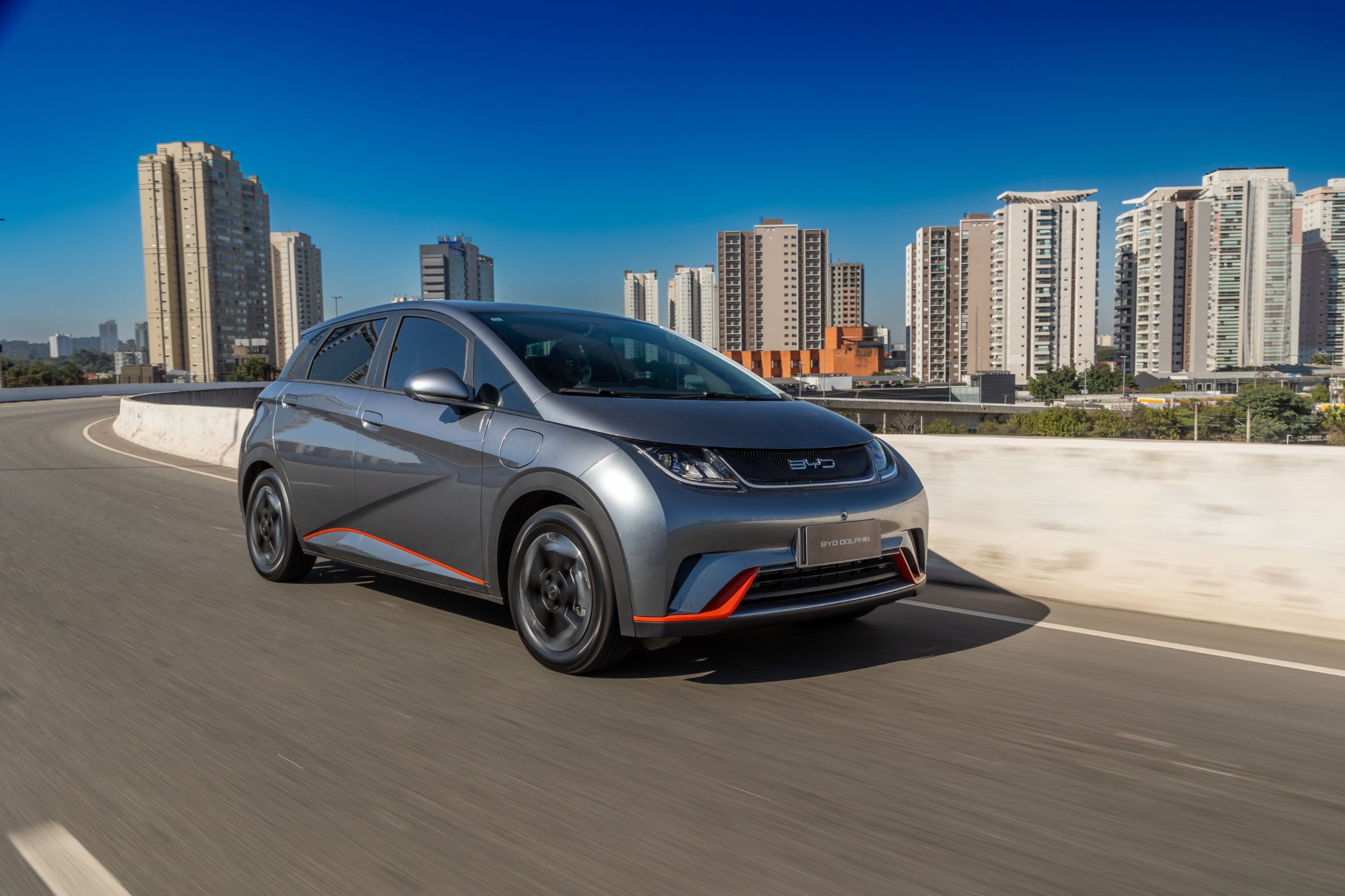
According to the Ministry of Development, Industry, Commerce and Services (MDIC), the maintenance of the quota seeks to support automakers that implement or expand units in Brazil. The measure was associated with BYD, which started production in Camaçari (BA) through the SKD system and has been gradually migrating to CKD kits. The Chinese manufacturer leads the national electric market by far: it accounted for 65.67% of battery model registrations between January and May 2026, according to a technical note from the ministry itself.
While the government maintains that the policy strengthens the industry and attracts investments, industry associations reacted. Anfavea stated that the decision was taken “without consulting the productive sector” and changes a guideline established by the government itself; Fiesp also expressed concern. The entities assess that maintaining the benefit to imported kits can generate competitive imbalance and reduce predictability for the auto parts industry.
For the consumer, the effect is still uncertain: the full rate makes electric vehicles brought ready more expensive, but the eventual transfer to prices will depend on the commercial strategy of each automaker.
SEE MORE ABOUT

0 Comments
Comments are the sole responsibility of their authors and do not represent the opinion of this site. Comments containing profanity or offensive language will not be published. If you identify anything that violates the terms of use, please report it.