


Study points out the most difficult part to replace in Chinese cars in Brazil
Autoglass survey separates into three groups the models whose part can take more than 90 days to arrive; newly launched Chinese are on the list
By
João Paulo Profeta
Published on 2026-09-17 at 04:00 PM
Published on 2026-09-17 at 04:00 PM
Be the first to comment.
Summarize with:
If your car part has disappeared from the market, the problem may not be with the workshop. A survey by Autoglass, a glass and automotive parts company, identified the three groups of vehicles that today concentrate the greatest difficulties in replacement in Brazil, and the Chinese are in the account.
The mapping was based on the company’s database and its intelligent inventory system, which crosses demand history, regional fleet profile, supplier supply and probability of replacement by model and year.
In some cases, the wait exceeds 90 days and the cost makes the repair unfeasible. See who is in each group.
The Chinese newcomers
The difficulty in this case is linked to the speed of the expansion of the brands and the still partial consolidation of the local aftermarket chain. Models such as MG4, Denza B5 and Geely EX5 face obstacles in obtaining glass, both because of the limited supply and because of the correct identification of the parts, since many receive specific adaptations for the Brazilian market.
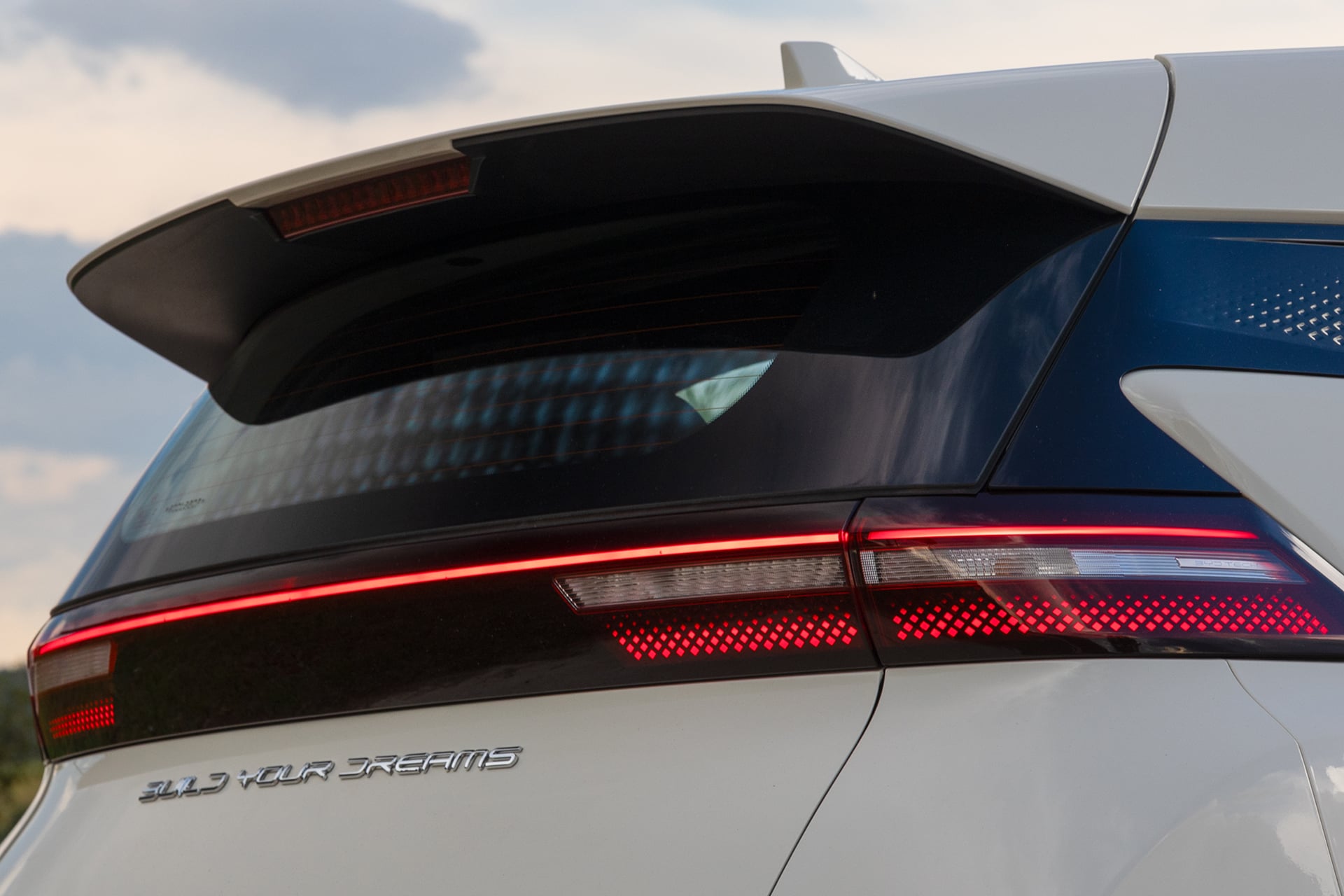
The BYD Shark pickup appears for another reason: the format has little representation in the Chinese market, where pickup trucks face circulation restrictions in large centers, which limits the supply of components.
The contrast is great with the pace of sales – from January to August this year, Chinese brands accounted for 17.8% of car and light commercial vehicle registrations, according to Fenabrave.
The classics and discontinued
Vehicles that have been discontinued for more than a decade depend on remaining stocks, remanufacturing, or custom importation — which makes deadlines unpredictable and makes repairs more expensive.
The Fiat Punto (2008 to 2012) and the Fiat Doblò (2010 to 2021) are included in this list, in addition to previous generations of the Volkswagen Polo (2007 to 2015) and the Golf (2008 to 2014), with difficulty concentrated in lighting components.
Classics such as Chevrolet Kadett, Monza and Chevette complete the panorama. The group tends to grow: the average age of autovehicles in circulation in the country reached 11 years in 2025, and that of automobiles, 11 years and 5 months, according to the Sindipeças circulating fleet report.
European luxury
cars These are the most extreme cases: the Ferrari SF90 Spider, the Lamborghini Huracán LP 580-2 and the Maserati Levante GT lead the difficulty of replacement. In many cases, the parts depend on imports and a single authorized dealership in the country, which extends the deadline.
Luxury sports cars and SUVs such as Porsche Cayenne S Coupé and 911 GT3 also appear, with components that can take 60 to 90 days to arrive in Brazil.
“Increasing the diversity of the Brazilian fleet requires strategic work in inventory management. Today it is not enough to monitor only the items with the highest turnover”, says Flávio Cezario, vice president of Autoglass.
According to him, predicting which parts will be more likely to be replaced, even in low-circulation vehicles, is the way to reduce the consumer’s wait.
SEE MORE ABOUT

0 Comments
Comments are the sole responsibility of their authors and do not represent the opinion of this site. Comments containing profanity or offensive language will not be published. If you identify anything that violates the terms of use, please report it.