Integration of Chinese batteries and engines with brands such as Fiat and Peugeot aims to contain BYD's advance in a scenario of losses and pressure on Stellantis
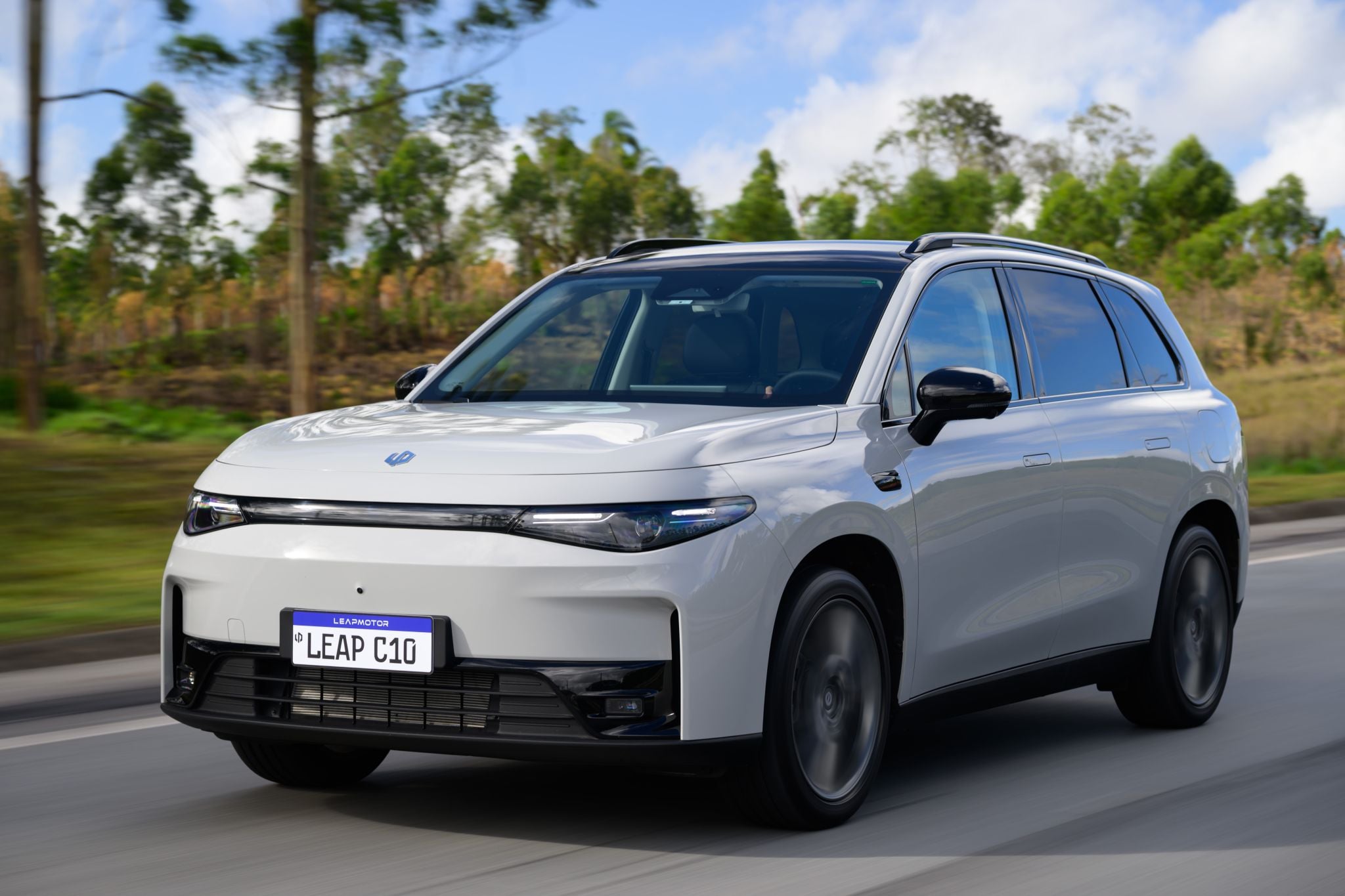
Stellantis is negotiating to expand its partnership with China’s Leapmotor to integrate the Asian manufacturer’s electric vehicle technologies into models from volume brands in Europe, such as Fiat, Opel and Peugeot. The initiative, revealed by Bloomberg sources close to the talks, aims to reduce production costs and accelerate the automotive conglomerate’s response to the offensive of Chinese rivals such as BYD and MG Motor.
SEE ALSO:
The focus of the discussions is access to advanced battery and electric propulsion systems (powertrain). If the deal goes ahead by the end of this year, Stellantis will become the first major Western automaker to adopt a Chinese manufacturer’s structural architecture and software to sustain its portfolio on the European continent.
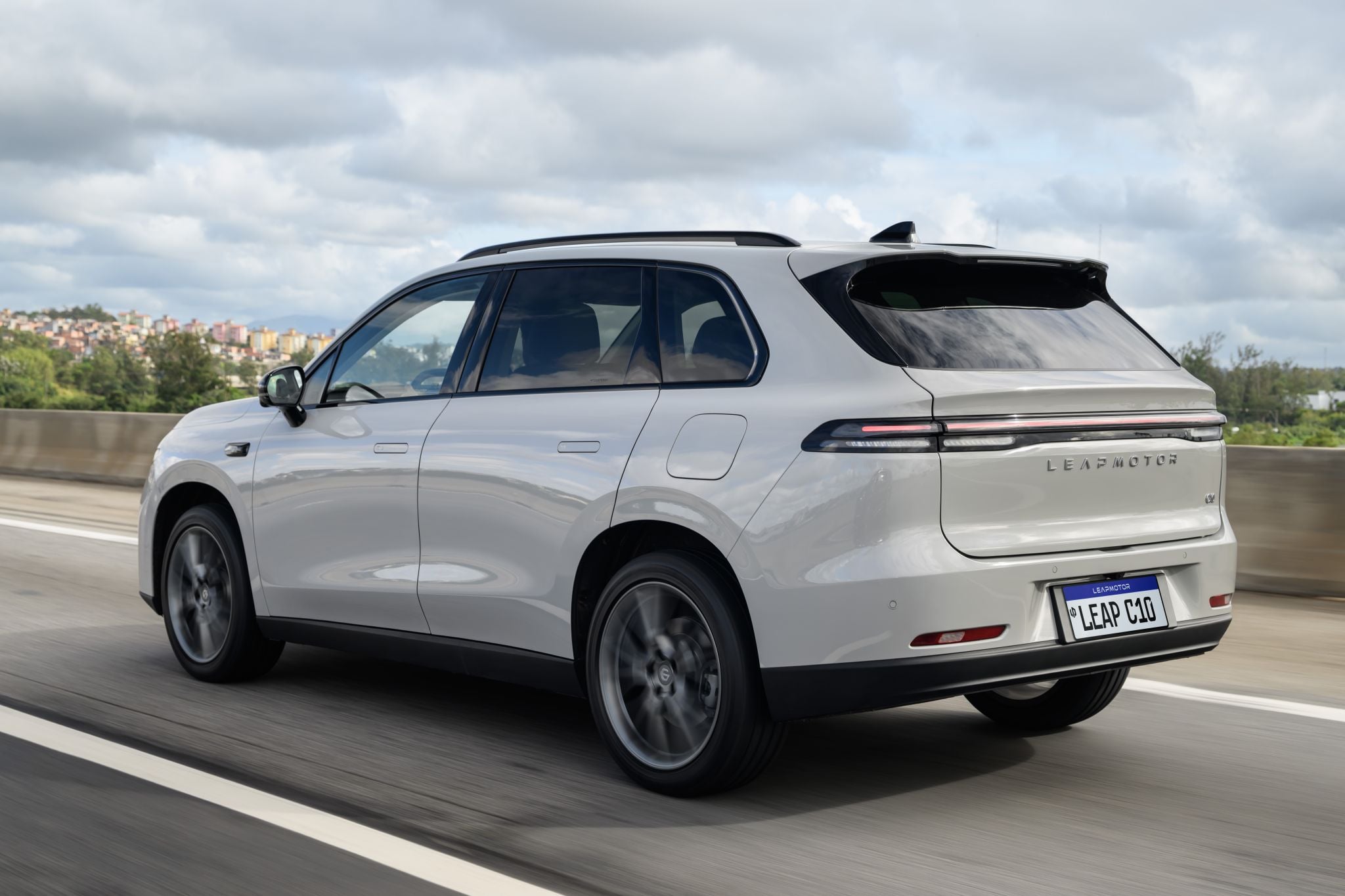
The move comes against a backdrop of strong financial pressure: earlier this month, the automaker announced write-downs of 22.2 billion euros (about $26.1 billion), reflecting the loss of market share and falling profits. The new strategy, under the leadership of CEO Antonio Filosa, attempts to curb industrial overcapacity and the global slowdown in demand for electric cars.
There are, however, significant regulatory obstacles. The companies are weighing how to circumvent concerns about data security and new U.S. rules that, starting in 2027, prohibit the sale of connected vehicles with technology from China or Russia. Compliance with these standards is vital to the global operation of the brands involved.
Stellantis said it is in regular discussions to expand cooperation with Leapmotor, a joint venture created in 2023 after an initial investment of $1.1 billion. Currently, the group owns 15% of the Chinese manufacturer. Although shares rose 0.6% in Milan after the news, the shares are down 31% for the year.



