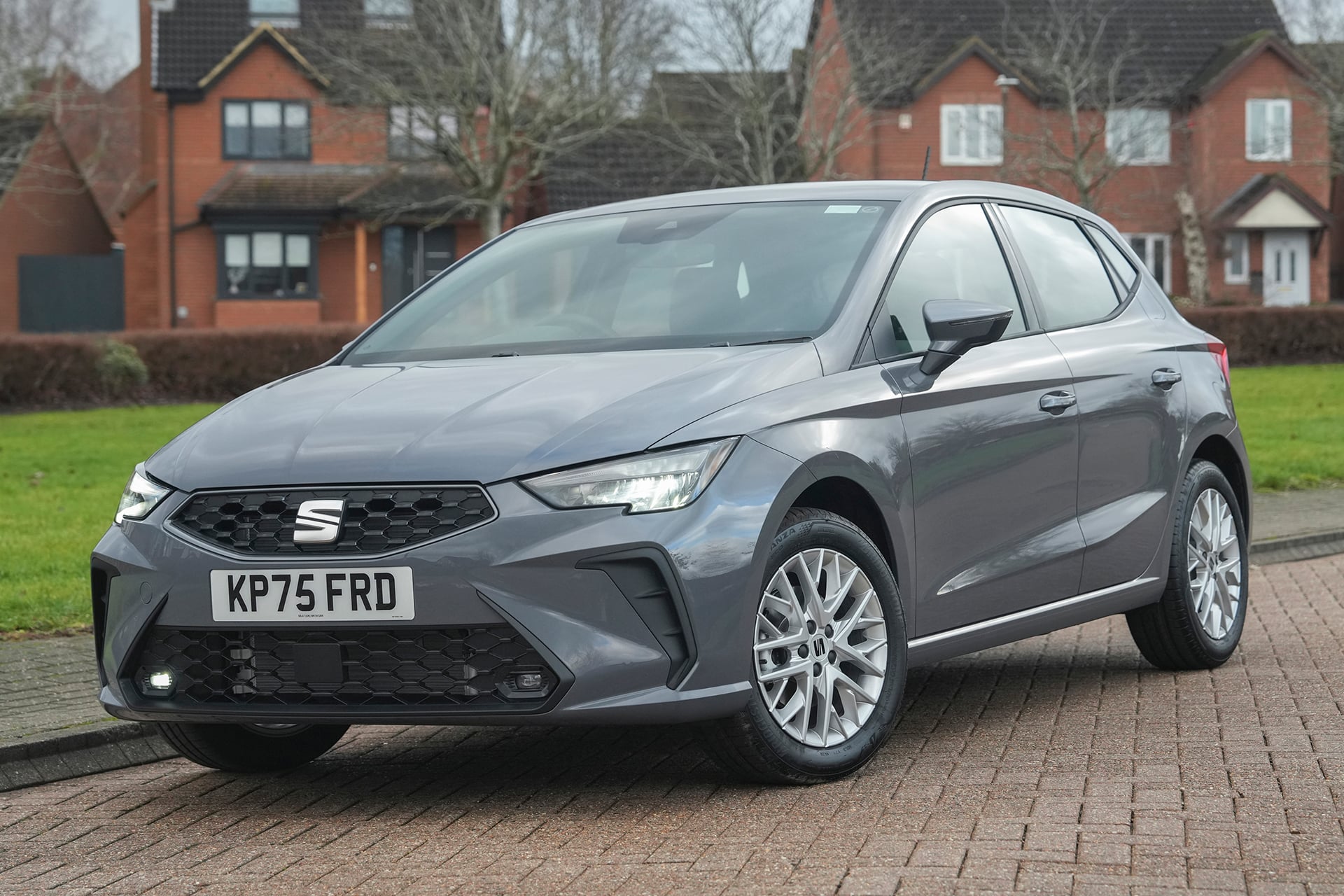
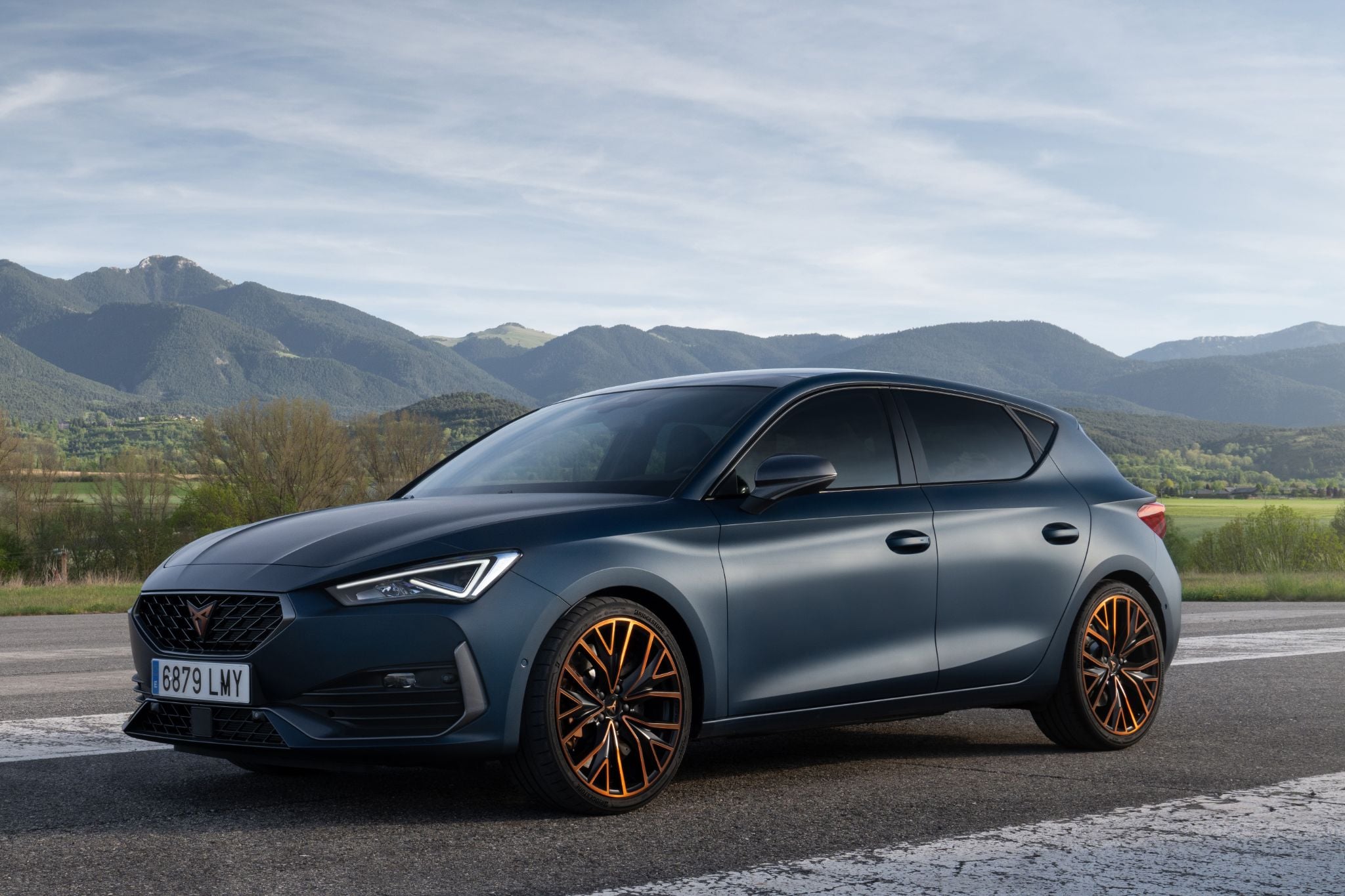
Seat (iconic Spanish automaker) has admitted that it may cease to exist. In a statement released on Friday (4), Seat S.A. — the company that houses the Seat and Cupra brands — said that the manufacturer’s continuity is still under analysis and that several scenarios remain open for after 2030. No decision has been made, the company says, but it is the first time it has put on paper the hypothesis of retiring a name created in 1950.
The text came a day after the German economic weekly WirtschaftsWoche revealed the contents of an internal document prepared for the supervisory board of Volkswagen, owner of Seat.
According to the publication, the plan foresees discontinuing the Spanish brand in an orderly manner by the end of 2029, with products, sales network and industrial structure transferred, whenever possible, to Cupra, which was born as a sports sub-brand.
Keeping Seat in its current format would require additional resources, the document says. Volkswagen has not confirmed the plan.
Seat maintains a defined product plan, with mild hybrid versions of the Ibiza and Arona scheduled for 2027. What comes next is at stake.
Today the name Cupra comes before the model name (Photo: Cupra | Disclosure)
Four German factories in limbo
The episode fits into Volkswagen’s Future Plan 2030, unanimously approved on September 3 — the same board had rejected the package by 12 votes to 7 in July. VW’s restructuring program foresees the cut of about 50 thousand jobs, in addition to another 50 thousand already in progress, the reduction of half of the model portfolio by 2035 and investments of € 135 billion (about R$ 805 billion).
The automaker has also identified excess capacity of more than 500,000 vehicles in Europe and says that production in Emden, Zwickau, Hanover and Neckarsulm — the latter of Audi — is not assured between 2031 and 2034. The four employ about 45,000 people and the company has until June 2027 to present a viable alternative.
Here, Seat is a reminder of another era. It arrived in Brazil in 1995, imported from Martorell and sold at Volkswagen dealerships, with the Cordoba sedan, the Ibiza hatchback , the Inca van and the Vario station wagon. The 70% import tax made everything more expensive, and the operation closed in the early 2000s.
Comments are the sole responsibility of their authors and do not represent the opinion of this site. Comments containing profanity or offensive language will not be published. If you identify anything that violates the terms of use, please report it.