


People are leaving vomit, feces and even pigs’ heads on the seats of driverless taxis
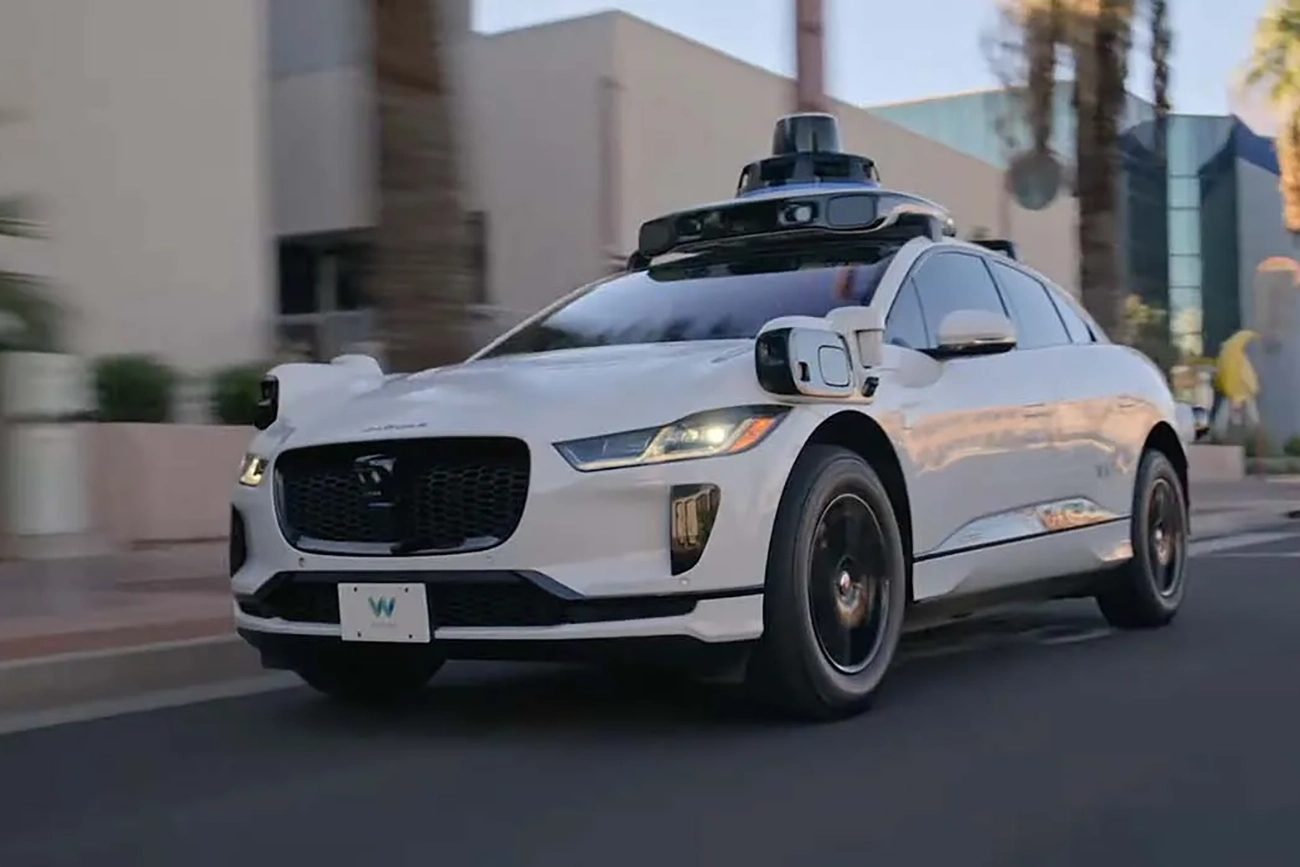
Waymo has reached 14 cities and more than 4,000 vehicles in the U.S., with half of the remote assistance agents based in the Philippines
By
Júlia Haddad
Published on 2026-09-04 at 12:00 PM
Published on 2026-09-04 at 12:00 PM
Be the first to comment.
Summarize with:
The expansion of Waymo’s robotaxis depends on a human job that the company rarely shows: cleaning up vomit, feces and other waste left by passengers. The report is from an employee of a company warehouse in the San Francisco Bay Area, interviewed anonymously by the Bay Area Current website. He is not hired by Waymo, but by Transdev US, a company that provides operating services to the owner of the robotaxis.
According to the worker, his job included parking the vehicles, checking that they were loaded, transferring the data collected on the trips, and forwarding technical problems or breakdowns to the responsible teams. When a car needed cleaning, the task was passed on to employees hired specifically for cleaning. Vomit and feces, he says, appear frequently, especially on weekend nights.
The most unusual episode involved two pig heads forgotten in the back seat of one of the vehicles. According to the report, the items were loose in the car and the removal was left to the cleaning team.
About R$ 150 per hour and shift set at the last minute
The payment is about R$ 150 per hour (US$ 29) for those who work in the morning or in the intermediate shift. Those who cover the early hours, from 10 pm to 6:30 am, receive an additional US$ 2, which raises the value to approximately R$ 160 per hour (US$ 31). There is another US$ 1 per hour for those who take Saturday and Sunday nights, precisely the ones with the highest volume of dirt.
The routine is unstable. Employees move between different warehouses and only find out the location of the shift two hours before the start. Each day’s role is also defined by managers on the spot, according to their length of service and proximity to their boss. Before starting, he went through separate integrations at Transdev, Waymo, and Alphabet, the service’s parent company, followed by a single week of training.
The official said he did not know if passengers who dirty their cars were prevented from using the service and said that the images from the internal cameras are not routinely reviewed. Neither Waymo nor Transdev have publicly commented on the report.
Fleet grows and remote assistance stays abroad
The operation is moving fast. On September 1, Waymo opened autonomous trips to the public in Denver, San Diego and Tampa, reaching 14 American cities and more than 4 thousand vehicles. The company claims to make more than 500 thousand paid trips per week and projects 1 million by the end of the year.
Even without a driver, the cars have a human support structure. In a letter to Senator Ed Markey in February, Waymo said it has about 70 remote assistance agents on call simultaneously around the world — half in Arizona and Michigan, half in two cities in the Philippines. The company maintains that they do not drive the vehicles remotely: they respond to requests for information from the autonomous system itself, which can accept or discard the guidance.
SEE MORE ABOUT

0 Comments
Comments are the sole responsibility of their authors and do not represent the opinion of this site. Comments containing profanity or offensive language will not be published. If you identify anything that violates the terms of use, please report it.