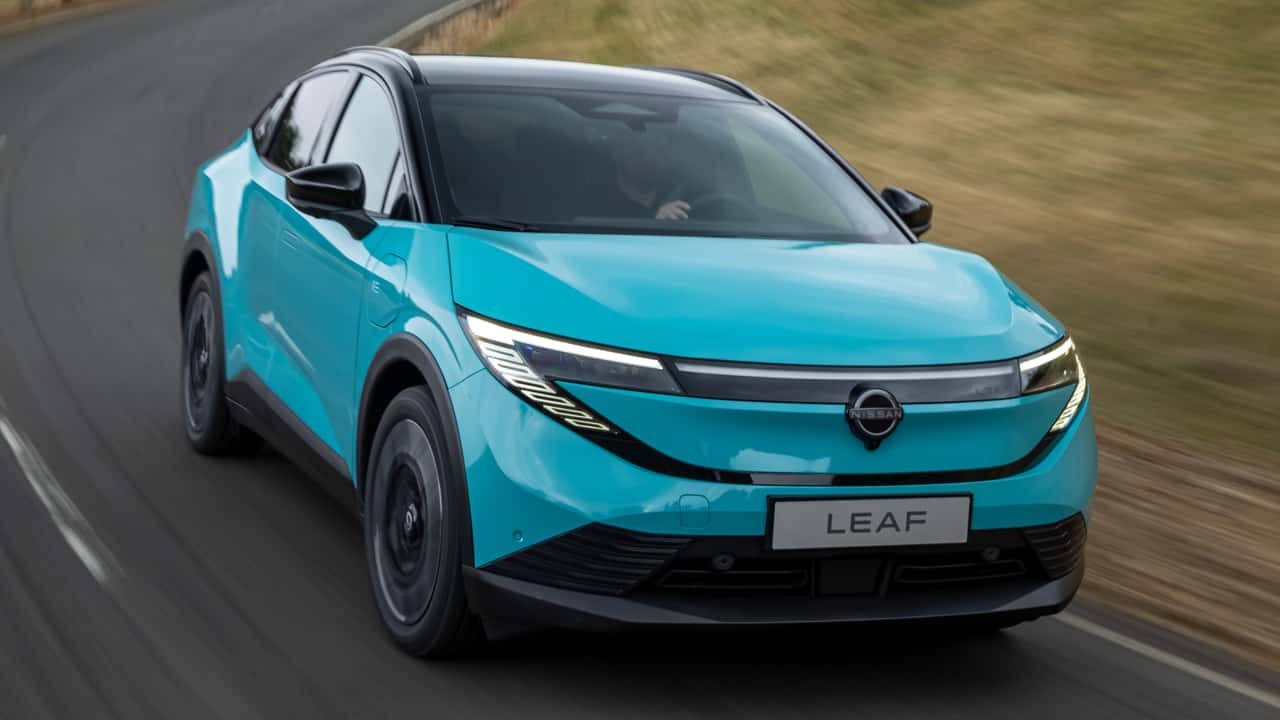
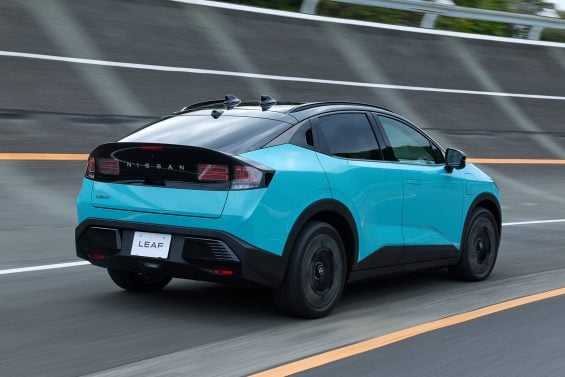
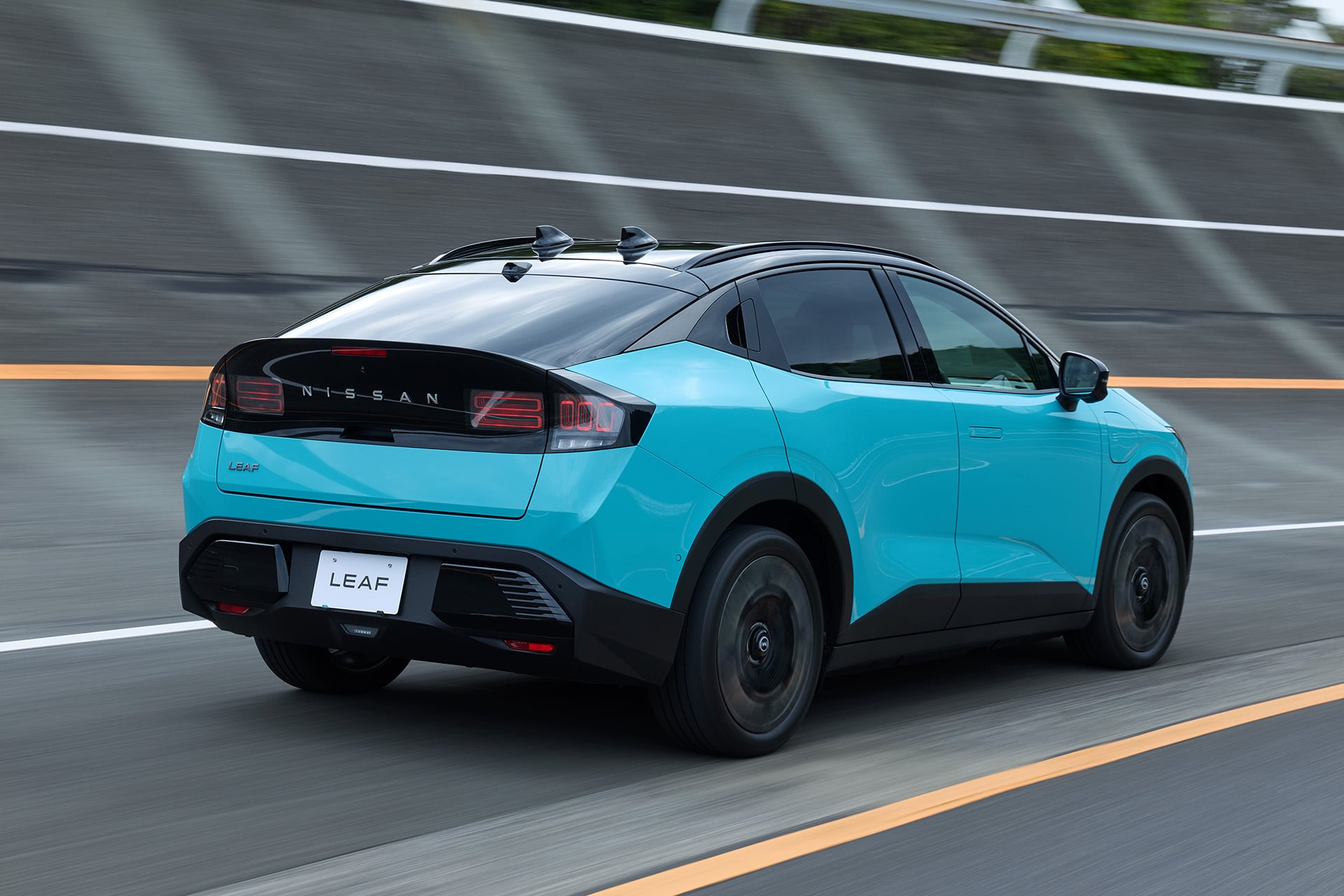
Nissan has made official the recall for the Leaf electric model after identifying a critical defect in the traction battery. The failure, according to a statement sent to the NHTSA (United States Highway Safety Agency), can cause spontaneous fires, even occurring with the vehicle parked, turned off and disconnected from power sources.
The technical problem is concentrated in the manufacturing process of the battery cells, specifically damage to the cathode material. This irregularity can result in internal short circuits that, under high temperature conditions, trigger a chemical chain reaction. The phenomenon, known as thermal runaway, raises the internal pressure of the modules until combustion.
The automaker’s investigation began after an incident in Osaka, Japan, in February 2026, where a Leaf caught fire while parked. A few weeks later, in March, a second case was registered in the United States, consolidating the diagnosis of electrical anomalies in the modules produced by a specific supplier.
Although the measure only affects 51 units produced between 2024 and 2025, the severity of the risk requires immediate caution. Nissan and its supplier have already implemented adjustments in the production process to eliminate the failure in the new batteries, but monitoring remains rigorous to avoid new incidents.
As a safety measure, the manufacturer advises owners to park their vehicles outdoors and avoid charging the battery until the definitive repair is completed. The dealerships will replace the affected components at no cost to customers, ensuring the supply of backup vehicles to minimize inconvenience during the maintenance period.
Comments are the sole responsibility of their authors and do not represent the opinion of this site. Comments containing profanity or offensive language will not be published. If you identify anything that violates the terms of use, please report it.