Cars too big for the parking spaces and "blind spots" that hide children motivate calls for urgent regulation of pickup trucks in Europe

The UK’s urban landscape is undergoing a controversial transformation: the fleet of large, American-style pickup trucks has nearly doubled in the last decade. The phenomenon triggered an intense debate about road safety and occupation of public space. Data compiled by the organization Clean Cities indicate that the licensing of these vehicles jumped from 308 thousand in 2014 to about 590 thousand in 2024 — a growth of 92%.
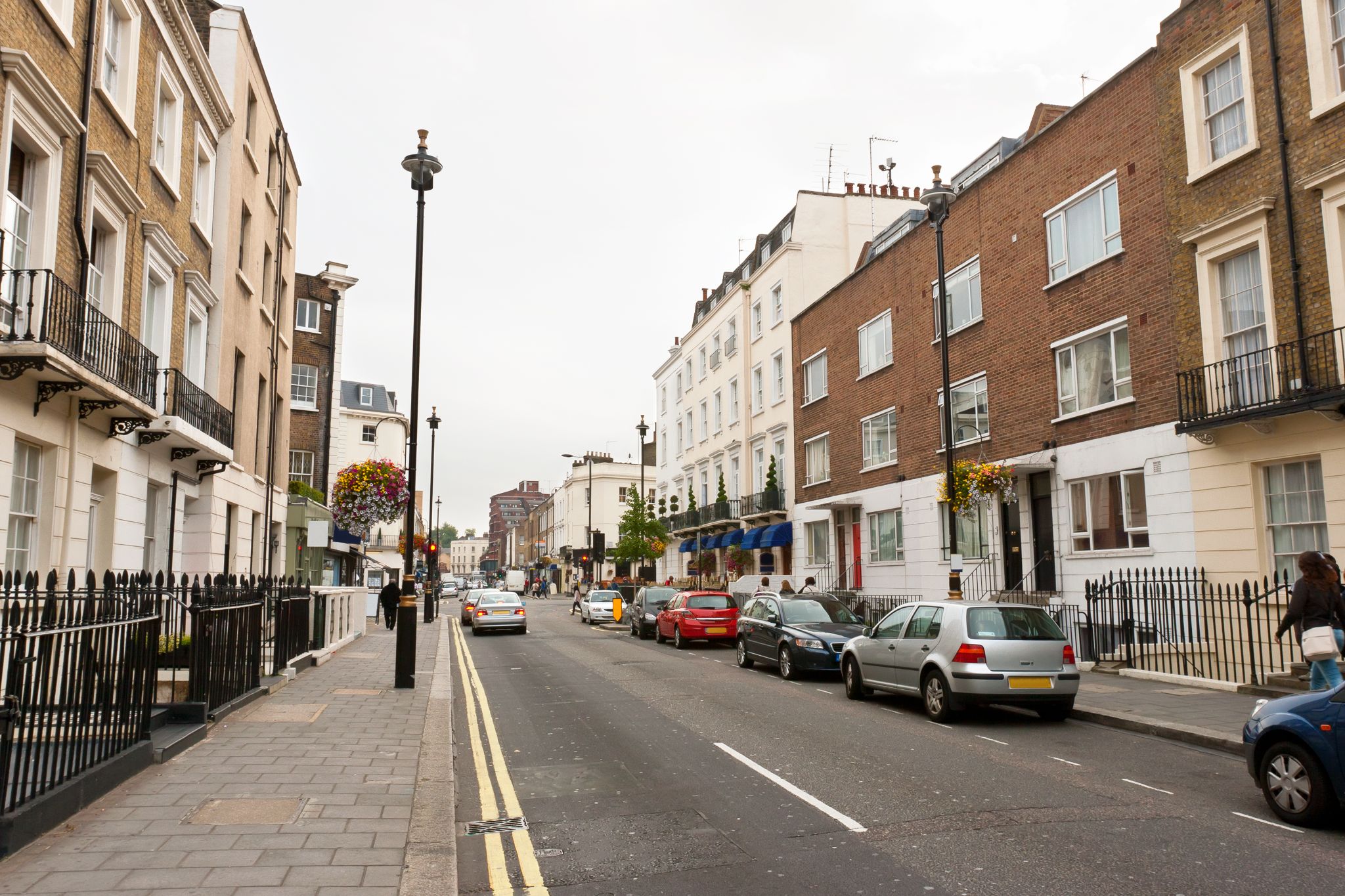
The advance of these models, often incompatible with the medieval layout and narrow streets of British cities, worries urban planners and local authorities. The size of vehicles often exceeds the standard of local parking spaces, creating bottlenecks in mobility.
SEE ALSO:
For Oliver Lord, director of Clean Cities, the trend reflects an inversion of priorities. “This explosion of pickup trucks prioritizes lifestyle over practicality, resulting in parking chaos and dangerous roads,” he says. The critical point lies in the raised front end of these SUVs: the design creates significant frontal “blind spots”, making it difficult for vulnerable children and pedestrians to see.
The increase in the fleet does not occur by chance. It is driven by a combination of tax incentives for vehicles classified as “commercial” and loopholes in import regulation. The mechanism known as Individual Vehicle Approval (IVA) allows many of these models to enter the country without passing the rigorous safety tests required by the European Union and the United Kingdom for ordinary passenger vehicles.
Faced with the circulation of vehicles designed for the wide highways of North America in historic European centers, pressure on the government is growing. Environmental and road safety groups are demanding that city leaders adopt containment measures.
Among the proposals under discussion are the implementation of progressive parking fees, based on the dimensions and weight of the vehicle, in addition to closing legal loopholes that facilitate importation without the necessary safety adaptations. The objective is to discourage the use of these giant utilities in densely populated areas, mitigating risks to public safety and infrastructure.



