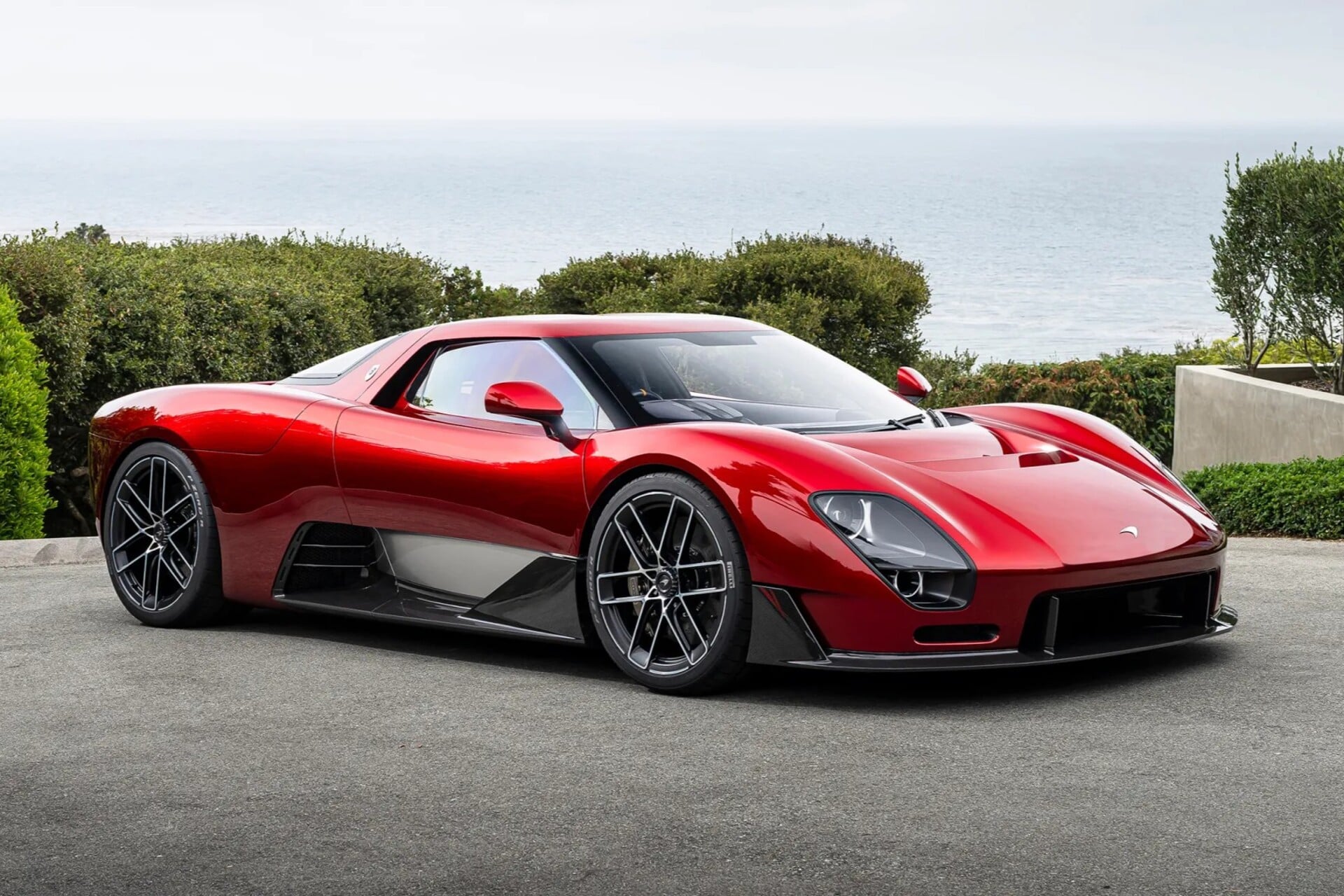
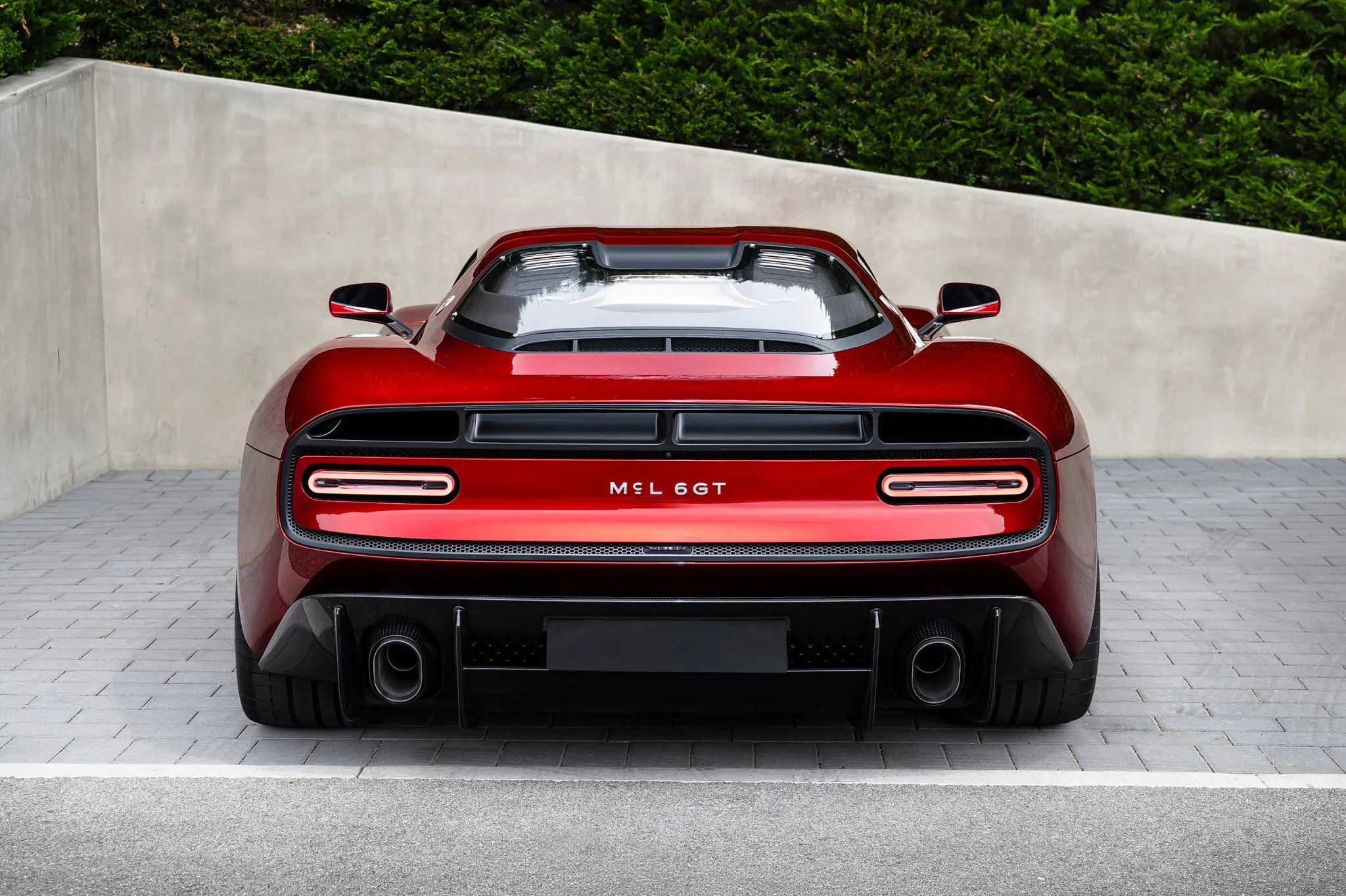
McLaren presented last Friday (14), during Monterey Car Week, the McLaren McL 6GT — the British brand’s first manual transmission super sports car since the McLaren F1, launched in 1992. The model is technically a concept, but the manufacturer promises to take it to the production line in 2028, with a gear lever and three pedals maintained.
The announcement adds to a resumption of manual transmission among high-performance brands, but through a different path. Ferrari resurrected the articulated lever this year, in the 12Cilindri Manuale, with the Manuale by-wire system: clutch pedal and handle exist physically, but have no mechanical connection with the transmission, which remains the eight-speed dual-clutch automated; It’s just a simulation. Porsche, in turn, confirmed the return of the manual gearbox to the 911 Carrera S 2027, and Koenigsegg took the CCGT1 to Monterey, also with an exchange made by the driver’s hand.
Photo: McLaren | Disclosure
From the MP4-12C to the Artura, passing through extremes such as Senna and W1, modern McLaren repeats some design principles: the same roof silhouette, the tapered and curved nose that incorporates the logo as a graphic motif and the open rear for cooling and airflow. The MCL 6GT has none of these elements, which makes it possibly the brand’s most unique project since the resumption of road cars 15 years ago.
Photo: McLaren | Disclosure
Name mixes current Formula 1 with Can-Am from the 1960s
The baptism is a collage: “McL” comes from the nomenclature of the chassis that McLaren uses today in Formula 1, and the “6GT” refers to the M6 GT, derived from the prototypes that the team raced at Can-Am. References to the predecessor are scattered throughout the bodywork: vertical headlights, Kamm-style rear and ducts designed with the simplicity that was common in the super sports cars of the 1990s and 2000s.
It’s no coincidence. Weeks earlier, at the Goodwood Festival of Speed, McLaren exhibited Bruce McLaren’s restored personal M6 GT: a renamed Can-Am car with a closed cabin to compete in long-distance races, which he never competed in and ended up converted into a street vehicle by the brand’s founder himself.
Photo: McLaren | Disclosure
V8 without hybridization and few technical details
McLaren revealed little about the mechanical set. Behind the cabin is a V8, but the company did not say whether it is turbocharged or aspirated. There is no hybrid assistance, and the promise is of a “tactile, analogue and deeply mechanical” experience. The monocoque and bodywork are made of carbon fiber.
Inside, the lever has been treated as an exhibition piece: the metal joints are visible and capture natural light in a cabin dominated by black and carbon. McLaren classifies the MCL 6GT as a new type of super sports car, outside the main portfolio — a sign, evaluates The Drive, that the manual should not spread across the range and that the brand intends to go beyond the Sports, Super and Ultimate families with more exclusive products.
Comments are the sole responsibility of their authors and do not represent the opinion of this site. Comments containing profanity or offensive language will not be published. If you identify anything that violates the terms of use, please report it.