Kia will open factory in Brazil if billionaire debt is forgiven by the government, says head of the brand in Brazil
Kia's exclusive importer, José Luiz Gandini says that forgiveness in the Asia Motors case is a condition for the parent company to expand investments in Brazil
José Luiz Gandini confirmed negotiations to transfer the command of Kia in Brazil to the South Korean headquarters (Photo: Kia | Disclosure)
Kia do Brasil may undergo important changes, including the construction of a factory in the country. The information is from the person responsible for the brand in the country today, José Luiz Gandini, in an interview with AutoPapo. Gandini clarified, to the reporter, information that was first released by journalist João Anacleto.
According to the businessman, Kia’s headquarters in South Korea would be negotiating the forgiveness of billionaire debts with the federal government, contracted at the end of the twentieth century, in the incident at the Asia Motors factory (see below). If there is a pardon, the businessman says he will hand over the command to the Asians and become only a dealer.
“It is a negotiation that has no deadline, no forecast. While this does not happen, everything remains as it is and I remain in charge of imports,” said José Luiz Gandini to the reporter.
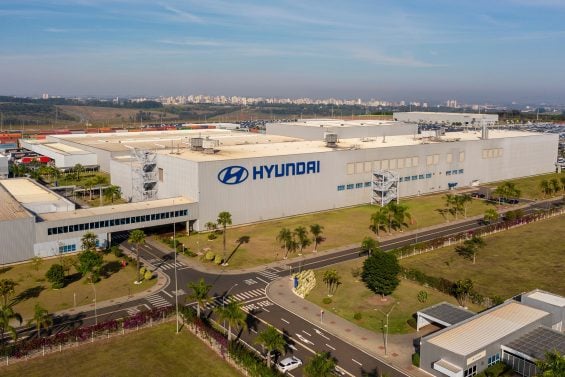
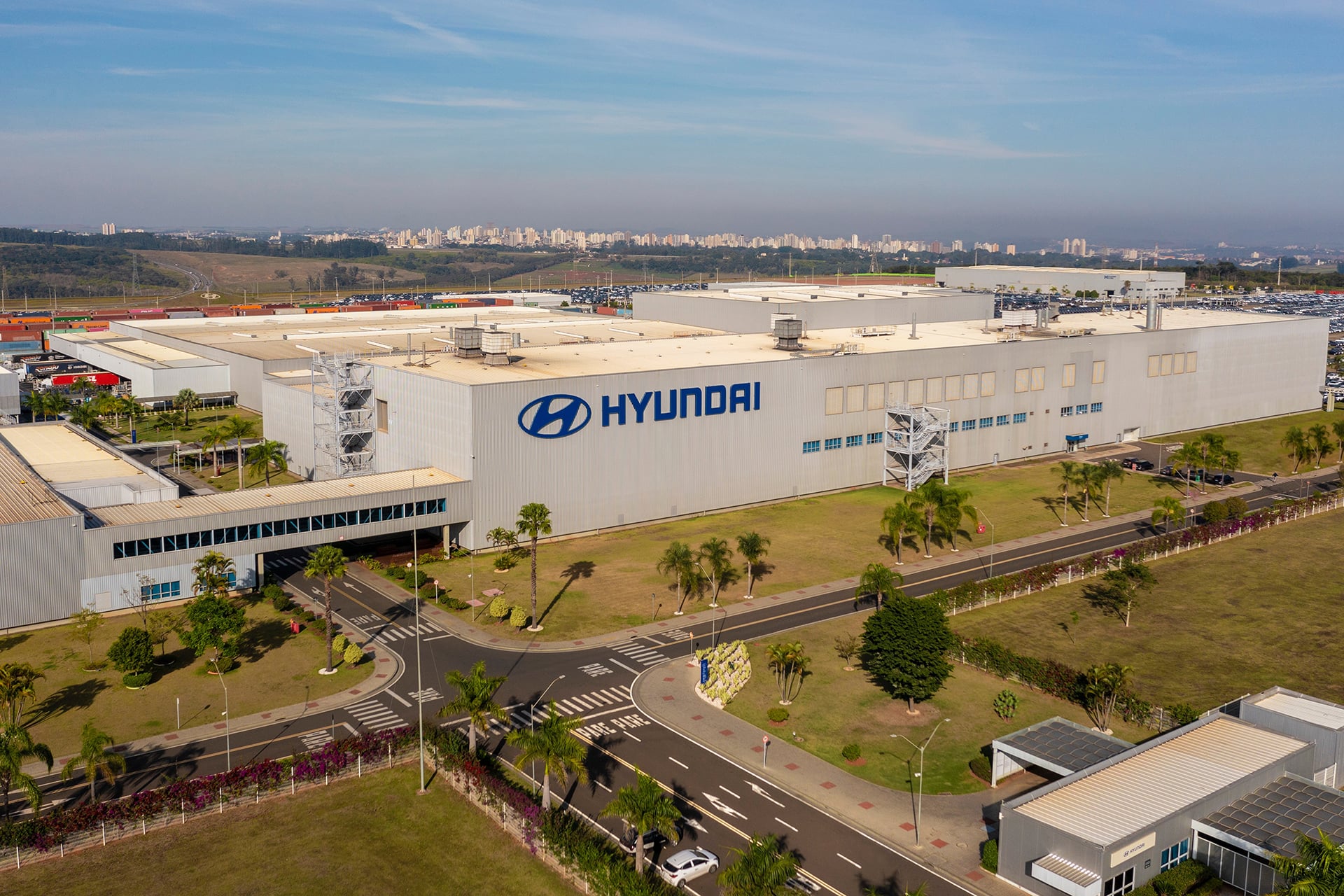
There are plans to build a Kia factory next to the Hyundai plant in Piracicaba (SP) (Photo: Hyundai | Disclosure)
As much as Kia and Hyundai are brands of the same group, both operate independently in the country, largely due to legal issues. Hyundai, for example, is directly commanded by the South Korean headquarters, develops exclusive products for the domestic market and has its factory in Piracicaba (SP).
Kia, in turn, is limited to importing models produced abroad, usually of higher value, in a smaller-scale operation led, officially and exclusively, by the Gandini Group since 1992. It is the largest importer without a factory and with continuous operations in Brazil.
With a smaller-scale operation and a focus on the average ticket instead of volume, Kia’s strategy ends up limiting the brand’s sales: worldwide, in 2025, its registrations corresponded to about 75% of Hyundai’s volume; in Brazil, Kia sold only 3% of its bigger sister.
Instead of focusing on expensive cars, such as the Carnival, Kia will be able to invest in cheap, high-volume models in Brazil (Photo: Kia | Disclosure)
As is the trend in all automotive groups in the world today, the natural strategy would be to unify operations and take advantage of Hyundai’s structure in the country to strongly expand Kia on Brazilian streets. To do so, a factory would also be needed. José Luiz Gandini confirmed that he learned of such an intention from the South Koreans, but does not have many details. “We heard that this Kia factory would be next to the Hyundai factory [in Piracicaba],” he said.
Asia Motors’ problem
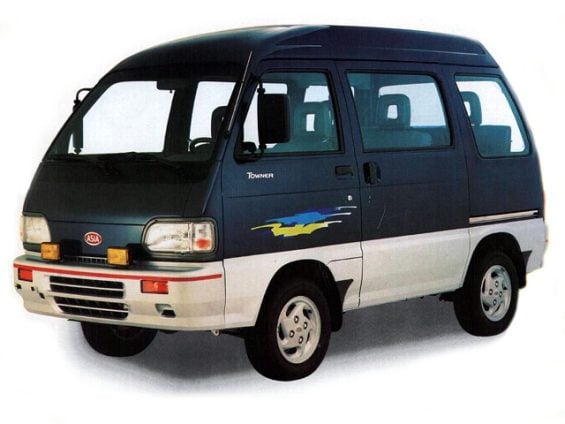
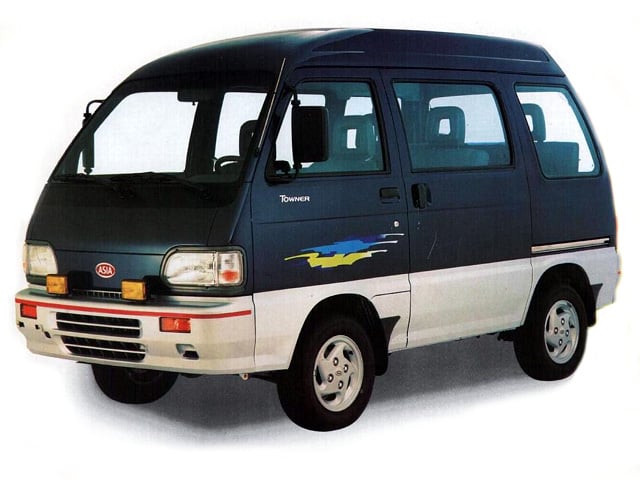
In the 1990s, Asia Motors do Brasil received a reduction of approximately 50% in import taxes, conditional on the construction of a factory in Bahia. The automaker even imported models such as Towner and Topic, but the industrial unit was never completed.
Because of the exemption without the counterpart provided, the government started to collect the taxes saved and the penalties from Asia. When the debt was registered as overdue debt, in 2003, the principal was approximately US$ 217 million; after interest and fines, it went through about R$ 1.6 billion, R$ 2 billion and reached, according to the STJ in 2023, approximately R$ 6 billion.
Asia imported vehicles such as the Towner to Brazil with tax exemption conditioned to the construction of a factory in the country. The factory never came and the government to this day collects the unpaid taxes back (Photo: Asia | Disclosure)
Asia Motors belonged to the Kia group and was incorporated by Kia in Korea. The National Treasury maintains that Kia is the successor and tried to redirect the tax enforcement against it. In 2023, the STJ did not end the charge: it returned the case to the first instance so that Kia’s liability could be discussed by the correct procedure.
Thus, although the formal debt originates from Asia Motors do Brasil, there is a risk of collection against the Korean parent company. This discourages Kia from opening a subsidiary, investing directly and placing industrial assets in Brazil, which could be exposed to foreclosure.
Therefore, the operation remains in the hands of the Gandini Group, and the solution of this liability is treated as a practical precondition for the parent company to take over the business and build a factory.
Comments are the sole responsibility of their authors and do not represent the opinion of this site. Comments containing profanity or offensive language will not be published. If you identify anything that violates the terms of use, please report it.