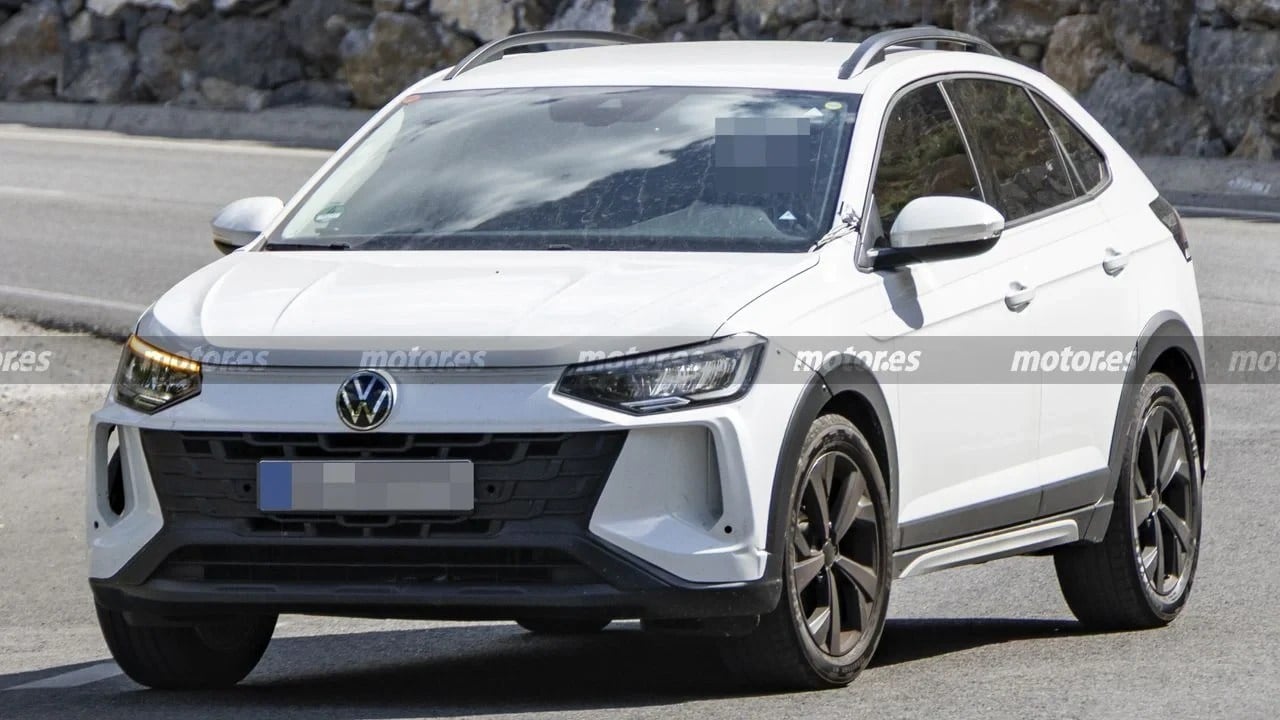
Volkswagen is already working on the second generation of the Nivus, the coupe SUV that has become one of the brand’s best-selling cars in Brazil. The first photos of a camouflaged prototype were released by the Spanish website Motor.es, which caught the model still in the early stages of development. According to the publication, the launch should only take place in 2028, aimed at Brazil and other South American markets.
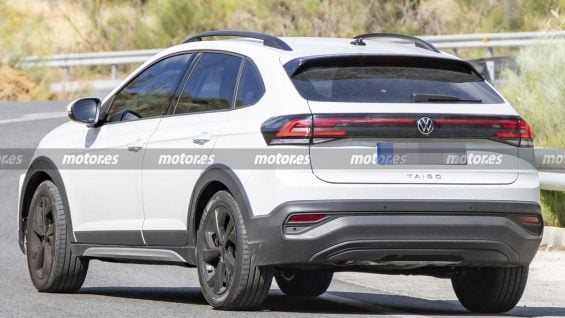
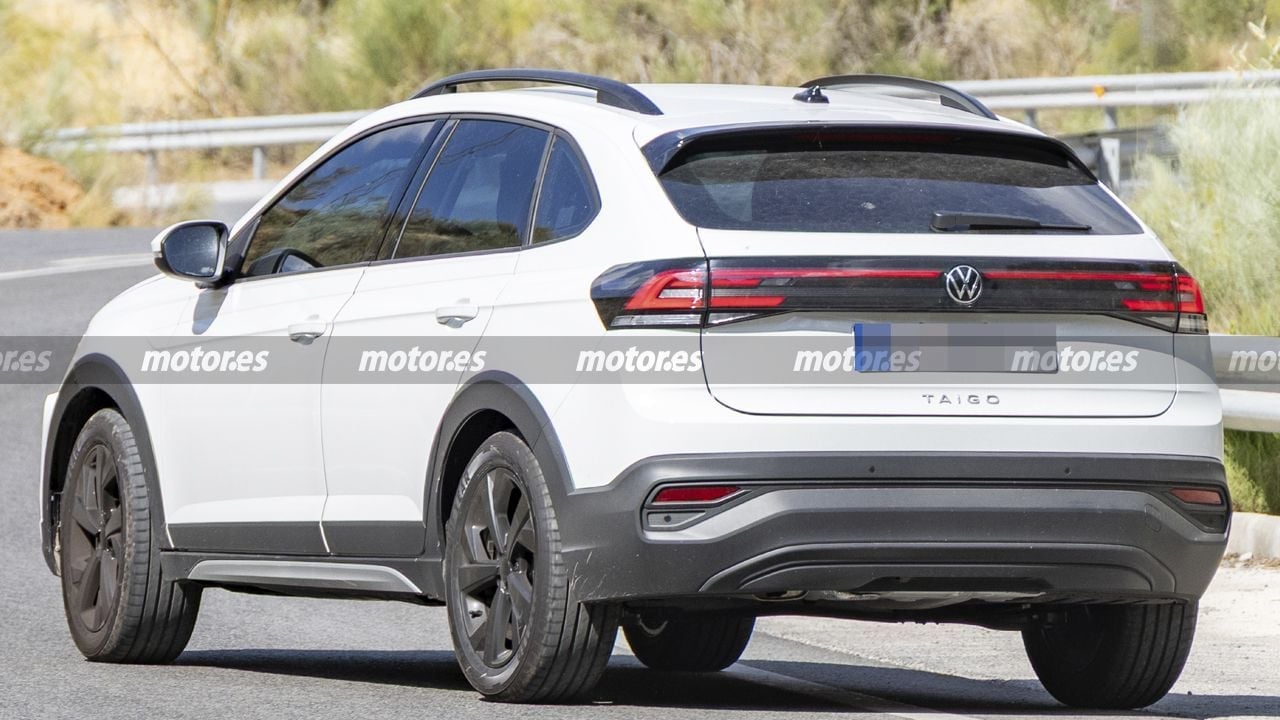
The catch draws attention to a curious detail: the new Nivus is running with the face borrowed from its smaller brother. The prototype uses the front bumper and grille of the Tera, the entry-level SUV launched by the brand last year, and also carries the Taigo emblem — the European equivalent of the Nivus — on the rear. It’s a smokescreen: the automaker resorts to parts from other models to disguise the car’s true lines and, above all, hide the new platform underneath.
At the rear, Taigo: the name of the Nivus in Europe
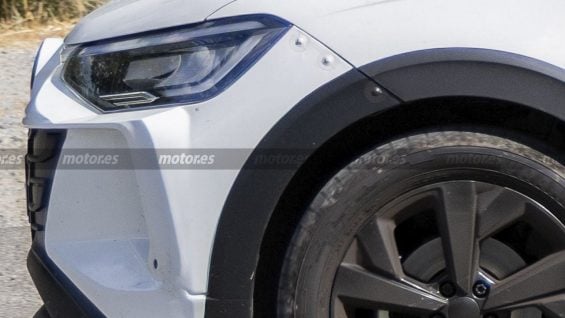
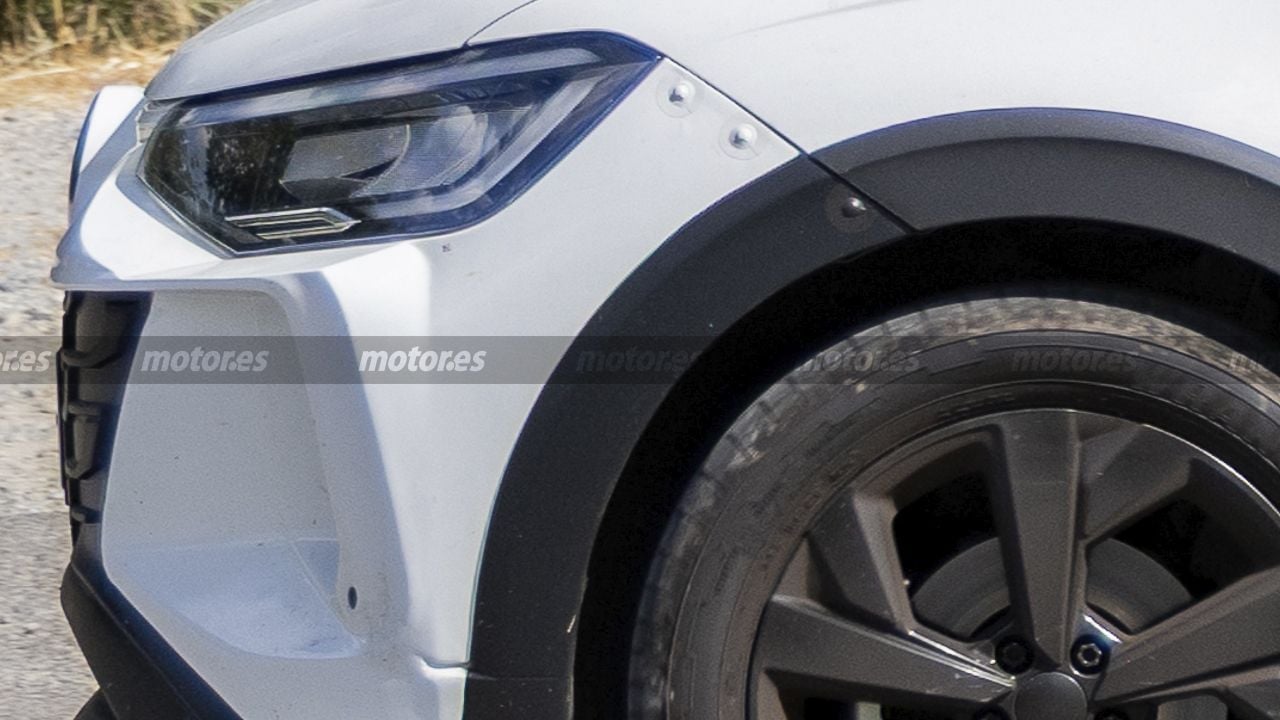
The clue, however, appears precisely in this disguise: it is observed that the headlights are not those of the Taigo or those of the current Nivus, but parts manufactured especially for the occasion. And there is a more telling clue: the bumper was joined to the fenders by rivets that advance over the frame of the wheel arch. This shows that the front geometry has been changed, a sign that the model hidden down there is a few millimeters wider and longer than today’s Nivus.
The new platform
This change in size speaks to the main novelty of the project: the change of platform. The current Nivus uses the MQB A0, the same base as Polo and Virtus. The new generation, treated internally as Nivus NF, Saga project or VW213, should migrate to the MQB Evo, an architecture derived from the European T-Roc. According to the website, the car tends to grow and stay in the range of 4.3 meters to 4.4 meters, in addition to becoming dynamically more refined.
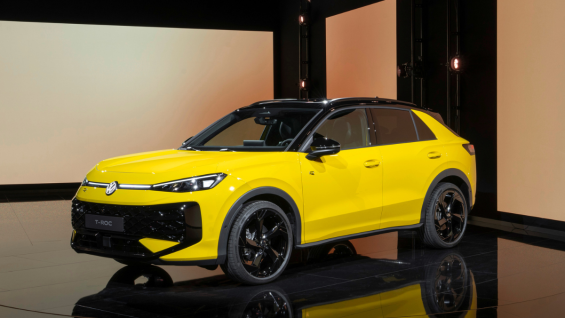
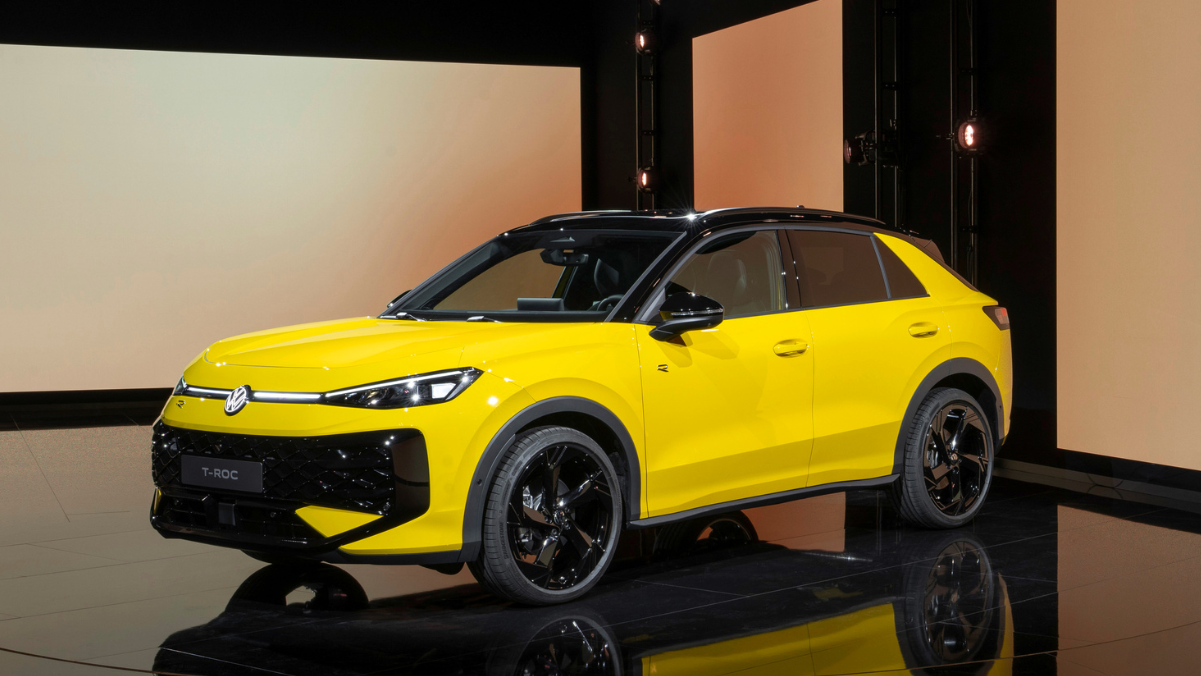
About the definitive look, the Motor.es projects that the new Nivus will abandon once and for all the parts borrowed from the Tera and adopt traits inherited from the European T-Roc, within Volkswagen’s new global identity. The publication points out that the changes will be so profound that the brand is even studying a new commercial name for the model — hence the internal codenames.
Rivets indicate that bumpers and other parts were installed in an improvised way in the car
In practice, what does this new platform change? The MQB Evo is the evolution of Volkswagen’s transverse modular matrix and brings concrete gains: greater structural rigidity, which translates into more refined dynamic behavior and less noise; better energy efficiency; and, above all, a base already designed to receive different degrees of hybridization and more driver assistance items (ADAS). In short, it is what allows the Nivus to make a technological leap that would be unfeasible today.
And what engine will this Nivus have? The answer is the flex hybrid offensive that Volkswagen is preparing in the country, supported by an announced investment of R$ 16 billion by 2028. The bet is the 1.5 TSI Evo2 engine, Miller cycle, with variable geometry turbo and cylinder deactivation to save fuel. In the top versions, the set should come in a 48V mild hybrid configuration, with about 150 hp and 25,5 kgfm, retiring the current 1.4 TSI.
The look of the new Nivus should follow the style of the VW T-Roc (Photo: Volkswagen | Disclosure)
There is also the possibility of a full hybrid version (HEV), like the one offered in the European T-Roc, which yields 136 hp or 170 hp depending on the calibration and delivers 31,2 kgfm. In the entry-level versions, the expectation is to keep the 1.0 turbo 200 TSI, with 128 hp, without electrification, to hold down the price. The automaker is expected to import the engine and electrical system from Mexico at first, with nationalization scheduled for 2031.
The new Nivus will be produced in São Bernardo do Campo (SP), sharing the line with the next generation of the T-Cross, and will have the design signed by the team of Brazilian José Carlos Pavone. The current generation, which continues to sell well, can live with the new one for a while, which would help the brand position the unprecedented model in a higher price range.
Comments are the sole responsibility of their authors and do not represent the opinion of this site. Comments containing profanity or offensive language will not be published. If you identify anything that violates the terms of use, please report it.