Honda and GAC extend partnership and will have ‘joint venture 2.0’ in China
Agreement maintains 50% division in China and exchanges technology transfer from Japan for joint development with the Chinese group
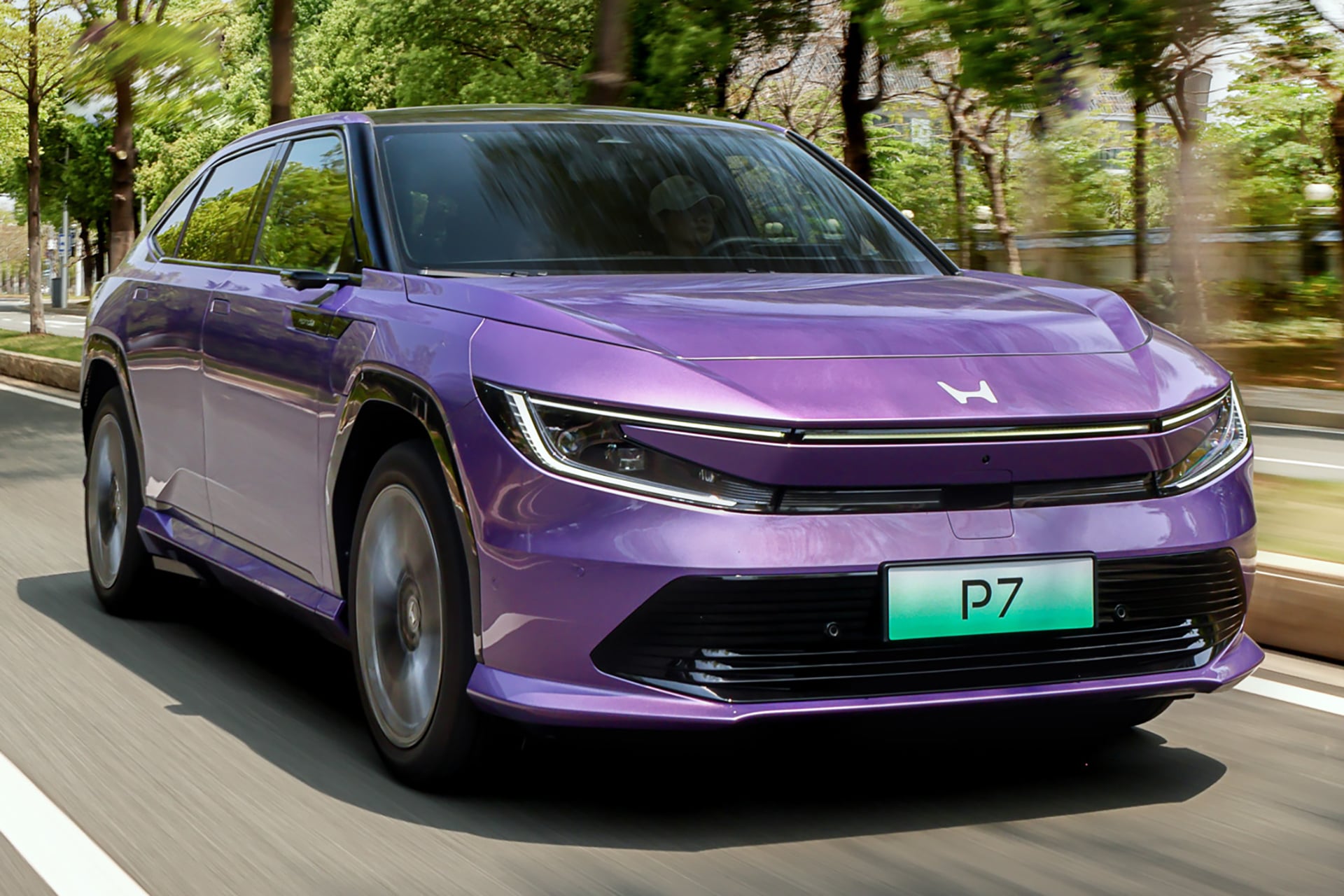
Partnership between Honda and GAC in China has been extended until 2038 to face competition from electric and hybrid vehicles (Photo: Honda | Disclosure)
Honda and China’s state-owned GAC Group have signed a contract renewal for GAC Honda Automobile, the joint venture the Japanese automaker has had in China since 1998. The agreement, announced by Honda China on July 20, extends the term of the partnership until 2038 and keeps the 50% division for each side unchanged.
The original 30-year contract was due to expire in 2028. The renewal, signed in early July, adds ten years to that limit — or twelve, if the count starts from the signature. The difference matters because, until weeks ago, the market speculated whether Honda was simply leaving China.
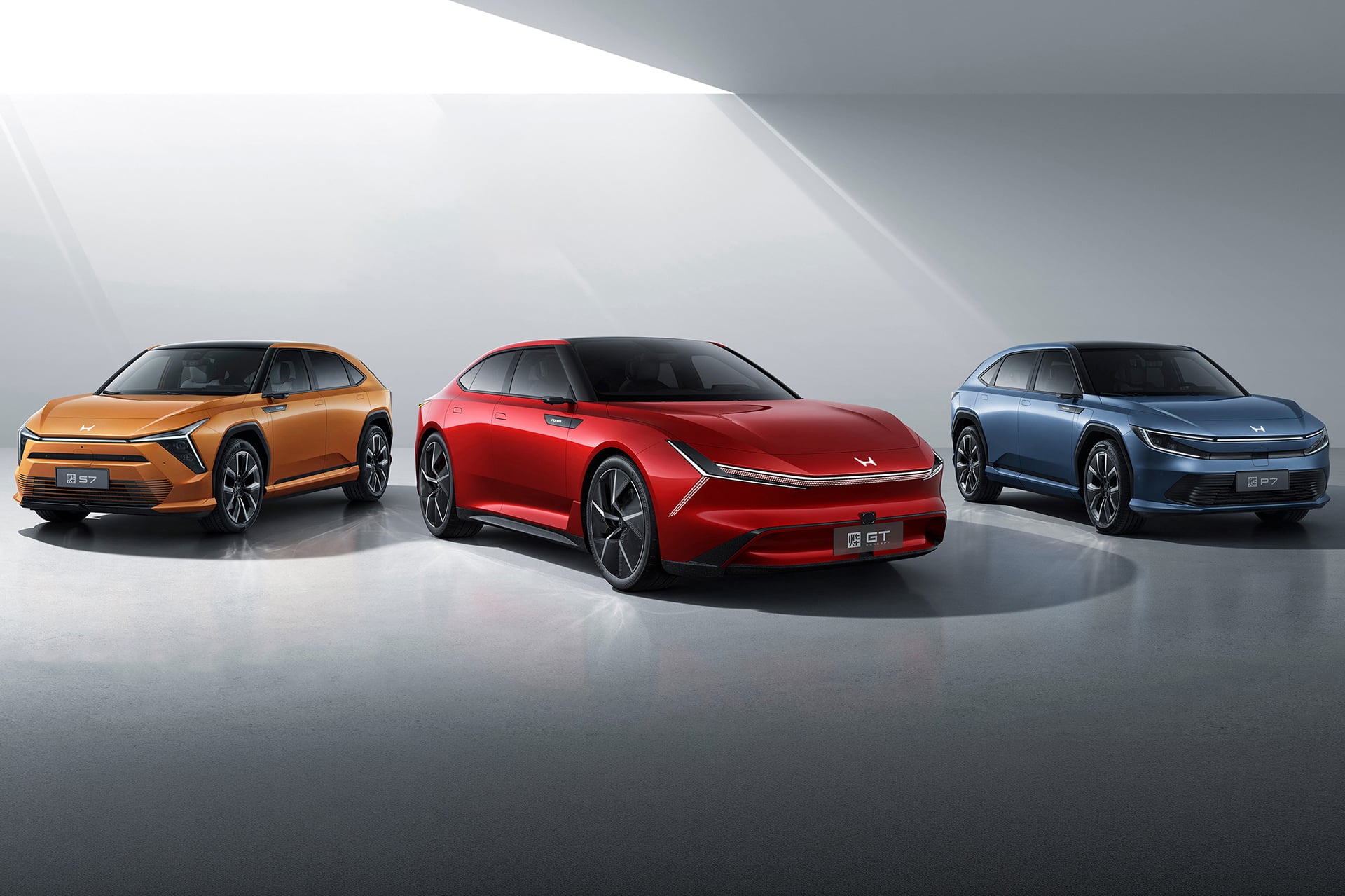
Honda has a wide range of electrified vehicles in China (Photo: Honda | Disclosure)
The doubt was based on the numbers: in the first half of 2026, GAC Honda delivered 68,318 vehicles, down 55.8% from the same period of the previous year. In June, there were 14,099 units sold, a decrease of 53%, while production fell more than 83%, to 5,201 cars. Industry analysts in China even pointed out that the negotiations would be blocked because GAC sought greater control over the deal.
The frame is not exclusive to Honda. Brands born from joint ventures between foreign automakers and Chinese groups are losing ground at a rapid pace, pressured by the price war and the advance of local manufacturers in electric and hybrid vehicles. Data from the CPCA manufacturers’ association indicate that retail sales of these brands fell 34% in June, year-on-year. Another major contract expires soon: that of SAIC-GM, which also turns 30, expires in June 2027 and is still under negotiation.
From technology transfer to co-creation
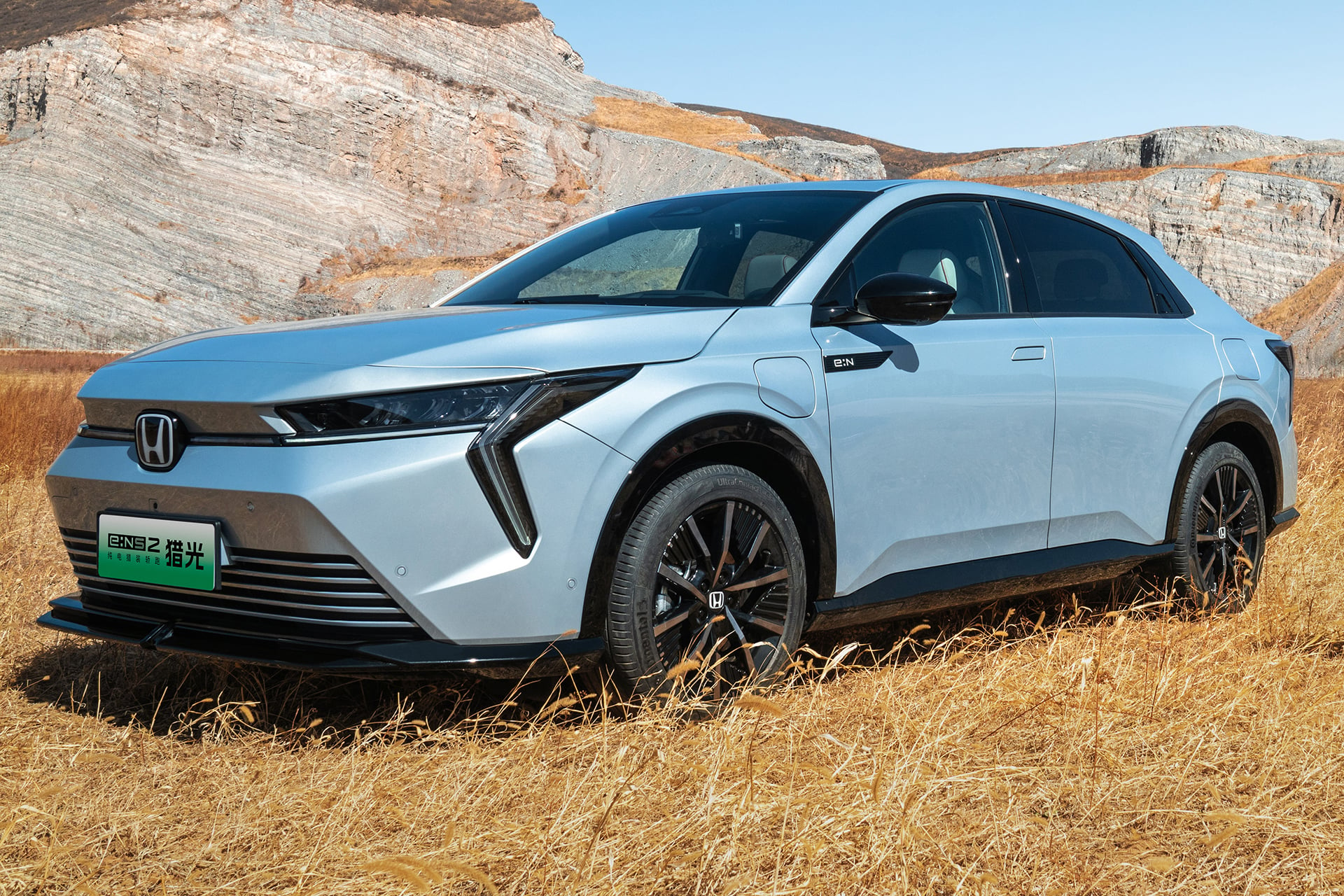
Honda e:NS2 (Photo: Honda | Disclosure)
The previous partnership model was based on the transfer of technology from Japan to China; The new one provides for joint action in product definition, research and development and supply chain. It is the transition from “receiving technology” to “creating it together” — what the Chinese press has already dubbed the era of “joint ventures 2.0″.
For 2027, GAC Honda plans three launches: a new generation of the Accord, a model equipped with Honda’s fifth-generation i-MMD hybrid system, and a car developed in-house on an electrified vehicle platform designed for the Chinese consumer.
Established in July 1998 under the name Guangzhou Honda, the operation was Honda’s first automobile production and sales joint venture in China. The plant in Guangzhou, Guangdong province, started operating in March 1999 and has delivered more than 11 million vehicles. Today the line brings together sedans, SUVs, minivans and electric cars. In the corporate structure, GAC holds 50%, Honda Motor holds 40% and the Chinese investment arm of the Japanese company accounts for the remaining 10%.
For the Brazilian reader, the name of the Chinese partner is not strange: GAC started commercial operations in Brazil in 2026, with the electric Aion UT and Aion V and the GS3 SUV, and is expected to start producing locally from 2027.
Comments are the sole responsibility of their authors and do not represent the opinion of this site. Comments containing profanity or offensive language will not be published. If you identify anything that violates the terms of use, please report it.