

Ford warns employees that Chinese cars are likely to invade the US soon
Average price of electric in the US is R$ 286 thousand; in Mexico, a BYD costs R$ 119 thousand. Understand the pressure on automakers
By
Júlia Haddad
Published on 2026-08-19 at 03:00 PM
Published on 2026-08-19 at 03:00 PM
Be the first to comment.
Summarize with:
Ford began to prepare internally for the arrival of Chinese automakers in the United States market within five to ten years, despite the tariff barrier of about 100% that today makes it impossible to sell electric vehicles imported from China in the country. The assessment was presented by the company’s chief executive, Jim Farley, to employees at an internal meeting held on July 30, according to Reuters, which heard from three people present at the meeting.
At the same meeting, Farley and other executives said they consider it more likely that the entry will occur at the end of that interval. When contacted, Ford did not comment on the content of the conversation. The chairman of the board of directors of the automaker, Bill Ford, has already stated that the company cannot count on the permanent exclusion of Chinese rivals and needs to prepare to beat them at their own game.
Pressure must come from the consumer
For industry analysts, the movement does not depend only on Washington. Yale Zhang, managing director of Automotive Foresight in Shanghai, said it would be difficult to stop Chinese electric cars indefinitely because U.S. automakers would face complaints from consumers deprived of affordable models. Speaking to the South China Morning Post, Zhang said the pressure is likely to increase as Mexico and Canada absorb cost-effective Chinese cars.
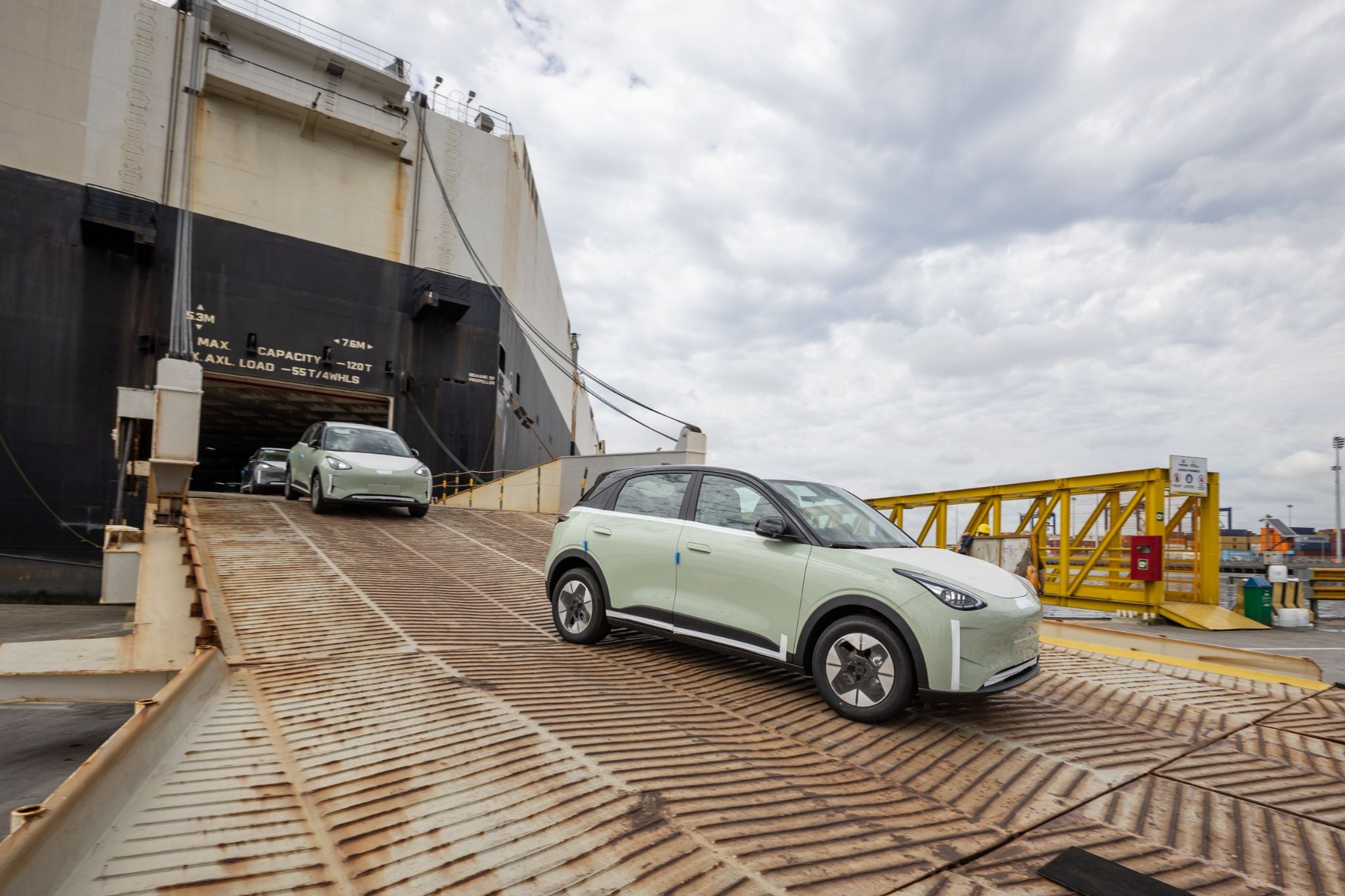
The price difference helps explain Detroit’s discomfort. The average price of a new electric car in the United States was R$ 286 thousand (US$ 55.3 thousand) in February, according to Kelley Blue Book. In Mexico, where Chinese brands already have a consolidated presence, the BYD Dolphin Mini starts at R$ 119 thousand (399,800 Mexican pesos). In China, the same car, sold as Seagull, starts at R$ 54 thousand (69,900 yuan).
In Brazil, the model is cheaper than in Mexico
The Brazilian market shows what happens when the barrier does not exist. The Dolphin Mini is offered here from R$ 109.990 in the GL version for individuals, a value below that practiced in Mexico, and in March it became the first electric to appear among the ten best-selling cars in the country, with 7.053 registrations.
In the United States, in addition to the tariff, the Commerce Department rule that prohibits Chinese software in connected vehicles from the 2027 model year and hardware from 2030 is in force, a rule that has already taken Polestar out of the American market. A bill approved by a Senate committee in July would go further and bar any manufacturer with more than 15% Chinese capital. In Canada, the path is the opposite: an agreement with Beijing reduced the tariff from 100% to 6.1% on a quota of 49 thousand Chinese electric vehicles per year.
Meanwhile, Ford is developing a family of low-cost electric vehicles designed from the ground up to match the cost and industrial efficiency of Chinese rivals. In Europe, it ceded part of the Almussafes factory in Spain to Geely, which starts producing on the continent without running into European tariffs.
SEE MORE ABOUT

0 Comments
Comments are the sole responsibility of their authors and do not represent the opinion of this site. Comments containing profanity or offensive language will not be published. If you identify anything that violates the terms of use, please report it.