Ford recalls hit 13 million vehicles in 2026 — now due to bank problems
Defect triggered by remote unlocking can pinch those in the second row; Ford still developing the repair
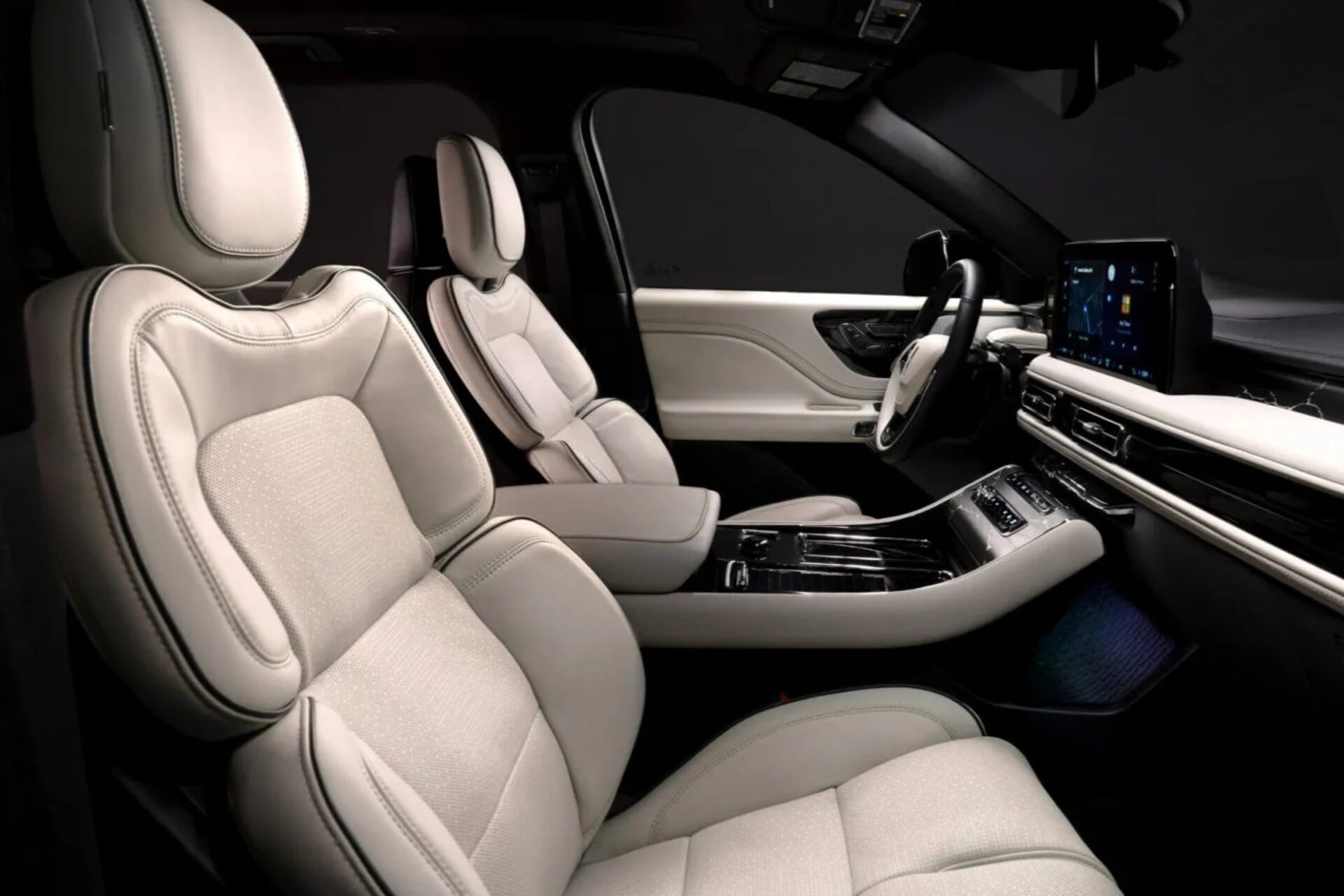
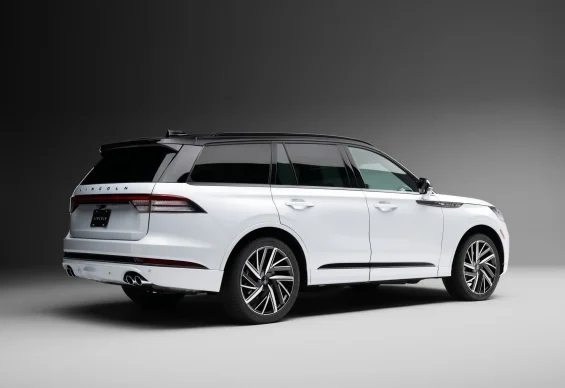
The driver's seat tilt motor in models such as the Ford Explorer and Lincoln Aviator had failures that led to the recall (Photos: Lincoln | Disclosure)
Ford has called a recall of 79,579 units of the Explorer and Lincoln Aviator SUVs in the United States for a failure in the driver’s seat, which can recline on its own — without any command and even with the vehicle empty and parked. The biggest risk falls on those in the second row: the backrest advances backwards and can pinch the passenger.
The campaign reaches 64,409 examples of the Ford Explorer and 15,170 units of the Lincoln Aviator, both from the 2026 and 2027 model years, manufactured between November 24, 2025 and June 27, 2026. The case was registered on July 21 with NHTSA, the United States traffic safety agency, under campaign 26V470000. Neither model is officially sold in Brazil.
According to the manufacturer, the defect is in a batch of seat recline motors supplied by a new industrial partner, which started supplying the production line at the end of 2025. Only cars equipped with this specific component and the respective control strategy made the list.
The malfunction occurs when the seat’s memory function is activated by ordinary actions: remote unlocking of the doors, remote starting, approaching the driver with the face-to-face key in his pocket or manually selecting a saved position. Upon receiving the command, the engine misinterprets the position of the seat and the backrest continues to recline continuously.
The movement does not happen with the car in motion — in most reports, the driver was not even on board when the fault manifested itself. The problem is what happens at the back: as the obstacle detection and automatic reversal systems may not operate as expected in this condition, there is a risk of crushing or entrapment of those in the back seat, especially children.
Photo: Lincoln | Disclosure
Ford’s investigation began after reports from owners who found the seat fully reclined when unlocking the car. As of June 26, the automaker had counted 133 records linked to the defect and said it was unaware of accidents or injuries. The repair is still under development and should involve updating software or changing parts, according to the brand, which did not disclose when notices to owners will begin to be sent.
It is the second recall for seat problems in the same two SUVs in eight days. On July 14, Ford had already recalled about 388 thousand Explorer and Aviator because the mechanism to access the rear seats could jam and allow the second-row seat to tip over or slide with the vehicle in motion — a failure that the company believed it had solved by 2025.
Together, the actions make Ford’s cumulative in the United States in 2026 reach 13,518,991 vehicles collected in 61 campaigns until July 28. In the same period, the entire automotive industry in the country recorded 226 recalls, which involved 26,740,225 cars. The count puts Ford, alone, as responsible for more than half of the vehicles recalled in the United States this year.
Comments are the sole responsibility of their authors and do not represent the opinion of this site. Comments containing profanity or offensive language will not be published. If you identify anything that violates the terms of use, please report it.