Farizon makes official entry into the Brazilian market with the support of the Timber Group; prices start at R$ 260 thousand for urban logistics models
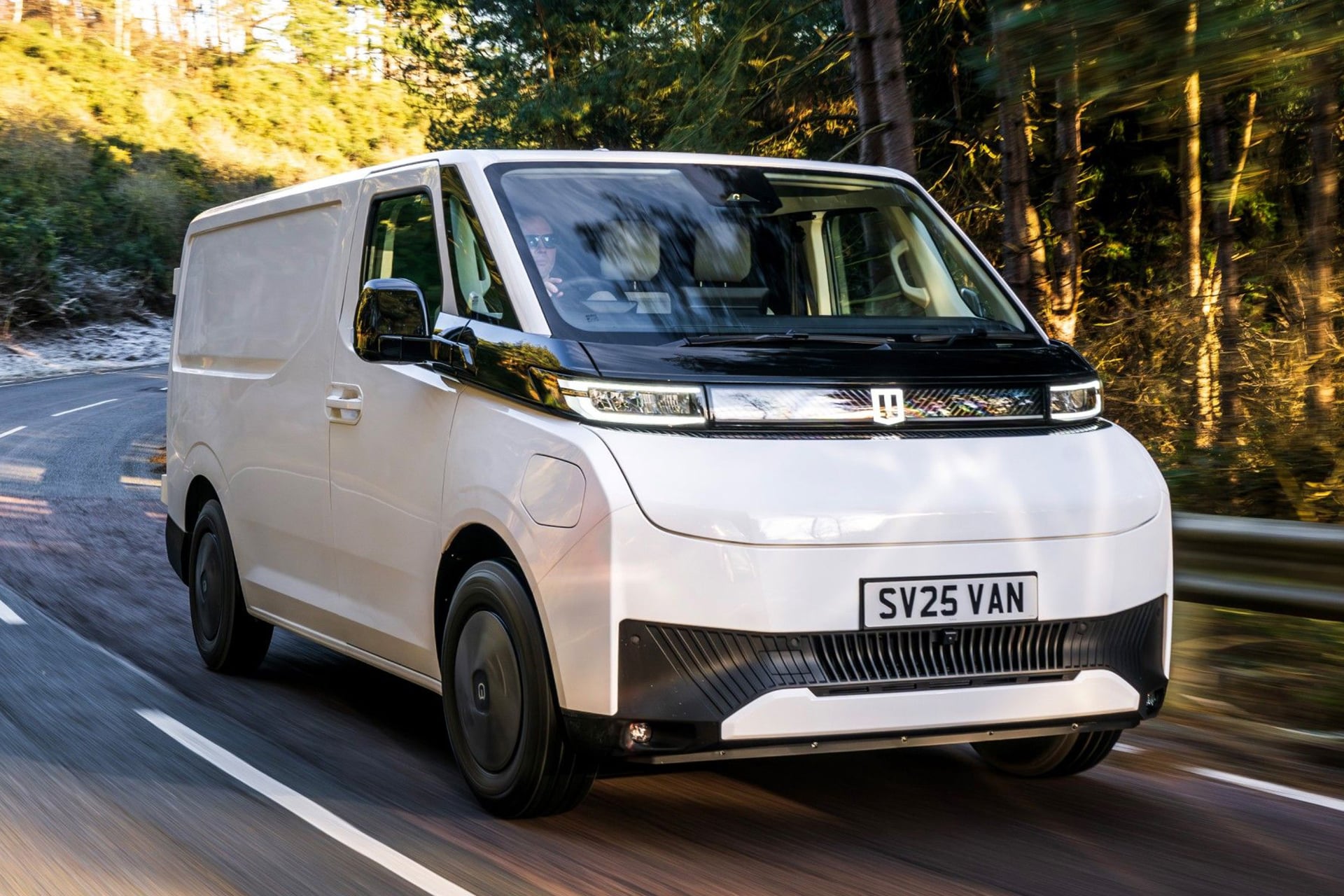
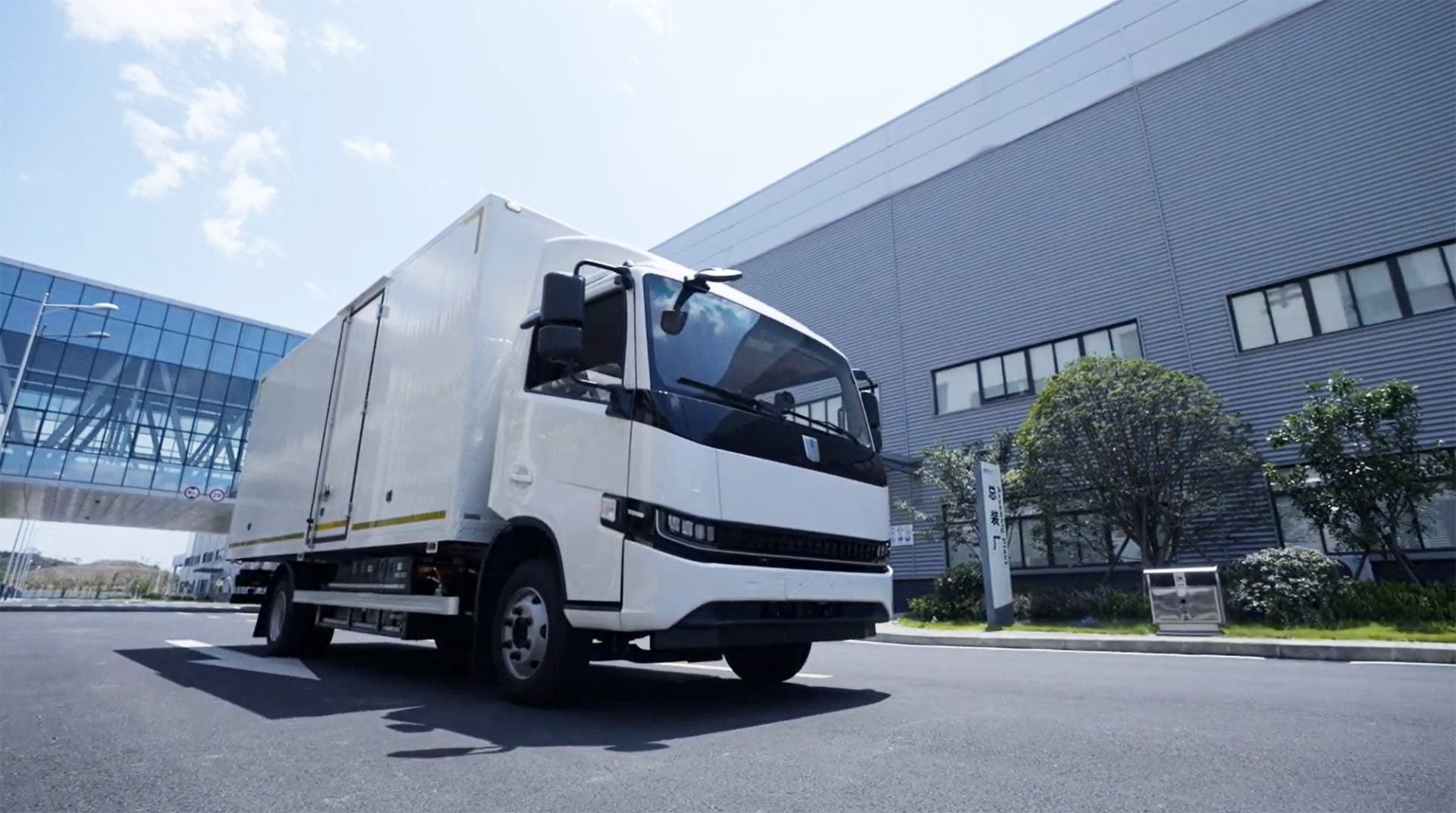
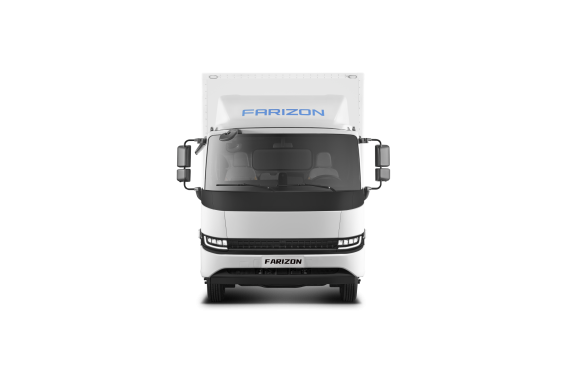
Farizon, a global brand of electric commercial vehicles belonging to the Chinese group Geely, made official this week the start of its commercial operation in Brazil. Under the representation of the Timber Group, the company enters the national market with an after-sales and logistics structure set up even before the first deliveries, focusing on serving the corporate and urban logistics sector.
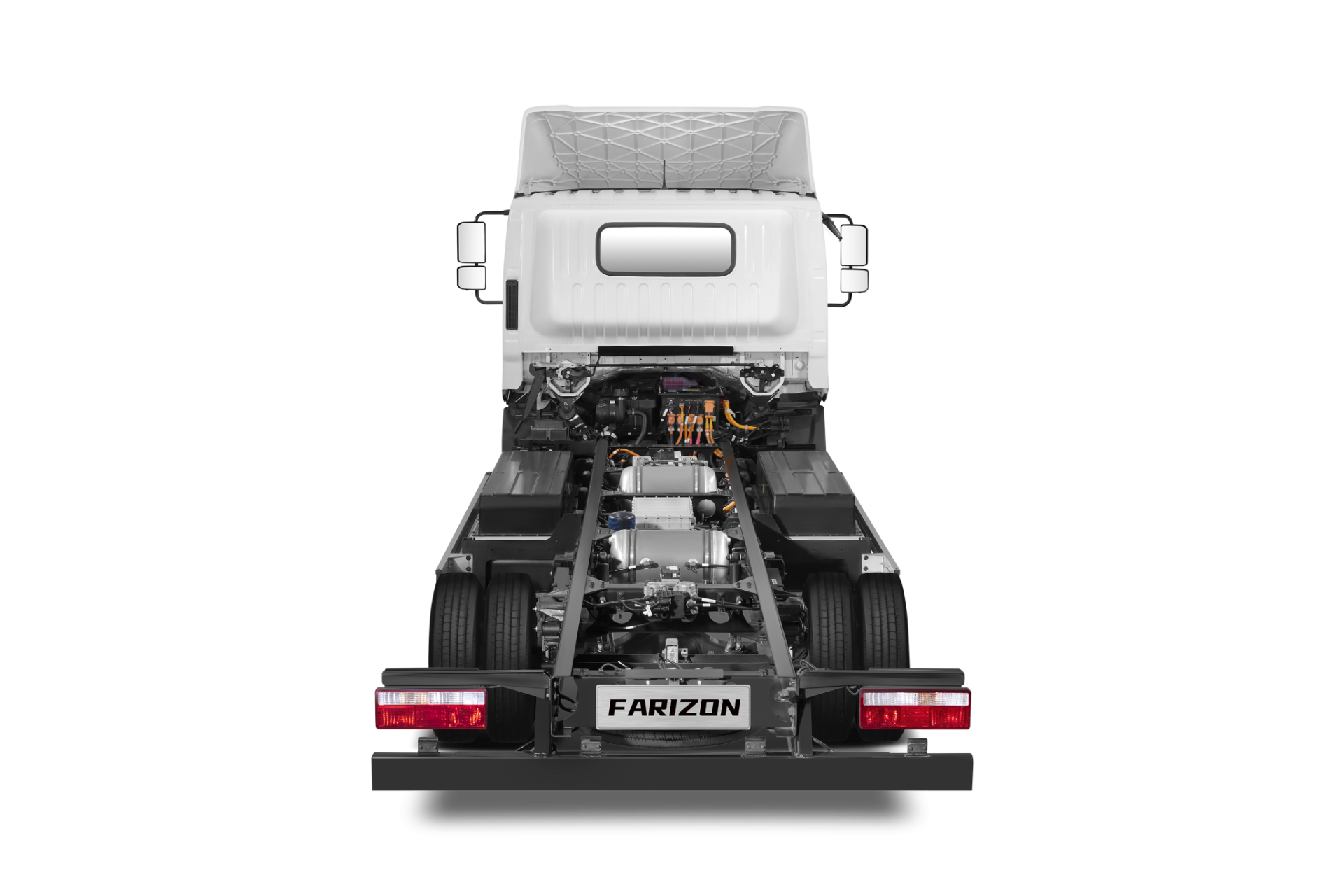
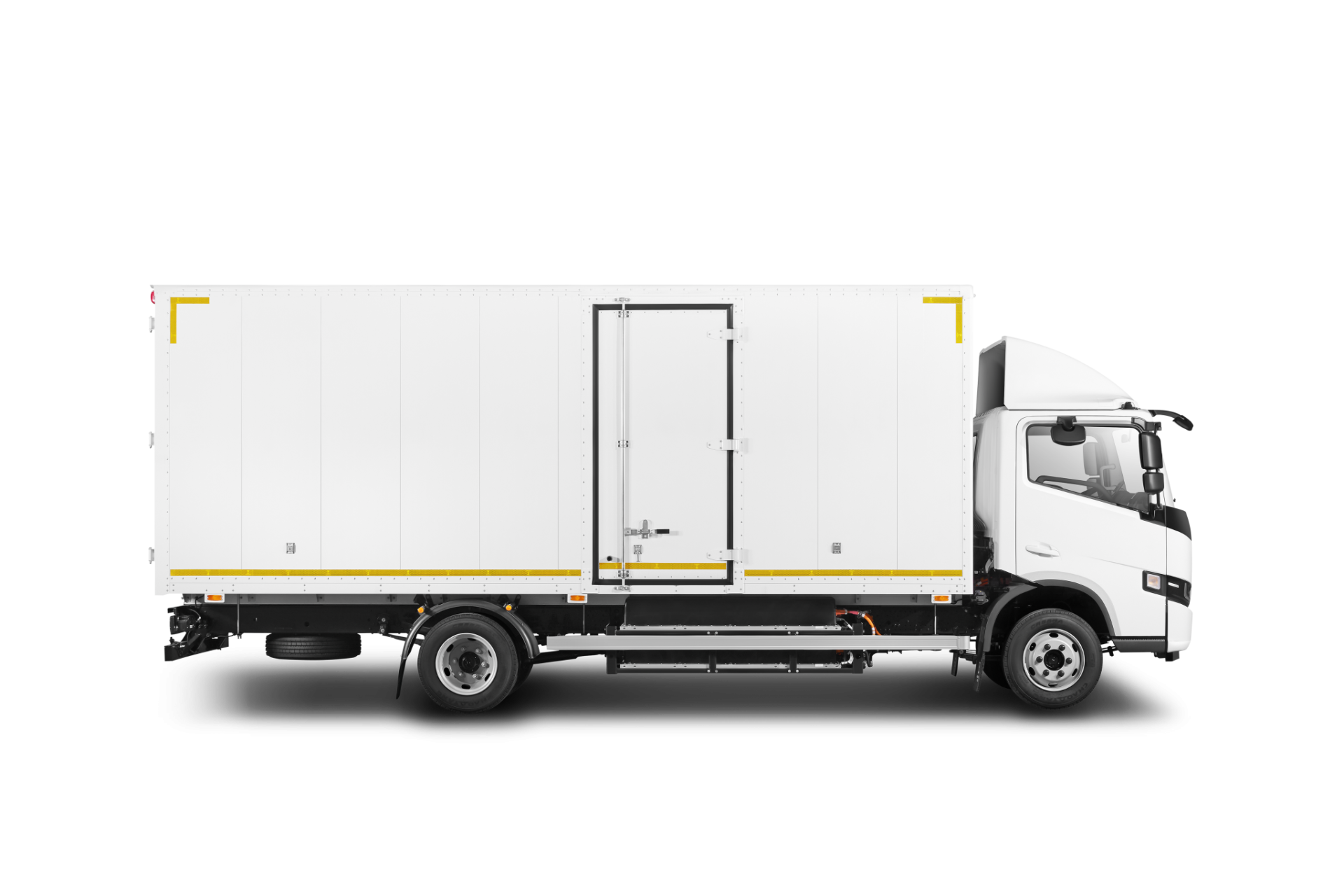
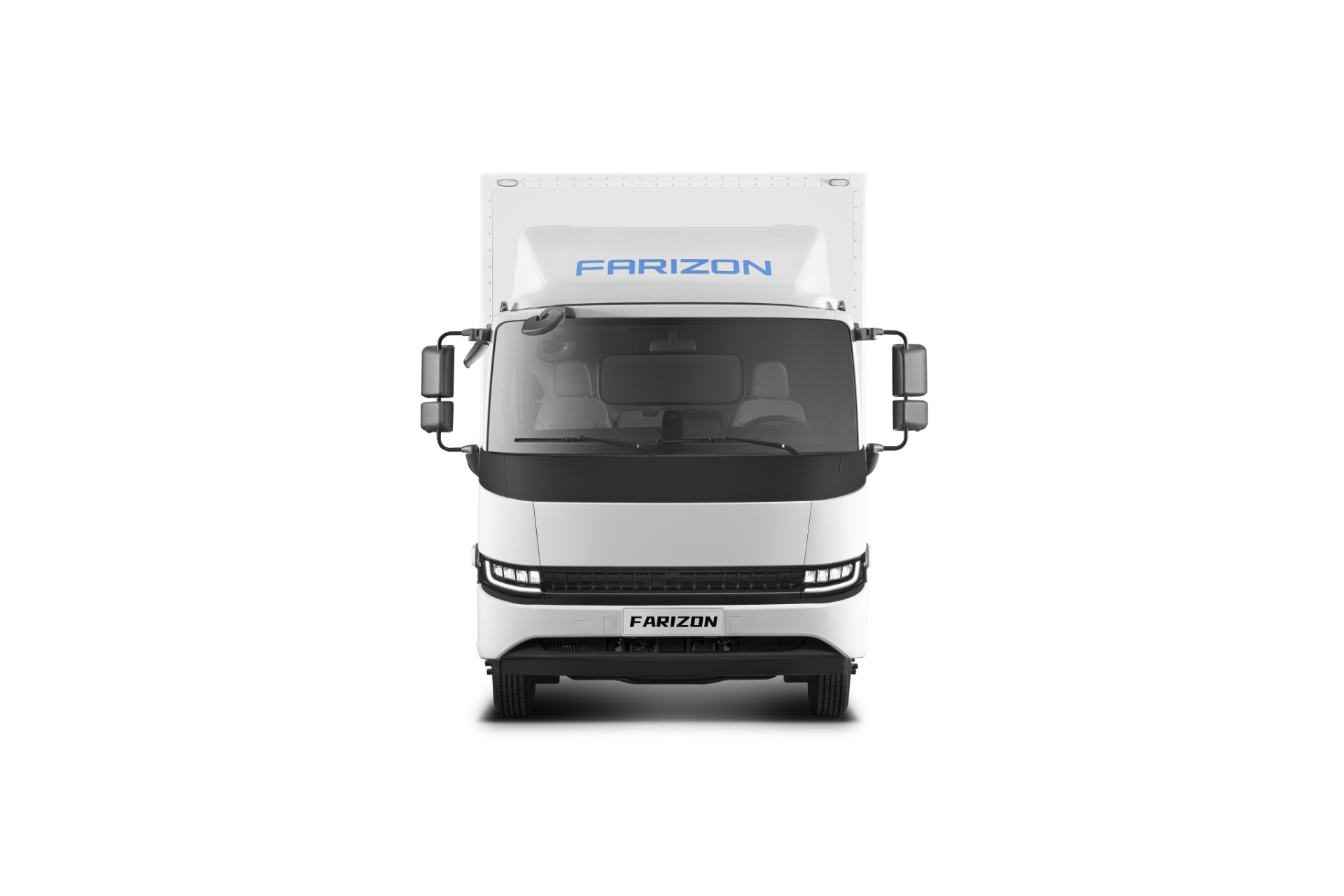
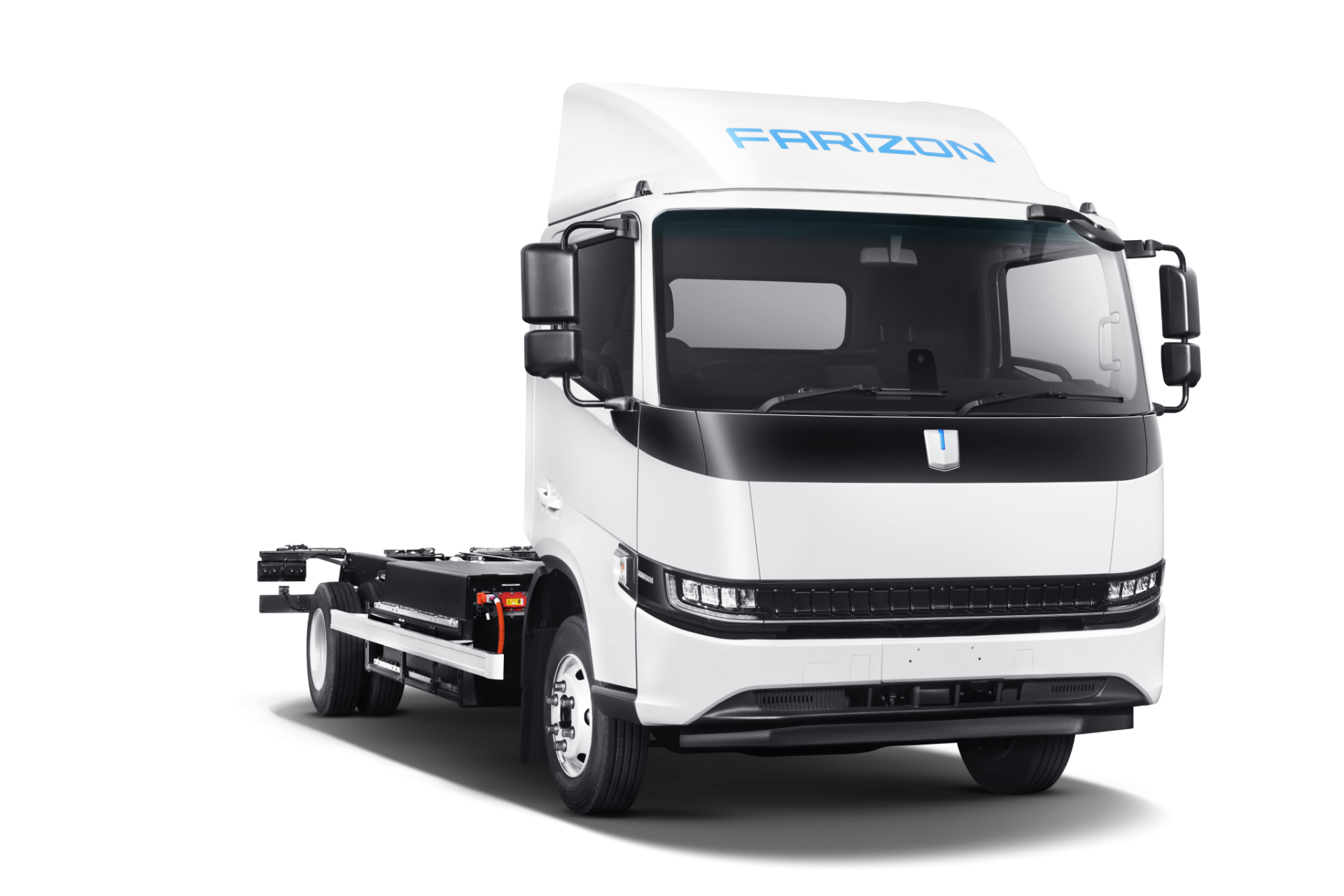
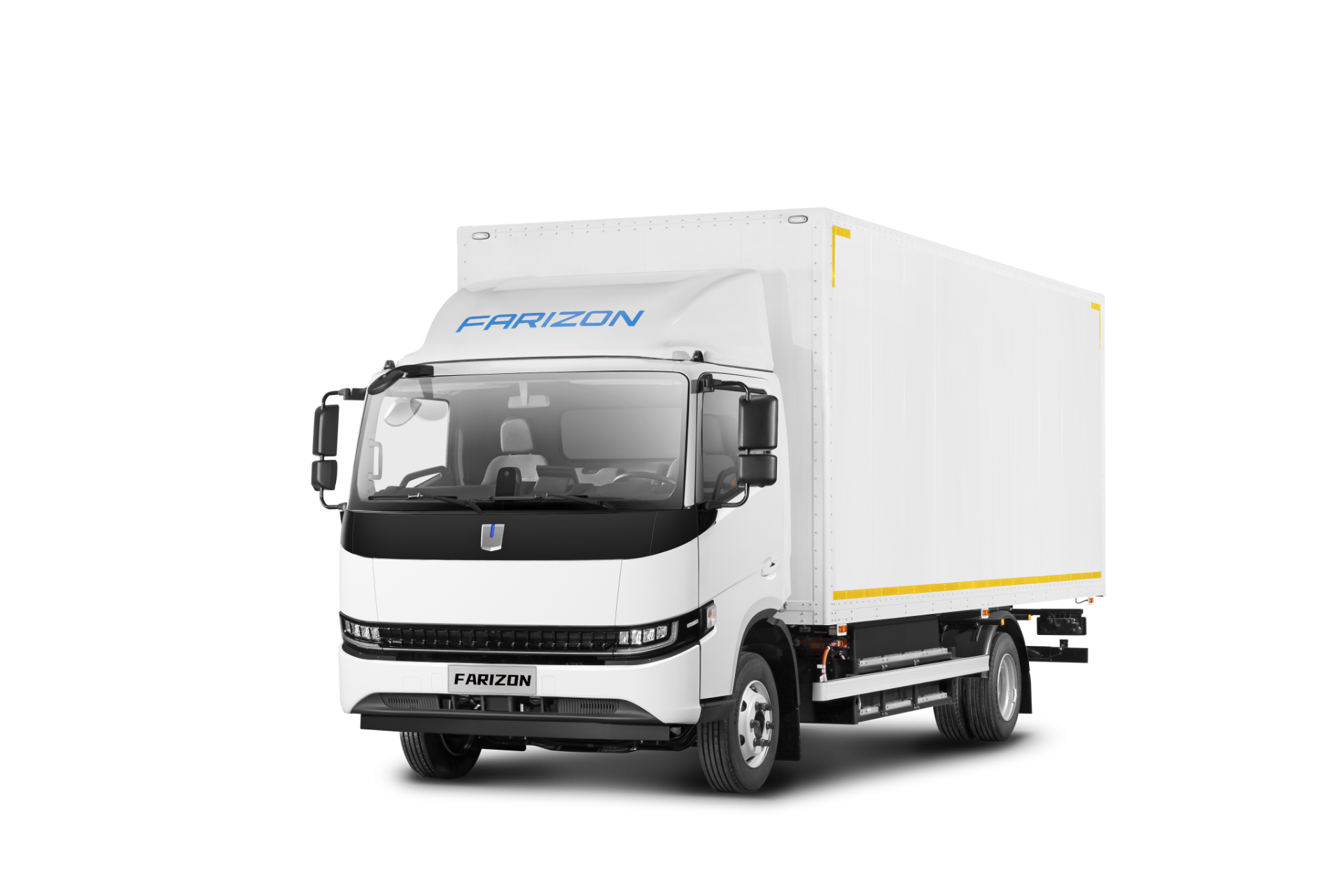
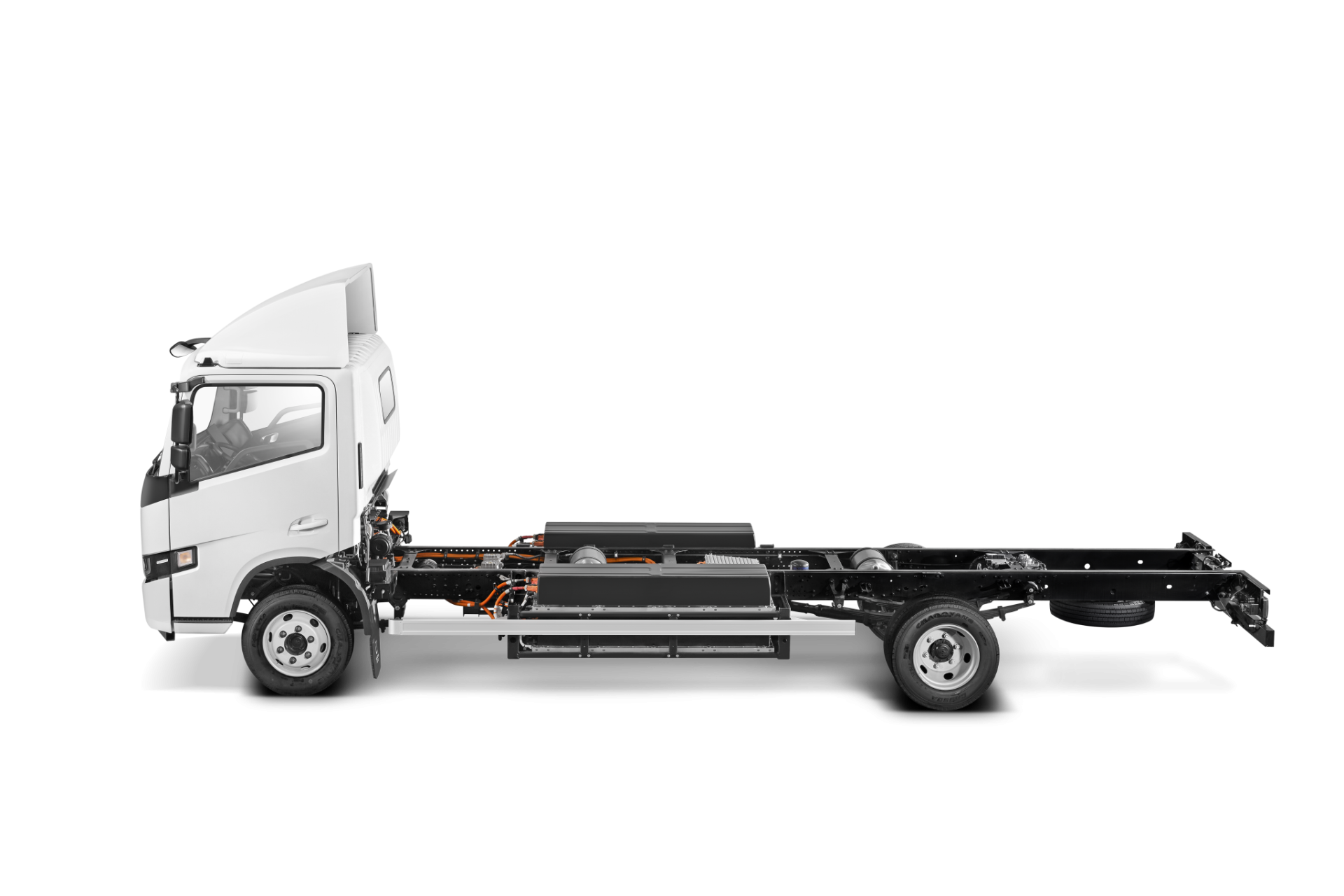
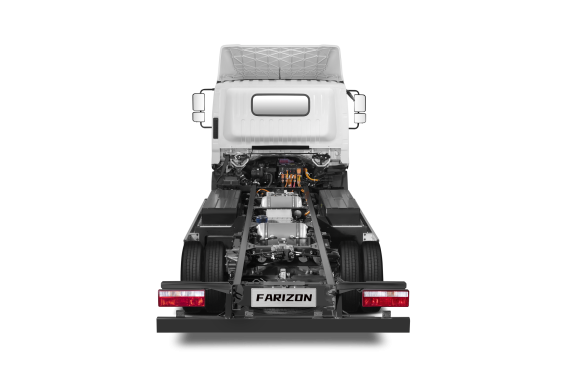
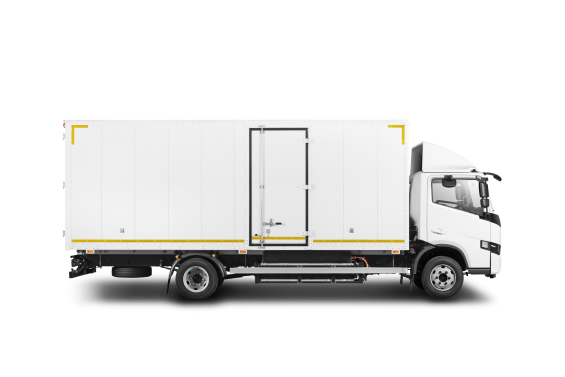
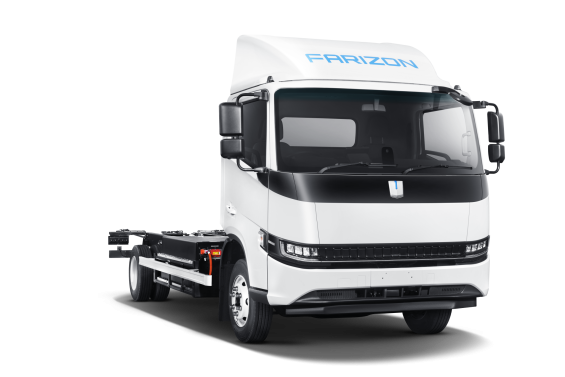
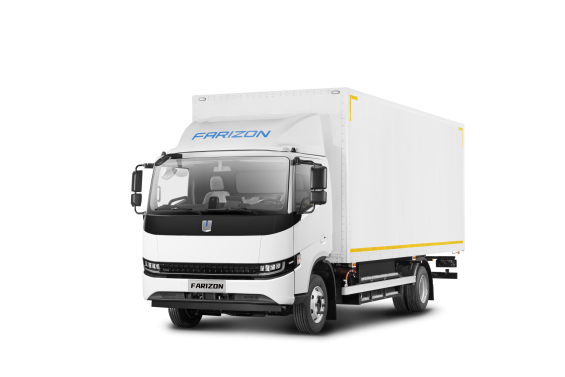
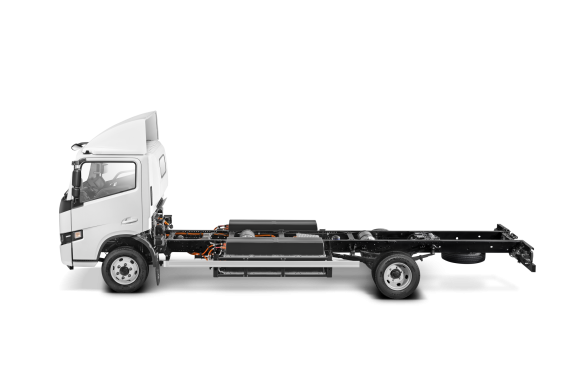
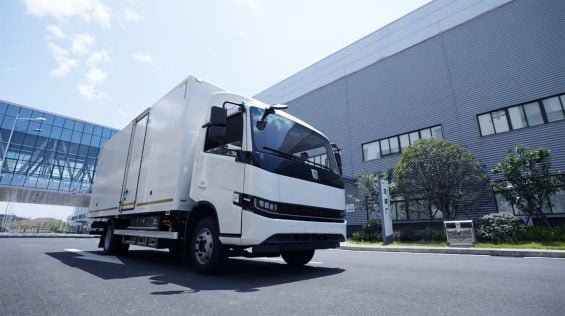
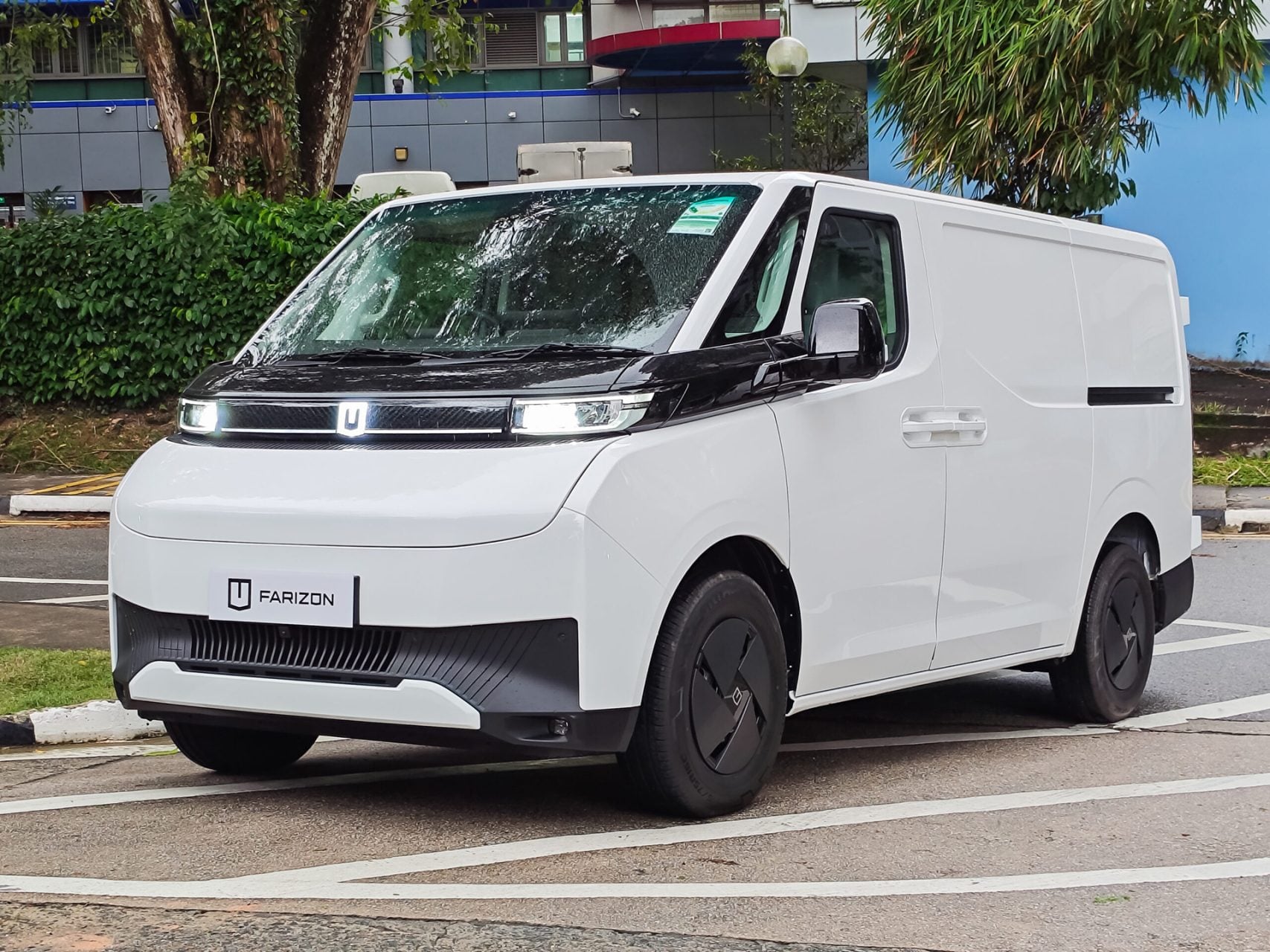
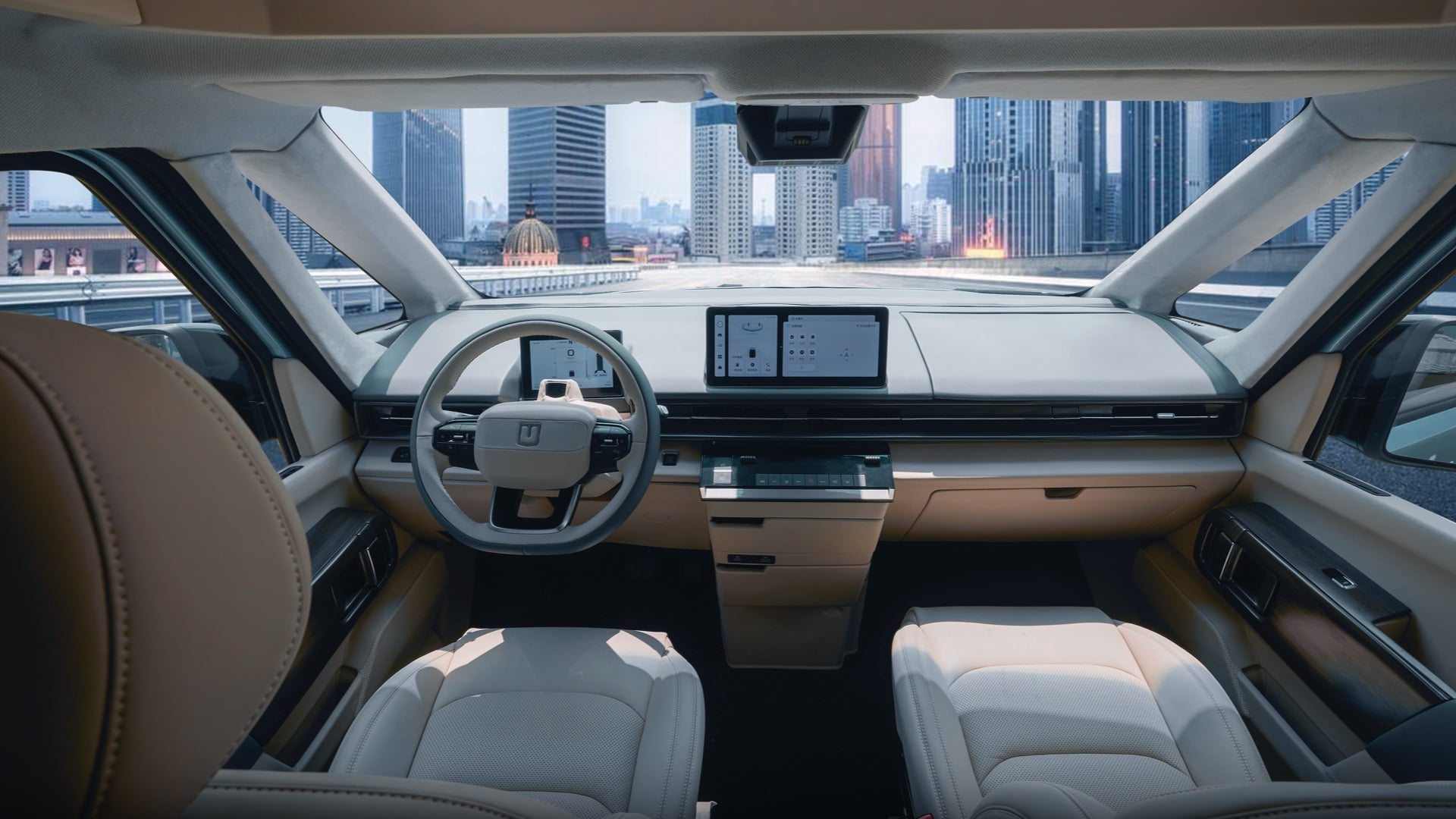
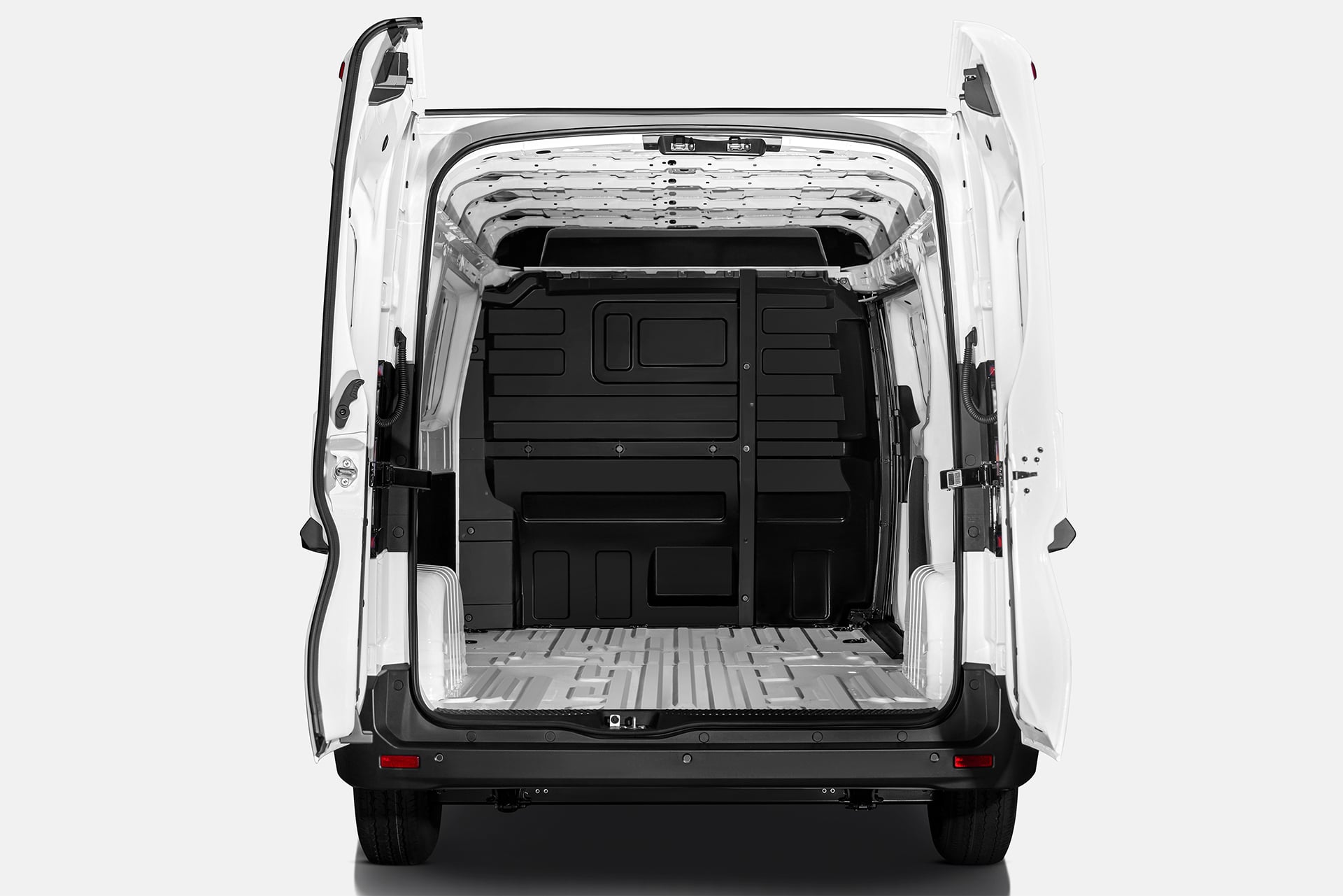
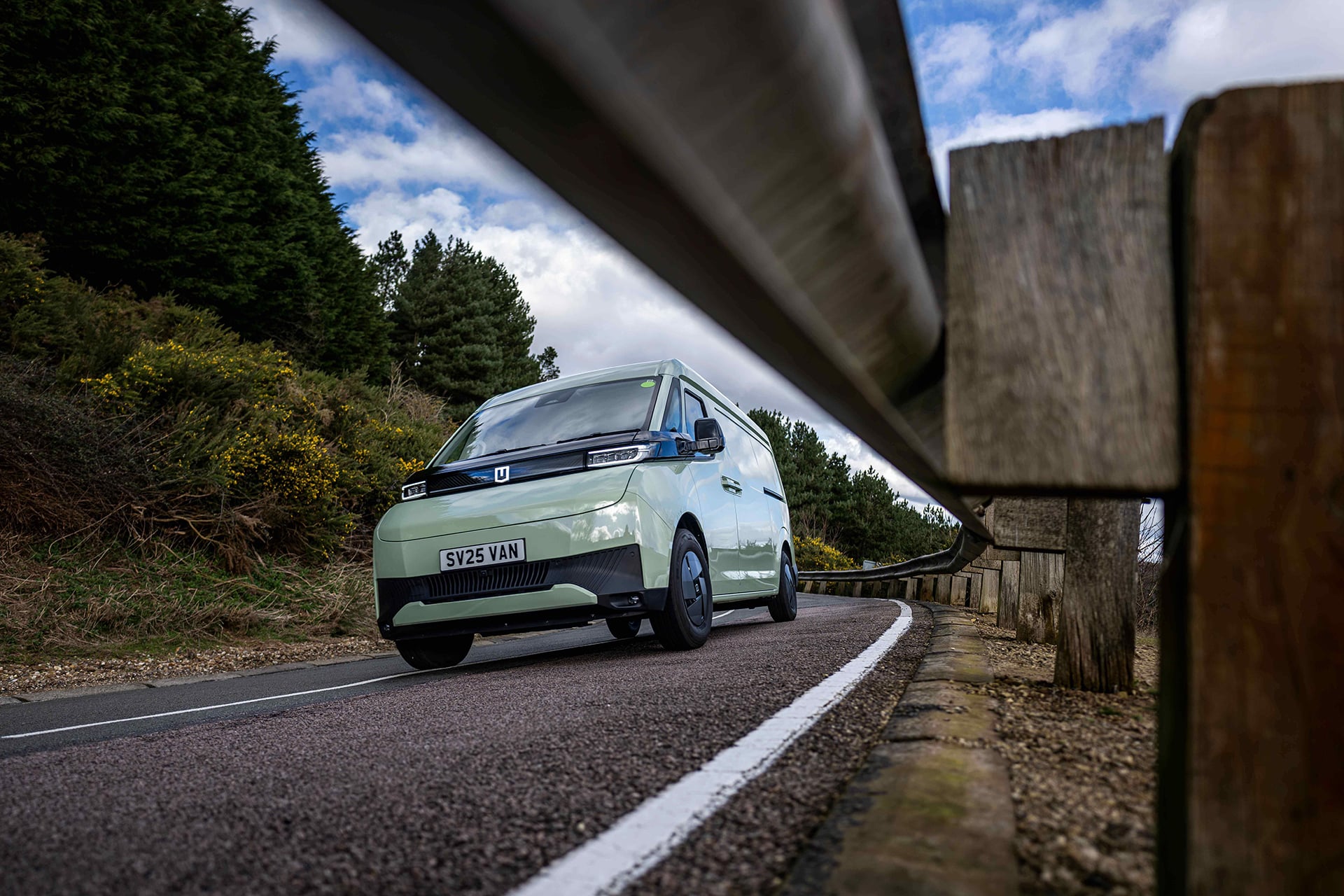
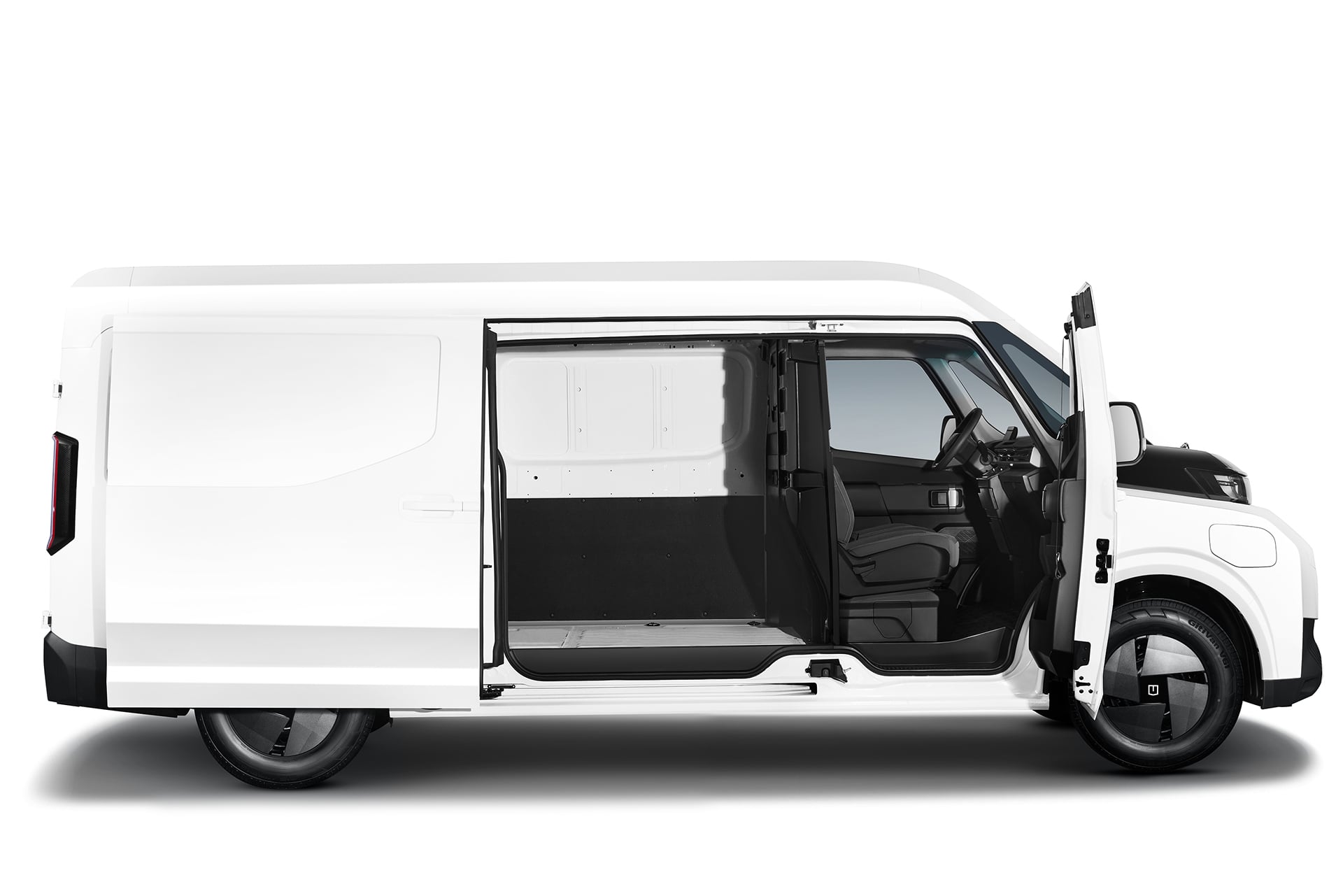
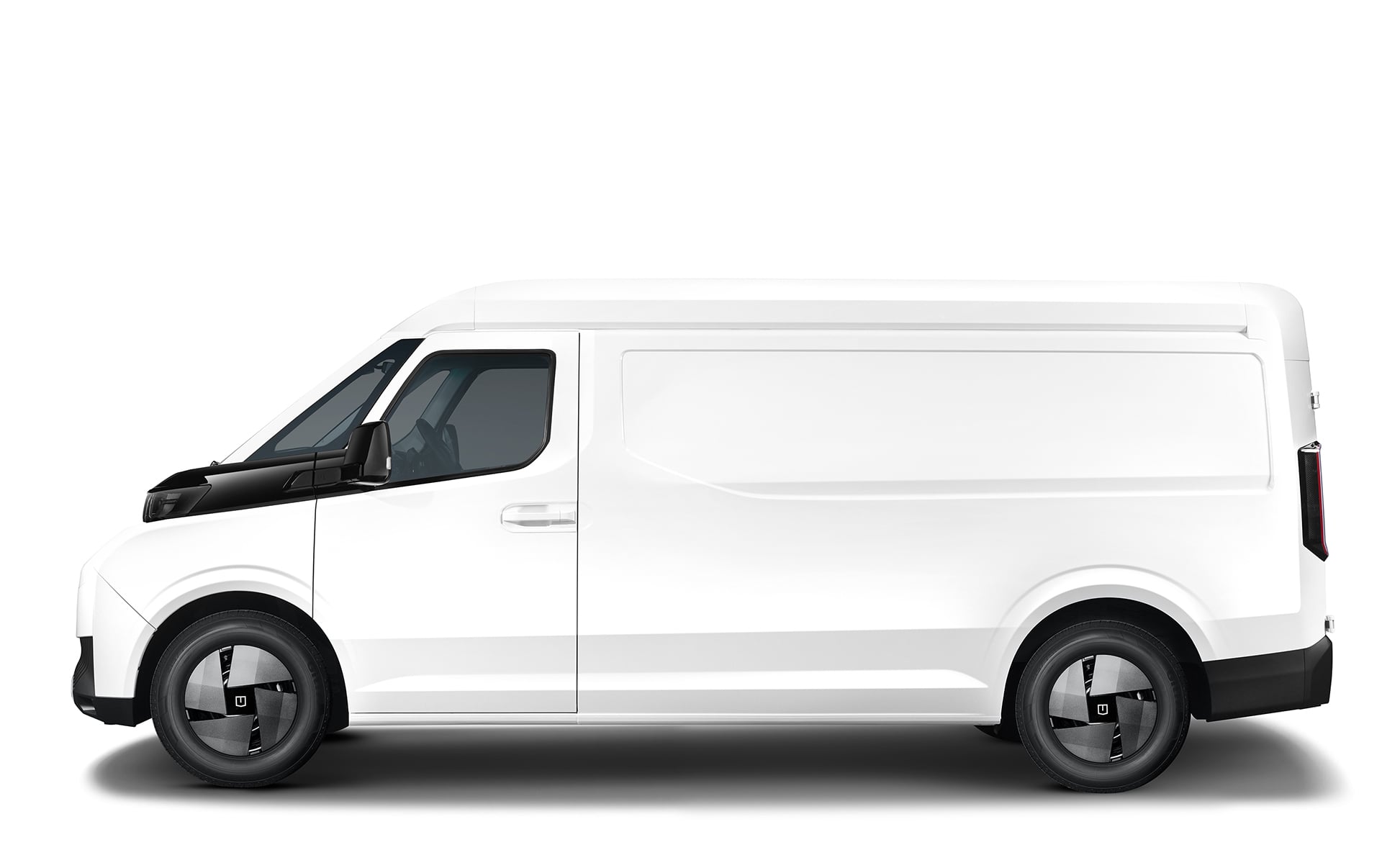
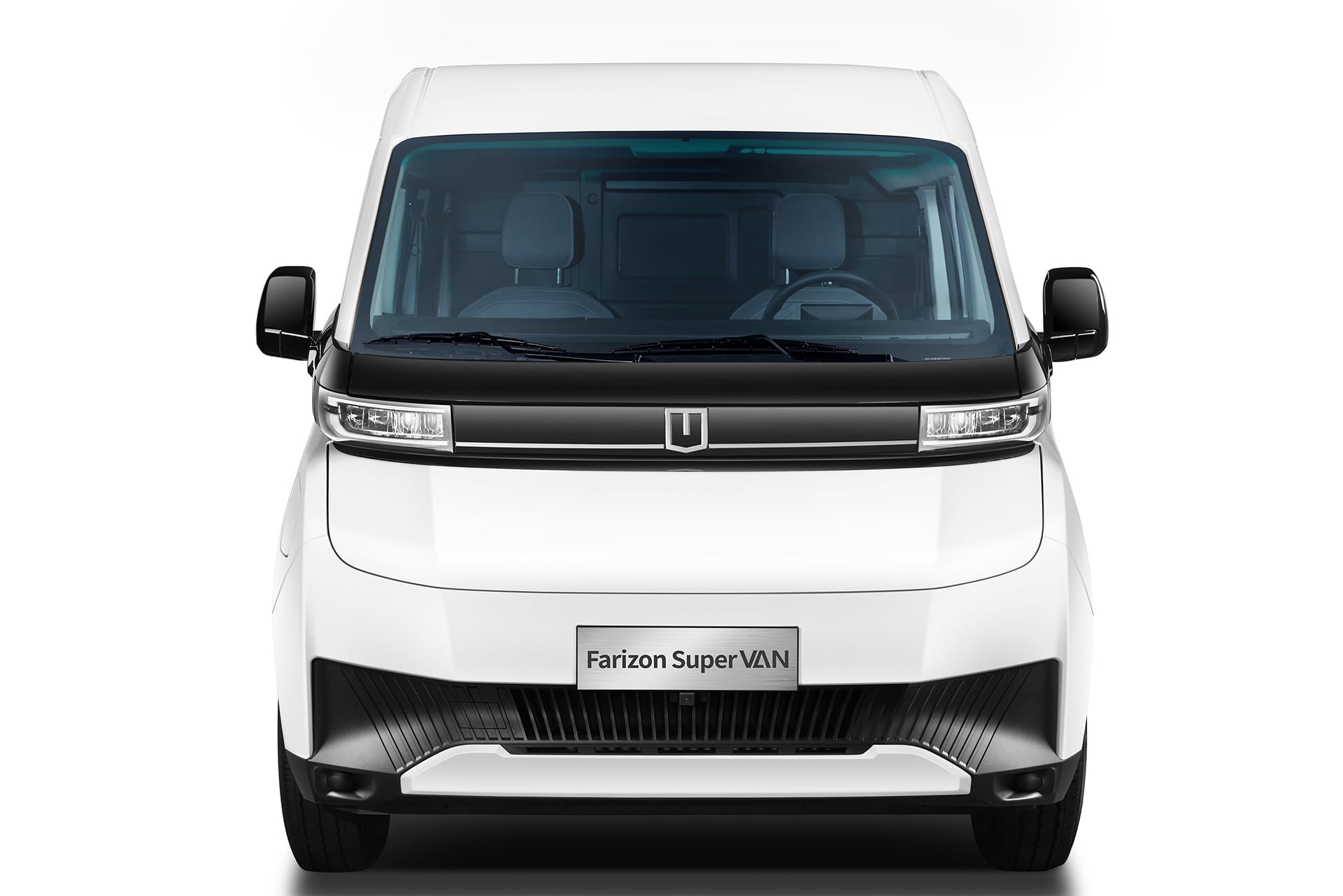
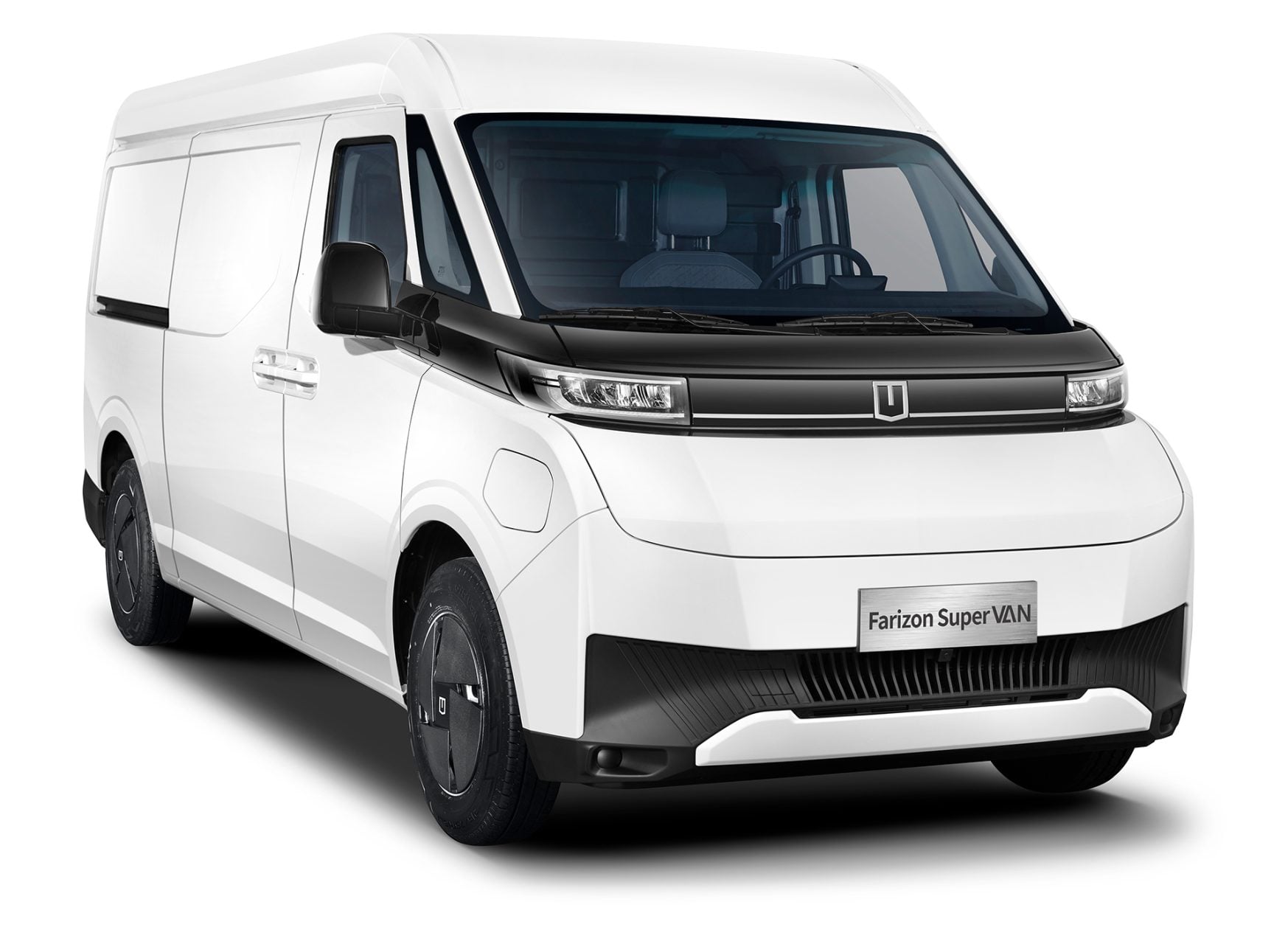
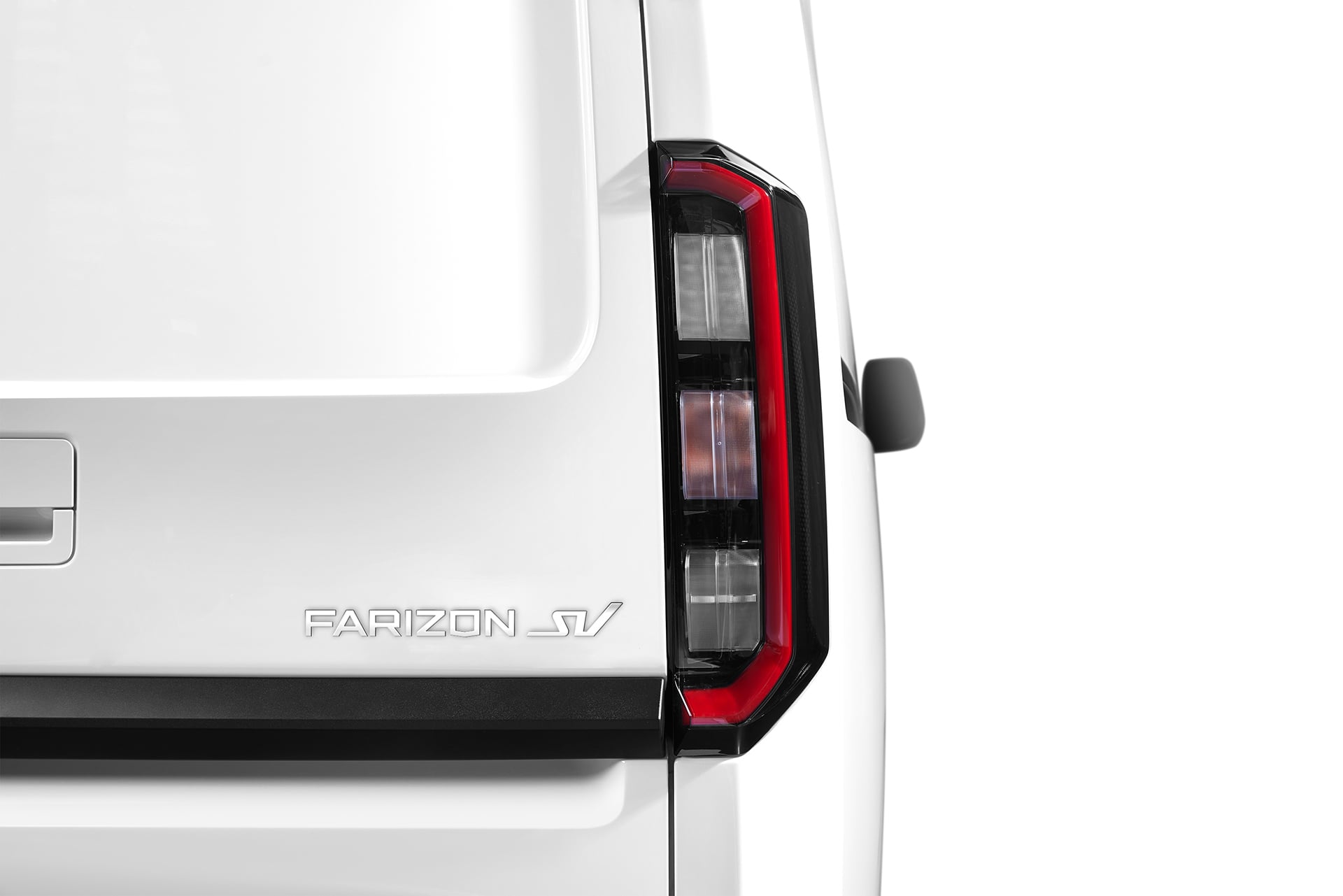
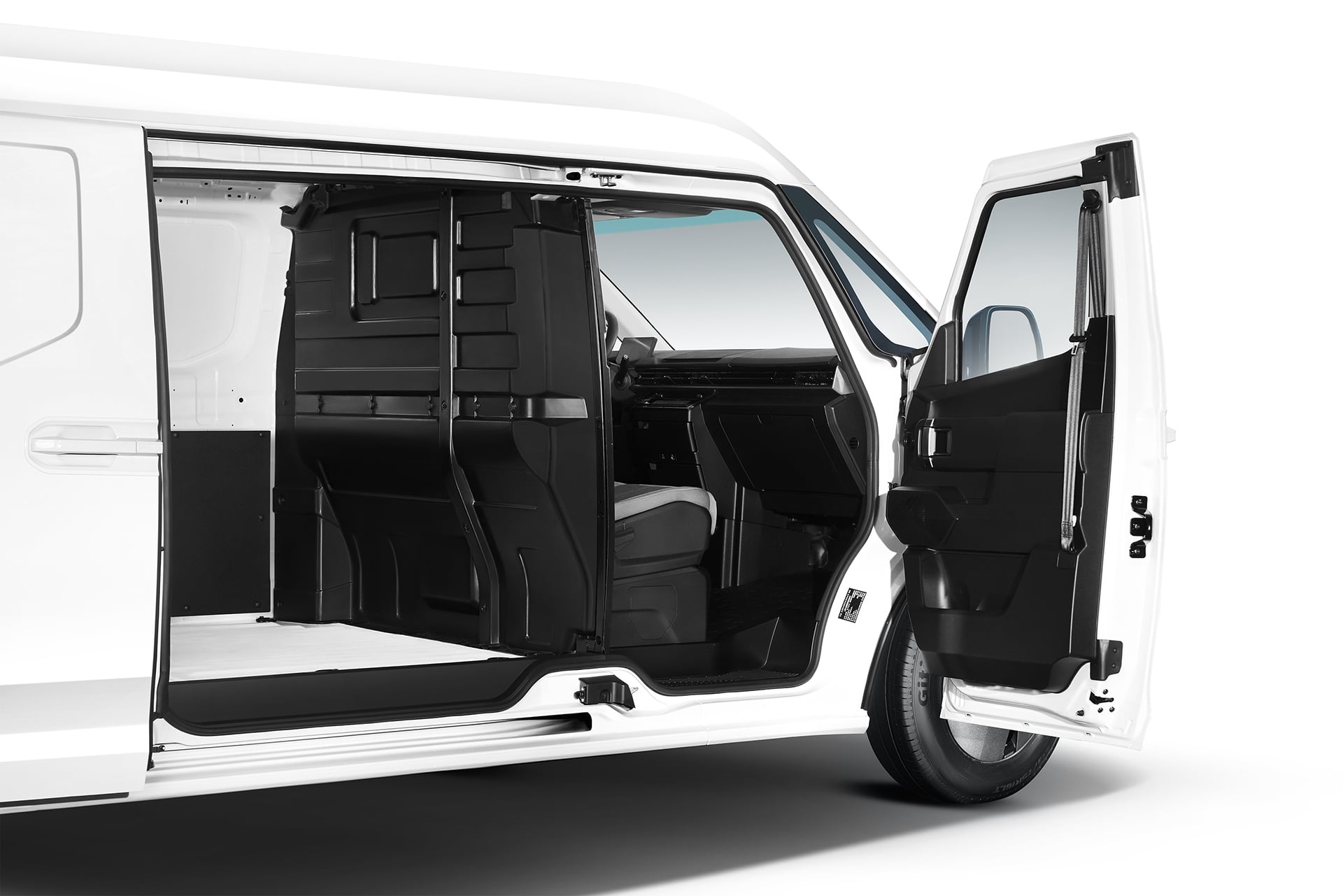
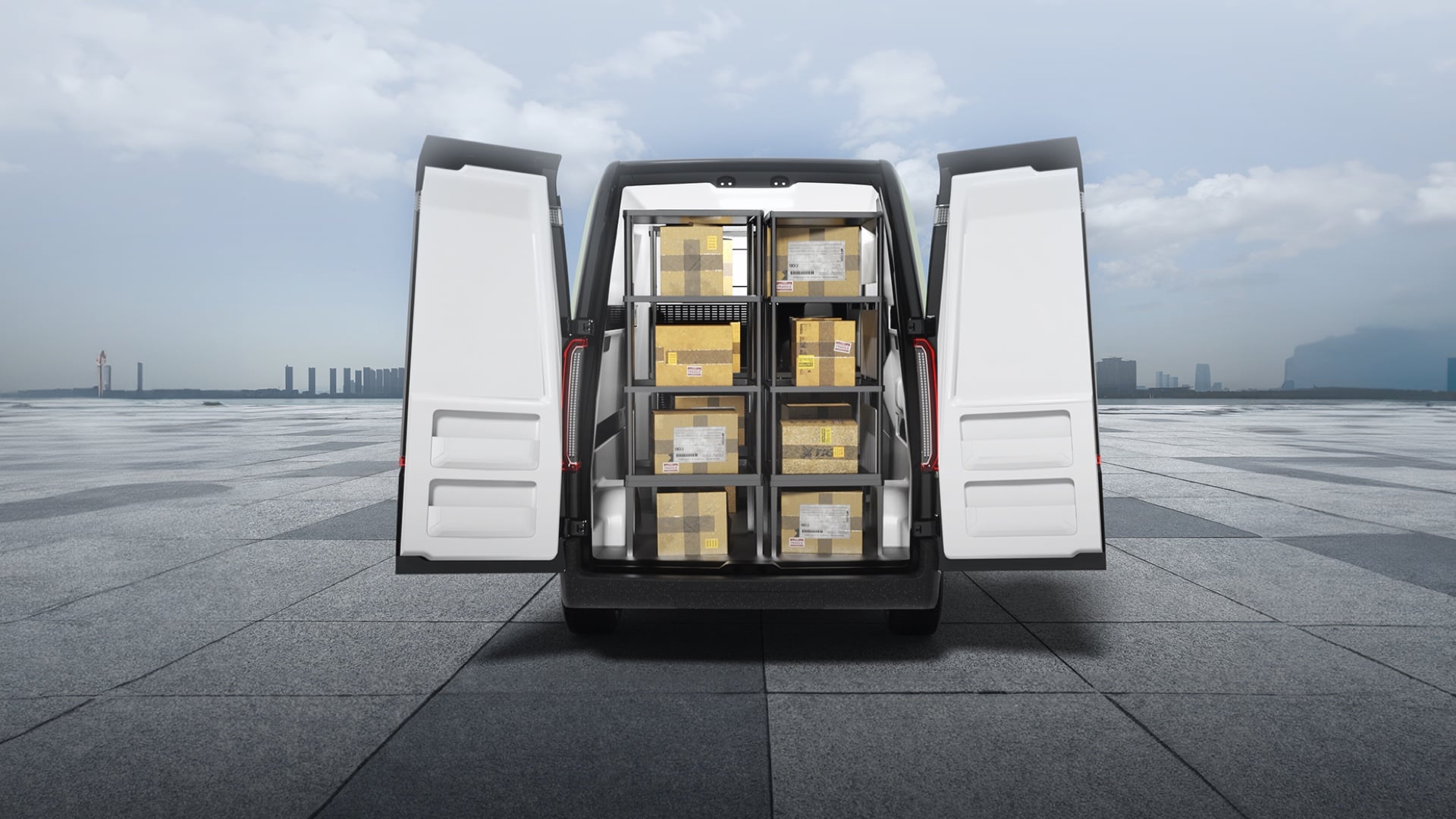
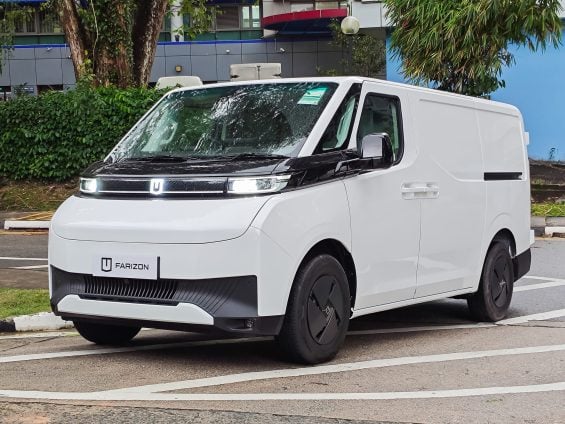
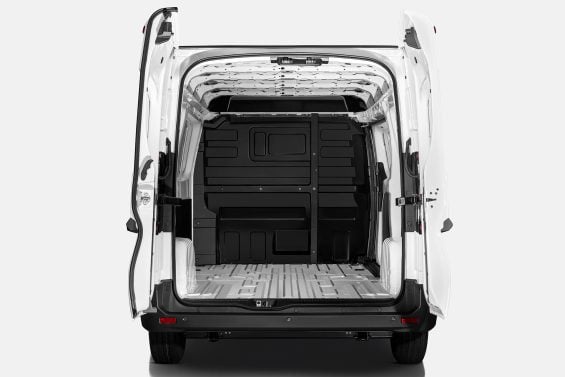
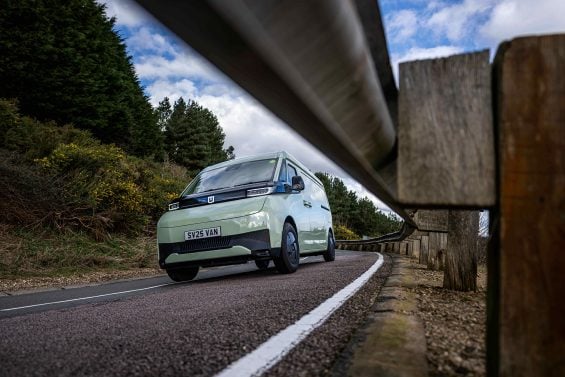
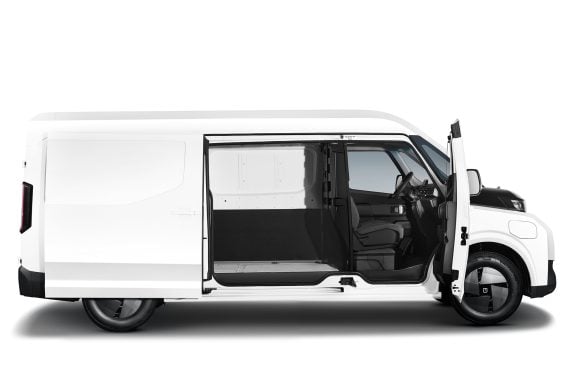
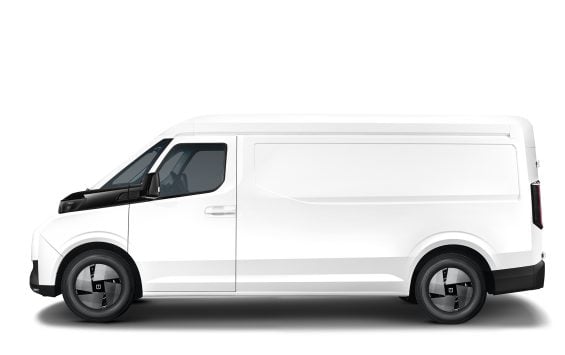
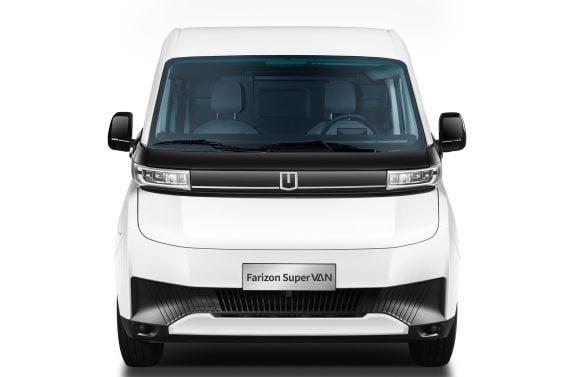
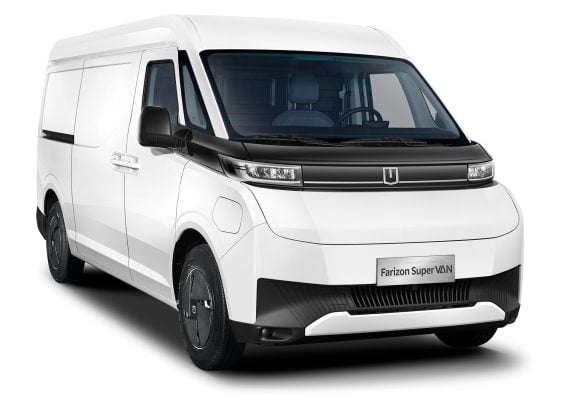
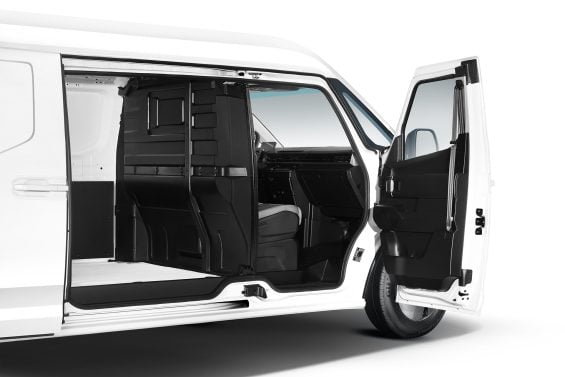
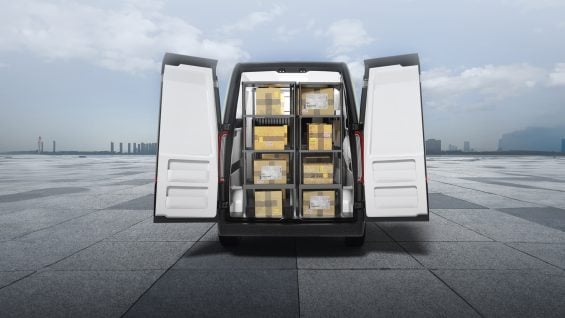
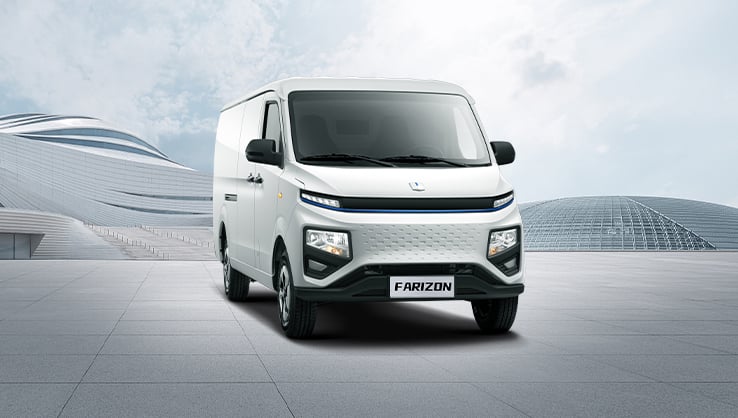
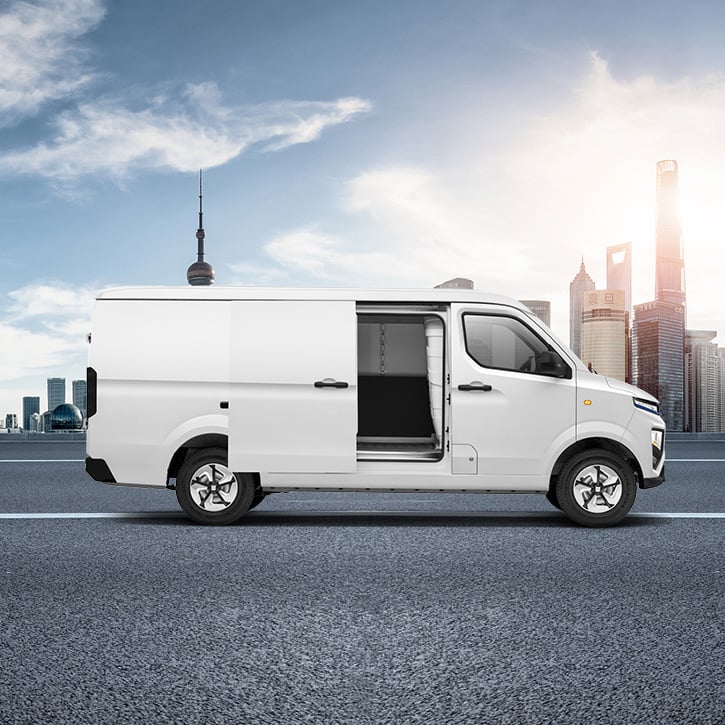
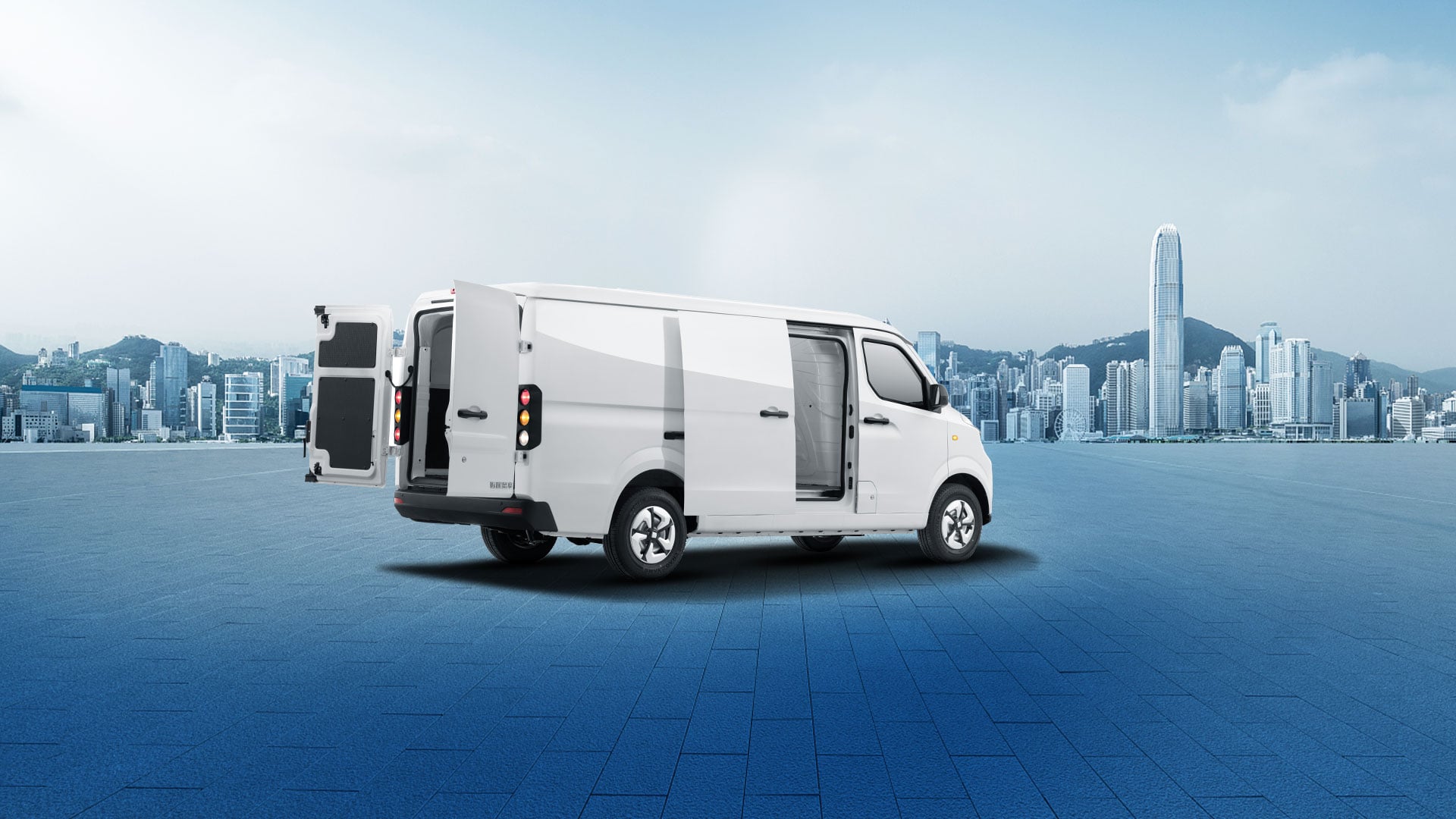
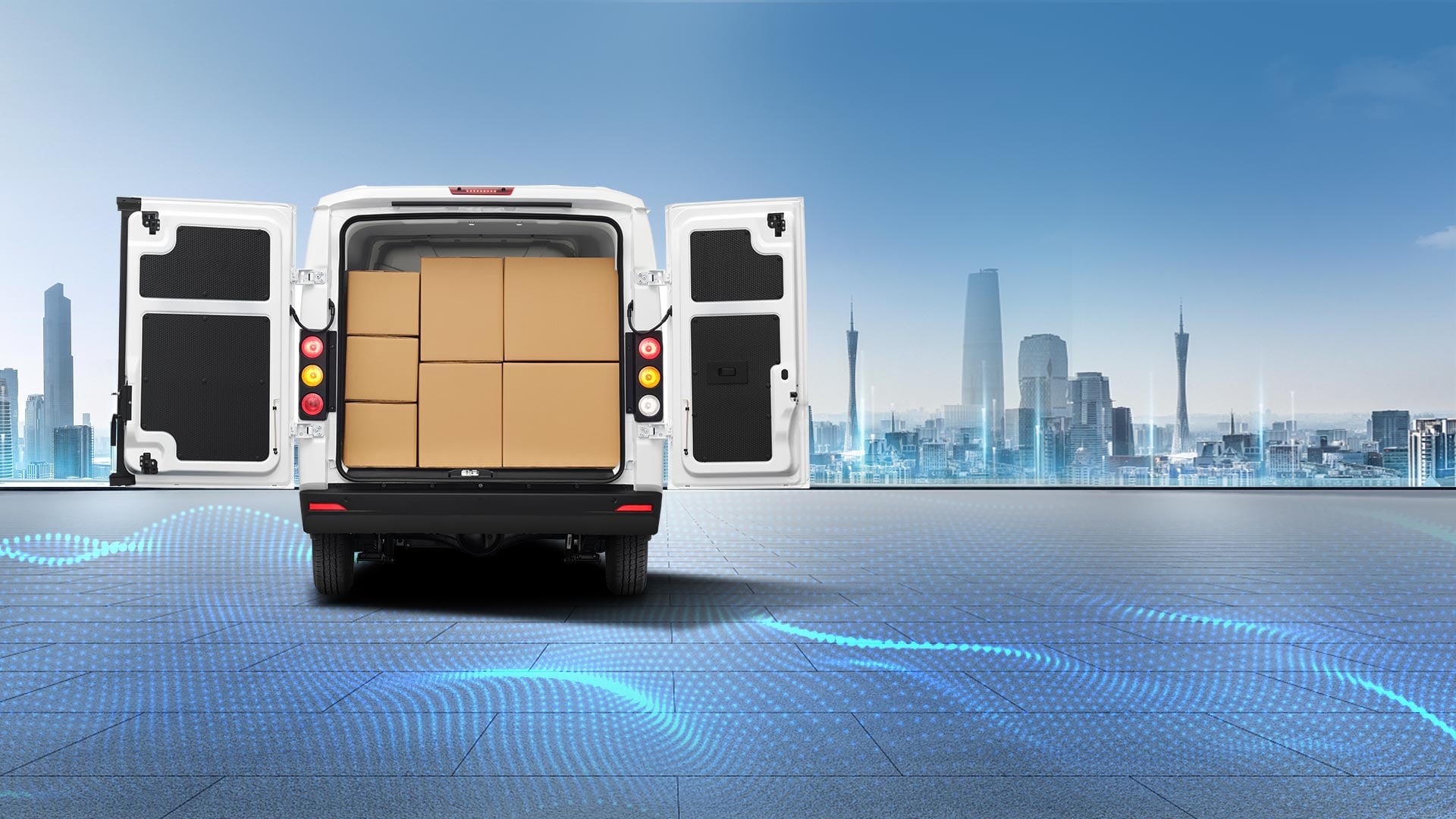
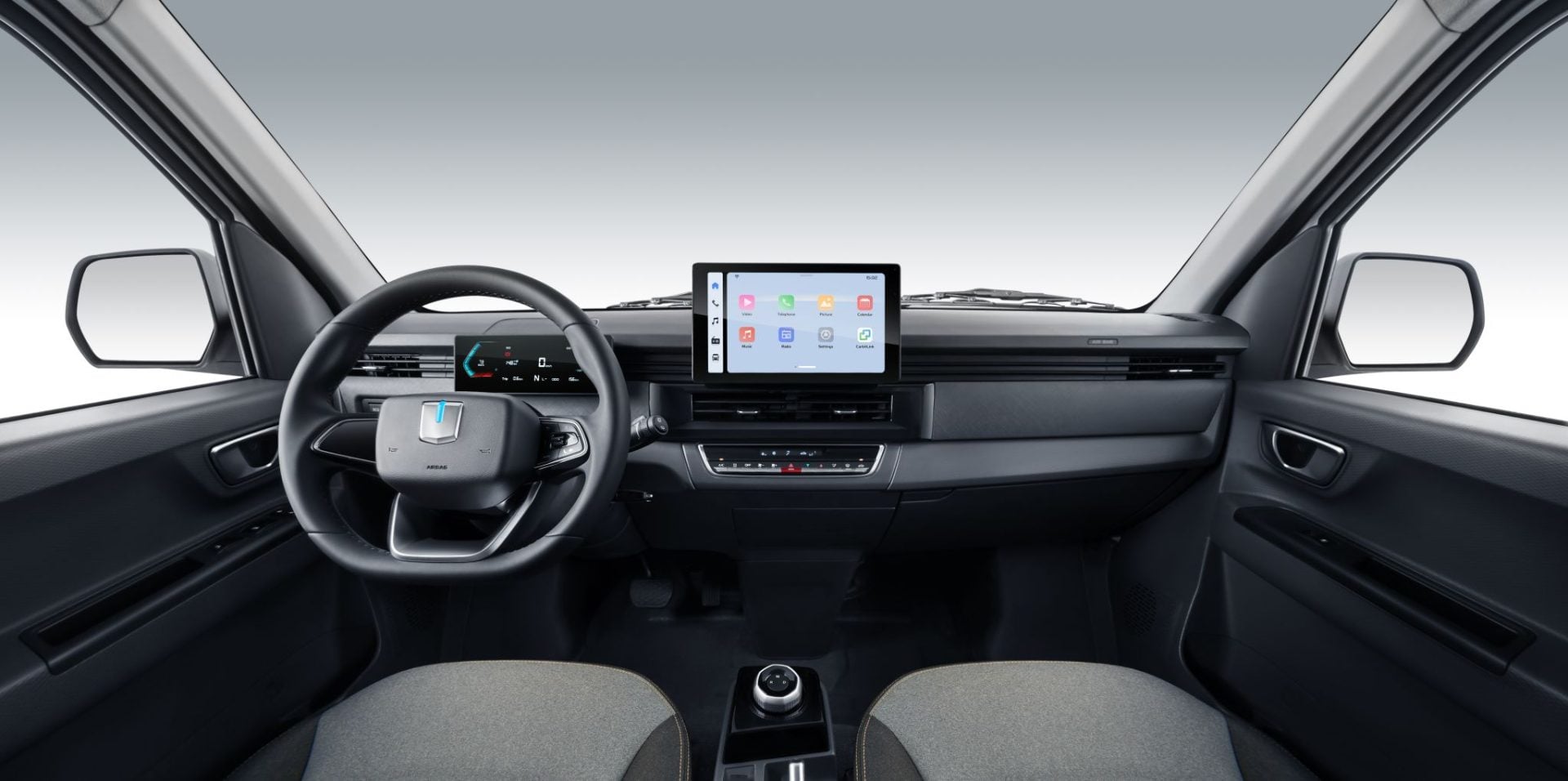
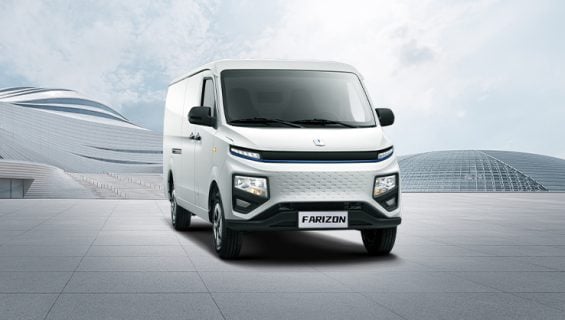
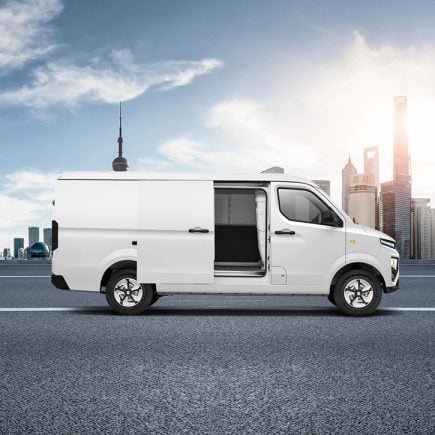
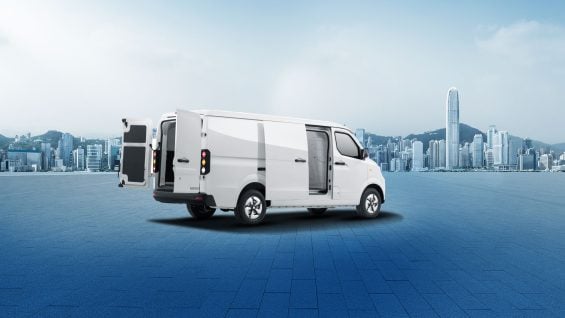
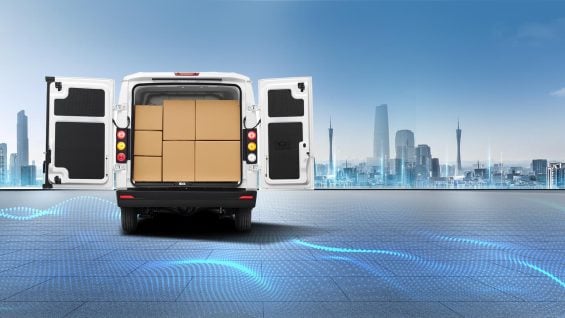
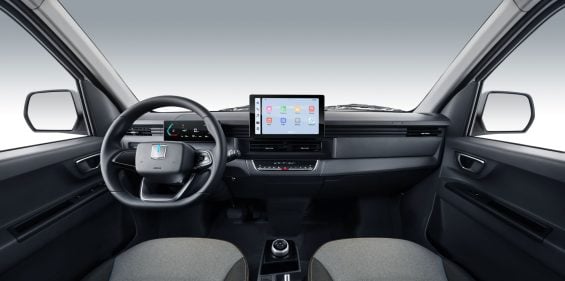
The initial portfolio highlights the V6E electric van, with a starting price set at R$ 260 thousand. According to the manufacturer, the model is capable of reducing operating costs by up to 70% in direct comparison with similar combustion-powered vehicles. The line is complemented by the Supervan, offered in 7 and 11 m³ versions with prices starting at R$ 435 thousand, and by the H9E light trucks, 6 and 8 tons, which start at R$ 450 thousand.

SEE ALSO:
Unlike one-off import models, Farizon already has 135 nationalized vehicles in stock, landed between the end of 2025 and the beginning of this year. The logistics and commercial operation is conducted by the Timber Group, an arm of Randon Rodoparaná, which structured an initial stock with more than a thousand replacement items and trained technical teams in training with specialists from China.
The operations are initially concentrated in the South and Southeast regions, with bases in cities such as Curitiba (PR), Joinville (SC), Guaíba (RS) and Curvelo (MG). To reinforce support, a mobile unit in São Paulo will carry out rapid field interventions. The brand’s strategy combines prompt delivery with scheduled shipments, aiming to ensure continuity of supply for e-commerce fleets that seek electrification as a vector of energy efficiency.