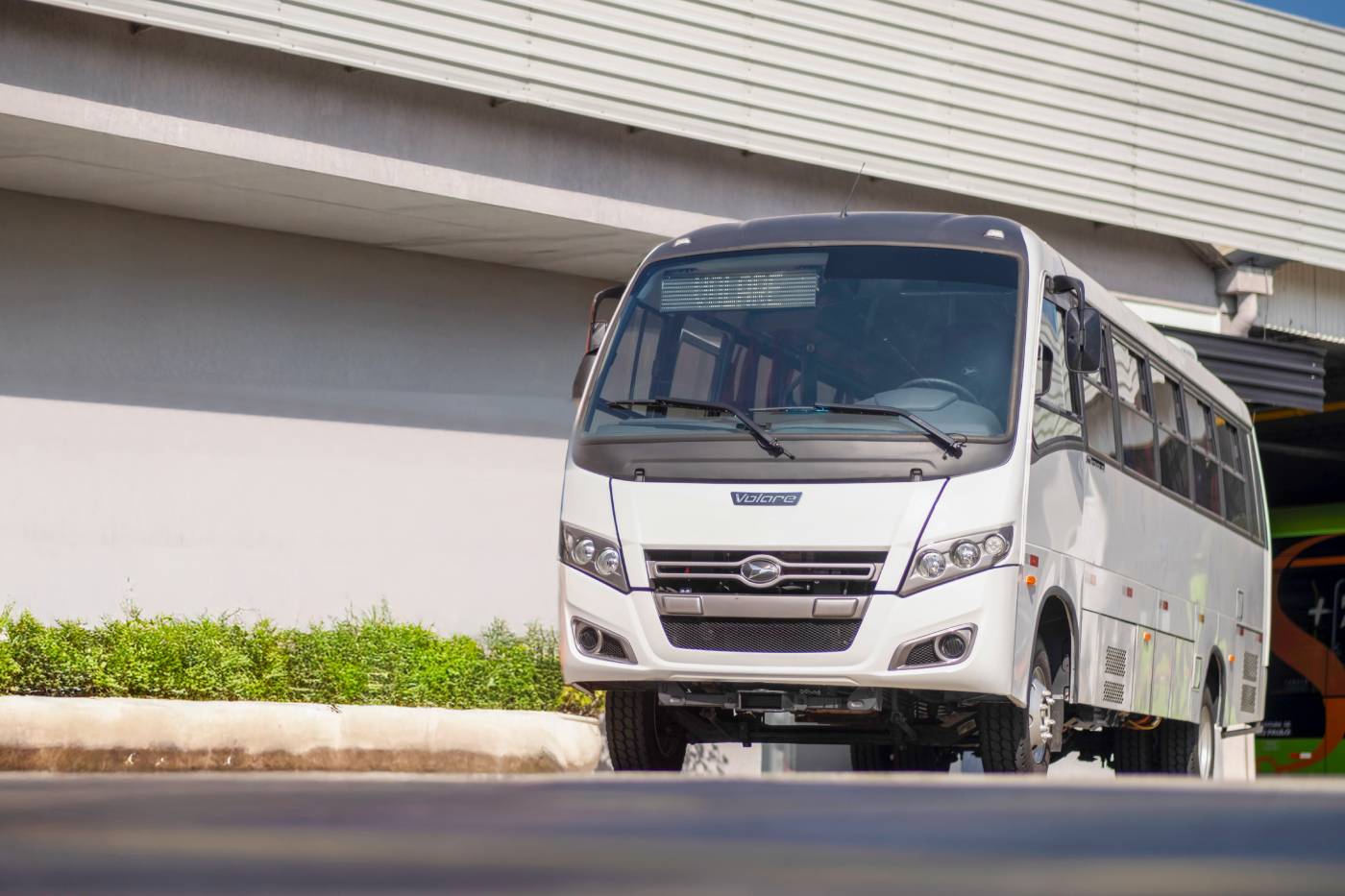
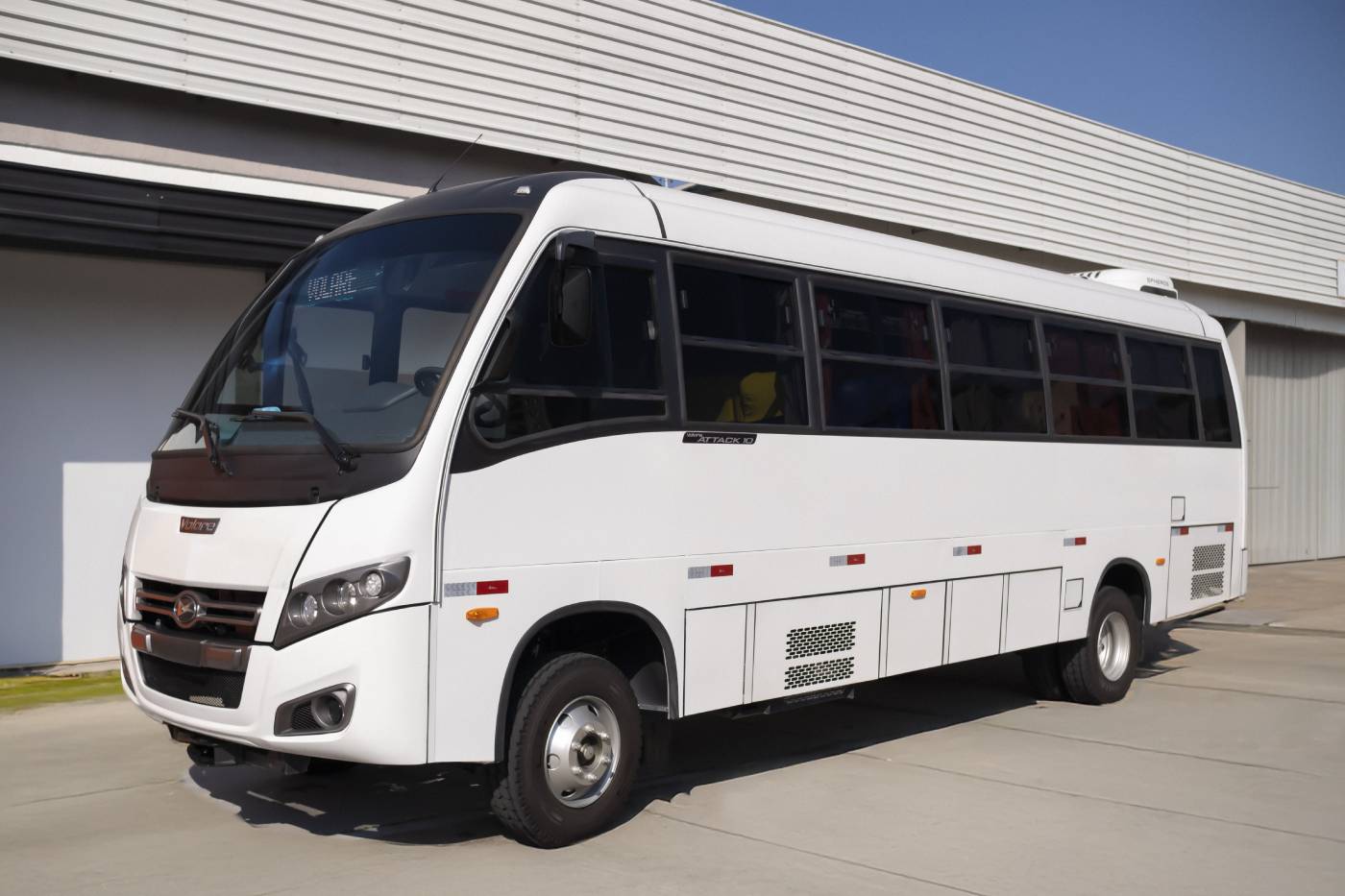
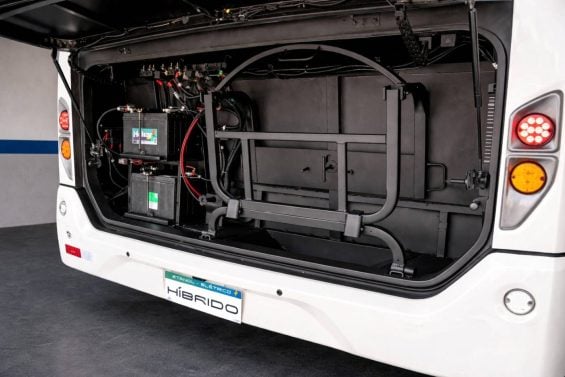
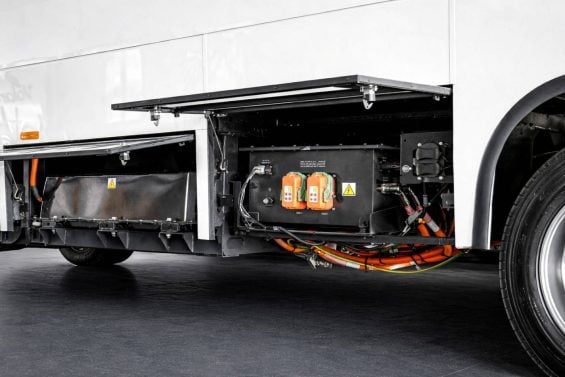
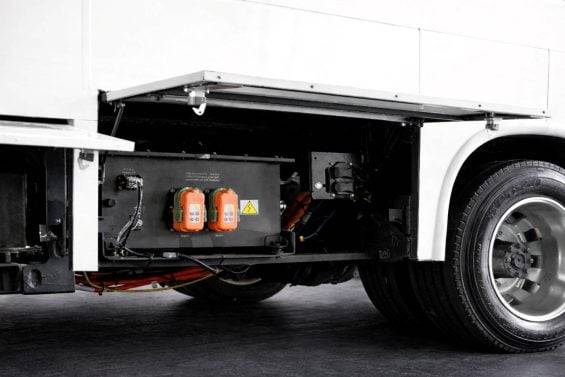
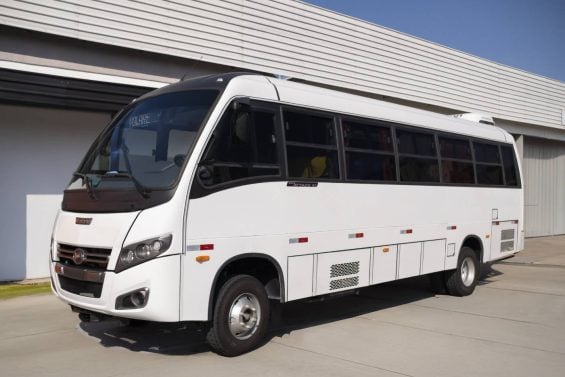
Marcopolo, in partnership with Sertran Transportes and bp bioenergy, started the assisted operation of the Volare Attack 10 Hybrid, the first minibus in the world to combine 100% electric traction with an ethanol generator. The pilot project is carried out at one of bp bioenergy’s plants and uses the vehicle in the daily transport of employees to validate the efficiency of the technology in real conditions of use.
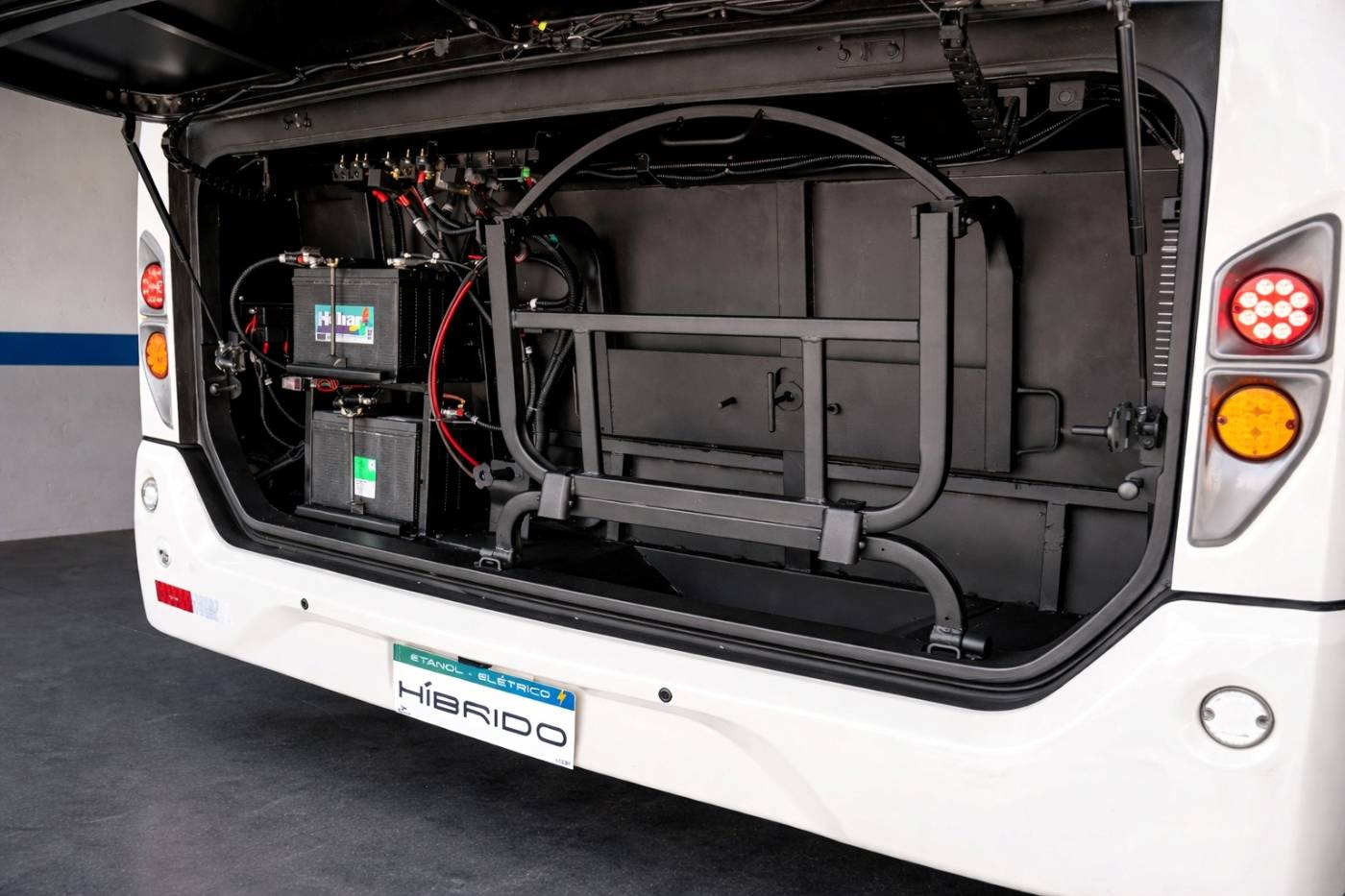
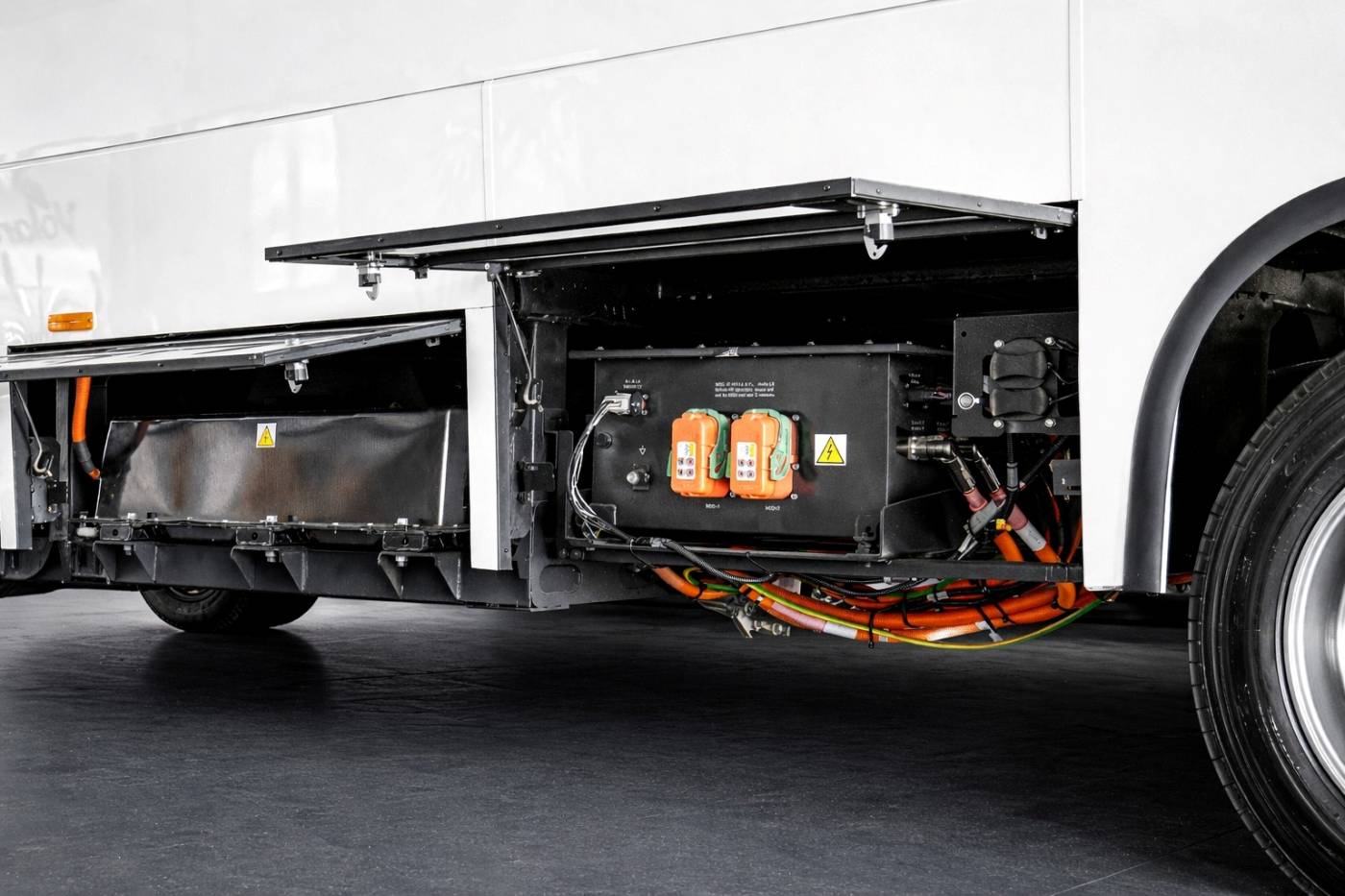
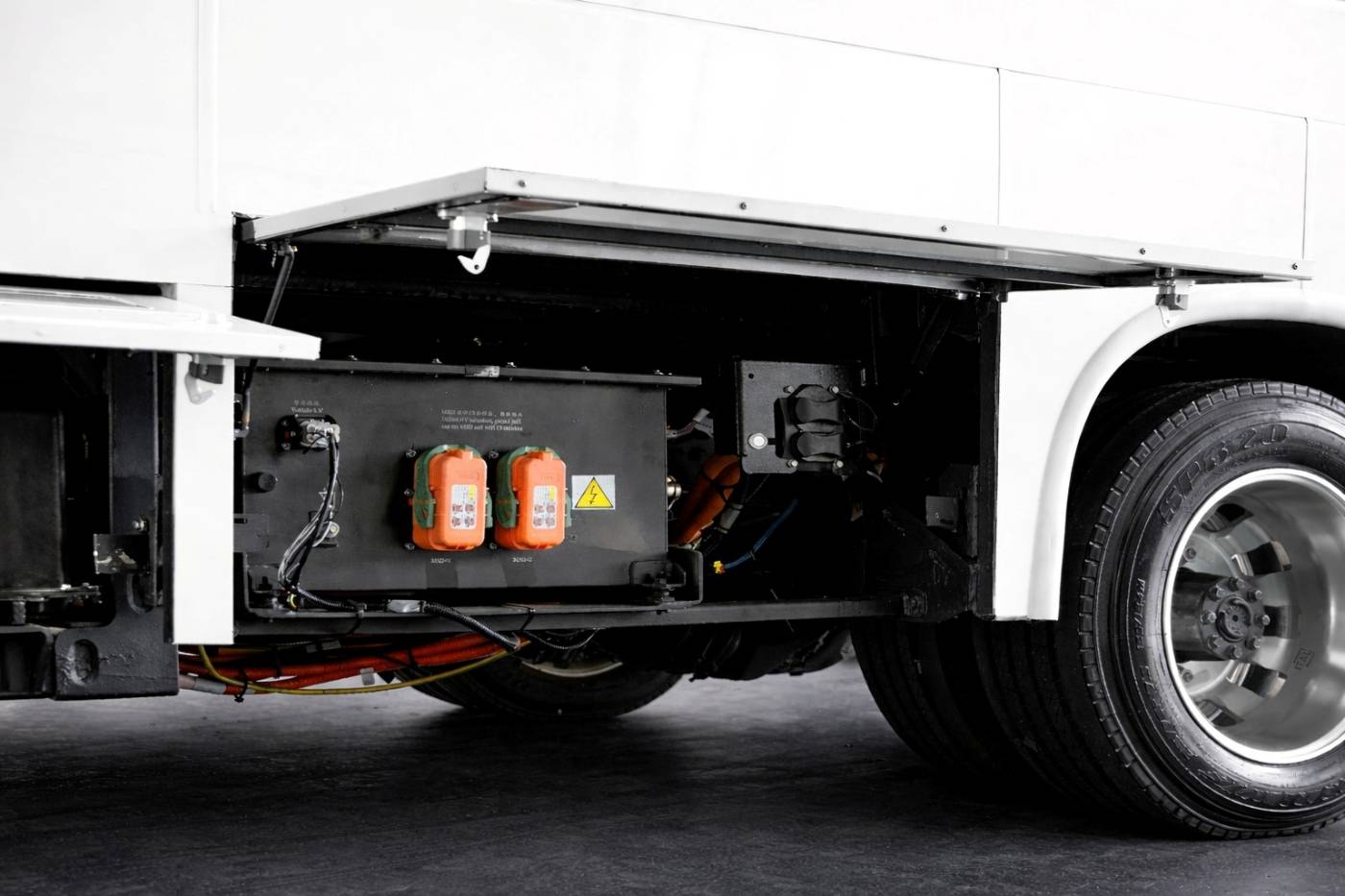
Unlike conventional electric models, the vehicle adopts the range extender architecture. In it, the traction is fully electric, powered by 120 kWh batteries, while a 1.0 turbo engine from Horse Powertrain Limited acts exclusively as a power generator, without mechanical connection to the wheels. The system eliminates the need for external charging infrastructure, ensuring autonomy of up to 650 km.
The solution seeks to accelerate decarbonization in Brazilian transport by taking advantage of the capillarity of biofuels. According to the manufacturer, the model has a lower acquisition cost than purely electric buses and a high rate of nationalization, factors that increase its viability in rural fleets and continuous operations. The initiative originated about three years ago, aiming to create a scalable alternative for the energy transition.
For bp bioenergy, the project reinforces the logic of circularity, since the fuel used is produced in the unit itself. Sertran, responsible for driving, and Marcopolo’s engineering will carry out continuous technical monitoring for performance adjustments. In addition to the environmental gain, the model promises improvements in noise and vibration levels (NVH), as well as a reduction in maintenance costs due to less wear and tear on the brake system.
The technology, which integrates components from WEG and Horse, positions the bioenergy sector as a protagonist in sustainable mobility. The project highlights the potential of ethanol as a strategic vector to decarbonize long-distance routes in regions where access to high-voltage electricity grids for fast charging is still limited.
Comments are the sole responsibility of their authors and do not represent the opinion of this site. Comments containing profanity or offensive language will not be published. If you identify anything that violates the terms of use, please report it.