Drivers are tired of very large screens in cars, says study
J.D. Power study of 68,000 drivers shows that new passenger screens are one of the most problematic and least used technologies
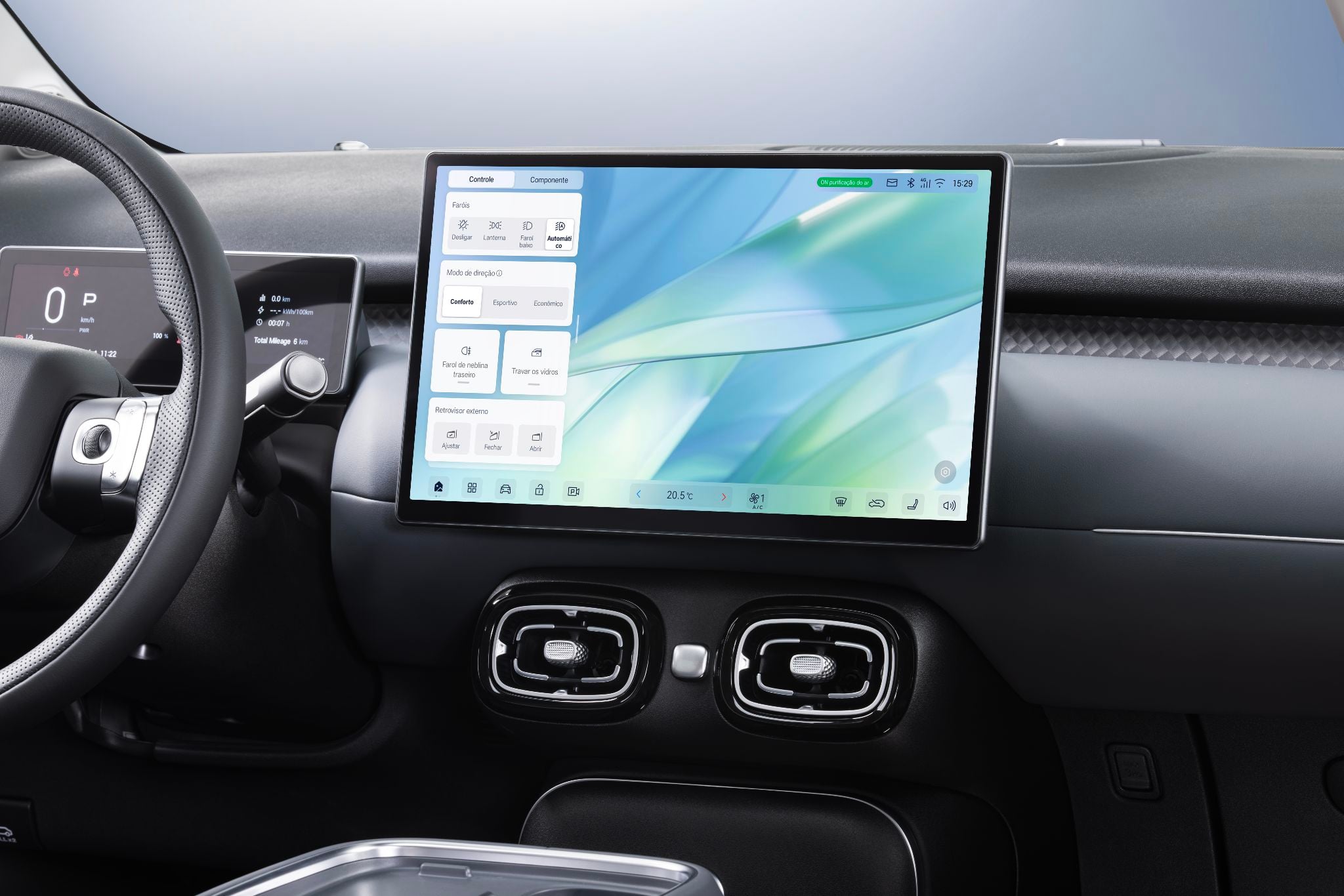
Multimedia screens and digital panels dominate the dashboard of modern cars, but too much technology has generated complaints from owners. (Photo: GAC | Disclosure)
The more screens, the more dissatisfied the car owner. This is what the 2026 Tech Experience Index (TXI) suggests, an annual study by J.D. Power in the United States, which heard 68,084 owners of 2026 model year vehicles after 90 days of use and evaluated 40 embedded technologies. The conclusion goes against the path that the industry has been following: the most eye-catching features are usually the ones that please the least.
The most evident example is the screen dedicated to the front passenger, an item that has spread to luxury models. Among owners who have the feature, 35% said they have never tried to use it, and only 6% say they use it on all trips. The technology also registered 21.3 problems per 100 vehicles, which places it among the most problematic in the survey. According to J.D. Power, cars equipped with these screens also had more failures in the multimedia system in another study by the consultancy, the initial quality.
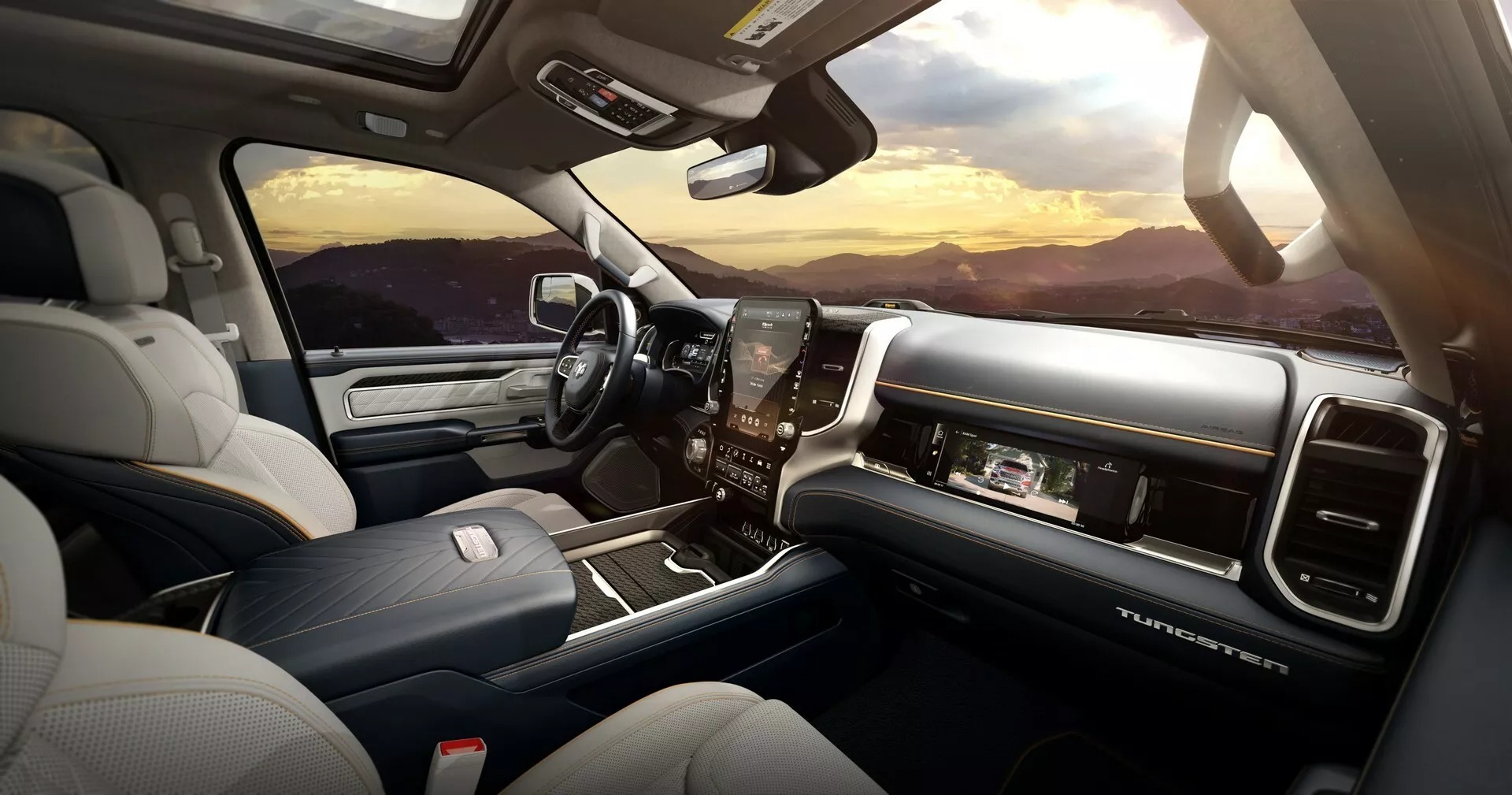
The RAM 1500 Tungsten Version has luxuries such as the screen for the passenger. Photo: RAM | Disclosure
The technology that the owner doesn’t even notice
At the top of the approval are discrete functions. The smart starter, which turns the car on and off according to the driver’s action, had the highest overall satisfaction and only 2.4 problems per 100 vehicles. The climate control that adjusts the cabin alone was also well evaluated.
“The technology that customers value most is often the one they barely notice, because it just works,” says Doron Hikry, director of customer success at J.D. Power.
The pattern is repeated in assisted driving. Level 2 systems, which require hands on the wheel, were better evaluated in execution and overall experience than level 2+, which dispense with hands in certain conditions — although the latter registered a slightly lower number of problems. For Hikry, the result indicates that the driver feels more comfortable with systems that clearly help him than with those that increase the degree of automation.
In the ranking by brands, Cadillac leads the overall index, with 641 points out of a thousand. Hyundai appears first among popular brands for the seventh year in a row, with 524 points, against the group’s average of 443.
In Brazil, the rule of the passenger screen has just changed
The topic arrives in the country at an opportune time. In August, Contran published Resolution No. 1,030/2026, which amends the 2007 rule and now allows the display of movies, series and videos on the front screen with the car in motion, as long as the technology prevents the driver from seeing the images, regardless of the seat adjustment. Screens visible to the driver remain restricted to navigation and driving support information, and those facing the rear seats remain free, as they already were.
Here, the feature is still rare and restricted to expensive models, such as the RAM 1500 Tungsten and the Jeep Grand Cherokee. Outside, there are already those who offer no alternative: in the restyled BMW 7 Series, the 14.6″ screen for the passenger is standard.
Comments are the sole responsibility of their authors and do not represent the opinion of this site. Comments containing profanity or offensive language will not be published. If you identify anything that violates the terms of use, please report it.